
Wright-Patterson Mahjong Etiquette: Rules for Respectful Play
Last updated: Nov 23, 2026
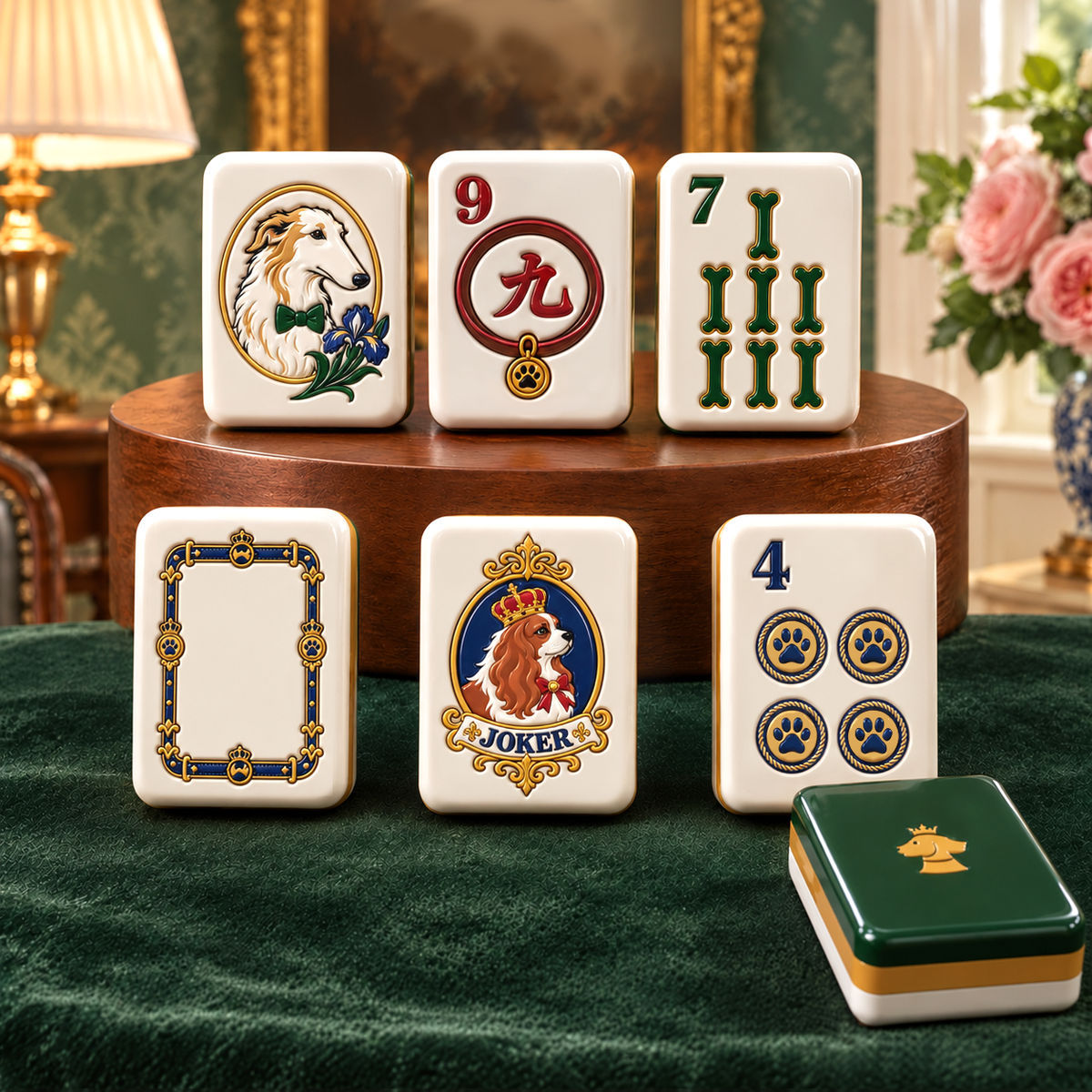
Wright-Patterson base and other U.S. military communities host active mahjong groups, often following American mahjong standards with added courtesy protocols. Etiquette covers tile touching (announce before picking up), joker use (never hide them), discard placement (clear, orderly), conversation timing (only between hands), and hand-hiding (never show live tiles to opponents). American mahjong allows only pungs, kongs, quints, and sextets—never chows—so knowing what can be exposed prevents disputes. The core principle: play at the speed of your slowest player, let new members learn without pressure, and admit confusion rather than guess. Mahstead sets with engraved tiles and matching mats help beginners follow suit and track exposed melds, reducing accidental rule breaks and speeding up comfortable play.
What is mahjong etiquette, and why does it matter?
Etiquette is the unwritten agreement that lets four near-strangers sit together for hours, handle tiles worth playing with, and stay friends when someone wins. It's not about being posh—it's about respect. At military bases and community centers, newcomers who play etiquette-first get invited back; those who rush or hide tiles don't. Etiquette prevents the most common source of tension: a player claiming they didn't see which tiles were exposed, or insisting they picked up a discard they didn't call. When everyone touches tiles the same way, announces the same way, and keeps melds in plain sight, there's no confusion.

When should you touch or move tiles on the table?
Never pick up a tile unless you've announced it. If you want to look at a discard pile (to count what's left), say "checking discards" and point rather than grab. When you draw from the wall, pull from the far end—never the near end—so the next player has clear access. If you think someone drew out of turn, pause and ask before they place it. Many newer players accidentally reach for tiles while thinking: catch yourself. At Mahstead's recommended setup, each player's rack sits in front of them, not crowding the center; this gives everyone clear sight lines and prevents accidental jostling. Before any game, agree on wall-draw order and stick to it without comment.
🀄 Shop best-selling mahjong sets →
What's the right way to use jokers and call exposures?
Jokers are wild; they stand in for any tile in an exposed meld (pung, kong, quint, or sextet). The moment you use a joker, show it face-up in the exposed meld—never hide it in your hand or pretend it's a regular tile. If you call a meld (e.g., "pung" for three identical tiles), say it loudly and immediately place all three tiles face-up on the table in front of you, in neat rows. This lets all players verify the call and mark their own card. Don't expose a meld and then keep debating its validity; once it's on the table and another player has drawn, it stands. If you're unsure whether a tile can be called, ask before anyone draws. In American mahjong, you cannot call a chow (1-2-3 sequence) or pick a tile from an opponent's meld to complete one of your own—only from the discard pile or the wall. Know this before game night so you don't accidentally call something illegal.
How should you manage discards and the discard pile?
Place each discard in the center of the table in order, left to right, one per row if the pile grows tall. Say the tile's name clearly as you place it (e.g., "five Dot," "East wind"). Never throw a tile; set it gently so players can count quickly. If someone calls your discard, pause and confirm they called the right tile—say the name back. Keep old discards visible so new players can see what's been played. If the discard pile gets messy, pause the game and reorganize it together—this is not rude, it's preventive. Never lean over the discard pile to "help" count; let each player count from their own position. Some groups use a mahjong mat with a printed discard layout to keep piles orderly and stop arguments about which tile was played when.
When is it okay to talk, and what shouldn't you say?
Talk between hands freely—before anyone draws, after everyone has said "ready," and between rounds. Once the hand starts, keep chat light or silent. Never give advice ("don't discard that") or hint ("hmm, that's risky"), even to your partner or a beginner. Let players make their own choices and learn from mistakes. Don't discuss live hands: if you're out, don't comment on strategy or tiles others hold. After someone melds, a brief "okay" is fine; detailed discussion waits until the hand ends. Never ask what tiles are left in someone's hand or rack—that's snooping. If a player is slow, don't sigh or tap the table; bad luck travels fast at mahjong. If someone is learning the card, let them take time. The fastest way to ruin a friendly group is to rush or criticize. New players need to learn how to read the mahjong card at their own pace.
🎁 See our most-loved mahjong sets & accessories →

How do you handle disputes or rule confusion fairly?
Stop play immediately. Don't let a hand finish "to settle it later"—pause and resolve it now. Agree on a source of truth: is it the current year's National Mah Jongg League card (the official American hand reference) or house rules your group wrote down before the game? If you don't have a written rule, the card is the default. Look it up together. Never let one player's version overrule the others' memory. If no one knows, flip a coin or restart that hand. Most disputes come from not knowing whether a meld is legal (chow vs. pung) or whether a tile can be drawn from the wall at that stage—read the card together and move on. If the same confusion comes up twice, write a house rule and use it next time. The goal is fairness, not winning the argument. Groups that handle disputes calmly stay together; groups that don't, splinter. Understanding the rules before game night cuts disputes by half.
Comparison: Etiquette Across Common Settings
Setting | Tile Exposure | Joker Use | Talk Rules | Speed | Discard Style |
Home/friend game | Call and show immediately | Show face-up | Between hands only | Slowest player's pace | Neat rows, announced |
Military base group | Same, plus announce rank/role if new | Same | Briefer; focus on game | Medium; 2–3 min/hand | Formal rows; count aloud |
Senior center | Same, with help offered | Highlight with marker | Friendly chat OK; less formal | Slowest pace | Organized; large tiles |
Tournament (if rare) | Same, witnessed by observer | Official marker placed | Silent; no advice | Fast; timer may apply | Specified format |
What to check before your first game at a new venue
Ask the host: Are there house rules? Any tiles off-limits for jokers? How fast do they play?
Observe one hand: See how they expose melds, call, place discards, and handle disagreements.
Know your level: If you're learning, say so. Good hosts will pair you with a patient player.
Bring a reference: Download or print the current year's National Mah Jongg League card; many hosts appreciate it.
Keep your phone off the table: It distracts and shows disrespect.
Arrive on time: Latecomers interrupt the Charleston and throw off counts.
Offer to bring snacks or supplies: A gesture of goodwill smooths introductions, especially if you're new.
Why gear matters for smooth play
A clear mahjong set with high-contrast tiles reduces accidental mistakes. When the Craks, Bams, and Dots are easy to read, players spend less time squinting and more time playing confidently. A matching mat with printed discard guides keeps piles orderly and prevents the "which tile was that?" disputes that kill the vibe. Racks with pushers keep your tiles hidden and organized so you're not fumbling or accidentally showing your live hand. When everyone has clear, well-kept gear, etiquette enforcement becomes almost automatic—nobody hides tiles in messy racks, nobody "loses" a discard. Many military base groups use matching sets for weekly games because the uniformity signals serious play and mutual respect.
✨ Find your Mahstead set — free US shipping →

FAQ
Is it rude to ask someone to slow down or speed up during a hand?
No. A gentle "can you take your time?" or "we're ready when you are" is fine. If one player is consistently much slower, talk after the game. The group's pace should match the slowest regular player—that's respect.
What if I don't know if a meld is legal? Should I call it anyway and hope?
No. Pause and ask. "Is this legal?" takes 10 seconds; an illegal meld wastes a hand and creates hard feelings. Better players thank you for asking.
Can I look at someone else's rack while they're building a hand?
No. You may only see tiles they've exposed. Looking at their held tiles is cheating, even by accident. Keep your eyes on the discard pile and your own rack.
Should I teach a beginner mid-game, or let them learn by losing?
Teach briefly before the game starts. Mid-hand coaching feels patronizing and slows play. After a hand, if they ask "why didn't that work?" explain kindly and show them the card.
If I win but someone says I made a mistake and should have lost, do I give the money back?
Not unless you're certain you cheated. If someone believes a rule was broken, you pause before anyone draws and resolve it together. If the group agrees you erred, replay the hand. This is rare with honest play.
What's the fastest way to ruin a mahjong friendship?
Rush someone, hide tiles, move someone's discard, claim you didn't see a call, or give bad advice to a beginner. Any one of these will get you uninvited.


View More
View More
View More
