
Why Men Love Mahjong: The Game That Builds Community
Last updated: Nov 23, 2026
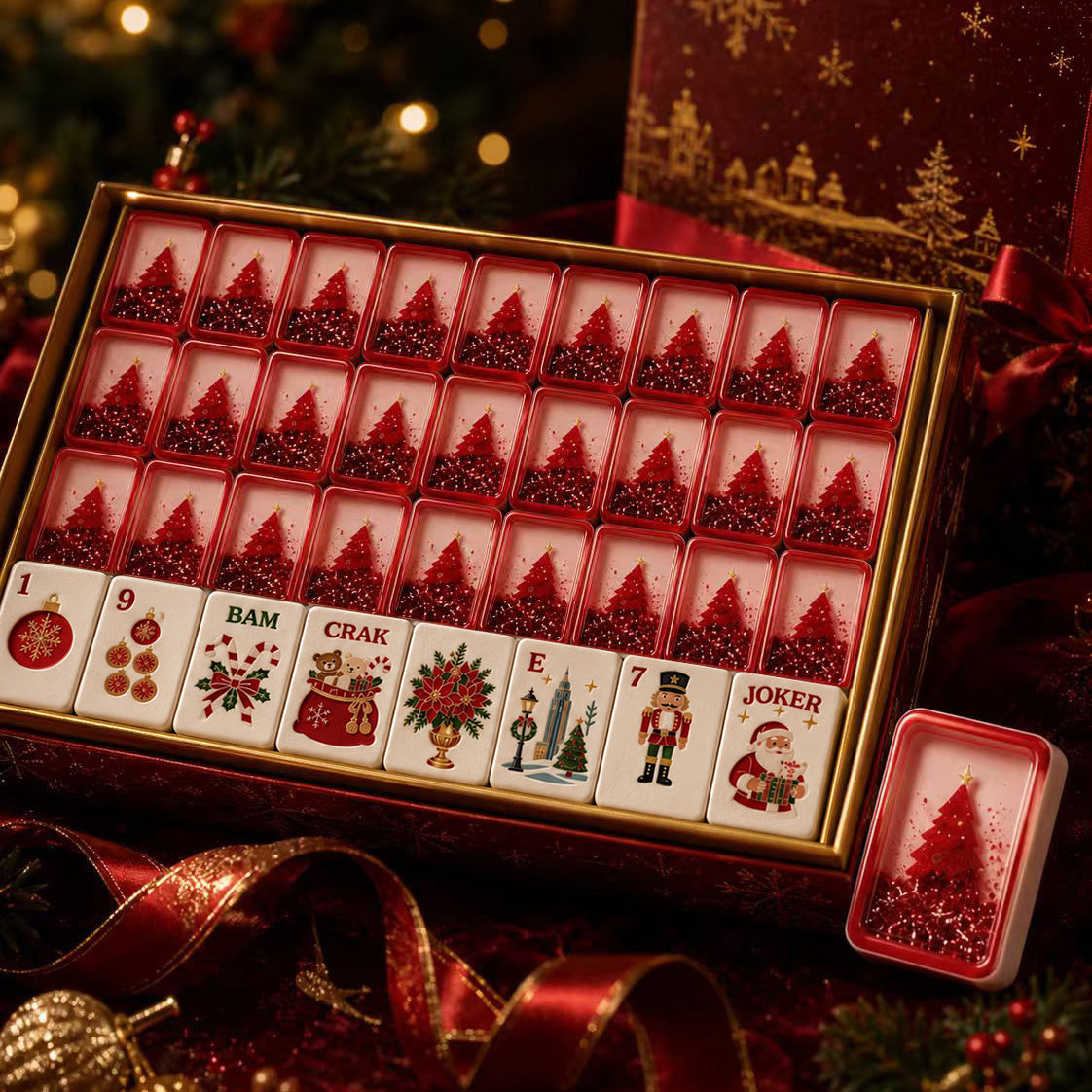
Men gravitate toward mahjong for reasons that go far deeper than tile shuffling. The game demands real strategy—you're reading probabilities, tracking discards, managing risk, and adapting mid-hand in ways that satisfy the analytical mind. Unlike pure luck games, your decisions matter. Mahjong also builds lasting friendships in a way few activities do: weekly games become non-negotiable commitments, trash talk flows freely, and the table becomes a space where men talk openly without the awkwardness of forced socializing. The competitive element—winning hands, climbing the score sheet, defending your position—taps into something primal. You're playing for bragging rights, not money. The ritual of setup, the Charleston tile-pass, the quiet focus of reading the card—these create rhythm and belonging. Men also appreciate that mahjong doesn't demand youth or athletic ability; you can play at 25 or 85. Start with our best-selling mahjong sets and join a local game near you.
Why Does Mahjong Appeal to Competitive Minds?
Mahjong isn't checkers. Every tile you keep or discard sends a signal to the table. You're simultaneously hunting your own hand, blocking opponents, reading what they're fishing for, and managing four jokers across dozens of possible patterns. Men who love strategy games—chess, poker, bridge—often become mahjong addicts within three weeks. The National Mah Jongg League card changes yearly, so the meta-game shifts annually; you're never done learning. Scoring involves both the hand's difficulty and your seat position, so rank isn't just about luck. The challenge lies in balancing aggression (pushing for a harder, higher-scoring hand) against safety (taking what you can get before someone else goes out). Over a season of 40 games, skill compounds. Players who understand tile flow, probability, and seat dynamics win consistently. This isn't magic—it's mastery.

How Does Weekly Play Build Real Friendship?
A mahjong game is a four-hour conversation punctuated by tiles. You sit with the same people every week, year after year. Marriages, job losses, kids' graduations, health scares—they all get discussed between hands. Unlike golf (which demands physical fitness) or poker (which can feel transactional), mahjong creates intimacy through routine and low stakes. The banter is relentless. Someone misreads the card, you roast them for it. Someone gets skunked (shut out, scoring zero), the table collectively sympathizes and laughs. Over time, you learn how each player thinks, what they're likely holding, how they react to pressure. That knowledge compounds into genuine connection. Men who've been in the same mahjong group for 10+ years describe their table-mates as brothers. The game also has natural rhythm: you can host at a mahjong mat in your home or rotate between members' houses. It's yours to own and maintain across decades.
🀄 Shop best-selling mahjong sets →
What Makes Mahjong Different From Other Games Men Play?
Mahjong isn't a sport, so your knees and shoulders don't deteriorate. It's not poker, so money needn't be involved (though some groups do play for chips or points). It's not golf, so weather doesn't matter. It's not fantasy football, so you're not glued to your phone. What you get is a game that asks your full brain, your social presence, and your sense of humor—nothing else. The ritual matters too. Setting up the wall, shuffling the tiles, conducting the Charleston (the pre-game tile-passing ceremony), drawing the first hand—these create a sense of occasion. Beginners often feel intimidated, but within five games the rhythm becomes automatic. The Charleston explained shows exactly why this setup phase matters: it's not random tile exchange, it's skill-based distribution that prevents one player from dominating by sheer draw luck. Men appreciate that everyone starts level, and the first 20 seconds of tile handling set the tone for the next four hours.
Does Mahjong Work for Non-Competitive Players Too?
Not every man wants to crush opponents. Some join mahjong because their spouse or friend got them interested. Others want mental exercise without financial risk. Still others crave the social calendar more than the winning. Mahjong accommodates all three. You can play to win aggressively, or you can play conservatively, waiting for simple hands and enjoying the banter. The scoring system doesn't punish a relaxed approach—some of the most beautiful hands come from patience, not pressure. Beginners often play safer hands for their first season, which is smart strategy; the card has plenty of accessible patterns. As you learn how to read the mahjong card, you unlock higher-scoring hands, but you don't have to chase them. Many groups include players across skill levels in the same rotation, and everyone stays engaged. The game self-scales: you play at your own ceiling.

How Can a Man Start Playing Without Feeling Lost?
The first step is finding a local game. Check community centers, libraries, synagogues, country clubs, and online community boards for "mahjong group" or "tile night." Many established groups welcome new players and will teach you in the first game or two. Bring a pencil and notebook to track scoring patterns (you'll see the same hands repeat). Expect to lose money or points in your first 10 games while learning hand recognition and tile flow. Don't overthink the first few hands—just follow the rules, ask questions, and observe how experienced players read the card. Get a reliable set before you commit to a group; a set with large, clear tiles and numbered racks helps enormously. Our best-selling mahjong sets come with clear labeling and organized tile layout, which means fewer mistakes and more time enjoying the game. Once you've played five consecutive weeks, you'll recognize most hands on sight. By month two, you're thinking about strategy. By month three, you're planning when to host.
🎁 See our most-loved mahjong sets & accessories →
What Equipment Makes the Experience Better?
You can play on a bare table, but the right setup changes everything. A quality mat keeps tiles organized and prevents them sliding. Mahjong racks with pushers let you manage your tiles one-handed while you track the discard pile, which is genuinely important for competitive play. A durable travel bag or case means you can host or visit without worry. Dice should be easy to read and roll fairly; poor dice cause arguments. Men who host regular games invest in these pieces not out of vanity, but because they remove friction. Hosting becomes easier, games run faster, and new players feel immediately that this is a serious, well-run table. You don't need engraved sets or premium leather cases to have a great game, but if you're committing to a weekly group, the investment pays back in confidence and enjoyment.
Item | Who It's For | Why It Works |
Standard set with clear tiles | All players, beginners especially | Easy to read, durable, no learning curve |
Mat + racks | Frequent hosts and competitive players | Faster setup, fewer errors, professional feel |
Dice and card holder | Serious groups | Clear rolls, organized gameplay |
Travel bag | Men who rotate hosting or travel to games | Set stays protected, tiles don't scatter |
Groups with inside jokes or long history | Personalizes the table, becomes a keeper |
What to Check Before You Buy Your First Set
Make sure the set has 152 playing tiles plus spares (jokers and blanks). A 160-tile American mahjong set gives you extras beyond the 152 used in play, which means replacements if a tile gets lost. Check that tiles are thick acrylic or bone, not thin plastic that cracks. Verify the racks are deep enough to hold 14 tiles comfortably (American mahjong), not shallow novelty racks. Confirm the bag fits the mat if you plan to carry both. Look for sets with high-contrast numbering; if you have to squint at a tile under table light, you'll get frustrated fast. Start with our collection of best-selling sets—they're designed by players who host weekly and know what actually works.
✨ Find your Mahstead set — free US shipping →

FAQ
Do men actually prefer American mahjong over other variants?
American mahjong is most common in North America, especially among social groups. Chinese and Riichi variants appeal to different audiences. American mahjong's main draw is the yearly changing card—it keeps the game fresh. Ask local groups what they play; your choice depends on where you live and who's hosting.
Is mahjong expensive to start?
A functional American mahjong set runs mid-range to moderate cost; see current prices on our collection pages. A mat adds comfort but isn't mandatory. Dice are inexpensive. You needn't spend heavily to play well. Most investment comes after you're committed to a group.
How long does it take to learn American mahjong?
Basic rules take one evening. Hand recognition takes three to five weeks of weekly play. Strategic depth takes months. Most beginners are comfortable by game two and competitive by week six. The card changes yearly, so learning never fully stops.
Can older men play mahjong competitively?
Absolutely. Mahjong requires no physical stamina, only focus and memory. Players in their 70s and 80s regularly play in competitive groups. Some argue experience gives older players an edge in reading the table and managing risk.
Where do I find a mahjong group if I'm new to the area?
Check community centers, libraries, synagogues, country clubs, meetup boards, and local Facebook groups. Search "mahjong group near me" or "tile night [your city]." Many groups have waiting lists; others welcome walk-ins. Call ahead to confirm meeting times and whether they teach beginners.
What's the difference between hosting and playing at someone else's table?
Hosting builds social capital and lets you set the table culture. Playing elsewhere is lower pressure. Most serious groups rotate hosting so no one bears the burden. If you're considering hosting, a mahjong mat and racks make the experience seamless.


View More
View More
View More
