
Chinoiserie Mahjong Mat: Choosing Style, Print, and Durability
Last updated: Nov 23, 2026
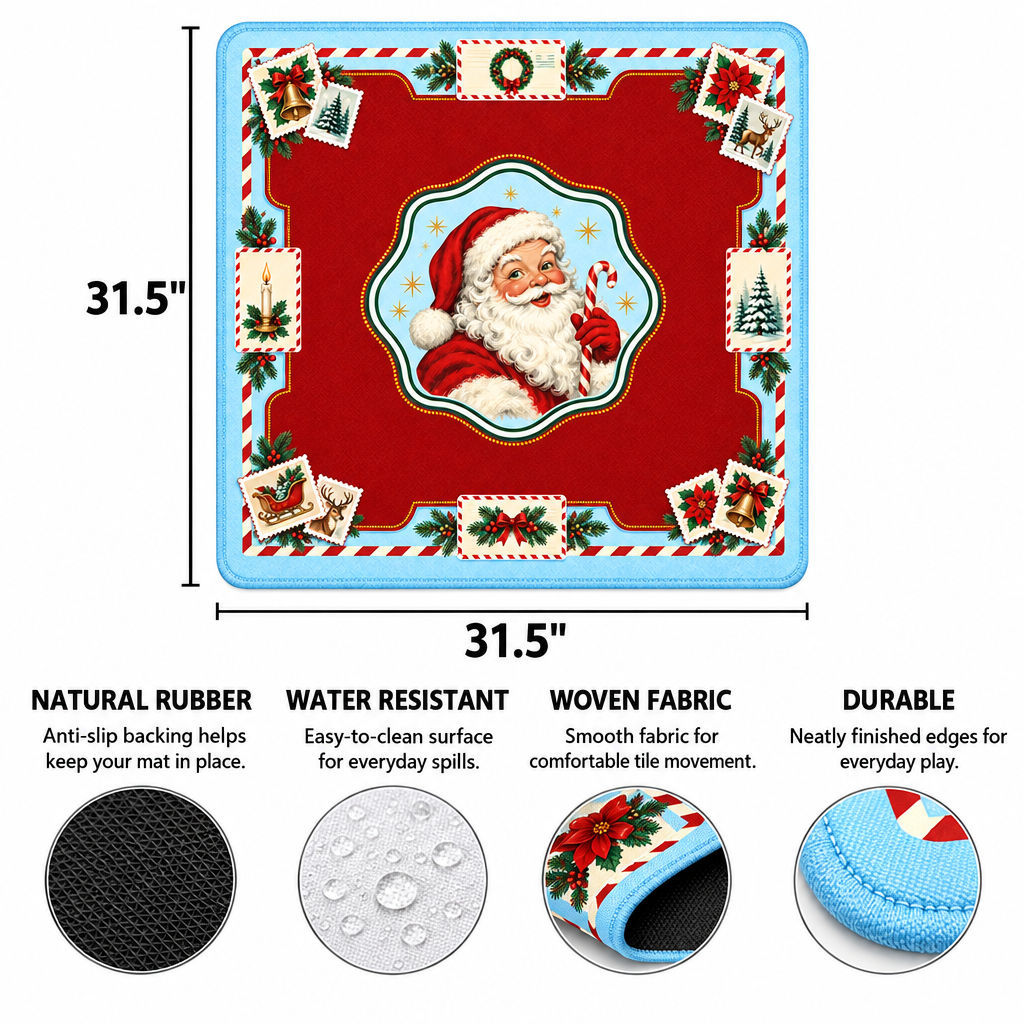
A chinoiserie mahjong mat features traditional East Asian artistic motifs—jade, calligraphy, dragons, or landscape scenes—printed or embroidered on felt or rubber-backed fabric. We carry mats in standard sizes (typically 27–36 inches square) designed for four players sitting around a table; they're sold as standalone pieces, not bundled with tile sets. Pricing varies by print method and size; see current prices on the product page. Chinoiserie designs appeal to players who want authentic cultural aesthetics without sacrificing playability. Key considerations: print durability (screen-print vs. embroidery), non-slip backing, and whether the layout shows player zones or hand pockets. A well-made chinoiserie mat lasts 3–5 years with weekly play if kept clean and stored flat.
What makes chinoiserie different from other mat designs?
Chinoiserie refers to Western and East Asian interpretations of classical Chinese, Japanese, and Vietnamese artistic traditions—jade carvings, plum blossoms, calligraphy, pagodas, and bird-and-branch motifs. On a mahjong mat, this translates to elegant visual framing around the playing surface. Unlike solid-color or geometric mats, chinoiserie designs add cultural depth and make your table a conversation piece. Many players choose it specifically because it honors the game's origins while upgrading their home setup. The aesthetic works equally well in traditional and contemporary spaces.
How do print methods affect chinoiserie mat longevity?
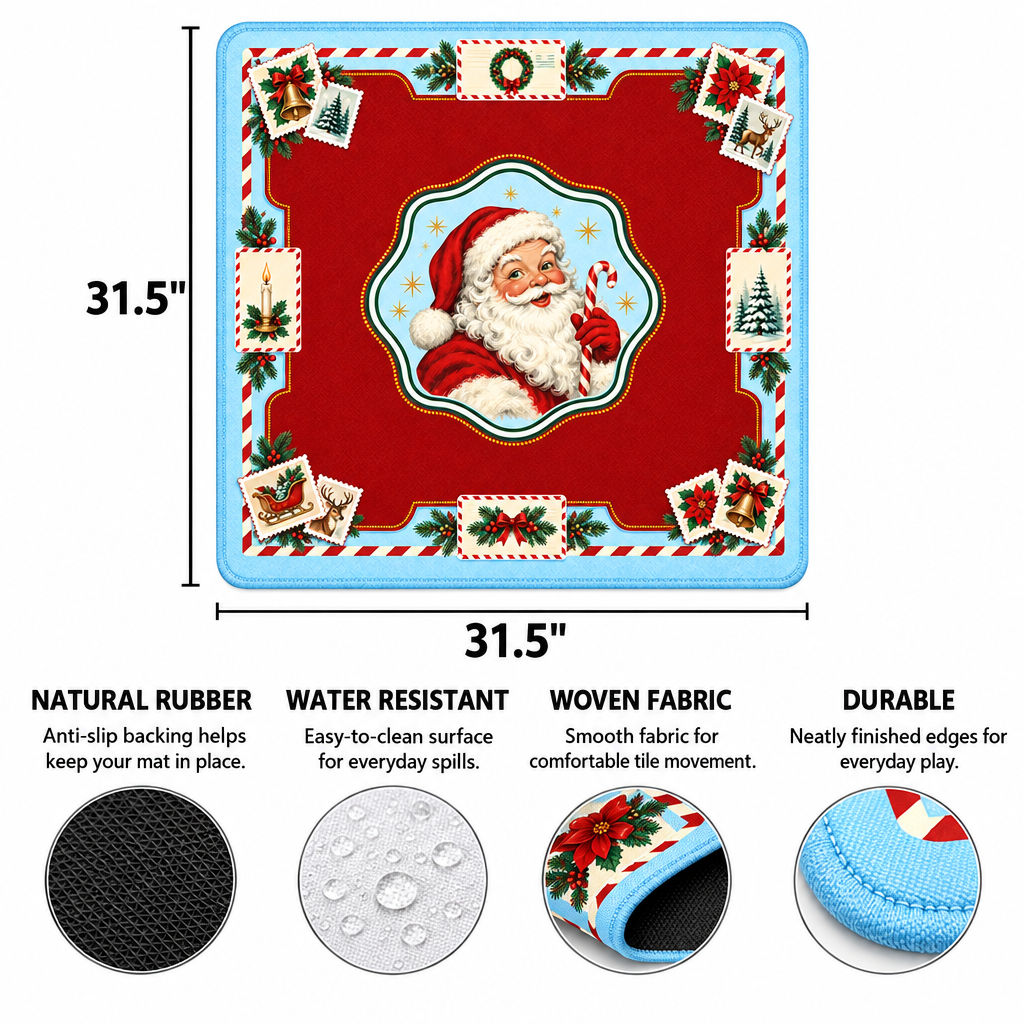
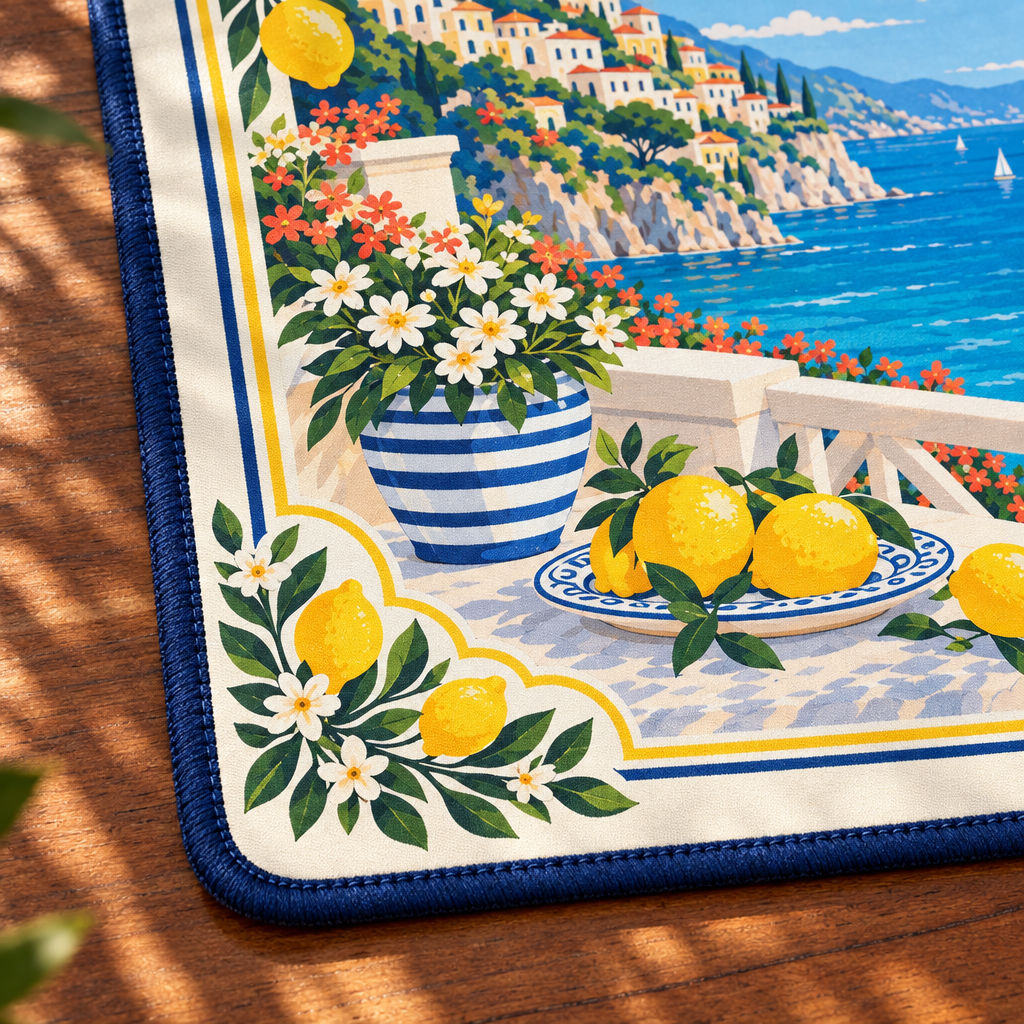
Screen printing applies ink directly to fabric in layers, creating sharp, vibrant images that hold up well to friction. Embroidery stitches a design into the material, offering texture and durability but higher production cost. Digital printing offers photorealistic detail but may fade faster under UV light or frequent wiping. We recommend asking about the finish before ordering: does the design feel smooth (printed) or raised (embroidered)? After 50+ weekly games, screen-printed mats show minor fading at high-traffic zones; embroidered mats typically outlast them. Store your mat rolled (never folded) in a dry space to prevent creasing and mildew.
✨ Find your Mahstead set — free US shipping →
What size chinoiserie mat fits your table?
Standard sizes are 27 inches (compact, fits 2–3 players), 31 inches (standard 4-player setup), and 36 inches (luxury, with extra breathing room). Measure your table's usable surface by subtracting 6 inches from each edge for player comfort. A 31-inch mat leaves 2–3 inches of table visible on all sides for drinks and the discard pile. Larger tables (48+ inches) benefit from 36-inch mats or custom-cut pieces. If you play weekly and want a mat that frames your tile display beautifully, 31 inches is the sweet spot; 27 inches works for occasional players or smaller tables. Check the product page measurements before ordering; our mats are cut to size and non-returnable once shipped.
Which chinoiserie designs work best for American mahjong?
Look for mats with clear, labeled player zones or hand pockets that show where East, South, West, and North sit. Traditional designs featuring the Four Treasures (brush, ink stone, paper, inkwell), scholarly motifs, or garden scenes work well. Avoid designs with central figure portraits or scenes—they distract during play and make it hard to see the board layout. The best chinoiserie mats balance beauty with functionality: the design frames the edges or corners without cluttering the center playing surface. Since American mahjong games use the current year's NMJL card, you need a clean center zone to manage your hand, exposures, and the wall.
🀄 Shop best-selling mahjong sets →
What should you check before buying a chinoiserie mat?
Factor | What to Check | Why It Matters |
Backing | Rubber or felt-backed? Non-slip coating? | Rubber grips tables; felt slides—test first. |
Size | Square? Rectangle? Seam placement? | Wrong size wastes table space or mat investment. |
Print/Stitch | Screen-print, embroidery, or digital? | Durability and fading vary; affects 3–5 year lifespan. |
Edges | Finished (bound) or raw? | Bound edges prevent fraying after washing. |
Layout | Labeled zones? Hand pockets? Center clear? | Functionality affects game flow and ease of play. |
Weight | Light (easy storage) vs. heavy (stays put)? | Light mats travel; heavy mats suit permanent tables. |
Care Instructions | Machine wash safe? Temperature limits? | Wrong care ruins chinoiserie detail; always hand-wash. |
Before checkout, confirm the mat's dimensions on the product page match your table, ask the seller about print durability (expected fade timeline), and verify the backing material resists slipping. If you have a 42–48-inch table, a 31-inch mat may feel cramped; size up to 36 inches. Our mats ship flat in protective packaging; unroll and air-dry for 24 hours before first use to remove any creasing from transit.
🎁 See our most-loved mahjong sets & accessories →
How does a chinoiserie mat pair with your tile set?
A best-selling acrylic American mahjong set with engraved tiles complements a chinoiserie mat beautifully—the translucency of acrylic lets light play across the traditional design beneath. Bone or bamboo tiles can feel too formal and may overshadow the mat's artistry. If you're building a cohesive game setup, consider pairing your mat with a matching set: for instance, a jade-motif mat works excellently with a green-and-white engraved set. Mats are modular, so you can update your tiles later without replacing the mat. Store both together in a travel bag or case to keep chinoiserie designs fresh and protect your investment during moves or storage.
Chinoiserie mats vs. solid-color and novelty mats: which is right for you?
Chinoiserie (traditional Asian art): Cultural authenticity, timeless appeal, works with any tile color, professional appearance. Solid-color (green, red, black): Clean, minimal distraction, easier to read tile contrast, budget-friendly, versatile. Novelty/themed (seasonal, humorous): Fun conversation starters, great for casual game nights, may date quickly or clash with decor.
Choose chinoiserie if you play seriously (weekly or more), want your mat to last years, and value cultural integrity. Pick solid-color if you prioritize gameplay clarity and affordability. Go novelty if your group loves humor and rotating themes. One player in our circle rotates between a chinoiserie garden mat and a solid burgundy mat—chinoiserie for "formal" games and visitors, solid for casual weeknight play.
What to check before you buy
✓ Table size: Measure edge-to-edge; confirm mat size leaves 2–3 inches visible on all sides. ✓ Backing type: Verify non-slip rubber or felt; test grip on a sample if possible. ✓ Print durability: Ask about expected fade timeline; screen-print typically outlasts digital. ✓ Playability: Ensure center zone is clear and hand pockets (if labeled) match American mahjong layout. ✓ Care: Confirm hand-wash only; machine washing can destroy chinoiserie detail. ✓ Shipping & storage: Mats ship flat; allow 24 hours to air-dry before first use.
Our mahjong mat collection showcases chinoiserie alongside other styles—visit to see current designs, sizes, and prices. Free shipping across the US makes it easy to upgrade your table today.
FAQ
Can I machine-wash a chinoiserie mahjong mat?
No. Screen-printed and embroidered designs fade or fray in washers. Hand-wash gently with cool water and mild soap; air-dry flat. Check care instructions on the product page before ordering.
What size chinoiserie mat fits a 48-inch dining table?
A 36-inch mat is ideal for a 48-inch table, leaving 6 inches of surface on each side for comfort and drinks. Measure your exact usable playing space first; if crowded, size up or use a custom mat.
Do chinoiserie mats work with non-American mahjong games (Chinese, Hong Kong, Riichi)?
Yes. The aesthetic is universal, but verify the mat's layout matches your game's setup. American mahjong needs clear center zones for hand visibility; some chinoiserie designs may have clutter you'll need to work around.
How long does a screen-printed chinoiserie mat last with weekly play?
Typically 3–5 years with proper care. High-friction zones (where tiles and hands rest) may show fading after 2–3 years; this is normal and doesn't affect playability.
Should I buy a chinoiserie mat or a table cover?
Mats are permanent, aesthetically focused pieces sized for your game table. Table covers protect furniture and are removable. If you play weekly and want beauty, choose a mat. If you rotate tables or need protection, a cover is more practical. Learn the differences between mats and covers for your situation.
Can I pair a chinoiserie mat with modern acrylic tile sets?
Absolutely. Acrylic tiles' translucency actually complements traditional designs—light plays through the tiles and reflects the mat beneath. This pairing is very popular in contemporary homes.
What's the best way to store a chinoiserie mat long-term?
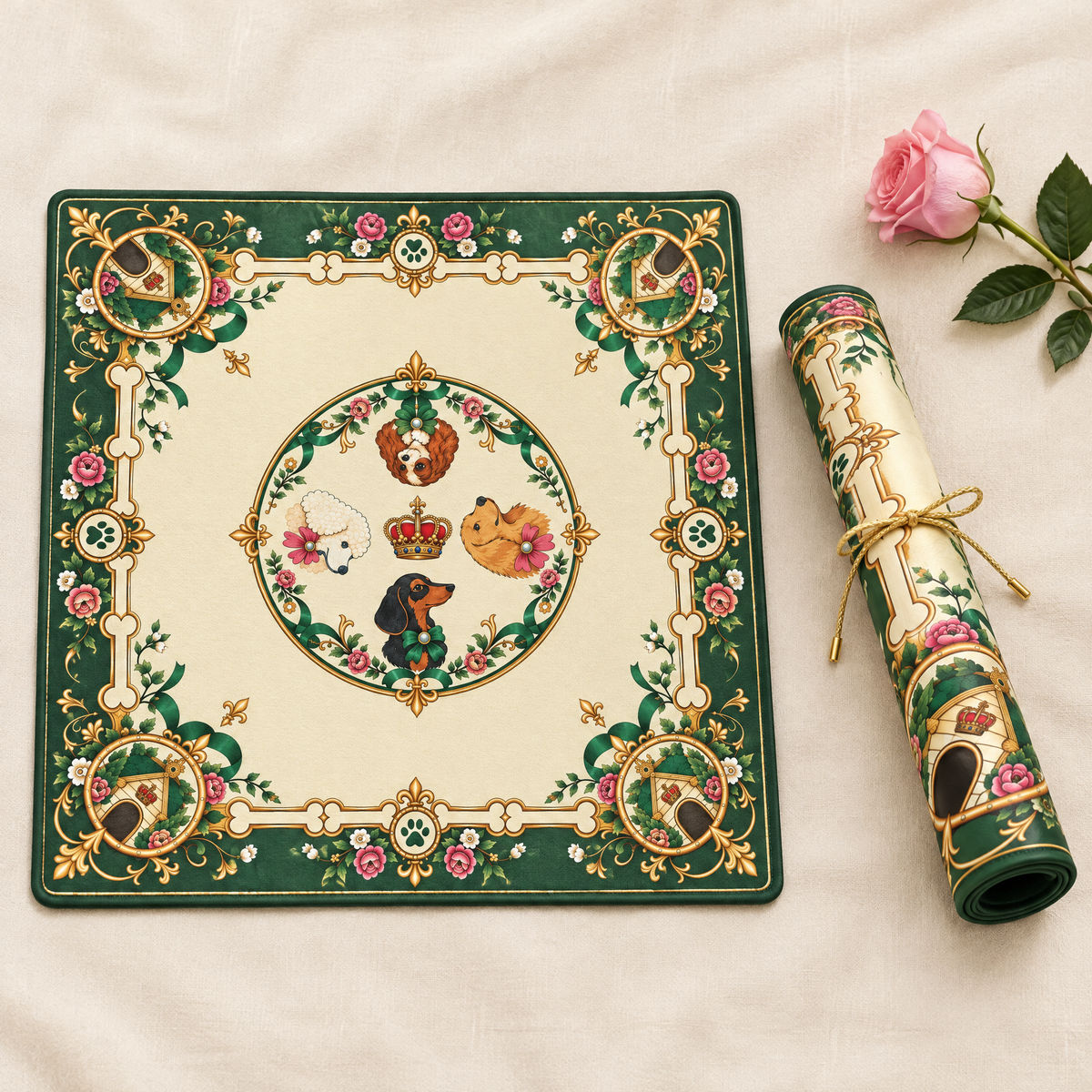
Roll it loosely (don't fold) in acid-free tissue or archival paper. Store in a cool, dry place away from direct sunlight. Keep it in a mahjong travel bag if you move it frequently or travel with your set.


View More
View More
View More
