
Why Empty Nesters Love Mahjong: A Second Act
Last updated: Nov 23, 2026
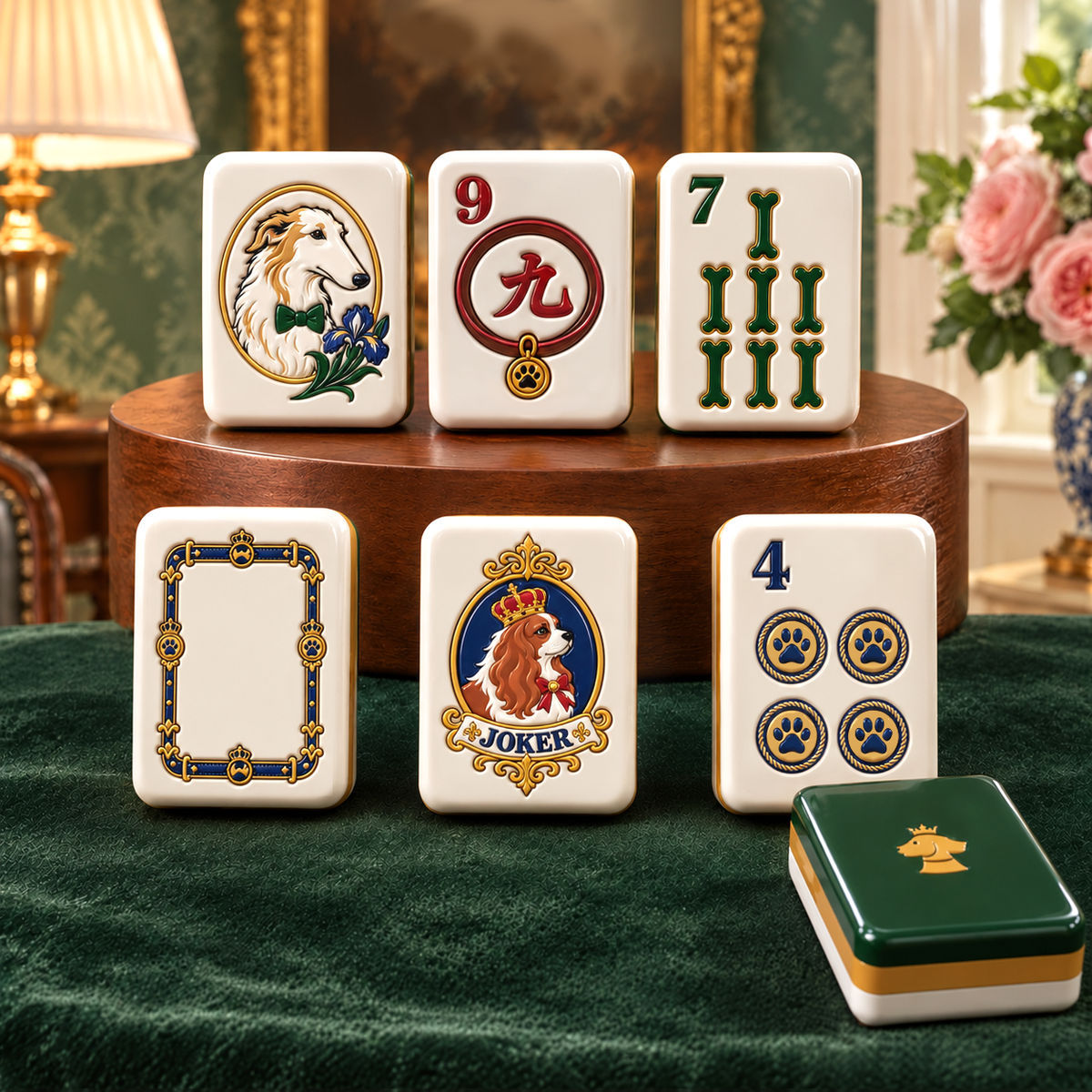
Empty nesters gravitate toward mahjong because it ticks every box for meaningful leisure: it's social without requiring constant travel, strategic enough to engage a sharp mind for life, and rooted in ritual and community. A standard American mahjong game lasts 1–2 hours with four players, uses 152 tiles, and follows hands from the National Mah Jongg League card issued each spring. You can start learning in a single afternoon and play competitively for decades. Unlike hobbies that fade, mahjong has sustained millions globally for over a century. The barriers to entry are low—you need only a 160-tile set from Mahstead, a mat, and a group willing to gather weekly. Cost basis is modest upfront; the real return is time carved out, friendships deepened, and a practice that grows richer with every hand you play. --- 🀄 Shop best-selling mahjong sets →
What makes mahjong ideal for this life stage?
Mahjong arrives at a moment when structure and autonomy both matter. Children have launched; careers may have entered a new phase or wound down. Empty nesters have energy, time, and a hunger for something theirs—not a grandchild's school event or a spouse's obligation. Mahjong offers sovereignty: you choose when to play, who joins your table, and how seriously you engage. It also demands presence. You cannot play mahjong half-minded while scrolling; the game pulls you in completely for those two hours. Players report that this forced focus—the counting, the strategy, the unfolding hand—becomes a form of meditation, a reset between weeks. The social architecture is also baked in: four players, one dealer, predictable roles, built-in chat and laughter. Many empty nesters say mahjong fills a role that work or parenting previously held: it gives them identity, a crew, and something to get better at.

How do friendships deepen around a mahjong table?
Mahjong friendship is different from brunch friendship. You sit across from the same people for two hours every week, eyes on the table, hands in motion, stakes clear (whether you play for money or not). This consistency—same table, same night, same people—builds what researchers call "ambient intimacy." You learn how your friend resets after a loss, celebrates a win, handles bad luck. You discover that the quiet one at book club is hilarious under pressure. You see pattern-recognition quirks, risk tolerance, how people manage disappointment. By month three, you've logged nearly 100 hours together in a structured, unambiguous context. Friendships forged at a mahjong table often outlast those built on activity alone because the game itself creates ongoing reasons to gather. When one player travels or faces hardship, the group notices—the empty chair has weight. Many long-standing mahjong groups become de facto support networks; hands shared during divorce, job loss, or health crises happen around the same table where you celebrated that incredible win.
Does skill level matter, or is it purely social?
Both. American mahjong has a learning curve steep enough to feel rewarding but forgiving enough that newcomers can hold their own within weeks. New players often underestimate how much the National Mah Jongg League card structures the game: you cannot invent hands, so creativity is channeled into recognizing which hand on the card matches your developing tiles. The skill that separates beginners from intermediate players is pattern recognition and memory—exactly the cognitive work that keeps a sharp mind sharp. A 65-year-old returning to academic-style challenge often finds mahjong irresistible precisely because it demands focus without requiring you to sit an exam. Competitive players—those who attend tournaments or play in leagues—track statistics and refine discards; social players enjoy the puzzle and the company. Crucially, you do not need to be an expert to be welcome. Most established groups have a no-ego policy: poor tiles happen to everyone, and the goal is everyone's long-term return. Skill diversity at the table actually improves play for stronger players because they must stay sharp, and it keeps newcomers from feeling hopeless. After 50 games, a new player is typically competitive; after 200 games, confident.
🎁 See our most-loved mahjong sets & accessories →
What's the practical setup for a weekly game?
A mahjong table needs four things: a 160-tile acrylic set, a mat to define the play area and muffle the clink of tiles, a rack with pushers for each player (optional but standard), and the current year's National Mah Jongg League card. Many groups also use dice to determine seating and first dealer; a pen or score sheet for tracking; and a timer if playing formally. The table itself can be any smooth surface—a dining table, a card table, even a dedicated mahjong table if budget allows. Players typically bring their own rack and pushers if they own them, or the host provides them. Setup takes 5 minutes: shuffle tiles, deal the wall, pass the Charleston, and play. Breakdown is equally quick. The biggest variable is whether your group plays with stakes (pennies, dollars, or no money at all). Money games are common among experienced players; social groups often play for fun only. Either way, the mechanical and social infrastructure is the same. What changes is whether anyone tracks individual year-end winnings—most don't. The weekly gathering is the real prize.

How to start your own group if one doesn't exist nearby?
First, identify potential players: neighbors, friends from community organizations, book clubs, or fitness classes. Next, find a host location with a table—someone's home is traditional, but some groups meet at community centers, country clubs, or libraries (call ahead to check availability and book a time). Then, commit to a schedule: same day each week, same time, for at least six weeks. Consistency matters more than frequency. Post on community bulletin boards, library websites, or local meetup platforms; a simple message works: "Starting a mahjong group, no experience necessary, Thursday 6–8 p.m., your home/location. Interested?" Once you have four committed players, order a 160-tile set and mat if nobody brings their own. Buy or print the current National Mah Jongg League card (usually available online starting March each spring). Spend your first meeting on basic rules—an afternoon of YouTube tutorials or a single guide like how to play American mahjong will orient everyone equally. Play three or four easy hands that first night; do not aim for perfection. The second week will feel radically smoother. By week four, most groups find a rhythm and develop inside jokes. The secret to a lasting group is not talent but reliability and permission to make mistakes together.
Starting setup need | What matters | Why |
Tiles + mat | Acrylic, 160-tile set; mat with clear play zones | Durability and quick setup week after week |
Racks & pushers | One per player, comfortable grip | Keeps hand hidden and tiles organized for hours of play |
Current card | Spring-issued League card | Hands must match the card; last year's card is illegal |
Dice | Two standard dice | Determine seating and first dealer fairly |
Space | 3–4 ft. clear table surface | Room for dealer's wall (14 tiles), each hand's area, discard area |
✨ Find your Mahstead set — free US shipping →
What to check before you buy your first set
Tile count & material: A 160-tile American set contains 152 tiles for play plus spare tiles. Acrylic tiles last decades, resist yellowing, and feel substantial in hand—plastic can chip or warp. Check that the manufacturer provides the full count you expect; counterfeit sets sometimes omit jokers or blank tiles.
Completeness: Your set must include Bams, Craks, Dots, winds (N/E/W/S), dragons (Red, Green, White), flowers, and jokers. Verify all four copies of each numbered tile exist before opening. A missing tile forces house-rules improvisation; preventable on arrival.
Mat fit: If you order a mahjong mat, measure your table and confirm the mat's dimensions. Too small and there is no discard area; too large and it will hang off the edge and shift.
Bag or case: If you plan to travel with your set (to a friend's home or a venue), decide upfront whether you need a bag or case. A simple drawstring bag protects tiles during transport; a hard case adds overkill protection if you take the set anywhere regularly.
Storage: Tiles settle quickly after each game into small spaces within racks or in the set box. Before your first game, practice shuffling and laying the wall so you understand the physical motion and any space constraints in your setup.
Why empty nesters often stay with mahjong for life
Unlike hobbies that peak and fade, mahjong tends to deepen over time. Beginners experience the thrill of their first win and the relief of finally reading the card confidently. Intermediate players enjoy the strategy layer and the friendly competition. Veteran players often move into hosting, teaching newcomers, or even attending regional tournaments. The game's structure—new League card every spring, perpetual chance to improve, infinite hand combinations—keeps it fresh. Many empty nesters report that mahjong became the centerpiece of their retirement or post-career identity. It gave them a community, a skill to practice, a reason to look forward to Thursday (or Tuesday, or Saturday). The economic model is also sound: one-time investment in a good set, then just the cost of snacks and hospitality if hosting. No subscriptions, no required upgrades, no endless gear consumption. The game is the same at 60 as it was at 30, just with players whose life experience makes the conversation richer.

FAQ
Do I need prior card game experience to play mahjong?
No. Many successful players come from non-gaming backgrounds. The rules are learnable in one afternoon, and the card does most of the thinking for you—you match tiles to printed hands rather than memorize combinations.
Can we play mahjong with fewer than four people?
American mahjong is designed for four players. Two- and three-player variants exist but require modified rules and a different tile set. For traditional American mahjong, four is essential.
Is it expensive to start a group?
No. A 160-tile acrylic set, mat, and dice total modest one-time cost. Racks and pushers can be borrowed initially. No monthly membership or software fee exists—mahjong is purely analog.
How long does a game of mahjong actually take?
A typical game (8 hands, meaning each of four players is dealer twice) runs 1.5–2 hours. A single hand averages 10–15 minutes once everyone knows the basics.
What's the difference between American and Chinese mahjong?
American mahjong uses a League card that dictates legal hands; it plays with 152 tiles and forbids sequences. Chinese mahjong allows chows (sequences), uses different hand definitions, and plays with 144 tiles. Both are excellent; American is easier for Western newcomers because the card removes memorization.
Can we play for money, or is it strictly for fun?
Both are common. Some groups play socially for entertainment; others track points or play with low stakes. The choice is yours and should be agreed before the first game. Most casual groups do not play for money.


View More
View More
View More
