
Why Does the Mahjong Card Change Every Year?
Last updated: Nov 23, 2026
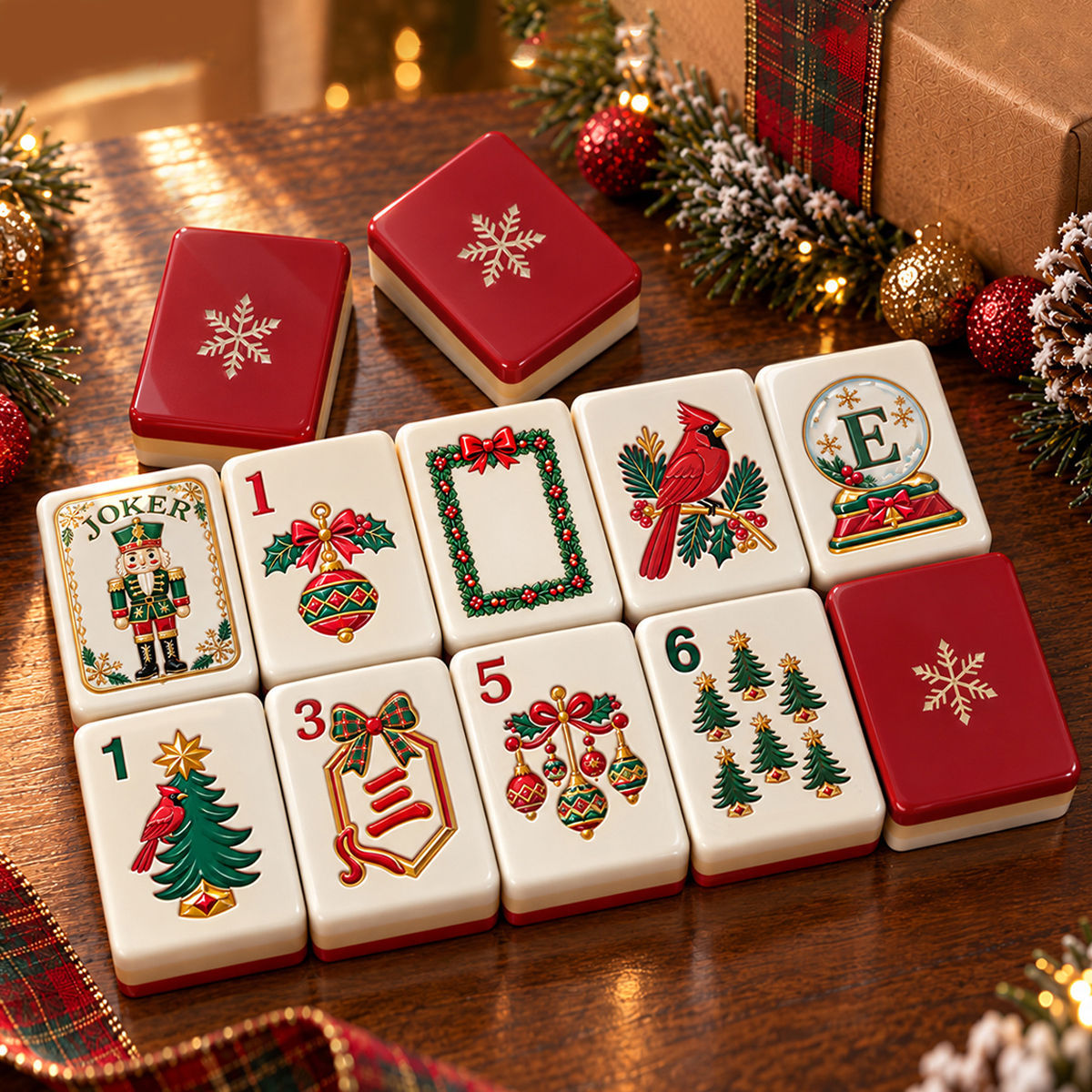
The National Mah Jongg League publishes a new card every spring, changing the hands you can win with. We explain why, how it works, and what you need to keep playing.
Who decides what hands appear on the card?
The National Mah Jongg League—a volunteer-run, nonprofit organization founded in 1937—maintains a committee that designs and publishes the card each year. Members propose new hands and retired hands; the committee balances difficulty, suit distribution, and player equity before final approval. The card has been printed annually since the 1950s, making it the only standardized, published ruleset for American mahjong. No other body or region overrides it; all legal American mahjong games (in clubs, tournaments, casinos, and home tables) use the current year's card. This centralized authority is what makes American mahjong consistent across Dallas, New York, Las Vegas, and everywhere else players gather.

Why retire old hands instead of just adding new ones?
If the League kept every hand ever published, the card would become unwieldy and memorization would favor players who had studied decades of patterns. By rotating hands out each year, the League keeps the game fresh, prevents the same sequences from dominating every game, and ensures newer players are not permanently disadvantaged by institutional knowledge. Retiring hands also prevents table disputes: a hand that looks valid (e.g., three Bams in a row) but is not on the current card causes arguments. A clean, annual swap sidesteps this confusion. The card is printed on paper or plastic and fits on the table; keeping it manageable size means hands must cycle. Roughly 100–150 hands appear on each year's card—a size balances playability with novelty.
How do you know which hands are legal in your game?
Before the Charleston begins, one player places the current year's card in the center of the table where all four players can see it. During play, if you believe you have won, you call Mahjong and the other players (or a scorekeeper) check your tiles against the card to verify the hand is listed. If your tiles match a printed hand, you win and score points. If your hand is not on the card, the win is void and play continues—a costly mistake. This is why every player must bring or have access to the current card; playing with last year's card is a serious breach. Many groups laminate or frame the card to protect it from spills and ensure legibility. Hosting weekly games means establishing this as a house rule: no card, no game.
What happens between card release and the first game?
Between April and September, players study the new card, learn patterns, and prepare for the season. Some groups host pre-season practice nights to familiarize everyone with the year's hands. By October 1 (when the season officially begins for scoring and tournament play), everyone at your table should have access to the card—either printed, digital, or laminated. In casual home games, there is no hard deadline; you can start playing the new card any time after the League publishes it. The card is released to the public immediately; the League does not embargo or delay. If you host weekly games, order or print the card in advance so no one arrives to an outdated or missing copy. This is a practical courtesy that prevents delays and keeps the game moving.
Does a new card mean you need a new tile set?
No—the tiles themselves do not change year to year. Your American mahjong set from five years ago has the same 152 tiles (Bams, Craks, Dots, winds, dragons, flowers, jokers) as a set purchased today. The card is separate; it is a printed schedule of winning combinations, not a physical object. However, many players choose to buy new sets each year as a tradition, a gift, or simply because a fresh set feels nice after seasons of play. If you host, having a backup set (or borrowing one) means you can accommodate drop-in players or replace a worn set without canceling. A 160-tile acrylic set with free US shipping is a practical investment if your current set has worn tiles or missing jokers—quality matters when reading tiles across the table.
Situation | Do You Need a New Set? | Why or Why Not |
New card released | No | Tiles are identical year to year; card is separate |
Tiles are cracked, faded, or chipped | Yes | Worn tiles cause misreads and slow play |
You host weekly games | Possibly | A backup set covers absences or player surges |
You play in a league or tournament | No | Leagues provide sets; you bring your card |
You want a themed or personalized set | Yes | Engraved sets add personality and make great gifts |
You inherited an old set | Maybe | Check for missing jokers or blanks; add a spare set if unsure |

What should you check before the season starts?
Before October 1, verify you have or can access the current year's card, confirm your tiles are legible and complete (152 tiles + 8 jokers), and test your understanding of how to read the card so you can quickly spot a match during play. If you host, set a house rule: each player brings a card copy or confirms you will provide one. Keep a backup card on hand (printed or laminated) in case one is forgotten. Test your tiles under the lighting in your playing space—acrylic tiles are clearer than bone in dim light, which matters if you play evenings. If your set is missing tiles, contact the seller or order a replacement; missing jokers or blanks slow the game and create frustration. A high-quality mat and clear racks also help players see the card and their tiles at once, reducing errors.
🀄 Shop best-selling mahjong sets →
Why does the League publish the card in spring, not winter?
The League publishes in March–April to allow players time to order cards, study hands, and prepare before the October season kick-off. Publishing in spring also gives the League time to collate feedback from the previous year's play, resolve disputes, and finalize the next year's design. Winter publication would compress this timeline and create pressure on regional distributors to print and ship millions of cards in a short window. Spring also symbolically marks a "new beginning" for the mahjong year, aligned with how many seasonal games (bridge leagues, golf tournaments, poker clubs) structure their calendars. The card is not proprietary; it costs little to print or download, so there is no scarcity or artificial hold-back.
How do you stay informed when the new card drops?
Visit the National Mah Jongg League's official website (search "National Mah Jongg League") to download or order the card. Many regional clubs, libraries, and community centers post the new card once it releases. If you join a local group or league, they will announce the release and likely provide copies. Some players subscribe to email alerts from the League or set a calendar reminder for March to check for the annual release. Digital versions are often free; printed cards cost a small amount. Hosting weekly games means being the point person: you can download the card first and share the PDF with your group so everyone is ready on day one. This small act of coordination ensures no one shows up unprepared.
🎁 See our most-loved mahjong sets & accessories →
What if you play a variant like Chinese or Riichi mahjong?
Chinese, Hong Kong, Taiwanese, and Riichi mahjong have their own rulesets and hand lists, which may update annually or remain static. Chinese mahjong is played without a published card (hands are memorized or referenced from a rulebook); Hong Kong and Taiwanese variants have regional standards but not a single "official" card released by a central body. Riichi mahjong uses a fixed hand list (yakuhai and yaku patterns) that rarely changes. American mahjong is unique in its card-based, annual-refresh model. If you play multiple variants, do not mix card systems: American mahjong is only played with the current year's League card. Bring the correct reference for whichever game is at your table. This clarity prevents costly mistakes and keeps games moving smoothly.
✨ Find your Mahstead set — free US shipping →

FAQ
Can I play American mahjong with last year's card?
No. Only the current year's card is legal. Hands from prior years are void, even if they appear identical. Use the official League card for the year you are playing.
Where do I buy or download the new card?
Visit the National Mah Jongg League's official website to order a printed copy or download a digital PDF. Many local clubs and community centers also stock printed cards.
Does a new card mean I need to replace my tile set?
No. Tiles do not change year to year. You use the same 152-tile set indefinitely. Only the card (the hand reference) is updated annually.
What happens if I call a hand that is not on the current card?
Your win is invalid. Play resumes and you do not score. Always check the card before calling Mahjong to avoid this mistake.
If I host weekly games, how many cards should I have on hand?
Keep at least one laminated or printed card at the table and a backup copy at home. For large groups, print or download multiple copies so every player can reference it.
Why do some groups print the card on plastic instead of paper?
Plastic cards are durable, resist spills, and last entire seasons without fading. Paper cards work fine but wear faster with frequent handling and marking.


View More
View More
View More
