
How to Repair a Mahjong Case: Fixes That Work
Last updated: Nov 23, 2026
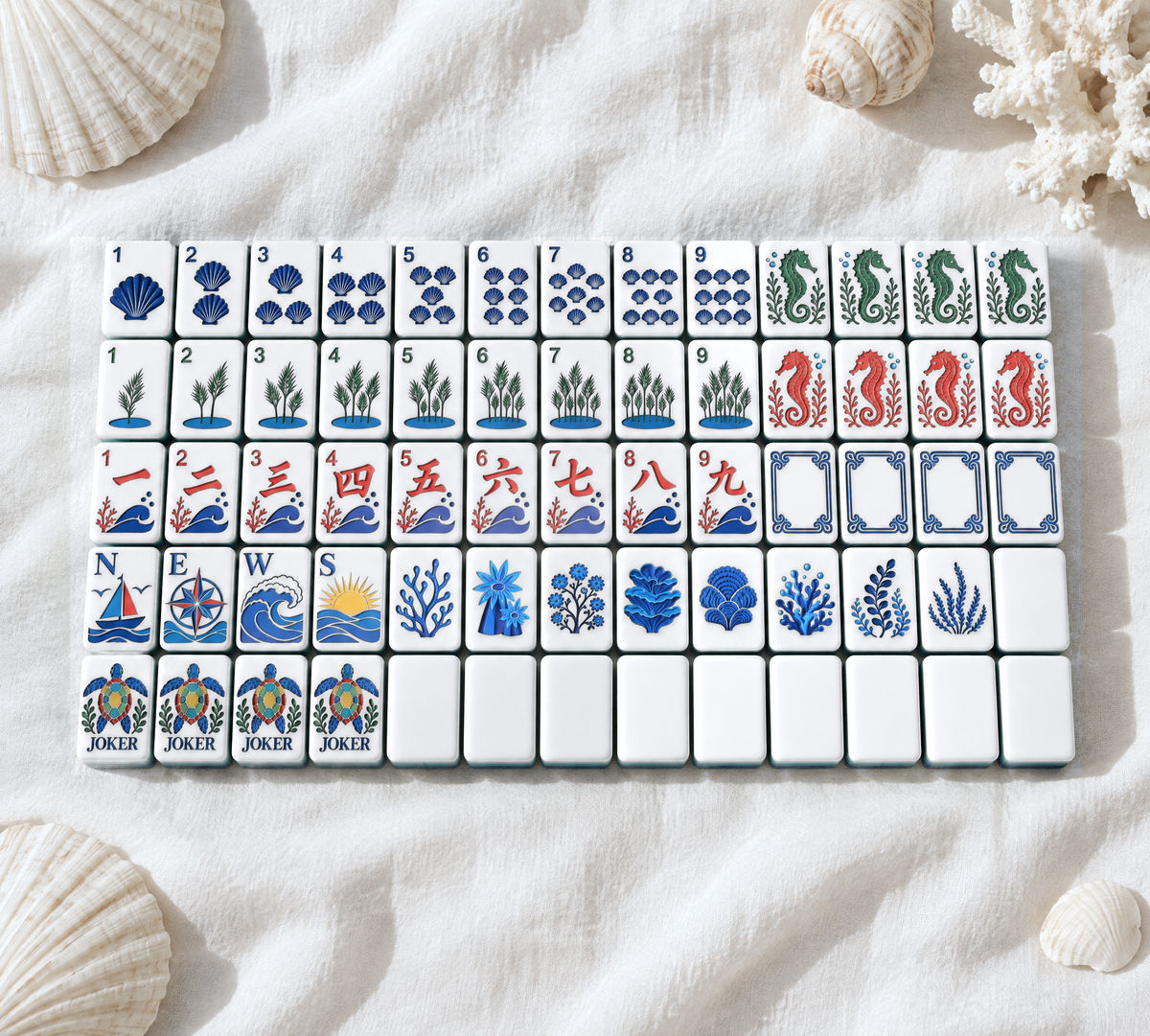
Most mahjong case damage falls into three categories: latches that won't close, cracked wood or acrylic panels, and worn hinge pins. Minor latch or hinge issues often respond to cleaning, lubrication, or a simple pin replacement you can do with basic tools in under an hour. Deeper cracks in acrylic or wood panels usually can't be sealed reliably—the stress points will re-open during travel. A new case costs less than a repair shop visit and comes ready to protect your tiles for years. We recommend inspecting your case quarterly: check latches for play, hinges for corrosion, and corners for stress cracks. Prevention—soft padding, dry storage, even weight distribution inside—stops most problems before they start.
What causes most mahjong case failures?
Mahjong cases fail in predictable ways because they live hard lives: weekly transport to games, stacking in closets, temperature swings from car to climate-controlled home. Latches break when players force them shut over-packed; acrylic cracks when the case is dropped on a corner; hinge pins corrode in humid basements. The good news: knowing the failure mode tells you how to fix it. Wooden cases warp with humidity and temp shifts; acrylic cases chip and crack from impact; fabric-sided bags (less common) tear at stress seams. Your case's material and age determine the repair strategy. Most damage is preventable through gentle handling and smart storage.

Can you repair a broken latch yourself?
Yes—if the latch mechanism itself isn't shattered. If the latch arm moves but won't catch, start by cleaning the latch channel and clasp with a soft brush and compressed air to remove dust and salt residue. Apply a tiny amount of silicone-based lubricant (not oil, which attracts dirt) to the pivot hinge and work it back and forth gently five times. Let it sit fifteen minutes and test. If the latch arm has cracked or the clasp hook is bent, you can often straighten a bent hook with pliers using steady, even pressure—stop frequently to test fit. Never pry or hammer. If the arm itself is broken cleanly, a replacement latch assembly (available from case manufacturers or online hardware suppliers) costs less than a restaurant meal and takes thirty minutes to install with a screwdriver and adjustable wrench. Before buying a replacement, photograph your latch and email the image to the case maker or a local upholsterer—they can often identify the exact part number.
🎁 See our most-loved mahjong sets & accessories →
Should you seal a cracked acrylic panel?
No. Acrylic is brittle and flexes under pressure; any sealant or epoxy will work for a few weeks, then crack again at the stress point when you lift the case or it experiences temperature change. Attempting a permanent seal usually costs more in materials and time than replacing the panel or the whole case. If the crack is small and purely cosmetic (not near a hinge or corner), acrylic cement can buy you a few weeks, but accept that it's temporary. For functional cracks (anything near a hinge, handle, or corner), the case has absorbed enough stress that other panels will likely fail next—a sign it's reached end of life. A new mahjong case with proper padding will outlast a "fixed" one by years and protect your tiles better during travel. Many players find that investing in a fresh case also motivates them to upgrade their mat or racks, refreshing their whole game setup at once.
How do you replace a worn hinge pin?
Hinge pins corrode, stiffen, or break after years of opening and closing. The fix is simple and usually free. Close the case gently and look at the hinge from the side; you'll see a small cylindrical pin running through the hinge barrel. Using a nail or drift pin slightly smaller in diameter than the hinge pin, tap it gently upward from below to push the pin out. Once the pin is halfway out, grip it with pliers and pull it straight up. Clean the hinge barrel with a dry cloth and a thin brush to remove corrosion dust. Measure the old pin's length and diameter and buy a replacement at a hardware store (stainless steel is better than steel—it won't rust). Tap the new pin down into the barrel until it's flush with the hinge. Test the hinge through a full open-close cycle. If it's stiff, apply one tiny drop of silicone lubricant to the joint and work it gently ten times. This repair takes five minutes and costs almost nothing.

What's the best preventive maintenance checklist?
Maintenance Task | Frequency | Time Needed | Prevents |
Wipe exterior and hinges with dry cloth | After each game | 1 min | Dust, salt, corrosion |
Inspect latches for play or cracking | Monthly | 2 min | Broken latch arm, unlatched case during transport |
Check for moisture inside case | Monthly | 1 min | Mold, warping, tile damage |
Lubricate hinges lightly | Quarterly | 3 min | Hinge pin corrosion, stiff opening |
Inspect corners and panel edges for cracks | Quarterly | 2 min | Stress crack growth, case failure |
Store in climate-controlled, dry space | Always | 0 min | Humidity damage, wood warping |
Keep case away from direct sunlight | Always | 0 min | Acrylic degradation, fading |
Performing these checks takes less than ten minutes per quarter and catches ninety percent of problems before they become expensive. Keep a small kit in your game bag: soft cloth, compressed air, silicone lubricant, and a small brush.
When is it time to buy a new case instead?
If your case has more than one visible crack, the hinges won't open smoothly after lubrication, the latches don't catch when fully closed, or the interior padding is compressed flat or separating, replacement is smarter than repair. A heavily damaged case puts your tiles at risk during transport—an impact that the case can't absorb gets transferred to your set. If the case is older than ten years and you use it weekly, a new one is an investment in both protection and peace of mind. Today's mahjong cases offer better padding, stronger latches, and hinges designed for decades of use. Many players pair a fresh case with a best-selling mahjong set upgrade; the two purchases feel less like maintenance and more like leveling up your whole setup.
What to check before you buy a replacement case
Look for cases with multi-layer or high-density foam padding—it compresses slowly and protects tiles better than thin felt. Check that latches are reinforced metal, not plastic; plastic fails faster under repeated use. Confirm the case fits 160 tiles comfortably without forcing (our sets include spare tiles and need room to settle). Make sure hinges are metal-on-metal or brass-bushed, not plastic pin-and-barrel. Test the handle for comfort if you'll carry the case regularly; a thin handle cuts into your hand over time. If you play in humid climates, prioritize cases with ventilation gaps or silica packets—moisture is the silent killer of both cases and tiles. Finally, if your current set is engraved or custom-designed, verify the case depth before ordering; some sets with custom tile packaging need a slightly larger case than standard.
✨ Find your Mahstead set — free US shipping →
Why does preventive care save money and stress?
A case that fails mid-game week or during transport forces you to play without proper tile protection, scramble to find a replacement, or cancel your game. The cost of a new case is small next to the cost of a lost or damaged tile set, the frustration of hosting without backup, or the social awkwardness of having to postpone players' week. Cases that receive regular maintenance last two to three times longer than neglected ones, based on what we see in our player community. Spending five minutes a quarter on inspection and lubrication is the cheapest insurance you can buy. Most of us discover this lesson only after a case suddenly fails during a trip; the players who stay ahead of it build habits that protect both their equipment and their game nights.
🀄 Shop best-selling mahjong sets →

FAQ
Can I repair a latch that won't stay closed during a game?
Clean the latch channel and hinge pin with a brush and compressed air first. Lubricate the pivot with silicone and test. If the arm is bent, straighten it gently with pliers. If it's cracked, a replacement latch arm usually fixes it for under the cost of a meal.
Is epoxy or acrylic cement a permanent fix for a cracked panel?
No. Acrylic flexes under pressure, so any sealant will crack again within weeks. For small cosmetic cracks, cement buys time. For functional cracks (near hinges or corners), the case is nearing end of life; replacement is better than repair.
How often should I inspect my mahjong case for damage?
Check it monthly for simple issues (latch play, moisture, dust) and quarterly for deeper damage (panel cracks, hinge stiffness, corrosion). A quick visual sweep takes two minutes and catches problems early.
What's the best lubricant for mahjong case hinges?
Use silicone-based lubricant, not oil. Oil attracts dirt and gunks up hinges. Apply sparingly—one or two drops per hinge—and work it gently. Wipe off excess.
Should I store my mahjong case in a closet or on a shelf?
Store it in a climate-controlled, dry space away from direct sunlight. Humidity and temperature swings warp wood and degrade acrylic. A closet shelf is ideal; avoid basements and attics where moisture and heat fluctuate.
Can I repair a case hinge pin myself?
Yes. Use a nail or drift pin to tap the old pin upward and out, clean the barrel, measure the pin, buy a replacement at a hardware store, and tap it back in. The repair takes five minutes and costs almost nothing.
What size case do I need for a standard American mahjong set?
A case for 160 tiles (our standard set size) should have interior dimensions of at least twelve by six by four inches, with padding thick enough to keep tiles from sliding. Always check depth before ordering.
How do I know when it's time to replace a case instead of repair it?
Replace it if there are multiple cracks, hinges won't open smoothly after lubrication, latches don't catch when closed, interior padding is flat or separating, or the case is over ten years old and used weekly.


View More
View More
View More
