
Where to Play Mahjong in Washington DC: Games, Clubs & Hosting
Last updated: Nov 23, 2026
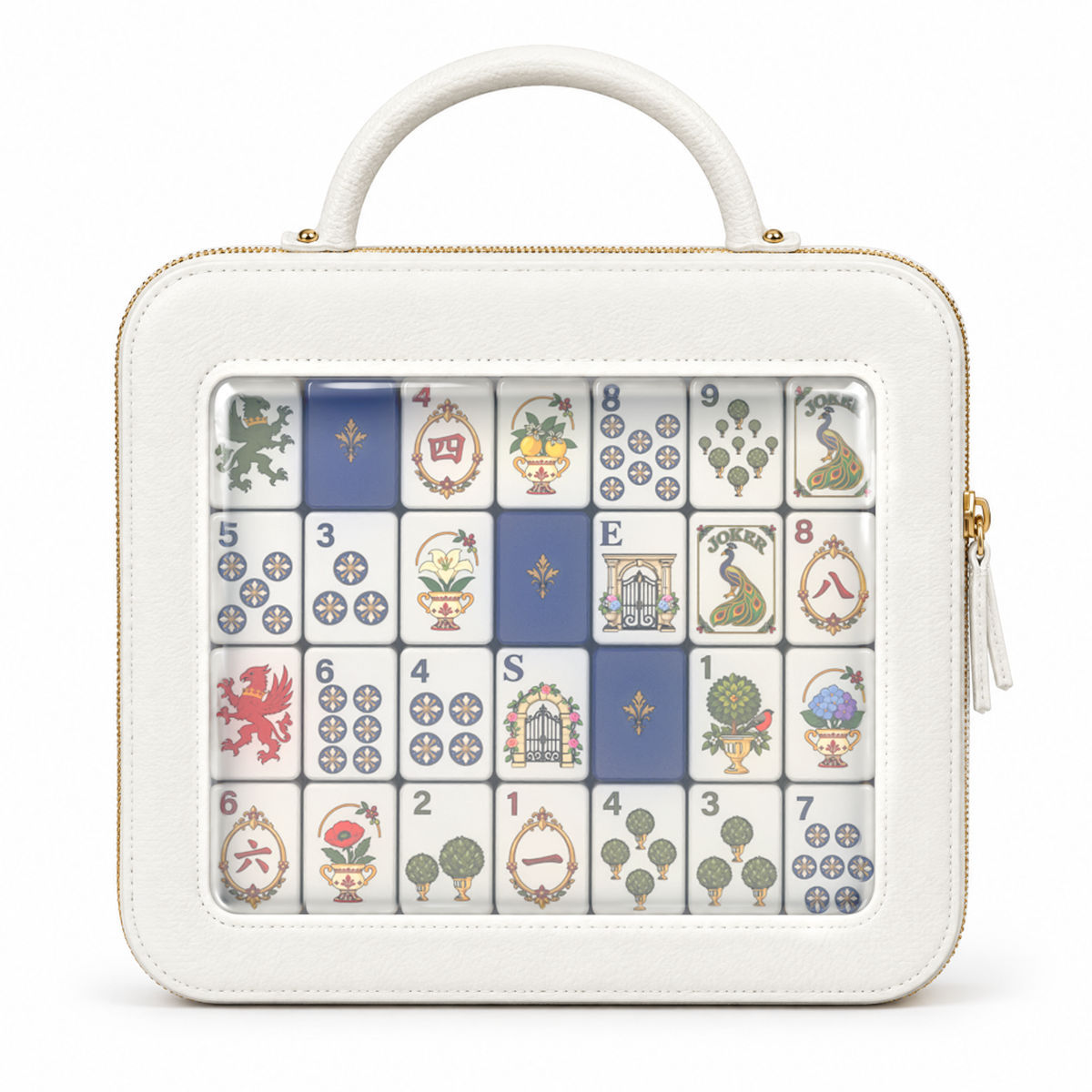
Washington DC offers mahjong through community centers (check District recreation departments and neighborhood centers), public libraries (ask about game programs or bulletin boards), synagogues and Jewish community centers (many host regular American mahjong nights), country clubs and senior centers, and online meetup boards and local Facebook groups. Most weekly games meet evenings or weekends; some charge a small table fee or snack fee. To join, show up with basic knowledge of American mahjong rules (familiarity with the National Mah Jongg League card helps), or ask hosts if beginners are welcome and if they'll teach. Bring your own best-selling mahjong set or ask if the host provides tiles. If you can't find a game, hosting one at home is simple: you need a set, four players, a mat (optional but helpful), and the current year's card—Mahstead acrylic sets are durable and ship free across the US.
Washington DC has a thriving mahjong community across community centers, public libraries, synagogues and Jewish community centers, country clubs and senior centers, and online meetup boards and local Facebook groups. Most weekly games meet evenings or weekends; some charge a small table fee or snack fee. To join, show up with basic knowledge of American mahjong rules (familiarity with the National Mah Jongg League card helps), or ask hosts if beginners are welcome and if they'll teach. Bring your own best-selling mahjong set or ask if the host provides tiles. If you can't find a game, hosting one at home is simple: you need a set, four players, a mat (optional but helpful), and the current year's card—Mahstead acrylic sets are durable and ship free across the US.
Where do DC players gather each week?
Community centers and recreation departments are your first stop. The District's Department of Parks and Recreation runs neighborhood centers across all eight wards; many offer game nights or list mahjong groups on their bulletin boards. Call ahead or check their website for current offerings. Public libraries (particularly the Martin Luther King Jr. Library and branch locations) often host game groups or have flyers from local players. Synagogues and Jewish community centers are traditional hubs—ask your local congregation or visit their events calendar. Country clubs and senior centers sometimes host members' games; check membership policies. Online meetup boards (Meetup.com, local DC Facebook groups, and Nextdoor) are where most casual players post weekly games. Arrive early to one of these venues and introduce yourself; DC players are generally welcoming to learners who ask questions and respect the pace.

What's the difference between joining a drop-in game and a regular club?
Drop-in games meet weekly at a fixed location (community center, library, someone's home), you show up on game night, pay any table fee, and play with whoever appears—typically 10–20 regulars rotating in and out. You don't need to commit or sign up; just know the day and time. Regular clubs often have a roster, may require membership or a seasonal fee, and have more consistent players and rules. Drop-in games are best for learning; clubs suit experienced players who want continuity. Ask the host which model they run. Most DC groups are drop-in, which is why new players find them easy to enter. Neither requires advance booking—just show up or text a group admin if one exists. Bring cash for any fee and tile knowledge at the level of the National Mah Jongg League card basics.
🀄 Shop best-selling mahjong sets →
What should you bring to your first game?
Every player needs to carry or contribute one or more of: (1) yourself and your willingness to listen, (2) cash for any table or snack fee (usually modest; ask when you arrive), (3) the current year's National Mah Jongg League card if you're playing American rules (hosts usually have spares), (4) your own mahjong set if you're a regular, and (5) a pen to score. Do not bring a set unless asked—hosts typically provide tiles for drop-in players. If you attend regularly and want to own a set, a 160-tile acrylic set from our best-selling collection will last through years of play and fits in a bag. Bring a notebook to jot down new hand patterns; DC veterans are patient with questions. If you're unsure of rules, say so before the first hand—most groups welcome beginner questions between rounds, not during play.
How do you host your own weekly game at home?
Step 1: Find four committed players. Ask friends, post on a DC meetup board, or invite neighbors. Confirm they know American mahjong basics or are willing to learn together. Step 2: Pick a time and place. Choose an evening (Tuesday–Thursday work well for work-day schedules) or Sunday afternoon in a quiet room with a table that fits four people and a discard wall. Step 3: Get a set and a mat. A 160-tile acrylic set with an engraved title or custom design adds personality; a mahjong mat keeps tiles organized and quiet. Both ship free across the US. Step 4: Print or buy the current year's National Mah Jongg League card. Every spring the League releases a new card; use only the current year's version. Step 5: Learn the flow: Charleston (tile pass), deal, draw, discard, call, meld, win. Spend the first night learning the Charleston; it's a ritual but speeds play once mastered. Step 6: Keep score with a simple sheet or app. Most home groups track wins and scores informally; pick a method and stick with it. Host every two weeks or monthly to start; commit to a regular day so players plan around it.

What's the easiest way to learn if you're new?
Join a drop-in group first, not a club. Ask the host or a veteran player to sit with you for the first hand and walk you through: (1) how the Charleston works (tile passing before the game starts), (2) how to read the current year's card, (3) when you can call a hand and what "call" means, and (4) how melds and jokers fit into winning combinations. Learn how the Charleston works and how jokers function in American rules before your first game; these two concepts unlock 80% of the game. Watch two rounds before playing your first hand. Ask to sit out a round if you're confused; no rush. Most DC groups have played together for years and enjoy teaching newcomers. Read the beginner's guide to American mahjong the night before you go; it covers rules, tile names, and what a hand looks like. Bring a pen and write down one winning hand pattern after your first night—you'll recognize it next week.
🎁 See our most-loved mahjong sets & accessories →
What equipment do you need to host a regular game?
Item | Why | Optional? | Note |
160-tile American set | Tiles for play + spares | No | Essential. Acrylic lasts years; buy once. |
Current year's card | Hand reference; League standard | No | Printed or physical card; required every game. |
Mahjong mat | Organizes tiles; reduces noise; eases setup | Yes | Makes setup faster and play quieter. Invaluable for weekly hosts. |
Racks with pushers | Holds tiles; eases one-handed play | Yes | Helps newer players or those with dexterity needs; not required. |
Travel bag or case | Protects set; easy storage | Yes | If you move your set between venues. |
Pen and score sheet | Tracks wins | No | Can be paper or digital. |
Snacks and drinks | Builds loyalty | Yes | Optional but appreciated. |
Host with just a set and card. Add a mat and racks as your group grows and commits.
Common hosting mistakes (and how to avoid them)
Mistake 1: Starting before everyone knows the Charleston. The first game takes 15–20 minutes longer because people are learning. Expect this. Walk through the Charleston step-by-step once, then play it twice slowly before the real game. Mistake 2: Using an outdated card. The National Mah Jongg League card changes every spring. Using last year's card invalidates hands. Confirm you have the current year's card. Mistake 3: Not communicating the table fee or snack plan upfront. Tell players via text or in person whether you're splitting costs or going snack-free. Mistake 4: Skipping rule clarity before play. Ask your group: Are we playing with American rules only? Does a pung count as a call or does it auto-meld? Are we using standard scoring? Agree once, then follow it every week. Mistake 5: Letting the game run past 11 PM on a weekday. Set a firm end time (e.g., "last hand at 10 PM") so players know when to leave. Mistake 6: Not having spare tiles or jokers. Tiles crack or go missing over months. Our 160-tile sets include spares; keep them in a drawer.
✨ Find your Mahstead set — free US shipping →
What to check before you buy a set
If you decide to host and need your first set, confirm: (1) American vs. other rules? American sets have 152 playing tiles + 8 jokers; sets for Chinese, Hong Kong, or Riichi mahjong differ. Buy American-specific. (2) Storage space. A 160-tile set in a bag takes up as much room as a shoebox. (3) Durability vs. aesthetic. Acrylic sets survive drinks, drops, and years of weekly play. Bone or bamboo tile sets are beautiful but fragile. (4) Your budget. Our sets range across styles and designs; see current price on the product page for the design you prefer. (5) Free shipping? We ship free across the US; no hidden fees. (6) Tile size and weight. Acrylic tiles are light enough to handle easily and heavy enough to feel like real mahjong. Ask or read product details before buying. Order a set well before your first game so it arrives and you can inspect tiles for cracks.

FAQ
Is there a major mahjong club or league in Washington DC?
DC has no single league but many independent weekly groups. The National Mah Jongg League (national organization) publishes the card; DC players follow NMJL rules. Search online meetup boards, local Facebook groups, and synagogue bulletins for groups. Community centers and libraries are your starting points.
Can I learn American mahjong if I've played Chinese mahjong before?
Yes, but unlearn the rules first. American mahjong has no sequences (chows), always uses the current year's card, and plays with exactly 152 tiles. Chinese mahjong has sequences and different winning patterns. Start fresh with American rules; your prior mahjong sense helps, but the rules are distinct.
How much does it cost to join a DC mahjong group?
Drop-in games often charge a small table fee per night or ask for a snack contribution. Some groups are free. Ask the host when you arrive or before you commit. Prices vary by venue and group; there's no standard.
What if I want to start a mahjong group but don't know anyone who plays?
Post on Meetup.com, Nextdoor, or a local DC Facebook group: "Looking for four players for weekly American mahjong game, beginners welcome." You'll find experienced players and newcomers quickly. Host in your home or a rented community room. Buy one set to start (ours ship free), and other players often bring their own after a few weeks.
Do I need my own mahjong set to join a game?
Not for your first few games. Most hosts have a set and welcome new players who don't yet own one. Once you play regularly, owning a set (kept at home or in a travel bag) saves setup time and shows commitment. Our acrylic sets are built to last and affordable.
How do I find the current year's National Mah Jongg League card?
The NMJL releases a new card every spring. Ask your local host for a spare, or purchase one directly from the NMJL website. Print or laminate a copy so it survives spills. Never use an older card; hands on the new card won't match.


View More
View More
View More
