
Mahjong Lessons in Seattle: Where to Learn & How to Start
Last updated: Nov 23, 2026
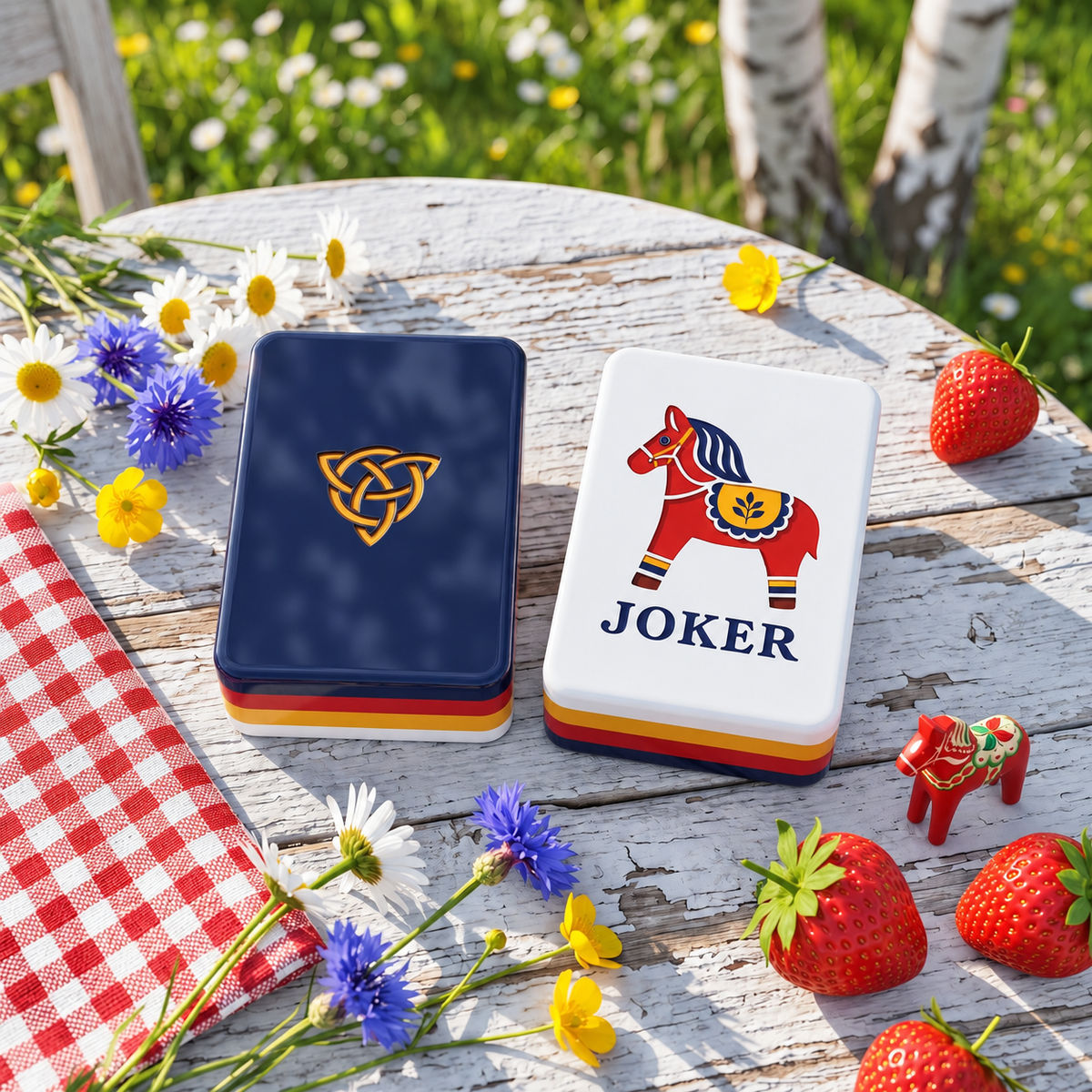
Seattle's mahjong lessons are offered year-round at community centers, public libraries, and through informal neighborhood groups—search your city's Parks & Recreation website, call local libraries, and check community boards at synagogues and country clubs. Most beginner classes run 6–8 weeks and teach American mahjong rules, the Charleston (tile exchange), how to read the seasonal hand card, and basic scoring. Costs vary by venue; many libraries offer free drop-in sessions while private instructors charge hourly rates. Before enrolling, confirm the class uses American rules (152 tiles, no sequences, jokers as wild), ask if they provide equipment or require you to bring your own set, and check whether they follow the current National Mah Jongg League card. Mahstead's best-selling mahjong sets are a solid choice if you need to purchase tiles for home practice between lessons.
Where do Seattle players actually find lessons?
Check three places first: your city or county Parks & Recreation department (most offer beginner classes in community centers during fall and winter), your public library system (many libraries host weekly drop-in groups or advertise local instructors on their bulletin boards), and Meetup or local community apps. Libraries often post flyers for mahjong clubs that welcome newcomers; synagogues and country clubs sometimes offer members-only or open classes. Call ahead to ask whether instructors teach American or a different variant, because the rules, tile count, and hand structure differ significantly from Chinese or Hong Kong mahjong.

What's the difference between a group lesson and private instruction?
Group lessons (4–8 players) typically meet weekly for 6–10 weeks, cost less per person, and build a social foundation—you learn alongside others at your pace and often continue playing together after the class ends. Private instruction (one teacher, one or two students) moves faster, adapts to your learning speed, and lets you ask detailed questions on the spot, but costs more per hour. Group lessons teach patience and real table dynamics; private lessons compress fundamentals. Most Seattle groups start with the Charleston, basic hand patterns, and tile-calling rules. If you're joining an existing group, ask if they use the National Mah Jongg League card (the official seasonal reference that changes every spring) and whether they play strictly to American rules—no sequences, no chows, only pungs (sets of three identical tiles), kongs (sets of four), and limited exposures that follow the hand card.
What's in an American mahjong set you'll need for lessons?
American mahjong sets contain 152 playing tiles: three suits (Bams, Craks, Dots numbered 1–9, four copies each), 16 winds (four each: North, East, West, South), 12 dragons (four Red, four Green, four White), eight flowers, and eight jokers. You'll also want a mahjong mat to organize your hand clearly, a rack or pushers to hold tiles upright (especially useful at a crowded table), and the current year's National Mah Jongg League card—your instructor will have the card or tell you where to get it. For lessons, the instructor usually provides a set; ask whether you should bring your own for home study. If you decide to buy, acrylic tiles are durable, easier to shuffle than bamboo, and affordable for daily play. Many Seattle players purchase a set they like after their first few weeks so they can host games at home and keep learning between classes.
🀄 Shop best-selling mahjong sets →
How do you prepare for your first lesson?
Arrive with an open mind and no expectation that you'll remember everything in week one—mahjong's learning curve is real, and every player forgets a hand or calls the wrong tile at the start. Bring a notebook if you like jotting down hand patterns or scoring notes. Wear comfortable clothes; a typical game lasts 1–2 hours and involves reaching, leaning, and concentrating. Most classes provide tiles and mats, but confirm by email before you show up. Familiarize yourself with suit names (Bam, Crak, Dot) and tile positions if you have time—reading a mat layout before day one cuts down on confusion. Don't stress about "getting good" immediately; American mahjong has hundreds of legal hands, and even experienced players need to reference the card during play. Your instructor will slow down and repeat as needed.
Should you host games at home after lessons?
Yes—hosting reinforces what you learned and lets friends join at their own pace. After your first 4–6 weeks of lessons, you'll have a solid grasp of the Charleston, basic call rules, and how to read the hand card; hosting a game at that point cements the skills. Start with other beginners or intermediate players who won't rush you through tiles or scoring. You'll need a mahjong mat (so everyone can see the layout clearly), racks or pushers (a quality rack keeps tiles organized and prevents accidents), and a set of your own. Our guide to American mahjong walks through calling, exposing melds, and winning hand verification—print it or bookmark it so you can reference it quickly during games.
🎁 See our most-loved mahjong sets & accessories →

Key differences: American mahjong rules vs. other variants
If your Seattle class teaches American mahjong (the most common in the U.S.), know that you cannot form or call sequences (called "chows" in Chinese mahjong)—American hands consist only of pungs (three identical tiles), kongs (four), quints (five), and sextets (six). Jokers are wild and appear in many hands, but you can never use a joker alone or as part of a pair. Every legal hand comes from the National Mah Jongg League card, which is issued once a year in spring and is the official reference for play. If your instructor teaches Chinese, Hong Kong, or Riichi mahjong instead, sequences are allowed, hand patterns differ, and scoring systems are entirely different. Always confirm which variant your Seattle class uses before enrolling, because the fundamentals don't transfer cleanly between them. American mahjong is slower, more social, and requires constant reference to the card; it's ideal for players who enjoy puzzle-like pattern matching and a relaxed pace.
Variant | Sequences allowed? | Tile count | Jokers role | Hand reference |
American | No | 152 | Wild in melds | League card (yearly) |
Chinese | Yes | 136–144 | Rare or none | Memorized patterns |
Hong Kong | Yes | 144 | Rare or none | Player knowledge |
Riichi (Japanese) | Yes | 136 | None | Point system |
American mahjong's no-sequence rule makes each game feel like a puzzle: you're hunting for the exact combination on the card, not improvising with runs. This appeals to players who love structure; it also means every player has an equal shot at winning, since the card levels the field.
What to check before you buy a set for home practice
If you're investing in a set after your first lessons, ensure it's a full 152-tile American set (three suits with numbers 1–9, winds, dragons, flowers, and jokers). Some sets sold online are incomplete or designed for Chinese mahjong (different tile counts, missing the birds on 1 Bams, different markings). Confirm the tiles are clearly marked—acrylic tiles with deep engravings are easier to read under poor lighting and less likely to wear smooth after months of shuffling. Check whether the set comes in a quality travel bag or case if you plan to take it to friends' homes or classes; loose tiles rattle and scatter. Read the description carefully to verify the tile count matches American rules. A 160-tile set includes 152 playing tiles plus spares, which is standard and protective—if a tile cracks or gets lost, you have backups. Avoid buying purely on price; a cheap set often has unclear markings, weak tile faces, or missing pieces, which will frustrate you during games.
✨ Find your Mahstead set — free US shipping →
How the National Mah Jongg League card shapes every game
The seasonal hand card (new every spring) lists all legal winning hands for that year—it's a laminated reference that sits on the table during play. Each hand shows a pattern of tile combinations: for example, "two pungs of Bams, one pung of Dots, one pung of Dragons, and a pair of Flowers." You cannot win unless your tiles match a hand on the card. The card also shows which hands use jokers and which don't. Learning to read the card is one of your first tasks in any Seattle class. It looks intimidating at first (hundreds of tiny patterns printed on both sides), but within a few weeks you'll scan it quickly without panic. Many instructors print cards for students or direct you to buy one from the National Mah Jongg League website. Understanding the card also helps you spot your winning combination faster during play and makes hosting home games easier—everyone trusts the card as the final authority. This is why American mahjong feels like a team sport: the card is public, neutral, and the same for all four players.
Common beginner mistakes and how lessons address them
New players often forget that jokers cannot be used as a single tile or a pair (they're wild only in exposed melds of three or more). Lessons drill this rule repeatedly because it trips up newcomers. Another frequent error is calling a tile when you're not actually ready to win or exposing a meld incorrectly; instructors teach you to wait until you're certain and to double-check the card before declaring a win. Beginners also struggle with the Charleston at first—the three-pass tile exchange that happens before the first hand—but by week two it becomes automatic. Most classes set aside practice rounds so mistakes don't cost anything; this low-pressure environment builds confidence. After a few weeks, you'll catch yourself before breaking a rule, and the muscle memory of correct play takes over. Understanding jokers in American mahjong is crucial; our guide covers the rules in detail so you can review at home.
FAQ
Do all Seattle mahjong lessons teach American mahjong?
Not necessarily. Check with your instructor or venue first—most U.S. classes teach American mahjong, but some may teach Chinese or Hong Kong variants. Ask about the tile count (152 for American), whether sequences are allowed (they're not in American), and whether they use the National Mah Jongg League card.
How much do mahjong lessons cost in Seattle?
Public library drop-in groups are often free; community center classes typically range from modest to moderate costs per session (call your Parks & Rec department for exact fees). Private instructors charge hourly rates; ask for quotes when you contact them.
Can I join a lesson if I've never played before?
Yes—beginner classes are designed for people with zero experience. Instructors teach the rules, tile names, the Charleston, and basic hand patterns from the start. You'll be among others learning at the same pace.
Should I buy my own set before my first lesson?
No. Most classes provide sets for students. After a few weeks, if you're hooked, buy one for home practice. Your instructor can advise you on what to look for.
What's the difference between the National Mah Jongg League card and other mahjong references?
The League card is the official American mahjong reference, updated yearly, and lists every legal winning hand for that year. It's the standard in the U.S.; games played without it or with outdated cards are not considered official play. Your instructor will tell you how to get the current card.
How long until I can host my own mahjong game?
After 4–6 weeks of lessons, most players understand the rules well enough to host with other beginners. You'll still reference the card and ask clarifying questions, but you won't feel lost. After 3–4 months, hosting becomes relaxed and fun.


View More
View More
View More
