
Where to Play Mahjong in Tulsa: Clubs, Tips & Getting Started
Last updated: Nov 23, 2026
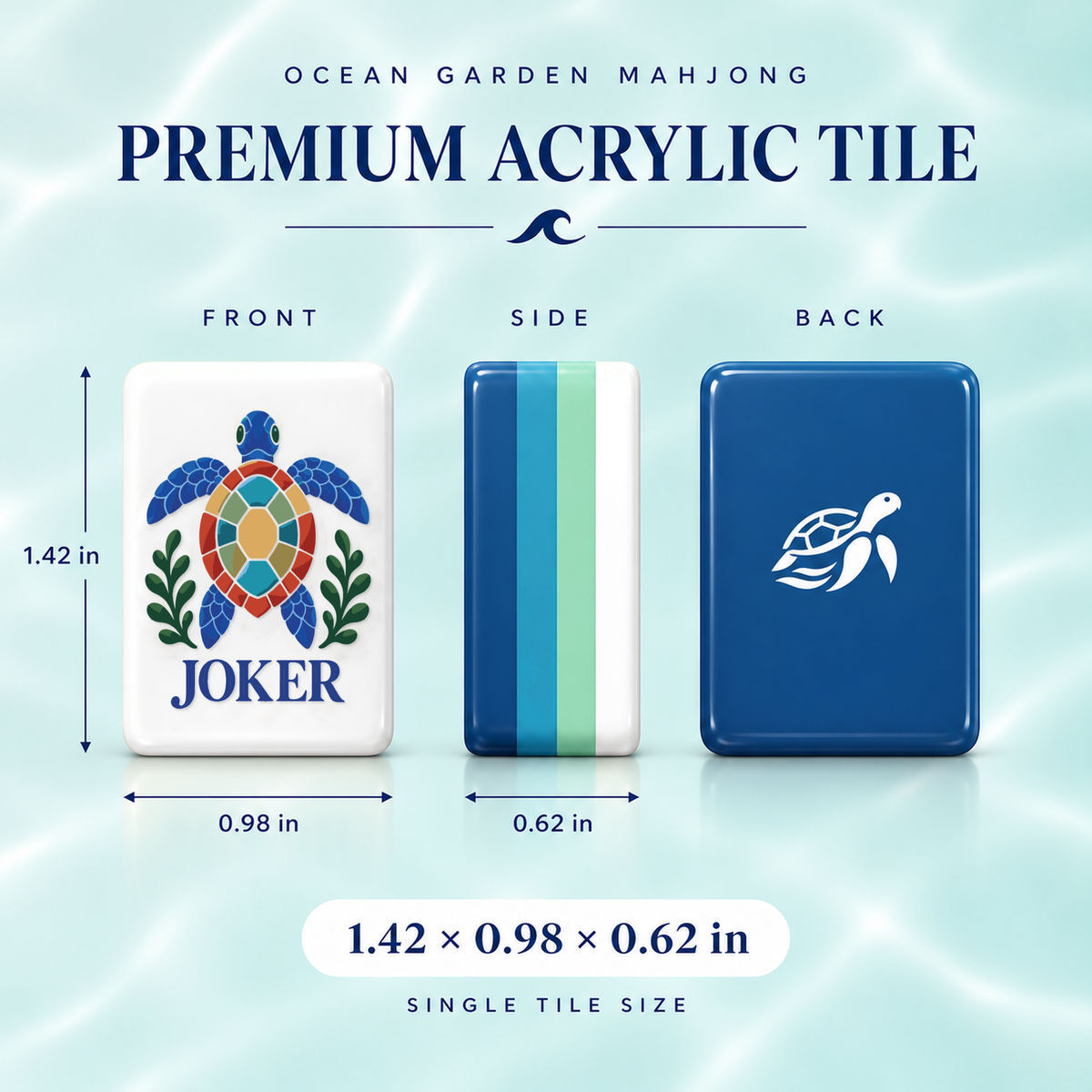
Tulsa's mahjong scene centers on community centers, senior centers, libraries, country clubs, and private home groups. Check your local parks and recreation department for hosted game nights, search social media for "Tulsa mahjong" groups, or ask at Jewish community centers and synagogues—traditional gathering spots. Most games meet weekly, last 2–4 hours, and welcome newcomers, though experienced players tend to dominate open groups. You'll need a basic understanding of American mahjong rules, the current year's National Mah Jongg League card (available free online), and ideally your own best-selling mahjong set so you can practice at home. Beginners often join beginner-specific nights rather than competitive tables; ask hosts or other players if your venue offers those. No registration fee is typical for casual games; some clubs charge a small annual membership. 🀄 Shop best-selling mahjong sets →
How do I find mahjong games near me in Tulsa?
Start with your city's parks and recreation website or call the main office; many Tulsa recreation centers sponsor mahjong nights listed in their activity schedules. Public libraries often host or advertise community game groups on their bulletin boards and websites. Senior centers in the area frequently run weekly sessions—call ahead to confirm times and whether they're open to all ages. Check community Facebook groups, Nextdoor, and Meetup for "Tulsa mahjong" searches; many local groups post their meeting times and welcome new players. Country clubs, Jewish temples, and cultural societies are traditional hubs—a quick call to their front desk can confirm if mahjong meets there. Word-of-mouth through friends is powerful: once you meet one player, they'll connect you to their circle.

What should a beginner expect at their first game?
Your first session will likely feel overwhelming—four players, 144 tiles in motion, rapid-fire terminology. Experienced tables move quickly and may not pause for questions, so beginners often sit out the first hand to observe. Bring your own mahjong set or ask if the host provides one; many do. Have the current year's official National Mah Jongg League card handy—memorizing it takes weeks. Wear comfortable clothing and plan for 2–4 hours; breaks happen between hands. Most groups are welcoming and patient with honest questions during play stoppages. Avoid sitting at competitive advanced tables your first few times; ask the host to match you with beginner or intermediate players instead. Many venues run beginner clinics before open play—take advantage of those. Expect to lose money (most casual games bet small amounts—ask hosts about stakes in advance) and to make mistakes; everyone does early on.
What gear do you need to play in Tulsa?
Gear | Why It Matters | Notes |
Mahjong set (160 tiles) | Standard for American play | Host may provide; bringing your own shows commitment |
Current year's league card | Required to verify all hands | Free online; have a printed copy at the table |
Pen & scoresheet | Track points each hand | Most hosts provide these |
Comfortable seat cushion | Game lasts 2–4 hours | Optional but appreciated if games use hard chairs |
Small amount of cash | Payment for stakes | Ask host what range is typical before you arrive |
Mat or towel (optional) | Protects set and improves grip | Many groups bring personal mahjong mats to keep tiles organized |
Most hosts have sets, cards, and scoresheets on hand. If you're serious about joining a regular group, a personal set shows respect and lets you practice at home between sessions. Look for a durable set with large, readable tiles and organized racks with pushers so you can manage your hand without fumbling. A quality mat keeps tiles from sliding and makes shuffling smoother—critical when sitting across from players watching your technique.
🎁 See our most-loved mahjong sets & accessories →
How do I prepare before my first night in Tulsa?
Watch one or two YouTube tutorials on how to play American mahjong and the Charleston tile exchange—those are the two concepts new players stumble on most. Print out the current year's league card and spend 15 minutes learning the hand categories (like "1 Pair + 4 Kongs" or "Like Numbers"). Understand that in American mahjong, you can only call and expose pungs (3 identical), kongs (4 identical), and longer groups—never sequences like 1-2-3. Learn how jokers work: they're wild tiles that substitute for one tile in a pung or longer group, but never for a pair or a single tile. If you have access to a friend who plays, ask them to walk you through one practice hand—watching beats reading. Set a goal to attend three sessions before joining a competitive game; the patterns stick after live exposure.

What's the social culture like at Tulsa mahjong tables?
Mahjong groups in Tulsa range from fierce competition to casual socializing. Most casual tables value humor and conversation—players banter between hands, celebrate unlikely wins, and gently rib each other over mistakes. Money rarely changes hands for significant sums at open groups; expect modest stakes that keep the game exciting without stressing beginners. Dress code is casual (comfortable clothes, because you'll sit for hours). Etiquette matters: announce your tile clearly when you discard, wait your turn, don't touch the wall unless it's your turn to draw, and never offer unsolicited advice to other players. Experienced players appreciate newcomers who ask good questions during hand breaks rather than slowing down active play. Regulars often become friends—many groups end with snacks, coffee, or happy-hour drinks. Most Tulsa venues are smoke-free and alcohol-free; check before you go. Age ranges vary: some tables skew senior, others are 30–50, and some are all-ages. Ask the host about the typical demographic before your first session so you feel comfortable.
✨ Find your Mahstead set — free US shipping →
What to check before you buy or bring your own set
A quality mahjong set makes a real difference at the table. Tiles should be legible from across the table—if you squint to read a Bam or Crak from 3 feet away, the set is too small. Weight matters: tiles should feel substantial (acrylic or resin sets are standard) so they don't scatter during shuffling. Check that all four identical tiles of each number look identical; sloppy printing or color variation marks a cheap set. Jokers should be clearly marked and match the set's design. When you buy, ensure the set includes a mat or cloth to protect your tiles—shuffling bare tiles on a hard table damages them and annoys your table mates. Mahjong sets with racks and pushers are worth the investment if you plan to play weekly; racks keep your hand organized and pushers let you draw tiles without fumbling. Test the fit of tiles in your rack before buying; poorly fitting tiles jam up mid-game. If hosting or traveling, look for a set with a sturdy carrying case that keeps everything together. Avoid tiny travel sets for serious play—they frustrate experienced players and make mistakes easier for you.
How to join a regular group once you've found a table
After your first three sessions, ask a regular player if you can join their standing group or if they know of a beginner cohort that meets weekly. Most groups accept new members by invitation or simple word-of-mouth; there's rarely a formal application. Commit to attending regularly (missing spoils the chemistry for the host) and contribute to any snacks or shared costs your group maintains. Learn the group's house rules—some count jokers differently, some have special payouts for last-hand wins—and write them down. Exchange phone numbers with two or three regulars so you get reminders about schedule changes. If you're serious, ask a veteran player to mentor you on strategy (position matters, tile discard order matters, reading your opponents' hands takes skill). After three months of regular play, you'll have the rhythm down and can start playing at a faster tempo with confidence.
What's the cost of joining and playing?
Most Tulsa casual mahjong groups are free to join, though some venue-hosted games may have a small annual membership (ask the host or recreation center). Stakes vary widely: some groups play for no money (purely for fun), while others run modest betting pools where winners take home small amounts per hand or per session. Typical stakes at recreational groups are low—between a dollar and five dollars per hand for casual tables, higher for competitive leagues. Ask specifically about the betting level before your first session so you know what to budget. If you buy your own set and mat, that's a one-time investment; see current price on the product page. If the group provides a shared set, there's no equipment cost. Many groups split the cost of refreshments or chips among players; that's usually a few dollars per session.

FAQ
Is there a mahjong league or tournament in Tulsa?
Many Tulsa recreation departments host seasonal mahjong tournaments tied to the national league calendar. Check your city's parks and recreation website or call directly. Some country clubs and community centers also run internal competitions. Your local host will have tournament info.
Can I play mahjong if I'm under 55?
Yes. While some senior centers restrict membership by age, many community centers, libraries, and private home groups welcome all ages. Ask venues specifically; don't assume. Younger players often join beginner cohorts or mixed-age casual tables.
Do I need to memorize the mahjong card?
No, not before you start. You can reference the card during every hand for months. Memorization happens naturally after 10–20 sessions of regular play. Always keep the printed card at the table as backup.
What's the difference between American and Chinese mahjong?
American mahjong uses a specific year's League card, bans sequence calls, allows large exposed groups (kongs, quints, sextets), and uses jokers as wild tiles. Chinese mahjong relies on patterns and hand combinations memorized by players, allows sequences, and has no league card. Most Tulsa tables play American mahjong; confirm before joining.
How long does a typical mahjong session last?
Most games run 2–4 hours, typically 8–12 hands. Each hand lasts 5–15 minutes depending on player speed and betting. Social groups take breaks between hands; competitive tables move faster. Plan for at least 2 hours your first time.
What happens if I don't have my own set?
Most hosts provide a shared set. Bringing your own shows you're serious, but it's not required to start playing. Once you join a regular group, owning a set is helpful for practicing at home between sessions.


View More
View More
View More
