
Where to Play Mahjong in The Woodlands: Clubs, Groups & How to Join
Last updated: Nov 23, 2026
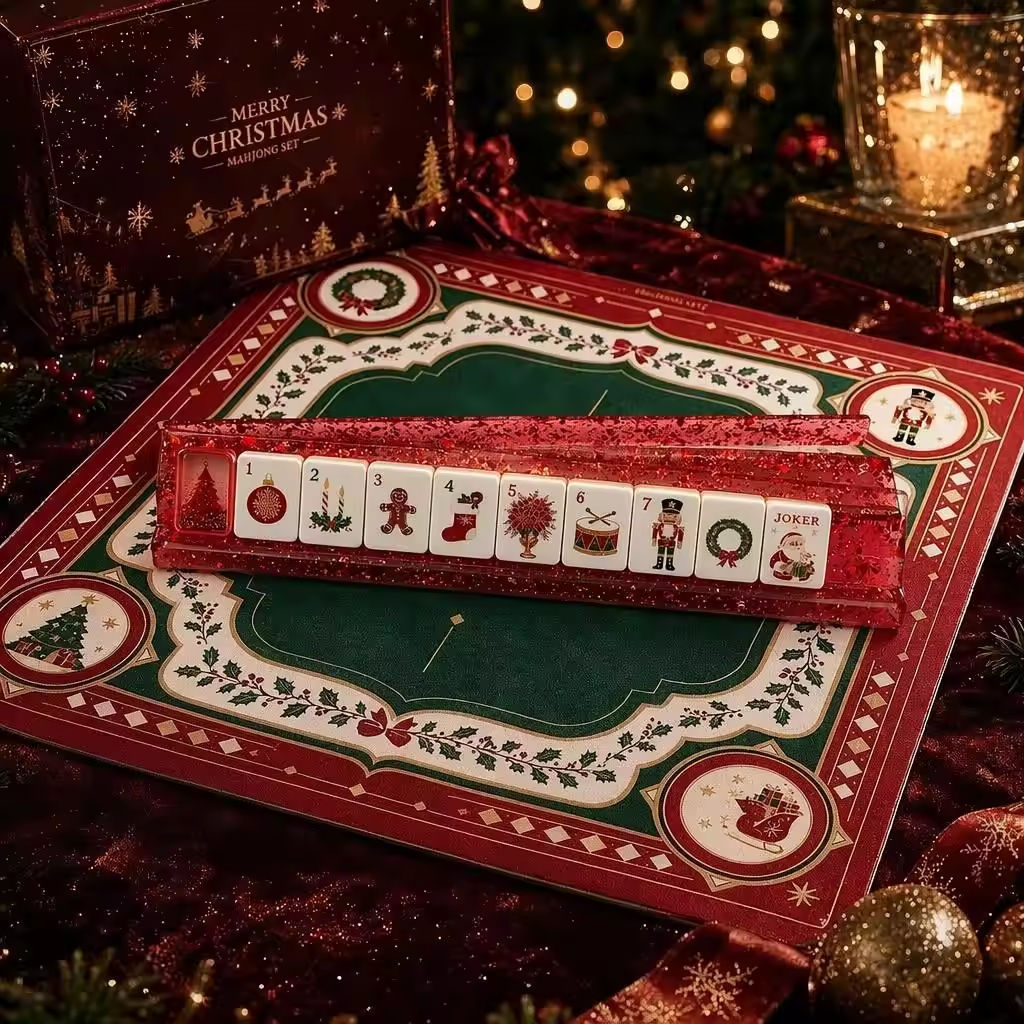
The Woodlands doesn't have one central mahjong headquarters, but active games run weekly through community centers, libraries, recreation departments, country clubs, and private neighborhood groups—especially in established adult communities. Start by calling your local community center's activities line or checking Meetup.com and Nextdoor for "mahjong" + "The Woodlands"; many groups list game times and skill levels openly. Libraries often host bulletin boards where game coordinators post contact info. If you know someone who plays, ask for an invitation—most groups welcome learners and lend or rent sets. The National Mah Jongg League card (updated yearly) governs American mahjong rules everywhere; bring cash for ante and a willingness to learn the Charleston (the tile-passing ritual). Hosting weekly games at home? You'll need a best-selling mahjong set, a mat, and racks; Mahstead ships complete 160-tile sets with quality engraved tiles across the US.
What are the main places to find mahjong games in The Woodlands?
Your best starting points are community centers, public libraries, and recreation department activity calendars—they list recurring mahjong groups by day and skill level. Country clubs and retirement communities often host games on Tuesday or Thursday afternoons. Check Meetup.com (search "mahjong" + your zip code), Nextdoor neighborhood app, and Facebook community groups; many coordinators post weekly times and accept drop-ins. Ask at local synagogues—mahjong has deep roots in Jewish social circles—and don't overlook casual neighborhood card clubs that have added mahjong nights. A quick call to the local Parks and Recreation department often saves hours of searching.

How do I know if a group is right for my skill level?
When you contact a group, ask directly: "Do you teach beginners?" and "What year's card do you use?" American mahjong uses the current National Mah Jongg League card, which changes every spring; groups that don't update risk playing outdated hands. Ask the coordinator about pace—whether they play "fast" (experienced players, quick tile calls) or "social" (chatty, slower, teaching-friendly). For absolute beginners, look for groups with a dedicated teacher or a culture of answering questions mid-game. If the group says "we only accept players who already know the card," that's not rejection—it's honesty; instead, try the library or a beginner-specific class first, then come back in a month.
Group Type | Typical Pace | Beginner-Friendly? | Where to Find |
Community center class | Slow, teaching-focused | Yes, designed for it | Parks & Rec office or website |
Drop-in club (library) | Medium, mixed levels | Often yes, ask first | Library activities board, Meetup |
Private neighborhood group | Medium to fast | Ask the coordinator | Nextdoor, word of mouth |
Retirement community | Slow, social | Yes, very welcoming | Community center, local seniors org |
Country club | Fast, experienced | No, unless you're a member | Call the club directly |
🀄 Shop best-selling mahjong sets →
What do I need to bring to my first game?
Bring the current year's National Mah Jongg League card (the group usually provides copies), a pen, small notebook for scoring, and cash—most games run a modest ante or buy-in per round (ask the coordinator beforehand what to expect). Wear comfortable clothes and plan to sit for 2–3 hours. If the group doesn't provide a set, ask if they have a spare or if you should bring one; if you're a host or regular, owning your own set makes life easier. Many players appreciate arriving 10 minutes early to help set up. Check how to play American mahjong before your first night so you're not completely new to the tile names and Charleston ritual—it builds confidence and makes the table more welcoming.

How can I start hosting mahjong at home in The Woodlands?
Hosting creates community and gives you full control over game pace, timing, and who plays. You'll need a dedicated mahjong set (160 tiles, 8 jokers), a mat to protect your surface, one or two racks with pushers per person, and enough seating for four. Mahjong mats come in various sizes; for a standard dining table or card table, measure your surface first—most mats are 27–36 inches per side. Racks with pushers help players manage tiles without dropping them, especially over long games. A travel-ready case or bag keeps your set organized and protected between games. Start small—invite three friends or neighbors—then grow to a regular weekly slot. Use a scoreboard or phone app to track results, and stick to one year's League card so everyone learns the same hands.
🎁 See our most-loved mahjong sets & accessories →
What's the difference between American and other mahjong games played locally?
American mahjong is what nearly all groups in The Woodlands play; it uses a League-printed card with fixed hands each year, no sequences (chows), and only exposed melds (pungs, kongs, and jokers in specific roles). Chinese, Hong Kong, Riichi (Japanese), and Taiwanese mahjong have entirely different tile sets, scoring systems, and melds—they're not compatible. If you ask "What kind do you play?" and hear "American," you're good. If someone mentions "Chinese" or another variant, politely clarify: "I'm learning American for now"—most groups respect that choice. Starting with the beginner's guide locks in the American ruleset so you don't accidentally learn a different game and then feel lost at the table.
What should you check before joining or hosting a game?
Before your first visit:
Confirm the group's meeting time, day, and location (ask: "Is it the same every week?").
Ask the coordinator's phone number so you can check if a game is cancelled.
Verify they use the current year's National Mah Jongg League card.
Clarify any ante or buy-in, and whether scoring is for fun or small stakes.
Find out if they provide tiles or if you bring your own.
Ask: "What should a beginner know before I arrive?"
Before hosting at home:
Ensure you have a quiet, well-lit space with stable seating for four.
Test your set at least once before inviting people (shuffle tiles, confirm all 152 are present).
Have the current League card printed or on your phone.
Plan snacks and water—games run 2–3 hours.
Set a clear start time and ask guests to arrive 10 minutes early.
Decide whether you're playing, teaching, or just hosting.
✨ Find your Mahstead set — free US shipping →

FAQ
Do I need my own mahjong set to play in The Woodlands?
No. Most clubs and community centers provide sets, or established players bring spares. If you join a group and play regularly, owning a set is more convenient—you'll know your tiles and can host games. Mahstead ships complete 160-tile sets nationwide.
How often do games run in The Woodlands?
Most clubs meet once or twice weekly, usually Tuesday, Thursday, or Saturday afternoons/evenings. Call ahead—game schedules change seasonally, especially around holidays. Nextdoor and Meetup show current calendars.
Can I learn mahjong at a community center class before joining a game?
Yes. Many parks and recreation departments offer beginner classes in spring and fall. These teach the Charleston, tile names, and basic hands—then you're ready to join a drop-in club. Lessons build confidence fast.
What's the cost of playing mahjong in The Woodlands?
Community center classes range widely; ask Parks & Rec directly. Drop-in clubs typically charge a small ante per game or per season (ask the coordinator). Private games vary by group—some are free, others have a modest pot. Hosting costs you only time and a set.
Is the National Mah Jongg League card necessary?
Yes, for American mahjong. Every group uses the current year's card because hands change annually. The League updates it every spring; groups that don't use it are playing a different game. Always confirm which year before you arrive.
How do I find out about beginner-friendly mahjong groups near me?
Start here: mahjong for beginners explains the basics so you're not lost. Then call your community center, check Meetup.com and Nextdoor, ask at libraries, and invite a neighbor. Honest groups will say "yes, we teach" or "no, we're fast and experienced only"—both are helpful answers.


View More
View More
View More
