
Passing Tiles in Mahjong: Examples & Rules Explained
Last updated: Nov 23, 2026
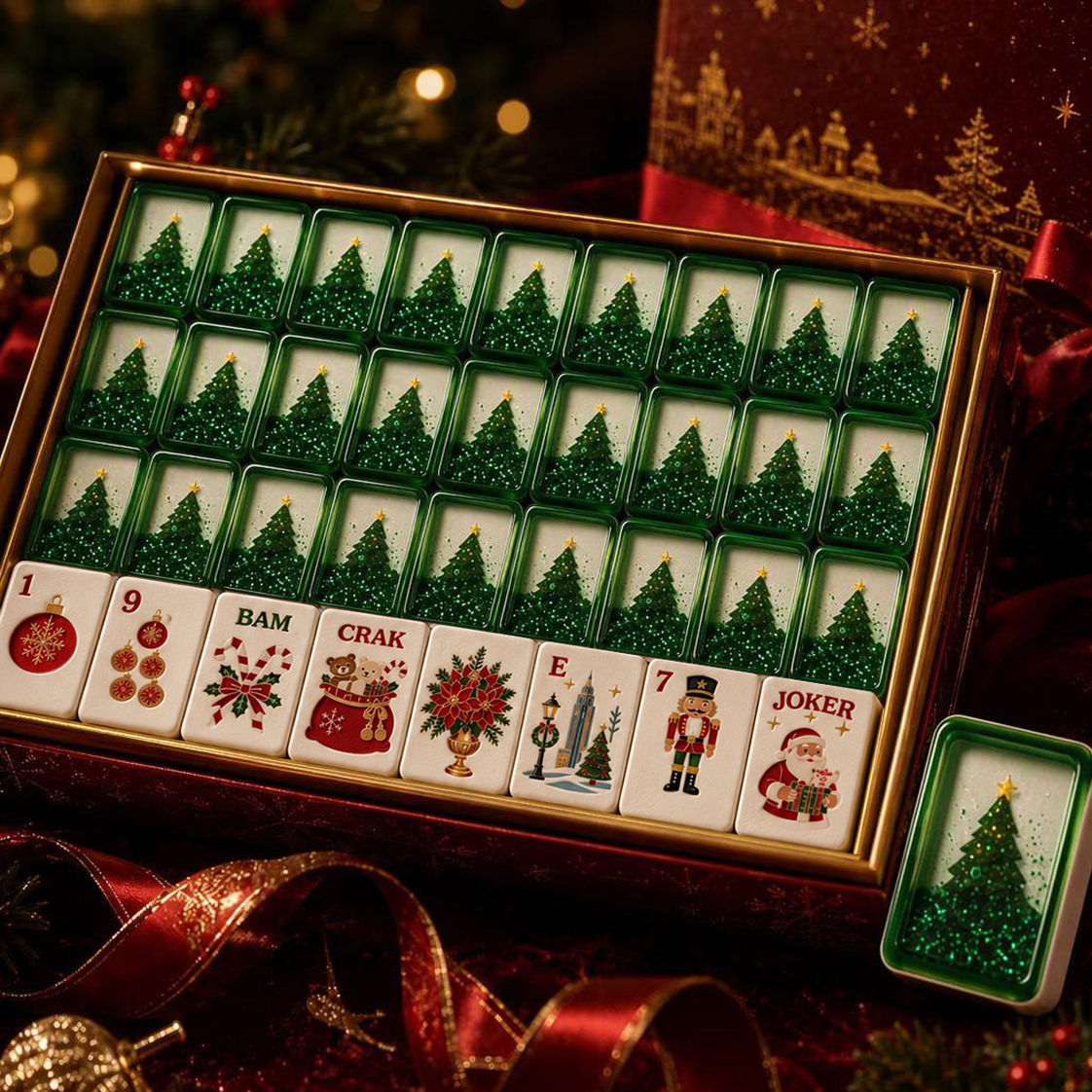
In American mahjong, the Charleston is the mandatory tile-passing ritual before dealing begins. All four players pass three tiles to the right, then three to the left, then three across the table—always facedown, no peeking. The dealer (East) starts by passing first; passes always move simultaneously around the table. After the Charleston completes, players optionally make two more passes: one to the right, one to the left (called the "second Charleston"). You're simply redistributing the initial random draw so no player has an obvious advantage going in. The ritual takes two minutes and is part of American mahjong's formal structure; skip it and your hand may not match the year's official NMJL card.
Why do we pass tiles before the game starts?
The Charleston randomizes the initial 13-tile hand each player draws from the wall. After the wall is built and the dealer and three other players draw 13 tiles each, no one's hand is balanced yet—someone might have four Flowers or all Bams. Passing breaks up clumps and redistributes tiles so the deck feels more even. It also gives players a psychological reset: you get to choose what leaves your hand, which feels fairer than pure random draw. Without the Charleston, early hands would be unpredictable and frustrating. The ritual adds ritual and fairness to the game.

Which direction do tiles move in the first pass?
The first pass moves tiles to the right. If you're sitting North, your three tiles go to East; East passes to South; South to West; West back to North. Each player slides three tiles facedown across the table simultaneously—everyone passes at the same moment, not in turn. The dealer (East by default in the first hand) usually holds his hand up first to signal "ready," and everyone passes together on that cue. Never pass before seeing your neighbors slide their tiles; if someone passes early, hold your three tiles and wait for the next signal. Passing out of sync creates confusion and tile mismatches.
What happens in the second and third passes of the Charleston?
After the first pass (to the right), players pick up the three tiles they received and pass three tiles to the left (reverse direction: West→North, North→East, East→South, South→West). Again, this happens simultaneously. Then comes the third pass: three tiles across. If you're North, you pass directly across to South; East passes to West. After all three passes are complete, players are done reshuffling—the "second Charleston" (two optional additional passes) happens only if all four players agree beforehand, which is rare in regular home games. Most groups play one Charleston and move straight to the deal.
🀄 Shop best-selling mahjong sets →
What tiles can you pass, and what can't you?
You can pass any three tiles from your 13-tile hand—Bams, Craks, Dots, winds, dragons, flowers, jokers, it doesn't matter. The only rule is honesty: don't peek at tiles as they slide to you, and don't deliberately pass tiles to hurt a neighbor (that's unsporting, not a rule violation). Some players strategically pass high flowers if they're holding many Dots, or pass dragons if they drew too many winds. There's no "illegal" pass. However, you must pass exactly three tiles. If you hand over two or four, the Charleston halts and you return to the start. Count your tiles aloud—"three tiles passing right"—so your neighbors confirm.
How do you pass tiles smoothly in practice?
Step 1: After the wall is drawn and tiles are in hand, hold your 13 tiles upright in your rack (or hand) so only you see them.
Step 2: Choose the three tiles you want to pass and hold them below the edge of your rack, still facedown.
Step 3: When the dealer signals (usually by lifting her hand or saying "pass"), slide your three tiles across the table toward your right neighbor simultaneously with the other three players.
Step 4: Collect the three tiles sliding toward you from your left neighbor and add them to your hand. Now you have 13 tiles again.
Step 5: Repeat this process for the second pass (to the left) and third pass (across), each time choosing three new tiles to give away.
Step 6: After three passes are complete, adjust your hand, and the game begins—the dealer picks two tiles from the wall, then play moves clockwise (North plays after East, East after South, and so on).
Common mistakes: passing too early (before neighbors are ready), passing while looking at your tiles (ruins the randomness), passing two or four tiles by accident (recount), or forgetting the second pass is to the left, not to the right again. Many new players mix up direction; write "right, left, across" on a note card the first few times.

How does the Charleston differ from Chinese or Hong Kong mahjong?
Chinese mahjong (often called "Cantonese" at home games) uses chows—sequences of three consecutive numbered tiles in one suit (like 4–5–6 Craks)—that appear on the hand. Those sequences must be built during play, not redistributed beforehand. Chows require a passing-like ritual called "goulash" or "throwing," but it works differently: players take turns naming tiles aloud and throwing them into a central pile; whoever completes a hand first claims the pile. Hong Kong mahjong adds a second suit and fewer flowers, and passes happen once, to the left only, in silence. American mahjong's three-stage Charleston (right, left, across) is unique; no other variant passes tiles three times in three directions. If you're learning both American and Chinese, practice the Charleston separately so muscle memory doesn't cross over. When you sit down at an American table, announce you're playing American rules—it sets expectations.
What should you check before passing tiles?
Check | Why It Matters | Fix |
All four players have exactly 13 tiles | Miscount blocks the Charleston | Count tiles aloud before passing |
Tiles are facedown during the pass | Peeking ruins randomness | Hold tiles below the table edge |
Everyone passes at the same moment | Passing out of turn creates confusion | Wait for the dealer's signal |
Passes move in the right direction (R, L, across) | Wrong direction scrambles the ritual | Confirm direction before round 1 |
You pass exactly three tiles | Passing 2 or 4 halts the game | Count on your fingers as you slide |
No one looks at incoming tiles until pass ends | Seeing tiles mid-pass is tempting but cheating | Slide tiles all the way; pick them up after |
If a player passes only two tiles, stop, count everyone's tiles, and re-do that pass. If someone passes four, ask them to return one tile to the pile and redistribute it to the correct recipient. If all four players lose count, rebuild the wall and start the hand over—this is rare, but it's less disruptive than guessing.
Learn how to read the NMJL card once tiles are dealt.
🎁 See our most-loved mahjong sets & accessories →
What happens if you pick up your passed tiles too early?
If a player grabs the three tiles sliding toward them before everyone has finished passing, the Charleston pauses. The tiles are returned to their original owners, you recount, and you restart that pass. This is a minor error; no penalty, just a reset. Beginners often get nervous and reach early—remind them to wait until all three neighbors have slid their tiles completely across. A clean table with plenty of space helps; if tiles are crammed together, passes feel rushed. A mahjong mat with labeled passing zones gives everyone a visual cue for where to slide tiles and reduces fumbling.
Can you refuse to pass certain tiles?
No. You must pass three tiles; you can't say "I want to keep this tile." The Charleston is mandatory and binding. However, you choose which three tiles to pass—there's no rule against strategic passing. If you hold four Flowers (very unlikely), pass three. If you drew mostly Dots and need Craks, you might pass Dots in hope of receiving Craks—but that's speculation; the tiles coming back are random. Some players say "never pass flowers" or "always pass high winds," but that's folk strategy, not law. Play the game a few times and you'll develop instinct about what to pass.
What's the etiquette if someone passes the wrong number of tiles?
Stop play immediately. Ask that player to recount their hand. If they've passed two tiles, one tile is missing; ask them to identify it and add it to their outgoing pile (or to the central pile if it's already in someone else's hand). If they've passed four, ask them to take one back. Once all four players have exactly 13 tiles again, restart that pass. There's no shame in this; tiles are small and it happens. On your next game, count your passing tiles twice: once in your hand before you slide them, once on your fingertips as you push them across the table. A few seconds of care prevents a halt.
What you'll need for smooth passing:
A high-quality acrylic mahjong set with clear, readable tile faces means everyone can quickly spot what they're holding and passes are faster. Engraved tiles in a custom design also feel more official and make the ritual feel ceremonial—players are more careful with tiles they like. And a dedicated mat with clear zones keeps the table organized so tiles don't slide past neighbors or get lost under a drink.
✨ Find your Mahstead set — free US shipping →

FAQ
Can you pass jokers during the Charleston?
Yes. Jokers are regular tiles during the Charleston. You can pass a joker just like any Bam or Crak. Jokers only have special rules during play (they substitute for any tile you need to complete a pung, kong, or quint), but in the pre-game pass, they're fair game.
What if all four players want to skip the second Charleston?
You can agree to skip it before the first pass begins. Say "first Charleston only," and after three passes, move straight to the deal. Most home games play just one Charleston for speed. If even one player wants the second Charleston, do it—it takes 20 seconds.
Does the Charleston happen before every hand or just the first hand of the game?
Before every hand, except after a "wall game" (a hand where no one won and the wall ran out). After a wall game, you simply deal the next hand without passing. Otherwise, Charleston before every hand is standard American play.
Why does the third pass go "across" instead of continuing right or left?
It breaks up remaining tile clusters. After passing right and left, some suits may still cluster. Passing across (North-South and East-West) scrambles them a third way. It's a formal ritual meant to ensure maximum randomness before the deal.
Can you pass a tile that was just passed to you?
Technically yes, but it's considered poor etiquette. Once you receive tiles in a pass, they belong to your hand. If you immediately pass one to your neighbor, it signals you don't like what you got, and players may read it. Wait until the Charleston is complete, then adjust your hand. The ritual is about fairness, not mind games.
What happens if someone passes tiles from the discard pile or won tiles instead of their hand?
That can't happen—during the Charleston, the discard pile is empty and won piles don't exist yet. All passing tiles come from the 13 you drew in the initial deal. If a player somehow passes a tile that wasn't in their hand, the Charleston halts and you re-deal.


View More
View More
View More
