
Where to Play Mahjong in Seattle: Clubs, Groups & Getting Started
Last updated: Nov 23, 2026
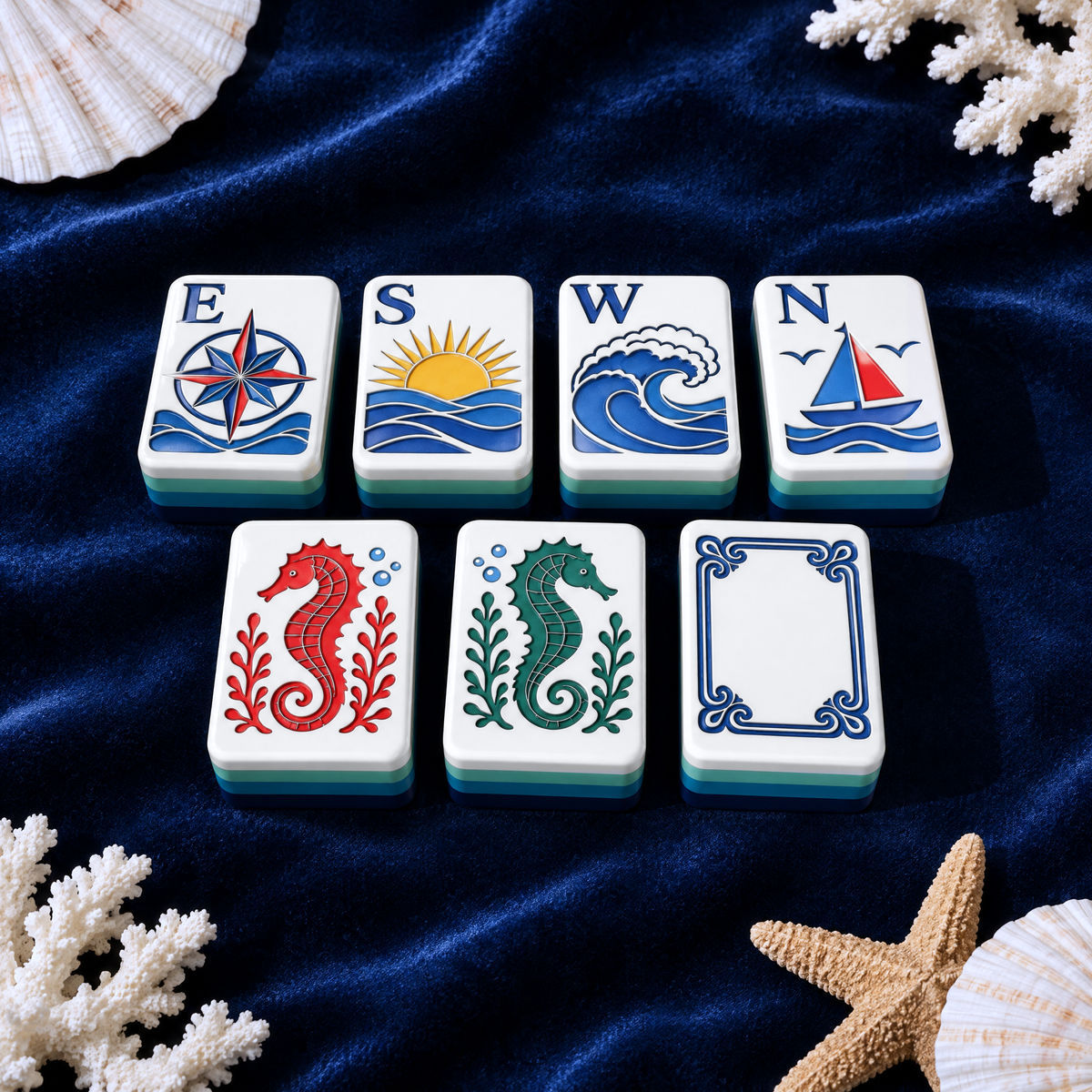
Seattle mahjong players gather at community centers (check Seattle Parks & Recreation), libraries (many host weekly games), cultural organizations, country clubs, and synagogues—contact your local branch directly. Meetup.com and Facebook groups dedicated to Pacific Northwest mahjong help connect players; ask staff at game cafés or bookstores for recommendations. Most games happen weekday afternoons and weekend evenings. Before attending, learn the basics of American mahjong, understand the Charleston (tile-passing ritual), and know how to read the current National Mah Jongg League card. No experience required—many groups welcome beginners—but bring curiosity and a willingness to learn at the table. If you can't find a group nearby, hosting weekly games at home with best-selling sets and a durable mat is a fast, rewarding alternative.
Seattle has a vibrant mahjong community. Here's where to find games, how to join established groups, and how to start playing with friends.
Where do Seattle community centers host mahjong games?
Seattle Parks & Recreation runs multiple community centers across the city. Call ahead or visit the district website—many centers offer open mahjong hours or organized leagues, especially in neighborhoods with large Asian populations (Beacon Hill, International District, Fremont). Instructional classes for beginners happen regularly. Ask the front desk about drop-in times, membership fees, and whether you need your own set or if tables provide tiles. Some centers let you reserve a table with a group. Response times vary; email or visit in person for the most current schedule.

Which Seattle libraries host mahjong groups?
Several Seattle Public Library branches, particularly in South and East Seattle neighborhoods, sponsor regular mahjong gatherings in community rooms. Library staff can confirm which branches run weekly or monthly games and whether groups are for beginners or intermediate players. No fee to attend; library staff sometimes facilitate but don't teach. Arrive early to meet regulars and ask about signup sheets. Libraries also post flyers about independent groups that use their meeting space. Call the main branch or your local library directly—web schedules often lag behind actual programs.
How do I find independent mahjong groups in Seattle?
Facebook groups, Meetup.com, and local game cafés are fastest. Search "Seattle mahjong," "Pacific Northwest mahjong," or "Emerald City mahjong" on Meetup; many groups list meeting times, skill levels, and locations. Facebook groups (often neighborhood-based or Asian American community pages) post weekly schedules and accept newcomers. Game cafés, bookstores, and vintage shops sometimes have bulletin boards or staff who know local players. Ask at dim sum restaurants or Asian markets—communities with long roots often know who plays where. Expect 2–3 weeks to hear back; groups vary widely in size (4–20 players) and tone (competitive vs. casual).
What should you bring and expect at your first game?
Arrive with the current year's National Mah Jongg League card (printed or app), a pen for scoring, and an open mind. Games last 2–4 hours; bring water and a snack. Wear comfortable clothes (you're sitting). If it's your first time, tell the table—most regulars explain rules patiently during play. Bring cash for payment if the group uses it (amounts vary; ask in advance). Many groups use free scoring apps instead. If the venue doesn't provide tiles, bring a set—best-selling American mahjong sets are standard and portable. Most groups play American mahjong (no sequences, only pungs, kongs, and exposed quints). Understand the Charleston before you arrive; it's the tile-trading ritual that starts every game. Don't be afraid to ask questions between hands.
🀄 Shop best-selling mahjong sets →
Why should you host games at home instead?
Home games avoid scheduling conflicts, let you invite friends at your own pace, and build deeper friendships. You control the atmosphere, rules, and snack menu. Weekly home mahjong is easier to maintain than chasing a club schedule—one group we know has met the same Thursday for eight years. You'll need a dedicated surface (a mahjong mat is durable and portable), a reliable set (acrylic tiles withstand repeated shuffling), and racks with pushers so players organize their tiles comfortably. A simple bag or case keeps everything in one place. Scoring apps (free; many groups use them) eliminate scorekeeping arguments. Start with four consistent players; five or six can rotate. Decide on house rules (payment amounts, if any; house seat rotation; food contributions) before game one.

What's the fastest way to get game-ready if you've never played?
Read how to play American mahjong end-to-end, then study the Charleston and how jokers work—these two concepts stop beginners cold. Watch one live game as a spectator; you'll learn pacing and scoring faster than any tutorial. Play three beginner-friendly hands at the table (most groups allow this). Don't memorize the card; learn to read it left-to-right by section. Play online simulators (free options exist) to practice calling hands in a low-pressure setting. Join a beginner class at a community center or library if offered—instructors teach pace and etiquette alongside rules.
Setup Element | Essential | Why | Where to get it |
Acrylic mahjong set (160-tile) | Yes | Tiles shuffle quietly, last 10+ years, portable | |
Mat or tablecloth | Yes | Protects tiles, defines play area, dampens noise | |
Racks with pushers | No, but helpful | Keeps tiles organized, speeds play, reduces table clutter | |
League card (current year) | Yes | Only way to know legal hands; required to play | Print from League or digital app |
Dice (optional) | No | For determining seating; many groups use app instead | Check collection for decorative options |
Bag or case | No, but smart | Protects set during transport to clubs or friends' homes |
🎁 See our most-loved mahjong sets & accessories →
What to check before you buy equipment for home games
Tile material: Acrylic is quieter, more durable, and warmer to the hand than bakelite or bamboo. It resists chipping and won't absorb odors. Never buy a 144-tile set; American mahjong requires 152 tiles plus 8 jokers.
Set clarity: Engraved or painted symbols (Bams, Craks, Dots, winds, dragons, flowers) must be legible in normal light. Tiles that are too shiny or too matte cause eye strain during long games.
Mat size: Measure your table (36" × 36" minimum); a mat that's too small wastes wall space, and one that's too large won't fit. Check thickness—a sturdy mat (1/4" or more) doesn't slide during play.
Racks: If players have hand problems or play long sessions, racks with pushers reduce fatigue and are worth the extra space. Standard racks hold about 14 tiles; pushers help organize discards.
Storage: A case or bag with dividers keeps tiles from mixing with jokers or spare tiles. Soft-sided bags are lighter for travel; hard cases protect against drops.
How do Seattle cultural organizations support mahjong?
Asian American community centers, cultural societies, and museums sometimes host mahjong nights as fundraisers or community events. These are often beginner-friendly and include food, cultural context, and a chance to meet other players. Check with your neighborhood's cultural organization, museum education programs, or community center. Some sponsor tournaments or classes seasonally. These events are usually free or low-cost and attract a mix of experienced and new players, making them ideal entry points if you're nervous about club games.
✨ Find your Mahstead set — free US shipping →
A real checklist: before you host your first game at home
[ ] Buy a 160-tile acrylic set and check all tiles are present (152 playing + 8 jokers).
[ ] Get a mat or dedicated tablecloth; test it on your table for fit and stability.
[ ] Print or download the current National Mah Jongg League card.
[ ] Invite four players and pick a consistent day/time (weekly is ideal).
[ ] Test a free scoring app on your phone; most groups prefer apps over hand-scoring.
[ ] Do a practice Charleston; watch a tutorial first.
[ ] Set house rules: payment (if any), rotations, food, bathroom breaks.
[ ] Arrive 15 minutes early to set up and greet players.
[ ] Keep snacks and water light; heavy meals slow play and create mess.
[ ] Play three warm-up hands before keeping score; let people ask questions.

FAQ
Is American mahjong different from the Chinese or Hong Kong versions I see online?
Yes, significantly. American mahjong uses only tiles from the current year's National Mah Jongg League card (the hand list), has no sequences (chows), and allows jokers in most positions. Chinese and Hong Kong mahjong use different tiles, hand compositions, and scoring systems. Clarify which version your group plays before joining—they're not interchangeable.
Can I learn mahjong from videos or an app instead of joining a club?
Videos teach rules and the Charleston well, but live play is essential. You'll learn pacing, discarding strategy, and table etiquette only by watching and playing. Apps help practice calling hands. Combine both: study online, then join a beginner-friendly group for real games.
How much does it cost to join a Seattle mahjong club or group?
Community center classes range from low-cost to free, depending on the center. Many open drop-in games have no fee. Some competitive clubs charge membership dues or per-game fees; ask when you inquire. Home games are free if hosted by a friend; some groups share snack costs or ante small amounts (amounts vary widely—ask first).
What if I don't own a set? Can I borrow one?
Most clubs and groups have spare sets or encourage you to borrow from a regular. Home games often use the host's set. If you attend regularly, buy your own—a reliable acrylic set is an investment that lasts years. Many players keep a portable set at home and another in a bag for travel.
Do Seattle groups teach the Charleston, or do I need to learn it beforehand?
Most groups assume you know the Charleston or explain it briefly before game one. Watch a video tutorial (the Charleston explained guide walks through every move step-by-step). Arrive early and ask a regular to walk you through it; it's hard to learn mid-game. Practice with a group of friends at home first if possible.
Are there online mahjong groups I can play with if I can't find in-person games?
Yes, but Seattle's in-person community is robust enough that you should find a game within a few weeks. Online play teaches hand recognition but lacks the social connection and physical ritual. Try in-person first; online is a supplement, not a replacement, for many long-time players.
What size mahjong set should I buy for home games?
A standard 160-tile acrylic set is all you need—it contains 152 playing tiles plus 8 jokers, exactly what American mahjong requires. Never add spare tiles to the game. Bring one set to a club game; a second set at home is useful if you host weekly but not essential. Avoid 144-tile sets; they're too small.


View More
View More
View More
