
Where to Play Mahjong in Little Rock: Clubs, Groups & Getting Started
Last updated: Nov 23, 2026
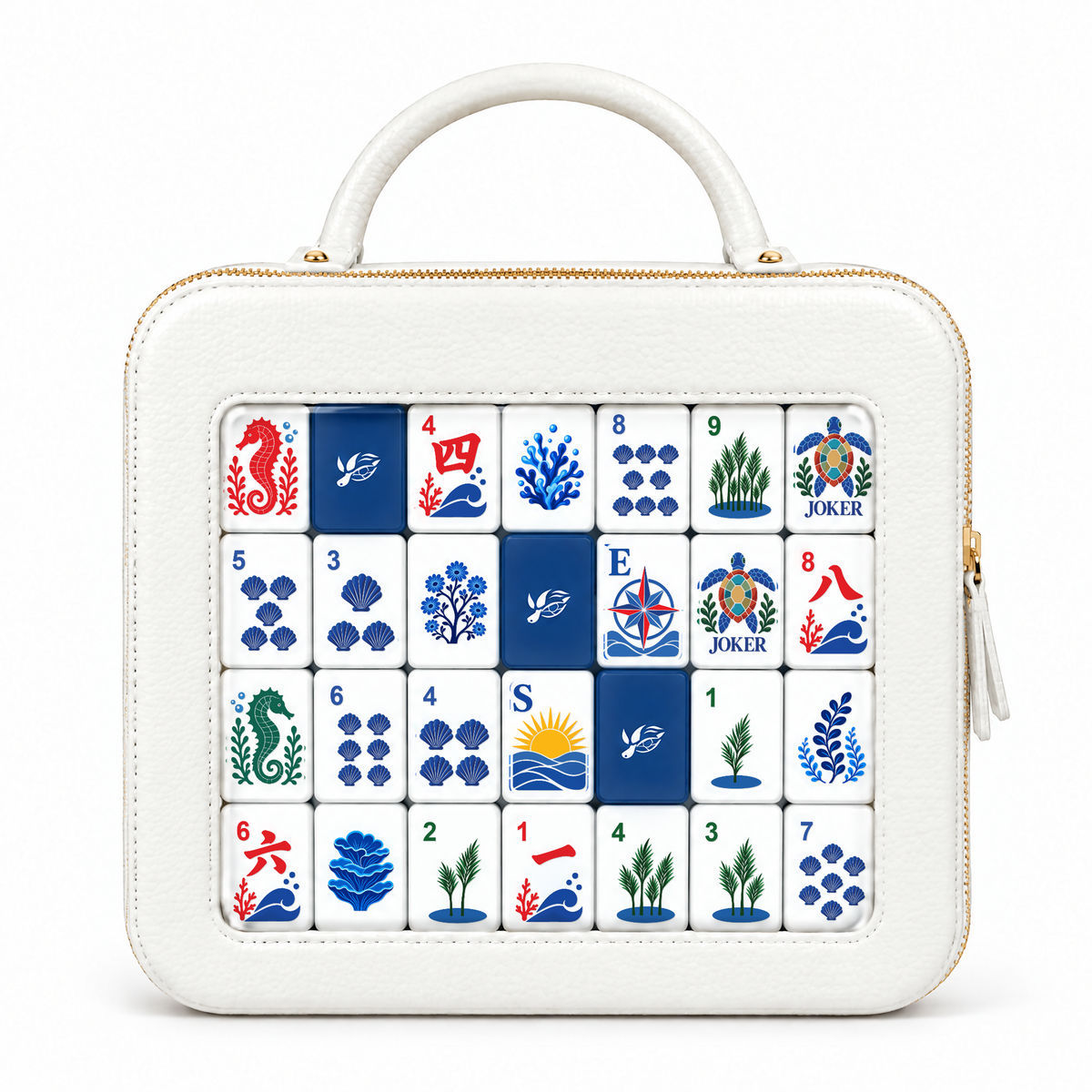
Little Rock mahjong players gather primarily through community centers (check Parks & Recreation offerings), public library bulletin boards, senior centers, and informal meetups coordinated via Facebook groups and Nextdoor. The Arkansas Genealogical Society and local synagogues sometimes host game nights. Most weekly games use the current National Mah Jongg League card (spring–winter edition); ask any host for that year's card before you arrive. American mahjong needs exactly 152 tiles and 8 jokers, so bring or borrow a 160-tile set if you're new—we build ours to last decades with acrylic tiles and include spares so you never scramble mid-game. Start by visiting your library's community events page or calling Parks & Recreation directly; tell them you're looking for mahjong. A beginner-friendly game typically costs nothing to a few dollars per hand as a friendly wager.
How do I find an active mahjong game in Little Rock?
Begin with your city and county websites—Little Rock Parks & Recreation lists weekly activities and game groups online or by phone. Public libraries often post community interest groups on bulletin boards and event calendars; ask the reference desk directly for mahjong player contacts. Senior centers and retirement communities (particularly those in Pulaski County) host regular games or can refer you to nearby groups. If you're on Nextdoor or Facebook, search "Little Rock mahjong" or "Arkansas mahjong players"—many groups post game times and locations there. Call ahead to confirm the game is open to newcomers and what skill level is expected.

What should I expect at my first game?
Arrive fifteen minutes early to meet the host and observe one hand. Bring the current National Mah Jongg League card (available free online from the league) or ask the host to share. You'll sit at a square table with three other players; one person is the dealer (East). The group will explain how the Charleston works—a three-stage tile exchange—before any picking and discarding begins. Most beginner groups play slowly and answer questions cheerfully; don't worry if you miss a hand. Bring water, a notebook, and a small notebook for notes if you're learning. Some groups charge per game or per hand; confirm the stakes beforehand so there are no surprises.
Which neighborhoods and venues in Little Rock host mahjong most often?
Area | Venue Type | Best for Beginners? | How to Confirm |
Downtown / Midtown | Community centers, libraries | Yes | Call Parks & Rec, check library website |
West Little Rock | Senior centers, retirement communities | Yes | Call venue directly, ask staff |
South Little Rock | Church basements, synagogues | Often yes | Call church office or visit website |
County-wide | Informal home games (Meetup/Facebook) | Variable | Message group, ask about house rules |
The most consistent beginner-friendly games tend to be at public facilities and senior centers because they have regular schedules and intentional instruction for new players. Home games vary widely—some are strictly social, others highly competitive; always ask the organizer about skill levels and pace before committing.
What skills should I practice before my first game?
Study how to play American mahjong and how to read the mahjong card online or in books. The card is the rulebook—it shows every legal winning hand for that year. Learn to recognize Bams, Craks, and Dots (the three suits) and spot Winds and Dragons. Practice organizing your tiles quickly by suit and number so you don't slow the table. Understand that you can expose Pungs (three identical tiles), Kongs (four identical tiles), and Quints (five identical tiles), but never Chows (sequences like 1–2–3). Ask the host if they teach a practice hand before real play begins—most beginner-friendly groups do. Watching one full hand before playing is worth far more than reading alone.
🀄 Shop best-selling mahjong sets →

What equipment do I need to own vs. borrow?
If you play weekly, owning your own American mahjong set transforms the experience. Borrowed sets sometimes have broken or yellowed tiles, missing jokers, or no pushers—all frustrations that slow learning. A quality acrylic set with clear tile markings stays visible under poor lighting and lasts for years of weekly play. You'll also want a mahjong mat if you play at home; it protects your table and keeps tiles from sliding. If you travel to games, a rack with pushers makes organizing and drawing tiles smoother—especially useful when learning hand speed. A carrying bag keeps everything organized. Most casual players borrow a set and mat for their first 3–4 games to test fit and commitment; then invest in their own.
How do I connect with players outside formal venues?
Ask the host of any game you attend if they know of other groups or players. Many Little Rock mahjong players know each other through years of informal networks. Join online communities: Facebook groups for Arkansas or mahjong (search "Little Rock" + "mahjong"), Meetup.com, and Nextdoor often have listings. If no active group exists, consider starting one—post in your neighborhood or at your library saying you're looking for three other players and a time to meet weekly. Host a practice game using a free online tutorial or book first. Some players discover games through synagogues, country clubs, and retirement communities in the area; these often welcome newcomers if you call the office and ask politely. Word-of-mouth remains the most reliable path to regular play.
🎁 See our most-loved mahjong sets & accessories →
What to check before you buy your own set
If you decide to invest in your own mahjong set, confirm it contains 152 playing tiles plus spares (sold as a 160-tile set). Check that all four copies of every tile exist—count a few to verify none are missing. Look for acrylic or resin tiles that are thick and durable; thin tiles chip easily. Ensure all Jokers and Dragons are clearly marked. Test the pushers and racks if possible—they should slide smoothly without cracking. If you travel to games, measure the bag or case dimensions before purchase to fit your vehicle or storage space. Ask online player communities what brand they use and recommend; experience matters more than marketing claims.
Is there a mahjong league or tournament scene in Arkansas?
Little Rock sits within a few hours of larger regional and national tournament circuits, but no dedicated full-time professional league operates in-state. The National Mah Jongg League sanctions an annual tournament circuit with events across the US; check their website for the nearest tournament location and dates. Many Arkansas players travel to regional tournaments in Texas, Tennessee, or Missouri annually. Ask your local game host if anyone from your group competes; they can mentor you through the tournament experience and often carpool. Beginners rarely compete in formal tournaments until they've played weekly games for at least 6–12 months, but friendly local mini-tournaments sometimes form at community centers—a fun, low-stakes way to challenge yourself.
✨ Find your Mahstead set — free US shipping →

FAQ
Where exactly should I call first to find a game in Little Rock?
Start with Little Rock Parks & Recreation and your nearest public library. Both maintain lists of community game groups and can refer you directly to active mahjong hosts. Ask specifically for "mahjong groups" or "game clubs." If they have no listing, ask if they can post a bulletin seeking players.
Do I need to know American mahjong rules before showing up to a game?
No, but learning the basics beforehand helps you feel less rushed. Study the Charleston, tile recognition (Bams, Craks, Dots, Winds, Dragons), and the difference between Pungs and Chows. Most beginner groups teach or review rules before playing; ask the host if they run a practice hand first.
What's the cost to join a weekly game in Little Rock?
Most community center and library games are free to attend or charge a small facility fee. Friendly wagers are typically a few dollars per hand. Always confirm stakes with the host before arriving so there are no surprises about money.
Can I play mahjong at home with friends if I'm a beginner?
Yes. Gather three friends, buy or borrow a 160-tile American mahjong set, get the current year's National Mah Jongg League card, and watch an online tutorial together. Beginning players often learn fastest in small, relaxed home games where everyone is patient and questions are welcome.
Should I buy my own set before attending a game for the first time?
Not necessarily. Attend 2–3 games and borrow a set first. If you enjoy the community and want to play weekly, then invest in your own 160-tile set. Ownership becomes worthwhile when you play regularly and want spares and consistent tile quality.
What should I ask a mahjong host before committing to a weekly game?
Ask the skill level (beginner, intermediate, competitive), time commitment per game, cost per session or per hand, whether they use the current year's card, house rules (if any), and whether they welcome new players. Confirm the day, time, and location, and ask if it's okay to observe one hand before deciding to play.


View More
View More
View More
