
Where to Play Mahjong in Las Vegas: Clubs, Lessons & Groups
Last updated: Nov 23, 2026
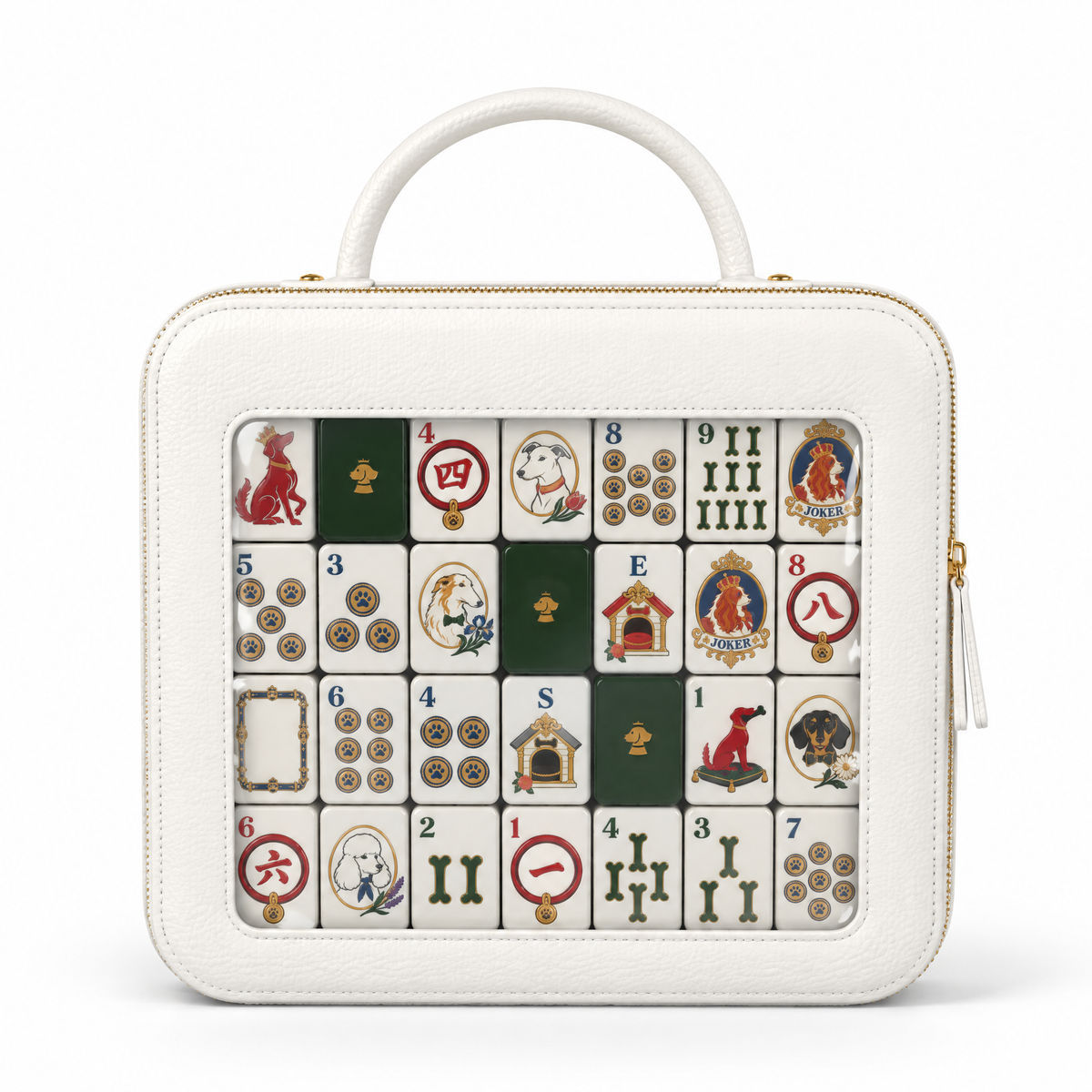
Las Vegas players gather mainly at community centers, public libraries, and through social meetup boards and Facebook groups dedicated to mahjong in Southern Nevada. Most public games run weekly or biweekly, typically 2–4 hours per session, and welcome newcomers—though you should expect to find players of mixed skill levels and house rules that may vary from the National Mah Jongg League standard. Many groups use American mahjong (152 tiles, four players, yearly card-based hands), but some also play Chinese or Hong Kong variants. Before attending, confirm the game type, bring a notebook for scoring, and consider investing in your own set so you learn the tiles and can host games at home.
Where Do Las Vegas Players Meet Weekly?
Clark County Parks & Recreation operates community centers in multiple neighborhoods—check their website for "mahjong" in activity listings. Libraries (especially the East, South, and West Charleston locations) often host game groups and can connect you to established clubs. Facebook groups and Meetup.com boards labeled "mahjong Las Vegas" or "Mahjong Southern Nevada" post session times, skill levels, and house rules. Some country clubs and temple groups also host members-only or pay-per-session games. The best approach: search "community center" + your zip code, call ahead, and ask the activities coordinator or librarian if they know of an active group.

What's the Difference Between American and Chinese Mahjong Games?
American mahjong (the version most Las Vegas groups play) uses 152 tiles with four players, requires the yearly National Mah Jongg League card to determine valid hands, allows no sequences or chows, and involves a formal tile-passing ritual called the Charleston before each round. Chinese mahjong uses 144 tiles, plays with different hand-winning rules (sequences are allowed and can be called), no annual card, and simpler scoring—though house rules vary widely. Hong Kong mahjong is faster-paced, uses 144 tiles, and has rapid-fire discards and calls. When you join a Las Vegas group, ask which variant they play and whether beginners should learn American mahjong rules first, since that's the standard taught in most organized clubs.
🀄 Shop best-selling mahjong sets →
How Do You Find Game-Ready Players as a Beginner?
Start by attending a public session at a community center or library—these are explicitly open to all skill levels. Introduce yourself to the most approachable player and ask if you can observe one round before joining; most players are happy to teach. Bring a pencil and paper to track scoring (or ask the group how they track points). Don't worry about being slow at first—every player started there, and a good group will slow down for newcomers. Once you understand the basics, ask if anyone hosts home games or plays weekly at a regular time; home games are where you build real friendships and get faster.
The key mistake beginners make: joining a competitive game before learning the tile names and hand-reading basics. Spend 2–3 weeks playing casually or watching before diving into a scored session.
What Should You Bring to a Mahjong Game?
Bring a pen and paper for scoring (the group usually tracks points per round and monthly totals). Wear comfortable clothes—you'll sit for 2–4 hours. Bring water and a snack if it's a long session. Some groups share refreshments, so asking "What can I bring?" is always welcome. Most importantly, bring an open mind: house rules differ (how much for payment, whether jokers can be used in certain ways, how draws and wall passes work), and asking about the group's rules in the first five minutes shows respect. If you're serious about playing weekly, consider owning your own acrylic set with clear, readable tiles—it helps you practice at home and earns respect at the table.

Should You Learn at Home or Jump Into a Group?
If you can find a friend or family member who plays, ask them to teach you one-on-one first—you'll learn tile recognition, hand-reading, and the Charleston without pressure. If not, attend a beginner session at a library or community center where the group expects to teach. Avoid jumping into a competitive cash game without understanding at least the tile suits (Bams, Craks, Dots), winds, dragons, and how to read the current year's hand card. Spend 30 minutes learning how to read the mahjong card before your first game—it will cut your confusion in half and speed up every hand.
Once you've played three or four times, you can host a weekly game at home if you have space for four players and a table. A quality mat designed for American mahjong gives you a professional surface and clearly marked player positions, which helps everyone focus on strategy instead of scrambling for tiles.
🎁 See our most-loved mahjong sets & accessories →
Quick Comparison: Finding Your First Game
Where | Pros | Cons | Best For |
Public library group | Free, beginner-friendly, regular times | May be slow-paced, mixed skill | First-timers, no commitment |
Community center class | Structured teaching, affordable | Fixed schedule, seasonal | Learners wanting basics |
Facebook/Meetup group | Active players, flexible times | Variable rules, must vet group | Committed players seeking routine |
Private home game | Friendly, consistent, social | Invitation-only, cash sometimes involved | Intermediate players |
Country club/temple | Established community, stable | May require membership or affiliation | Members seeking social play |
What to Check Before You Commit to a Game
Game type: Ask if they play American (card-based, 152 tiles, no sequences), Chinese (144 tiles, sequences allowed), or another variant. American is the most standardized; if you learn that first, you can adapt to others.
Skill level: Confirm whether the group welcomes beginners or expects intermediate play. A group that says "mixed" usually means 2–3 experienced players and 1–2 newer ones per table, which is ideal for learning.
House rules: Every group has tweaks—payment amounts (if any), whether jokers count as any tile or only specific ones, how draws work, whether a kong allows a fresh tile draw. Write these down after the first session.
Pace and time: Some groups play fast, some slow. If you like a relaxed game, find one that averages 8–10 minutes per round instead of 4–5.
Cost: Many public and library games are free or ask a small table fee (perhaps a couple of dollars per person per session, or voluntary snacks). Ask upfront so there are no surprises.
Once you find a group that fits your style, consider building your own collection at home. A 160-tile American mahjong set includes all the tiles you need to learn and host friends, and Mahstead ships free across the US so you can start practicing today.
What Gear Helps You Play and Host?
If you're attending games at a library or center, you only need a notepad and a pen. But once you join a weekly group or want to host, a few items make play smoother:
A complete set: All 160 tiles in durable acrylic, so you own a full game and can practice tile recognition at home.
A mat: A cloth or bamboo mat with marked player positions keeps tiles organized and makes shuffling easier—especially if you host at a dining table without a dedicated mahjong table.
Racks with pushers: These let you stand tiles upright so your hand is visible and organized, and the pushers let you move tiles forward as you claim new ones (a small detail that speeds up play and reduces mistakes).
A bag: If you're commuting to games, a padded travel bag protects your set and looks professional.
Browse our best-selling collections to find sets, mats, and racks that match your hosting needs and budget.
✨ Find your Mahstead set — free US shipping →
Next Steps: From Spectator to Host
This week: Search "community center" + your Las Vegas neighborhood on Google Maps or call Clark County Parks & Recreation; ask if they have mahjong sessions and when.
Call ahead: Confirm the game type (American or Chinese), skill level, and house rules. Ask if newcomers can watch one round free.
Attend once: Observe, take notes, and ask one friendly player for a quick rules recap during a break.
After two or three games: If you like the group, buy your own set so you can practice at home and eventually host friends.
Host within a month: Once you know the basics, invite two player friends over and invite one experienced player to teach. You'll improve faster and build a home game you control.
A best-selling mahjong set is your entry ticket to a lifetime hobby. Las Vegas has the players; now you have the roadmap. Come join us at the table.

FAQ
Can I play mahjong for money in Las Vegas?
Some private home games include small stakes, but organized public games at libraries and community centers are free or ask only a table fee. Casino mahjong is not legal in Nevada, so all games are informal and social. Always confirm house rules before sitting down.
What's the best mahjong set for a beginner in Las Vegas heat and humidity?
Acrylic tiles resist warping and moisture better than bone or bamboo, and they're durable enough for weekly play. Our 160-tile sets are designed for American mahjong and ship free across the US, so you'll have the same tiles your game group uses.
How long does it take to learn American mahjong well enough to play with a group?
Most players learn enough to play comfortably in 2–4 weeks of casual practice or one weekly session with teaching. Tile recognition and hand-reading are skills you build over months, but the basics—suits, winds, dragons, and how to form a pung—take a few hours.
Do Las Vegas groups play the National Mah Jongg League card?
Most American mahjong groups in Las Vegas use the yearly NMJL card to determine valid hands, since it's the organized standard. Some home games use older cards or house-rules hands. Ask your group which card year they play before your first session.
What's the difference between a mahjong mat and a table cover?
A dedicated mahjong mat has built-in player positions, tile racks, and discard areas to organize play. A tablecloth is just protective covering. A mat is worth the investment if you'll host weekly; a cover is fine if you play occasionally at someone else's table.
Can I bring my own set to a Las Vegas mahjong game, or should I use the group's tiles?
Either is fine. Most groups have a shared set, but some players bring their own acrylic sets to ensure they're comfortable with the tile feel and size. If you bring your set, ask the host first—some groups prefer consistency so everyone plays with the same tiles.


View More
View More
View More
