
Mahjong Open Play in Austin: Where & How to Join
Last updated: Nov 23, 2026
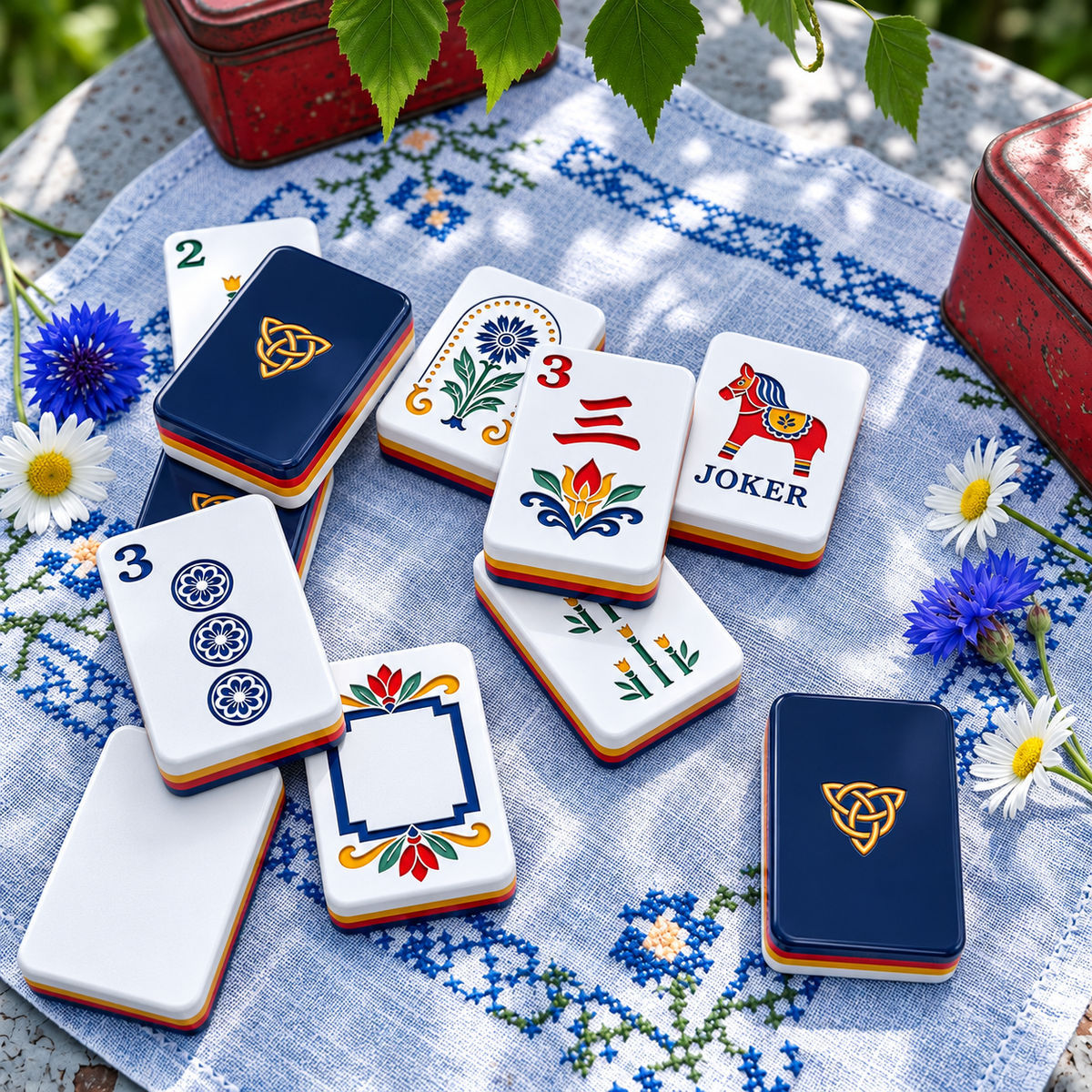
Austin's mahjong scene thrives in community centers, libraries, synagogues, and country clubs, plus informal meetup groups on community boards and social apps. Most open play follows American mahjong rules: four players, 152 tiles, one hand per rotation from the current National Mah Jongg League card. Games typically run 1–3 hours; bring cash for friendly stakes or play socially. To join, search local community centers' recreation calendars, check library bulletin boards for club flyers, post on neighborhood apps, or ask at synagogues and clubs in your area. Beginners are welcome almost everywhere, especially if you learn basic rules first via YouTube or a quick guide. You'll need a personal set if you host regularly—best-selling mahjong sets from Mahstead are built to last through countless Austin game nights.
Austin's mahjong open play scene thrives in community centers, libraries, synagogues, and country clubs, plus informal meetup groups on community boards and social apps. Most open play follows American mahjong rules: four players, 152 tiles, one hand per rotation from the current National Mah Jongg League card. Games typically run 1–3 hours; bring cash for friendly stakes or play socially. To join, search local community centers' recreation calendars, check library bulletin boards for club flyers, post on neighborhood apps, or ask at synagogues and clubs in your area. Beginners are welcome almost everywhere, especially if you learn basic rules first via YouTube or a quick guide. You'll need a personal set if you host regularly—best-selling mahjong sets from Mahstead are built to last through countless Austin game nights.
Where exactly do Austin players gather for open play?
Austin's mahjong community meets in three main venues: public-sector spaces (community centers, libraries, recreation departments), faith-based locations (synagogues, churches with game rooms), and private members' clubs (country clubs, social organizations). Community centers typically post weekly game schedules on their websites or recreation guides; start there. Libraries often host bulletin boards and may run informal meetups themselves. Synagogues frequently host mahjong nights, particularly on weekends. Check your neighborhood app, Nextdoor, Meetup.com, or Facebook groups for active player networks—Austin has enough enthusiasts that open games post regularly.

What rules and hand format should you know before walking in?
American mahjong uses the National Mah Jongg League card—a reference sheet updated yearly that lists legal winning hands. Every legal hand contains exactly 14 tiles: one pair (two identical tiles) plus 13 tiles in specific patterns (exposed groups of three or more identical tiles, called pungs or kongs; or concealed tile combos). Unlike Chinese or Hong Kong mahjong, you cannot build sequences or call tiles mid-game; you complete your entire hand in one draw. The Charleston—a tile-passing ritual—begins each game; learn its three passes in under two minutes. Study the current year's card format before joining open play, or ask a host to explain as you learn. This gives you enough context to play socially without slowing the table.
🀄 Shop best-selling mahjong sets →
What should beginners bring and expect at an open play game?
Bring photo ID, cash (stakes vary from casual dimes to dollars per hand, often decided by the group), a pen to score, and willingness to watch a round or two. Most Austin open play groups are welcoming to newcomers; sit out the first hand and observe. Tables usually feature a set (152 tiles, pushers, racks), a mat to keep tiles organized, and dice for dealer rotation. Play moves briskly—expect 10–15 minutes per hand once everyone knows the rhythm. Scoring, not luck, dominates; study the card in advance or ask for a rule explanation. Bring a mahjong mat if you're invited to a home game; it signals you're prepared and keeps tiles from sliding.

How do you host an open play game in Austin if you're ready to lead?
Start by inviting three other players to your home or a public space you reserve (some Austin parks allow groups; community centers rent small rooms by the hour). You'll need one complete 160-tile set with racks, pushers, a scoring pad, and the current year's National Mah Jongg League card. Decide stakes upfront (friendly, dollar-based, or social-only). Run the Charleston, deal tiles, and refer to the card for legal hands. If you're the most experienced, expect to answer questions—keep a rules guide or your phone handy. Host regulars every week or two; word spreads quickly in Austin's connected player community. Invest in a durable engraved or personalized set so your group becomes known for hosting at a specific venue.
What mistakes do newcomers make, and how do you avoid them?
Mistake | What Happens | How to Avoid |
Calling a hand that's not on the card | Automatic loss and possible table tension | Print or screenshot the current year's card; verify your hand before declaring |
Using jokers in a single tile or a pair | Rules violation; hand is dead | Remember: jokers substitute only in exposed groups of 3+ tiles, never singles or pairs |
Forgetting the Charleston order or passing wrong | Game starts chaotic; tiles reset | Write down the three passes (pass right, pass left, pass across) and do one full practice round |
Asking for a discount or favor mid-game | Disrupts flow; looks unprofessional | Agree on all stakes and expectations before tiles are drawn |
Playing without checking the current card | Your hand might be legal for last year but illegal now | Confirm the card date with the group before your first game |
The biggest trap: assuming American mahjong is like Asian variants you've seen. American rules are entirely different—no sequences, no mid-game calling, one hand per rotation from the card. Spend 20 minutes on our how-to-play guide before joining open play; it pays dividends.
🎁 See our most-loved mahjong sets & accessories →
What do you need to set up and maintain your own regular open play group?
One 160-tile set, four racks with pushers (or one set's racks shared), one mat, a scoring pad, the current National Mah Jongg League card (photocopy or your phone), and a small storage bag or case to transport everything. If hosting at home weekly, keep the set out on a dedicated table or store it in a case and unpack 15 minutes before guests arrive. Check tiles for cracks or missing pushers monthly; acrylic sets last years with light care. Replace worn or clouded tiles only if a whole rack is damaged—individual replacements disrupt the set's balance. If you travel to other players' homes, bring your own set and mat; many Austin hosts appreciate the courtesy. A personalized or themed set makes your group memorable and signals commitment to the hobby.
What to check before you buy a mahjong set for Austin open play:
Tile clarity: Can you read numbers from three feet away? Bright, engraved tiles beat faded ones for group play.
Pusher fit: Do pushers glide smoothly without jamming? Test them during the first game.
Rack stability: Do racks sit flat and not tip when pushed? Wobbly racks slow play.
Bag durability: Does the case seal well and protect tiles in a car trunk for Austin heat and humidity? Soft bags are lighter for hosting at parks.
Spare jokers and blanks: Does your set include extras? Travel wear happens; having spares keeps your group playing.
✨ Find your Mahstead set — free US shipping →

FAQ
Do I need to know how to play before joining an Austin open play group?
No. Most Austin groups welcome newcomers and teach basics before the first hand. Watch one round, ask questions, and jump in round two. Reading the National Mah Jongg League card and understanding the Charleston beforehand helps enormously but isn't required.
What is the typical cost of playing in Austin mahjong open play?
Stakes vary widely. Casual home games are often social-only (no money). Organized groups might play for stakes ranging from friendly small amounts per hand to dollar-based games. Confirm stakes with the host before sitting down.
Where is the best place to find an Austin mahjong group as a beginner?
Start with your local community center's recreation calendar or the library's bulletin board. Next, post on Nextdoor or search Meetup.com for "mahjong" plus your neighborhood. Synagogues in central Austin often advertise weekly mahjong nights. Ask at local senior centers or country clubs.
Do I have to own my own mahjong set to play in Austin open play?
No. Hosts provide sets during open play. However, owning your own set (or sharing one with a friend) is essential if you want to host games yourself or play regularly in informal settings.
How long does a typical open play game last in Austin?
Most games run 1–3 hours depending on the group's pace and commitment. Casual home games often end after 8–12 hands. Organized group meetings may block two hours, playing continuously. Ask the host how long they expect before arriving.
What's the difference between open play and tournament mahjong in Austin?
Open play is informal, social, and plays any hand on the current year's card. Tournaments (held annually or seasonally in Texas) have strict rules, time limits, and formal scoring. Start with open play to build confidence, then explore tournaments later if interested.


View More
View More
View More
