
Where to Play Mahjong in Jacksonville: Venues & How to Start
Last updated: Nov 23, 2026
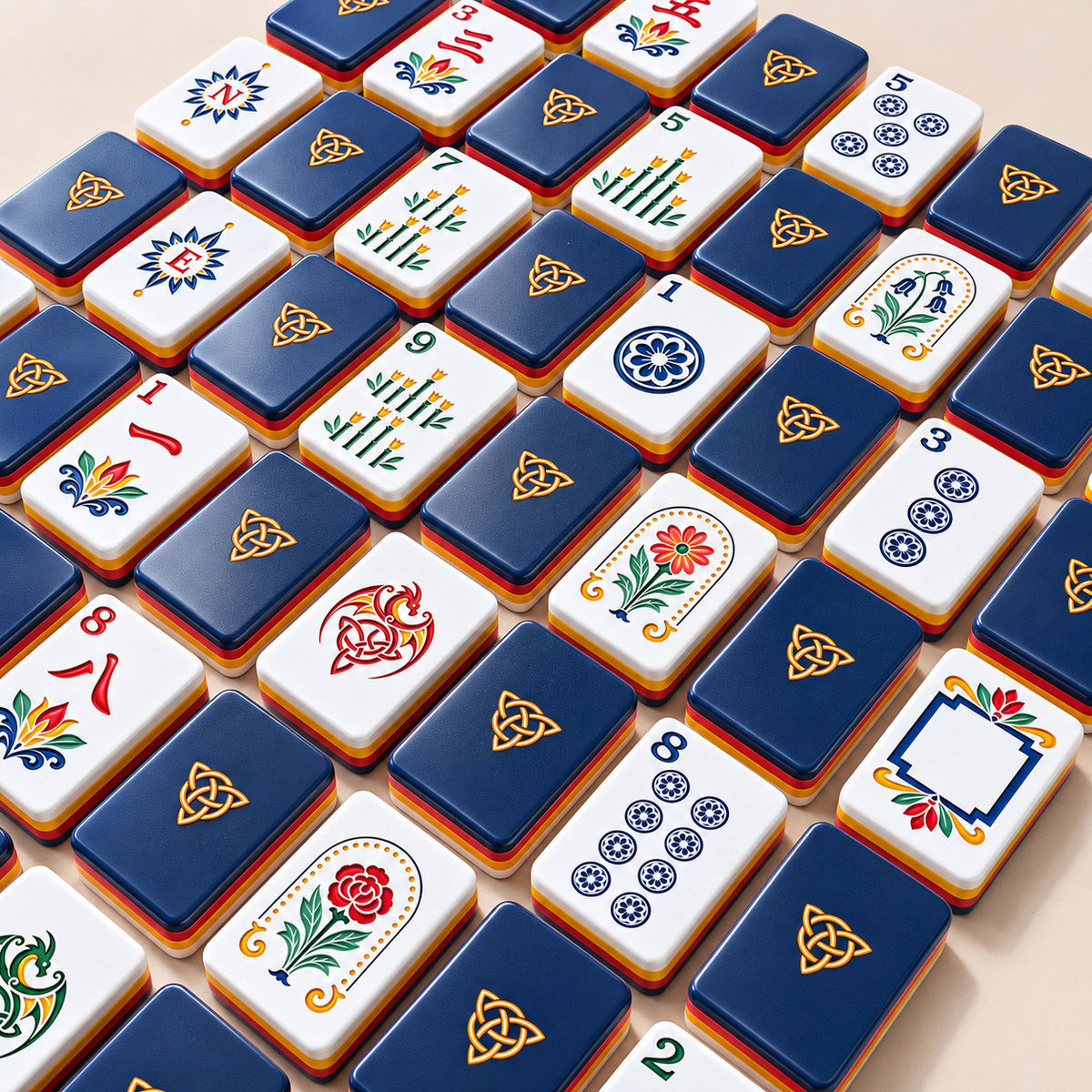
Mahjong in Jacksonville is played at community centers (check the Parks and Recreation Department), public libraries (call ahead about game schedules), and private country clubs and synagogues that host weekly groups. Some players organize casual home games through Meetup or Facebook community boards. Most games meet weekly for 3–4 hours in the late afternoon or evening. Before you show up, confirm whether the group plays American mahjong (most Jacksonville players do) or another variant, what the tile-passing ritual called the Charleston involves, and whether you need to bring your own set or the host provides one. Starting out, you'll want a complete 160-tile set, a mat to protect the table, and pushable racks if you prefer not to hold tiles by hand—all items from our best-selling mahjong sets collection work for new players joining established groups.
Jacksonville has a growing mahjong community across community centers, public libraries, and private country clubs and synagogues that host weekly groups. Some players organize casual home games through Meetup or Facebook community boards. Most games meet weekly for 3–4 hours in the late afternoon or evening. Before you show up, confirm whether the group plays American mahjong (most Jacksonville players do) or another variant, what the tile-passing ritual called the Charleston involves, and whether you need to bring your own set or the host provides one. Starting out, you'll want a complete 160-tile set, a mat to protect the table, and pushable racks if you prefer not to hold tiles by hand—all items from our best-selling mahjong sets collection work for new players joining established groups.
Where do Jacksonville players actually gather?
Most Jacksonville players start by calling their local Parks and Recreation Department to ask about mahjong clubs at neighborhood community centers—the Beaches, Riverside, Southside, and Downtown branches are the most active. Public libraries (especially the main branch and Riverside branch) often host informal game groups and can refer you to established players. Check their events calendars online or phone ahead to confirm current schedules. Synagogues with active adult programs—particularly in the Riverside and San Marco areas—frequently host weekly mahjong nights; contact them directly through their websites. Private country clubs and golf communities throughout Jacksonville also run afternoon and evening groups, usually for members only. The most reliable way to find an active game is to join local Jacksonville Meetup boards, Facebook groups focused on game nights, or ask at a library—word-of-mouth referrals within the community are more reliable than online searches.

What's the difference between American and other mahjong variants?
American mahjong uses 152 tiles in play (plus 8 jokers) and requires hands only from the current year's National Mah Jongg League card issued each spring. You cannot call or expose sequences; only identical sets like three 5 Dots are valid, plus jokers—which cannot appear in pairs or single tiles. Players pass tiles in a ritual called the Charleston before each hand begins. Chinese, Hong Kong, Riichi, and Taiwanese variants play differently: they use sequences and honor different hand types, have different joker rules, and play from memory rather than a card. Jacksonville groups are almost always American mahjong groups, so ask before joining. If you're new and the host plays American, read How to Play American Mahjong to understand the Charleston, tile exposure rules, and scoring so you walk in confident.
What equipment do you need to bring or buy?
If you're joining an established group, ask the host whether you should bring your own set or if the host provides for all four players. If you need your own, a standard 160-tile American mahjong set includes all 152 playing tiles (divided into Bams, Craks, Dots, Winds, Dragons, and Flowers) plus 8 jokers and spare tiles. Most hosts expect you to have pushable racks with pushers to hold your tiles neatly—they're easier than holding tiles in your hand and prevent the table from becoming crowded. A mat protects the playing surface and keeps tiles from sliding; it's not required but makes games last longer and feel more professional. A small tile storage bag protects your set during transport and storage. Mahjong racks with pushers and mahjong mats are inexpensive and worth buying before your first game so you don't slow down play.
Item | Why you need it | Notes |
160-tile set | Required to play | Includes all suits, winds, dragons, jokers |
Racks with pushers | Recommended | Holds 13-14 tiles, keeps hands organized |
Mat | Recommended | Protects table, prevents tile sliding |
Tile bag | Optional | Protects set during transport |
Current year's card | Required | National Mah Jongg League card for your group's year |

How do you read the mahjong card and why does it matter?
Every American mahjong hand comes from a card issued by the National Mah Jongg League each spring. The card shows the year at the top and lists all valid hand patterns for that year, organized by number (1 through 72, depending on difficulty level). Each pattern tells you exactly which tile combinations win: for example, "Pung of 2 Bams, Kong of 3 Craks, Pung of Red Dragons, and a pair of Winds." Jokers can substitute for any tile except a pair. You win by being the first to form one complete hand from the card. Before your first game, spend 15 minutes learning how to read one section of the card—it looks dense but follows a consistent pattern once you recognize it. Visit How to Read the Mahjong Card for a detailed walk-through, and bring your host's current year's card to your first game—don't guess or play an older card.
🀄 Shop best-selling mahjong sets →
What happens on your first night—and what to avoid?
Arrive 10 minutes early, introduce yourself, and ask the host to explain the scoring system and any house rules (some groups use different payment structures or kong penalties). Watch one hand before you play if you're unsure. During the game, never expose your hand or tiles to other players, count your discards carefully, and ask the host before picking up a tile to discard. Never skip the Charleston—it's a required tile-passing ritual at the start of each hand and prevents anyone from controlling their tiles unfairly. Common mistakes: playing tiles out of order, holding back a tile you should discard, calling a hand incorrectly, or forgetting to announce when you go out. Ask the host immediately if you're confused—experienced players expect beginners to ask questions. Most Jacksonville groups are welcoming; the game moves slowly at first, then faster as you learn the patterns and rhythm.
🎁 See our most-loved mahjong sets & accessories →
What to check before you buy your first set
Before purchasing a set, confirm with your host group whether they play with tile racks and what mat size fits their table (most use mats 32–36 inches square). Ask if your set needs to be engraved or if a standard set is fine—some private clubs request personalized tiles so players can identify their own set quickly. Check that any bag you buy fits standard American sets (160 tiles plus racks). Look for acrylic tiles because they're durable, easy to clean, and won't chip during regular play. Order early if you're planning to gift a set to another player—shipment across the US is free, but confirming delivery before your first game prevents last-minute stress.
✨ Find your Mahstead set — free US shipping →

FAQ
Is there a mahjong league or tournament in Jacksonville I can join after I learn?
Contact your local Parks and Recreation Department and ask whether they organize tournaments or league play. Many Florida cities run seasonal competitive events; Jacksonville groups occasionally travel to regional tournaments. Your host group will know the best entry points once you're comfortable with the rules.
Can I learn mahjong at home and then join a Jacksonville group, or do I need a teacher?
You can absolutely learn from online guides and practice at home, but watching a real game first accelerates your learning. Most Jacksonville groups welcome beginners and explain the rules on the spot. Read Mahjong for Beginners to build confidence before your first night.
Do I need a special mat, or can we play on any table?
Any clean, flat table works, but a dedicated mahjong mat protects the surface, keeps tiles from sliding, and makes the game feel more organized. A standard mat lasts for years and prevents frustration. See How to Choose a Mahjong Mat for sizing tips.
What's the Charleston, and why do all groups use it?
The Charleston is a tile-passing ritual before each hand where players exchange tiles in a specific pattern. It ensures fair play and prevents anyone from stacking their hand. The Charleston Explained breaks down every step so you can practice at home first.
If I buy a 160-tile set, will it work with any Jacksonville group?
Yes. All American mahjong groups use 152 tiles in play plus 8 jokers, so a standard 160-tile set is compatible everywhere. Ask your host whether they want you to bring racks; most do, but a few groups hold tiles by hand instead.
How much does it cost to play in a Jacksonville group?
That depends on the group's house rules. Some meet for free as a social hobby, others collect small stakes for winners, and a few use tournament scoring. Ask the host before your first night so there are no surprises.


View More
View More
View More
