
Where to Play Mahjong in Houston: Local Spots & Game Setup
Last updated: Nov 23, 2026
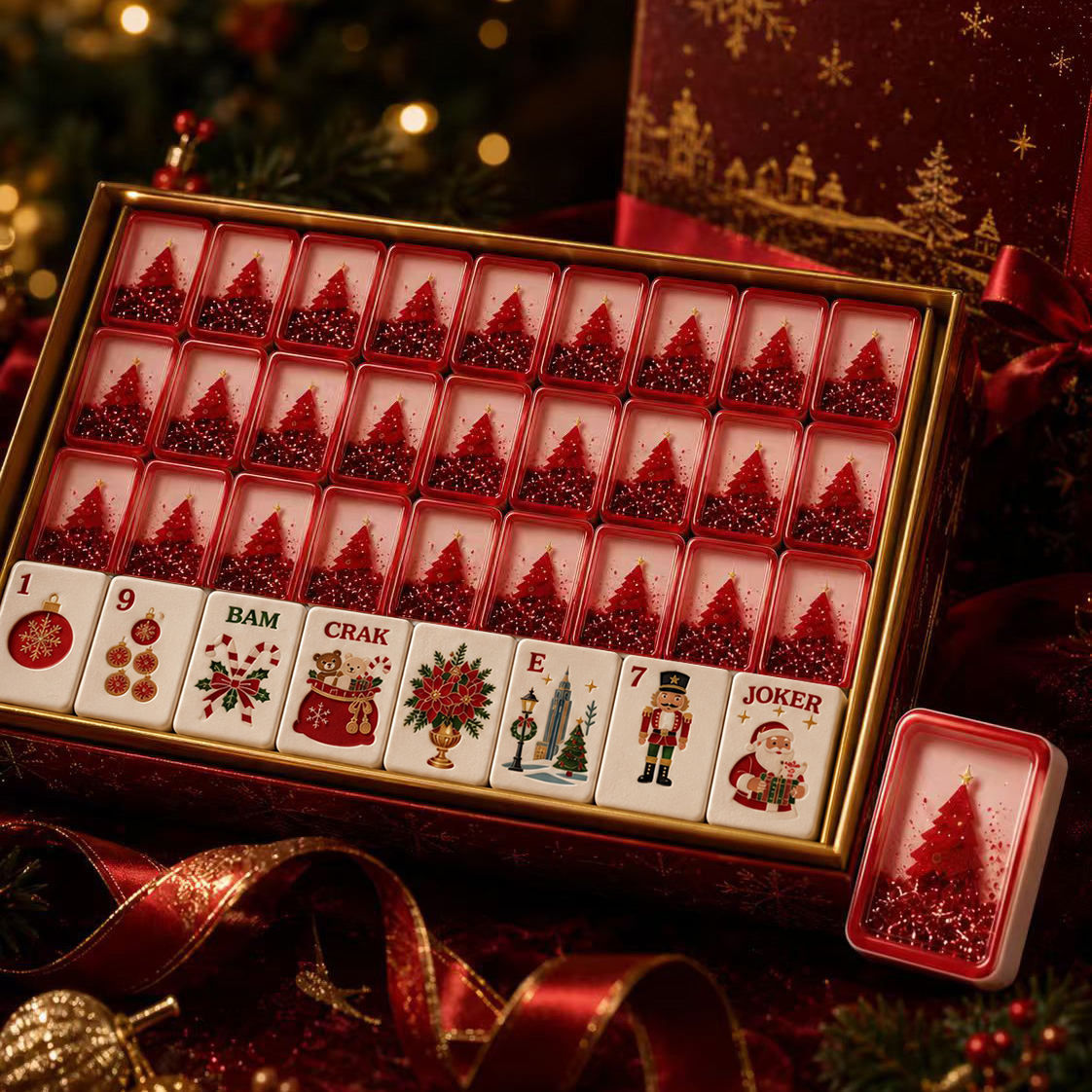
Houston mahjong players connect through community centers (check parks and recreation departments), public libraries (many host game nights or maintain bulletin boards), synagogues and cultural centers (especially strong for American mahjong), and private country clubs. You can also search Meetup.com for Houston mahjong groups, ask at local game shops, or post in neighborhood Facebook groups—many games run weekly Tuesday through Thursday evenings and weekend afternoons. Most games use the National Mah Jongg League card (current year only) and play for fun or modest stakes. To join, bring a friend, watch a round, and learn the basics of American mahjong before sitting in. If you'd like to host your own, you'll need a 160-tile set like those in our best-selling collection, a dedicated mat, and racks—we can help with all three.
Where Do Most Houston Players Gather?
Houston has no single central club, which means games are scattered across neighborhoods. Community centers in Bellaire, Uptown, and near Hermann Park often host open mahjong nights or leagues that welcome newcomers—call ahead to confirm current schedules. Libraries in the Houston Public Library system sometimes sponsor game afternoons; check their events calendar online. Jewish community centers and cultural organizations run regular games year-round. Private games happen in homes and clubs; the easiest way in is a referral from someone already playing. Post on Nextdoor or local Facebook groups to find neighborhood players; many will invite you to join an established table.
🀄 Shop best-selling mahjong sets →

What Should You Know Before Joining an Existing Game?
Most casual Houston games play American mahjong with the current National Mah Jongg League card. Bring cash (games often collect a small buy-in or play for friendly stakes). Arrive early to watch a hand or two before playing—every group has house rules on things like bonus scoring or whether jokers can appear in certain positions. Ask the host if it's ACBL-standard rules or a local variant. Wear comfortable clothes; games last two to four hours. Never assume you know the house rules; ask. Most players are welcoming and will explain their table's specifics before you sit down. If you don't know how to read the card yet, say so—most groups are happy to teach beginners who show genuine interest.
How Do You Host Your Own Weekly Game at Home?
Start with a clear space—a dining table or a 36-by-36-inch dedicated mahjong table works. You'll need a 160-tile set (152 tiles plus spares for emergencies), a mat to keep tiles organized and protect the table, and ideally four racks with pushers so players can sort and display tiles comfortably. Set up the mat before guests arrive. Decide in advance whether you're playing ACBL standard or house rules; write them down and share them when people arrive. Print copies of the current National Mah Jongg League card, or ask players to bring their own. Start at a consistent day and time (Tuesday nights at 7 p.m., for example) so people can commit. Provide snacks and water; mahjong players are social and hungry. If you're new to hosting, watch one session at a local game first to see how the table flows.
Our mahjong mats come in several sizes and materials—choose based on your table dimensions and whether you want something you can fold away or a permanent cover. Pair it with racks and pushers so guests can manage their tiles easily, especially if they're new players.
🎁 See our most-loved mahjong sets & accessories →
Which Set and Accessories Make Hosting Easier?
A quality acrylic set lasts for years and looks professional at the table. Look for sets with clear tiles (so you can read numbers and suits instantly), distinct colors for the three suits, and tiles that feel substantial—not too light or slippery. Engraved sets with names or jokes add personality to a regular group; many hosts personalize their set after a season of games. Avoid sets with tiles that stick together or paint that chips easily; cheap sets frustrate new players and slow down the game.
Item | Who Needs It | Why It Works |
160-tile set (acrylic) | Every host | Durable, readable, lasts years |
Mahjong mat | Hosting at home | Protects table, organizes tiles, professional feel |
Racks with pushers | Guests (esp. beginners) | Easier tile management, cleaner game flow |
Dice (included in most sets) | Determining winners, house rules | Randomizes dealer each round |
Travel bag or case | Players who rotate hosts | Protects set during transport, keeps tiles organized |
Check out our engraved American mahjong sets if you want a set that reflects your group's personality or inside jokes. Many long-running Houston groups have custom sets that become part of their table identity.

What Mistakes Do New Houston Hosts Make?
Not reading the current year's National Mah Jongg League card before the game. The card changes every spring; if you're using last year's card, half your hands won't work. Buy or print the 2026 card before inviting players.
Underestimating how long a round takes. A four-player round with scoring (no scoring shortcut) takes 15–20 minutes, not five. If you only have an hour, you'll fit in three to four hands—which feels rushed. Plan for at least two hours.
Skipping the Charleston or doing it wrong. The tile-passing ritual at the start of each game matters; it randomizes the tiles and sets the tone. If you're new to hosting, watch a video or read our Charleston guide before game night so you can lead it confidently.
Using a set with unclear tiles. If players can't read the suits or numbers quickly, the game slows down and frustration builds. Acrylic sets with crisp printing avoid this entirely.
Not discussing house rules upfront. Some groups allow jokers in pairs; others don't. Some change the dealer after each hand; others after a win. Clarify everything before tile one.
Getting Started: A Checklist for Your First Game
[ ] Find a game online (Meetup, Facebook groups, library bulletin board)
[ ] Call ahead to confirm date, time, and entry rules
[ ] Bring cash (ask the host if there's a buy-in)
[ ] Arrive 10 minutes early and watch one hand
[ ] Ask about house rules before sitting down
[ ] Review the basics of how to play if you're unfamiliar
[ ] If hosting: buy a 160-tile set, mat, and racks; pick a consistent day and time; send a group text reminder the day before
What to Check Before You Buy Equipment
Tile readability. Can you see the suit symbol and number clearly from across the table? If not, return it.
Mat size. Does it fit your table? Measure your playing surface before buying; mats come in different sizes.
Rack stability. Do the racks tip over easily, or do they feel solid? Wobbly racks frustrate new players.
Set completeness. You need exactly 152 tiles plus 8 jokers for standard American mahjong play (160-tile sets include spares). Count the set when it arrives and verify all four copies of each tile.
Shipping protection. If tiles arrive loose in a box, they'll arrive cracked. Our sets ship in padded cases designed to survive a few bounces.
Storage. Where will you keep the set between games? A dedicated bag or case keeps everything together and travel-ready.
✨ Find your Mahstead set — free US shipping →

FAQ
Can I play mahjong at a casino in Houston?
No legal casinos in Houston offer mahjong tables. Games happen in homes, community centers, and private clubs. Some games involve small money stakes among friends, but it's always private.
Do I need to know any Chinese to play American mahjong in Houston?
No. American mahjong uses English names for suits and honors; the National Mah Jongg League card is all numbers and letters. Knowing Chinese terms (Bam, Crak, Dot) helps, but it's not required.
What's the typical age range at Houston mahjong games?
Very mixed. You'll find players from their 30s to 80s. Multi-generational tables are common, especially at community centers and cultural organizations.
How long does a game last?
A full game is typically four rounds (one for each wind position), about 60–90 minutes total if you're scoring. Casual groups often play one or two rounds and wrap up. Ask your host beforehand.
Do I have to bet money to play in Houston?
No. Most community center and library games are strictly for fun. Private games might involve small friendly stakes, but that's always disclosed upfront. Never feel obligated to play for money.
What if I move to Houston and want to start a new game with coworkers?
Start with the equipment: a 160-tile set, a mat, and racks. Host a learning session using our beginner guide. Recruit friends, set a weekly day and time, and grow from there. Most groups start with 4–8 core players.


View More
View More
View More
