
Where to Play Mahjong in Boca Raton: Clubs, Lessons & Community
Last updated: Nov 23, 2026
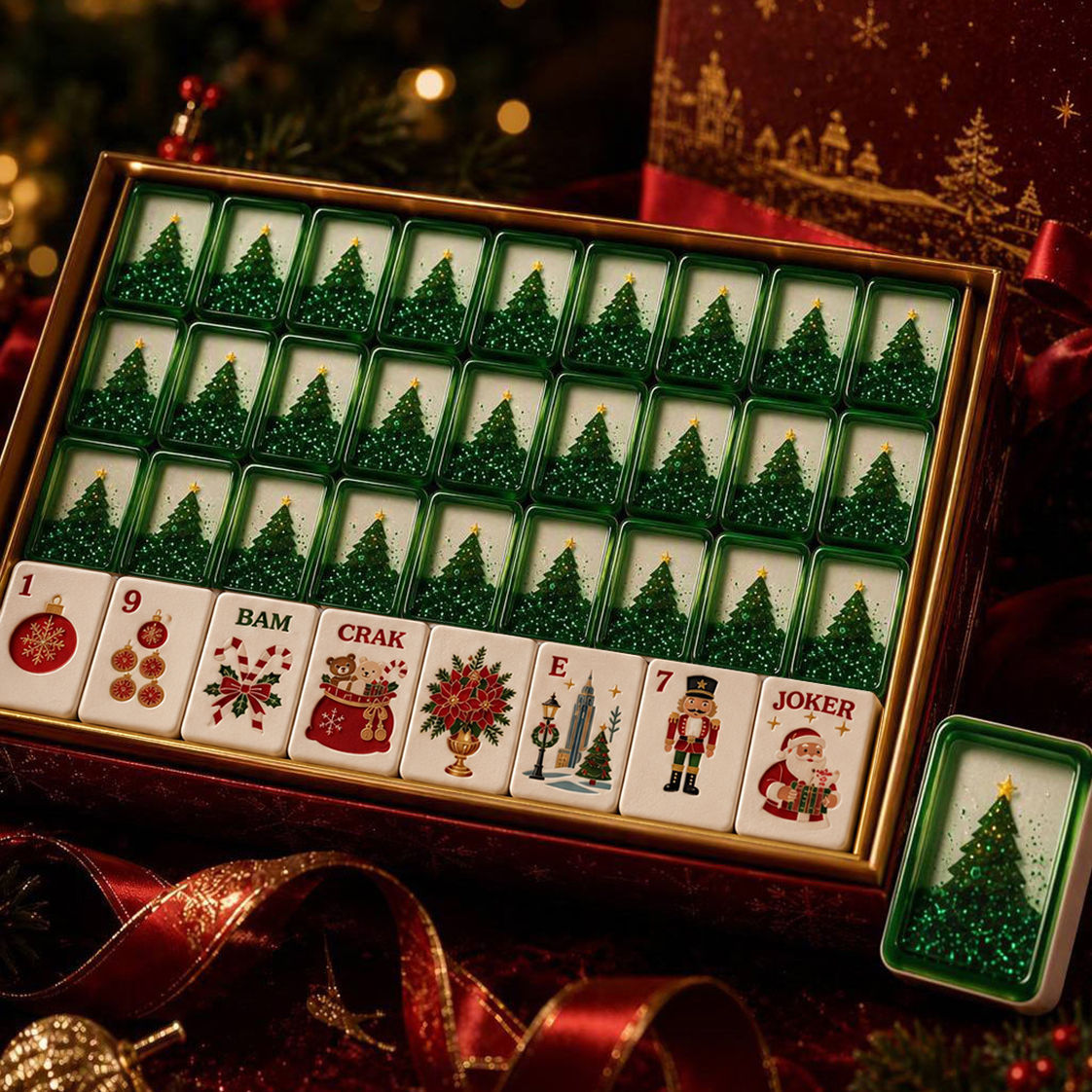
Boca Raton's mahjong players gather at community centers, country clubs, synagogues, and senior recreation facilities—many advertise weekly games on bulletin boards or through meetup platforms. Start by calling your local community center or library to ask if they host mahjong groups; synagogues with active memberships often welcome newcomers to Thursday or Friday afternoon sessions. If you're new to American mahjong, expect a learning curve: the current year's National Mah Jongg League card is essential, and most groups will teach you how to read it. Join a beginner-friendly table first—competitive play comes later. Bring cash for modest stakes (games vary by group), a notebook to track scoring, and a willingness to ask questions. Many Boca Raton players own a personal acrylic American mahjong set with a carrying case so they can join games anywhere. Contact venues directly rather than relying on outdated listings; groups shift locations and schedules seasonally.
Boca Raton's mahjong community runs deep—from casual weekend tournaments to standing Tuesday-night games that have played for decades. If you're hunting for where to play, you're in luck: the city has enough venues and groups that you can find a table that matches your skill level and schedule. Here's the practical path to joining in.
Where do most Boca Raton mahjong groups meet?
The strongest concentrations are at community centers (Palm Beach County Parks & Recreation runs several), country clubs with recreation committees, synagogues with active adult programs, and senior centers that sponsor weekly tables. Most advertise on internal bulletin boards or email lists rather than online; call ahead. Country clubs often require membership or a guest pass; community centers and synagogues are usually open to the public. Senior centers welcome younger players too—age is no barrier. Private home games are common but harder to find as an outsider; ask players at your first public game if they know of home sessions looking for a fourth.

How do I find a game that matches my skill level?
Ask the venue organizer which tables are for absolute beginners versus intermediate or advanced players. A true beginner table will have someone teaching hand-reading and how to use the National Mah Jongg League card; they'll explain how the Charleston works and wait while you look up tiles. Intermediate groups still welcome newcomers but expect you to know basic rules before you arrive. Call or email the group coordinator before showing up; they can tell you exactly what to expect and whether that week's session is teaching-friendly. Boca Raton has enough players that you don't have to join the first table you find—shop around until you find your pace.
What equipment do I need to bring or own?
You don't need anything to attend a game at a public venue—the group supplies the tiles and mat. However, if you want to play regularly or host your own games, owning a personal set makes sense. American mahjong uses 152 tiles plus 8 jokers, played on a felt mat with racks and pushers to keep tiles organized. Here's what a typical player owns:
Item | Purpose | Why players love it |
160-tile acrylic set | Durable, portable tiles for any game | Outlasts paper; reads clearly under lights |
Felt mat with scoring area | Defines play zone and tracks points | Fits standard tables; marks winds/directions |
Rack with pushers | Organizes your hand; pushes tiles forward | Speeds play; hides your tiles from others |
Canvas or nylon bag | Protects set during transport | Fits in a car; keeps tiles safe at home |
Small notepad | Tracks game scores and hands | Prevents disputes; helps you improve |
New players sometimes buy a set before joining their first game—it's a good move if you plan to play weekly. A best-selling acrylic set and a mat suited to your table size will serve you for decades.
What's the typical cost to play in Boca Raton games?
Most casual and beginner games run for low stakes—often a dollar or two per hand, with a modest pot for the winners. Competitive games may be higher; ask the coordinator before you sit down. Pay attention to the scoring method, which determines winnings: American mahjong scores by hand and point value, not fixed per-game amounts. Stakes vary by group; some play for nothing except bragging rights. Show up with small bills and a clear head about your budget. If you're uncomfortable with money games, ask about non-stakes sessions—many groups rotate between casual and betting tables throughout the month.

What should you do before your first game?
Learn the basics online or from a tutorial video first. You don't need to memorize anything, but knowing what a pung, kong, and quint are saves embarrassment at the table. Bring the National Mah Jongg League card (the group will have spares, or download it free from the League), a pen, and a small notepad. Tell the coordinator it's your first time; experienced players love teaching and will walk you through each hand. Arrive 10–15 minutes early so you can meet the group and ask questions before tiles move. Don't be afraid to stop and ask "Wait, is this a pung or a kong?"—everyone did it once.
🀄 Shop best-selling mahjong sets →
How do I connect with online groups or newsletters?
Many Boca Raton mahjong clubs post schedules on meetup boards, Facebook groups for local players, and community center websites. Call the Parks & Recreation department or visit the library reference desk—staff can point you to posted flyers and contact names. Some groups send email reminders to regulars; once you attend one game, ask to be added to the list. Don't rely solely on Google Maps or generic search results; direct phone calls to venues work best. Turnover is low—some tables have the same four players for years—so asking at your first game "Are there other groups I should know about?" almost always leads to a phone number or a name.
🎁 See our most-loved mahjong sets & accessories →
What to check before you buy your own set or mat
If you're ready to invest in equipment, measure your play table first—a mat that's too large slides around, and one too small cramps your rack space. Acrylic tiles are heavier and quieter than bamboo and last longer; they're ideal if you play weekly. Consider whether you want a set with titles engraved on the tiles (helps you learn suit names faster) or a plain set. Pick a canvas or nylon bag that fits your mat rolled up—most Boca Raton players keep their sets in their cars for portability. Don't overbuy extras; a spare set or extra jokers aren't necessary unless you're hosting multiple games per week. Test before committing: attend three public games first, then decide if you want your own equipment.
✨ Find your Mahstead set — free US shipping →

FAQ
Do I need to know how to play before I show up to my first game in Boca Raton?
No. Call the venue or group coordinator first and ask if that session welcomes absolute beginners. Most public tables do and will teach you as you play. Watch one hand before you join if you're nervous; no one minds.
What's the best time of year to join a Boca Raton mahjong group?
Fall and winter are peak seasons in South Florida; groups are most active September through April. Summer is slower but not dead. Call ahead any time—a good group welcomes newcomers year-round.
Can I play mahjong if I don't have my own set?
Yes. Every game venue provides tiles, a mat, and racks. You don't need to own anything to play. Many players use the venue's equipment for a year before buying their own set.
How much does it cost to join a mahjong group in Boca Raton?
Joining is free. Game stakes vary—some tables play for no money, others for a dollar or two per hand. Ask the coordinator before your first session so you know what to bring.
How long does a typical mahjong game last in Boca Raton?
A single hand takes five to fifteen minutes depending on experience. Most groups play for two to three hours. Beginners often play shorter sessions; competitive groups may go longer.
Will I understand the National Mah Jongg League card on my first try?
No—almost no one does. It's a reference, not a memorization tool. Experienced players beside you will point to the patterns and call out tiles. After three or four games, you'll start recognizing shapes.
Is there a difference between beginner-level and advanced mahjong in Boca Raton?
Yes. Beginner tables are slower, more forgiving, and focus on learning. Advanced tables move faster, penalize mistakes harder, and require you to recognize hands instantly. Start at beginner; move up when the coordinator suggests it.


View More
View More
View More
