
Where to Play Mahjong in Baltimore: Clubs, Lessons & Community
Last updated: Nov 23, 2026
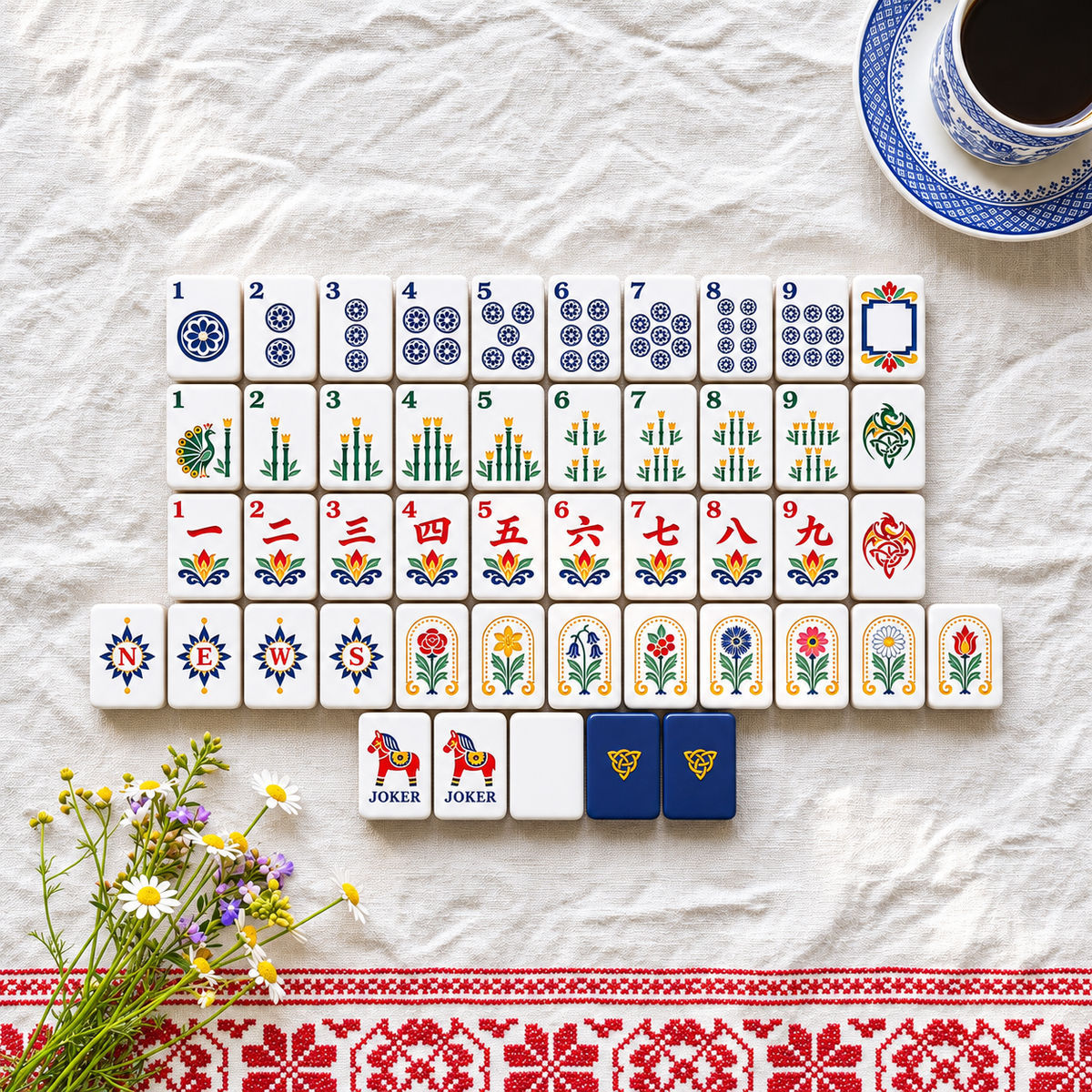
Baltimore's mahjong community centers around libraries, community centers, and private clubs hosting weekly or monthly games. Start by contacting the Enoch Pratt Free Library system and local Jewish community centers—both frequently host mahjong groups open to players of all levels. Country clubs and women's organizations in the area run regular tournaments and casual games. Search meetup boards and community Facebook groups for "mahjong Baltimore" to find current game schedules and drop-in sessions. Most games follow American mahjong rules and require familiarity with the current National Mah Jongg League card. No prior experience? Many groups offer teaching games on rotating nights. Check our beginner guide to learn the fundamentals before your first session.
Where do Baltimore players actually gather each week?
The Enoch Pratt Free Library system and neighborhood branches often host public mahjong groups on weekday afternoons and evenings. Jewish community centers in the Baltimore metro area run dedicated mahjong programs with seasonal tournaments. Many country clubs and private social clubs maintain active mahjong nights, though membership is typically required. Private home games occur regularly among established player networks. Start by calling your nearest library branch directly—librarians track community program calendars and can direct you to active groups.

What's the difference between beginner-friendly and competitive games?
Beginner-friendly games teach hand-reading, tile management, and basic strategy at a slower pace; competitive games assume you know the rules and follow the current year's National Mah Jongg League card without guidance. Beginner groups often play for points only; money games typically occur at more experienced tables. When you call a venue, ask explicitly: "Do you teach new players?" and "What year's card do you use?" Most Baltimore groups use the current year's card and expect players to have one at the table. If you've never played, plan to observe a game first—watching hands form teaches more than rules alone.
🀄 Shop best-selling mahjong sets →
How do I find a game that matches my schedule?
Check meetup.com and Facebook community groups for "mahjong" + "Baltimore" to see posted schedules and contact hosts directly. Libraries and community centers publish programs online; search their events calendars. Call ahead—many groups don't advertise widely and rely on word-of-mouth. Tuesday and Thursday afternoons are common for library games; weekend games happen at clubs and homes. If no public game fits, organizing a home game with three friends is your fastest entry point: you need one American mahjong set, four players, a mat, and the current year's card.

What should I bring to my first game?
Bring a notebook and pen to track hands and scoring, comfortable clothes, snacks to share (often a house-game tradition), and money in small bills if the game plays for points. Don't bring your own set unless the group asks—hosts provide tiles. Ask the organizer what the buy-in or suggested donation is beforehand. Many beginner games are free. Arrive 15 minutes early, introduce yourself as new, and sit across from an experienced player so you can watch their hand clearly. Bring the National Mah Jongg League card for the current year if you own one; the group will have extras.
How do I learn the rules before showing up?
Read our mahjong for beginners guide to understand the 152-tile set, the Charleston passing ritual, and how to form winning hands. Watch one full game first (don't play your first night unless invited). Understand how jokers work in American mahjong—they're not wild cards in sequences, only in pungs and quints. Learn American mahjong scoring so you grasp what players are chasing. Most Baltimore groups pause for questions from new players; experienced players expect to teach. Practice reading hands with a set at home—many libraries loan sets to patrons, or you can purchase one.
Quick Decision Table: Finding Your Baltimore Game
Game Type | Best For | Time Commitment | Skill Level | How to Find |
Library public group | Absolute beginners, free play | 2–3 hrs/week | New–intermediate | Call Enoch Pratt branches |
JCC program | Community building, structured teaching | 1–2 hrs/week | New–intermediate | Baltimore-area Jewish community centers |
Country club game | Social play, networking | 1–2 hrs/week | Intermediate+ | Club membership; ask front desk |
Private home game | Flexibility, close friends | 1–2 hrs/week | Any level | Word-of-mouth, organize yourself |
Tournament | Competition, ranked play | 4–6 hrs, seasonal | Intermediate+ | Contact clubs directly in spring |
What to check before you commit to a group
Before your first visit: Ask whether the group uses American, Chinese, Hong Kong, or Riichi rules—most Baltimore groups play American, but verify. Confirm the card year (groups update annually in spring). Ask if the group welcomes drop-ins or requires registration. Find out the table fee or buy-in amount and whether it covers play or goes to prizes. Ask the average game length—some groups play single hands; others play full sessions. Determine if tile racks are provided or if you need to bring your own (most games supply them). Clarify dress code and whether food/drinks are allowed. Check parking availability if you're driving to an evening game.
🎁 See our most-loved mahjong sets & accessories →
Starting a home game if no public group works
Gather three friends and schedule a standing weekly time. Each player buys or borrows one American mahjong set; buy one quality set if sharing is difficult—our best-selling sets are designed for years of home play. Invest in a mahjong mat to protect your table surface and make play faster; a mat also marks seat positions clearly. Print the current year's National Mah Jongg League card (available free online) and keep one at the table. Appoint one player as scorekeeper. Play for points, pride, or small stakes—home games set their own rules. Rotate who hosts. Most home games grow by word-of-mouth; players bring friends naturally.
Why Baltimore's community makes learning easier
Long-standing player networks in Baltimore mean experienced players actively teach newcomers. The presence of institutional programs (libraries, JCCs) signals a stable, welcoming community. Unlike cities where mahjong is rare, Baltimore hosts enough games that you can find your skill level without traveling far. Social media groups connect isolated players. Most importantly, Baltimore's culture of multi-generational play means age and background don't matter—only willingness to learn.
✨ Find your Mahstead set — free US shipping →

FAQ
Do I need to own a mahjong set before joining a Baltimore group?
No. Most Baltimore groups provide sets at the table. However, owning one speeds up learning at home. If you decide to buy, a standard American mahjong set with rack and mat will serve any game you join.
What's the typical cost to play in Baltimore groups?
Public library games are usually free. Community center programs charge a small session fee ($2–5). Country club and tournament play varies; ask directly. Money games start at 25¢ or 50¢ per point.
Can I play American mahjong if I've only learned Chinese or Hong Kong rules?
Not immediately. American mahjong uses only 152 tiles (not 144), allows no chows, and follows the annual National Mah Jongg League card exclusively. It's a distinct game. Allow 2–4 weeks to cross-train if you have prior mahjong experience.
Are Baltimore groups welcoming to solo players without friends?
Yes. Most accept drop-ins and pair newcomers with experienced players. Many groups intentionally rotate seating to build community. Arrive early, introduce yourself as new, and ask to sit where you can see hand-building.
What year's card should I buy or print for 2026 games?
Baltimore groups update to each spring's new National Mah Jongg League card. In 2026, confirm with the group which card season they use. The card changes every April.
How long does a typical mahjong game take in Baltimore?
One hand takes 15–30 minutes; a session typically runs 2–3 hours (four to eight hands). Beginner games move slower; experienced tables play faster. Ask the group's organizer for expected length.


View More
View More
View More
