
When to Call a Tile in Mahjong: A Practical Guide
Last updated: Nov 23, 2026
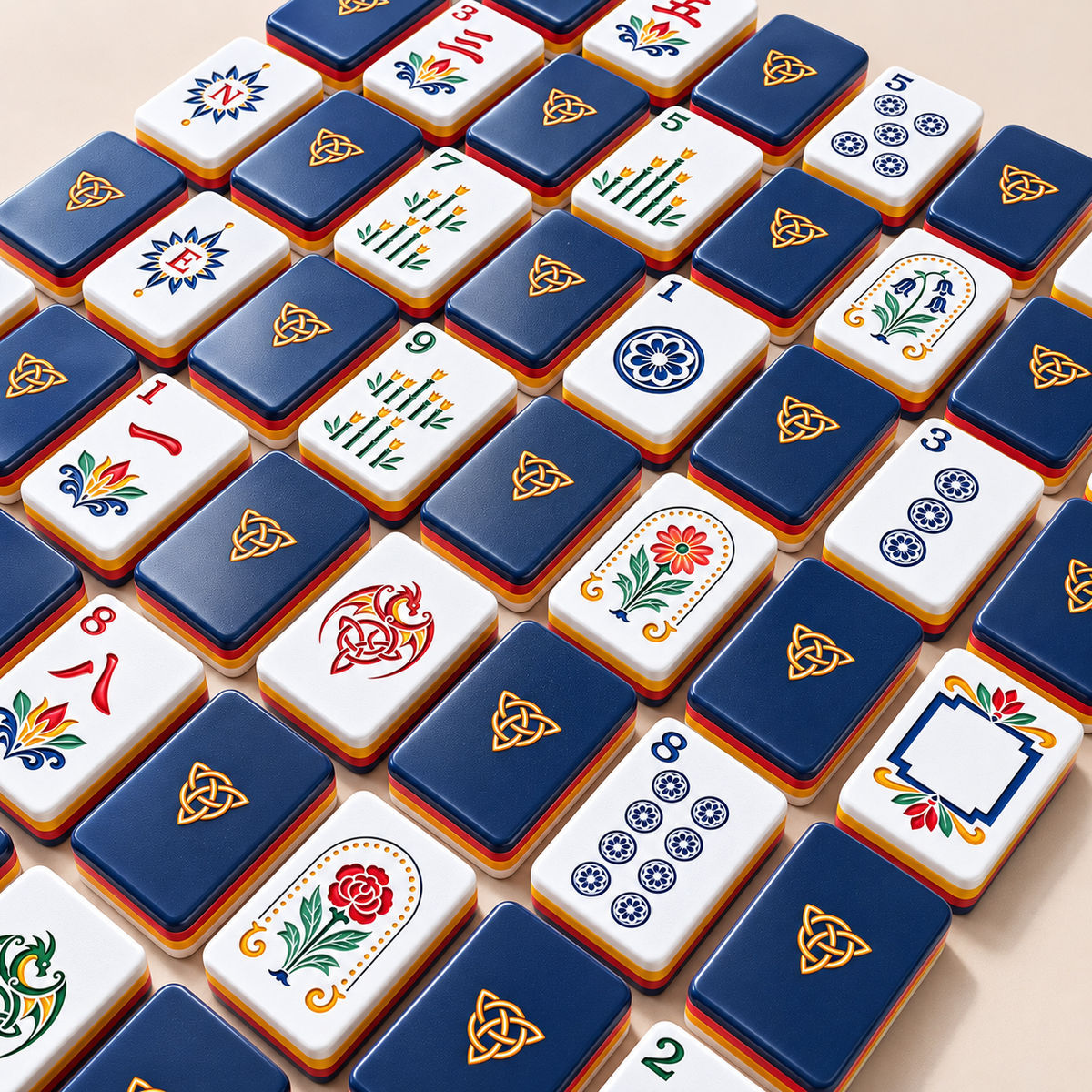
In American mahjong, calling a tile means declaring and exposing a three-, four-, five-, or six-tile combination (pung, kong, quint, or sextet) on the table during play. You can call any of these combinations from the discard pile or the wall. The key decision: expose it now to lock in points and reduce concealed tiles, or hold it hidden to maintain hand flexibility. Most winning hands expose two to four combinations; beginners often call too early and lose adaptability, while cautious players delay and miss scoring opportunities. The rule is fixed (American play allows no chows), but the when depends on your hand position, how close you are to mahjong, whether you're leading or chasing, and how many tiles remain in the wall. Our weekly players track exposed combinations mentally, but organized tile racks with pushers help you see at a glance what you've committed and what's still hidden—reducing hesitation and mistakes at the table.
What does "calling" actually mean in American mahjong rules?
In American mahjong, calling a tile means you announce and place face-up on the table a completed set of three, four, five, or six identical tiles (a pung, kong, quint, or sextet). You can call from any discard pile or directly from the wall when it's your turn. The call must match a pattern on the current year's National Mah Jongg League card. Once exposed, those tiles count toward your hand and cannot be moved or returned to your concealed tiles. American mahjong differs from Chinese or Riichi variants, which allow sequences (chows)—we have only sets of identical tiles. Calling is mandatory when you draw the tile that completes a combination you need; you cannot hold it hidden and call later.

When should you call early to secure points?
Call a pung or kong early if you are ahead on points, close to mahjong, or the combination matches a high-value hand pattern. Early calls reduce your concealed tile count (a higher concealment bonus), lock in that combination, and signal strength at the table—often slowing opponent aggression. If you have two of a tile and draw the third, calling it immediately secures the set and forces discard choices onto your opponents. Call a kong (four tiles) as soon as you have it, because kongs generate immediate points and draw an extra tile, accelerating your path to mahjong. Early calling works best when you are the lead player (East wind) or when the wall is depleting fast. If fewer than 30 tiles remain in the wall, calling what you have prevents you from losing everything to a dead wall.
When should you hold back and stay concealed?
Hold tiles concealed if you are behind on points, far from mahjong, or your hand has multiple possible patterns on the card. Concealment keeps your hand flexible: a hidden pung of 5 Dots might later become part of a quint, or you might swap it for a better hand entirely. Wait if you have only one exposure already; holding concealed longer increases the bonus multiplier for a fully hidden hand. Hold back if the wall is thick (over 50 tiles remain) and you are uncertain whether your current pattern will score. Hold if several opponents are exposing aggressively—exposed hands reveal strategy and make you an easier target for blocking. Never hold a combination so long that you miss the window to call it; if you need that pung to win and the wall is nearly gone, call it.
What's the decision framework for each table position?
Position | Leading? | Strategy | Example |
East (1st) | Usually yes | Call early, build lead, control tempo | 2 exposures + concealed: call the 3rd pung now |
South (2nd) | Variable | Call if 1–2 points behind, hold if tied | 1 exposure + hunting: wait for a better hand |
West (3rd) | Usually no | Hold concealed, build a high-value hand | All hidden so far: call only essential sets |
North (4th) | Often no | Call if one tile away, hold otherwise | Rare win chance: stay hidden unless critical |
East position calls more because they benefit from speed and early points. West and North hold longer because they need high multipliers to win. South adjusts based on real-time score. This is not a rule—it's a probability game. If you are East and already leading, calling a second pung might seem safe, but a live wall could reward a concealed hand on North; weighing those odds comes with practice and watching others' tiles.

How do you read the card to decide which combinations to call?
Open your National Mah Jongg League card and find all hands that include the combinations you currently hold. Count how many of those hands have exactly two exposures (pung + kong, or two pungs). If your current tiles match a two-exposure hand and you need only one more set, calling now locks you into that pattern—usually good. If your tiles match a concealed hand, hold. If they match multiple hands with different exposure counts, consider which hand is more likely to complete first. Ask: can I reach mahjong faster by calling, or by staying hidden? A pung of 1 Bams might fit three different hands; if two of them require concealment for bonus points, hold the pung hidden unless the wall is drying. Beginners often call combinations they do not need for their target hand—read the card first, then call.
🀄 Shop best-selling mahjong sets →
What common mistakes do callers make?
Calling too many combinations: Exposing four or five sets leaves only concealed tiles in your hand, reducing the bonus. Most winning hands expose two or three sets. New players expose every pung reflexively; resist that habit.
Calling to pressure opponents: Showing a nearly-complete hand often backfires—opponents block your win tile or gang (steal your kong). Call only to advance your path, not to threaten others.
Calling when the wall is thick: With 60+ tiles remaining, calling a pung you do not urgently need closes off hand flexibility. Your opponent may draw the exact tile you needed, and you have already given up concealment.
Calling a quint or sextet too late: A five- or six-tile combination is rare and valuable—exposing it signals a high hand but also makes you a target. Call immediately if it completes your pattern; never hold a quint hidden hoping the card rule changes.
Ignoring discard safety: When you call a tile, you are forced to discard next turn. Ensure you have a safe discard (one no one else is hunting). Calling a pung, then discarding a tile someone needs, can cost you the hand.
How do position and wall depth change your strategy?
Early in the game (wall has 80+ tiles), hold tiles concealed to build flexibility and gather options. Middle game (wall has 40–80 tiles), start calling combinations that match your best hands. Late game (wall has under 30 tiles), call everything you need immediately—the dead wall is close, and concealment bonuses matter less than completion. If you are East and leading after two rounds, call aggressively in the third round to secure the win before the wall empties. If you are North and trailing, hold concealed and hunt a high-value hand; if you cannot win by tile 140, you have already lost. Table score and round number matter as much as your personal hand. In a match where you are down a game, play offensive (call early); if you are up, play defensive (hold longer). Always check the score sheet before deciding.
🎁 See our most-loved mahjong sets & accessories →
What equipment helps you decide when to call?
Clear, organized mahjong racks with pushers let you see your concealed hand instantly and count exactly how many exposed tiles you have. A rack eliminates fumbling and mental counting—you glance and know whether you have one, two, or three exposures. This cuts indecision time and reduces calling mistakes under pressure. A durable mat with clear zones shows you where exposed tiles go and keeps the table organized, so you can read opponents' hands and wall position quickly. When your equipment is clear and familiar, your decision-making sharpens. We recommend best-selling acrylic sets with pushers because the tiles are easy to read and handle even under low light, and the pushers prevent tiles from tipping as you build and expose your hand.
What to check before you call:
✓ Is this combination required for my target hand on the card?
✓ Do I have at least one other concealed set to reach mahjong?
✓ How many tiles are left in the wall? (Rule: call if under 30 remain.)
✓ Am I ahead or behind in score this round?
✓ What tile must I discard next? Can I afford to discard it safely?
✓ How many exposures do other players have? Am I revealing too much?
✓ Is this pung, kong, quint, or sextet appearing in multiple hands on the card?
✨ Find your Mahstead set — free US shipping →

FAQ
Can I call a tile I drew from the wall, or only from the discard pile?
You can call from both. If you draw a tile from the wall that completes a set, you expose it immediately on your turn. If an opponent discards a tile that completes a pung, kong, quint, or sextet you hold, you can call it (and interrupt their turn). American rules require you to call if the tile completes a set; you cannot choose to hold it hidden and call later.
If I call a pung, can I later break it up and use one tile elsewhere?
No. Once a pung, kong, quint, or sextet is exposed on the table, it stays intact and cannot be moved, separated, or used for another combination. This is why calling commits you to that hand pattern—plan carefully before you expose.
What if I call a tile by mistake—can I take it back?
No. In formal American mahjong play, a call is final and cannot be rescinded. At casual home games, your table may have house rules permitting a correction within a few seconds, but tournament play does not allow it. Always pause and verify the card before you call.
Is calling a tile the same as exposing a tile?
Yes. "Calling" and "exposing" are synonymous in American mahjong—you announce the set and place it face-up on the table. Some players say "I'm calling a pung of 7 Craks" or "I'm exposing a kong of Red Dragons"; both mean the same action.
Why do some players hold tiles hidden even when they match the card?
Holding tiles concealed increases the bonus multiplier for a fully hidden or mostly hidden hand, and maintains flexibility—you can adapt if your draw changes. Calling commits you to that specific hand pattern. Experienced players weigh the points gained by calling now against the points lost by losing concealment and adaptability later.
How many exposures do most winning hands have?
Most American mahjong winning hands have two or three exposures (sets). A fully concealed hand is rare but worth double points. A hand with four or five exposures is difficult to win because you have used up most of your hand flexibility and bonus multipliers. Aiming for two exposures and building a concealed pair and at least one concealed set is a common strategy.


View More
View More
View More
