
White Mahjong Mat: Which One Fits Your Game?
Last updated: Nov 23, 2026
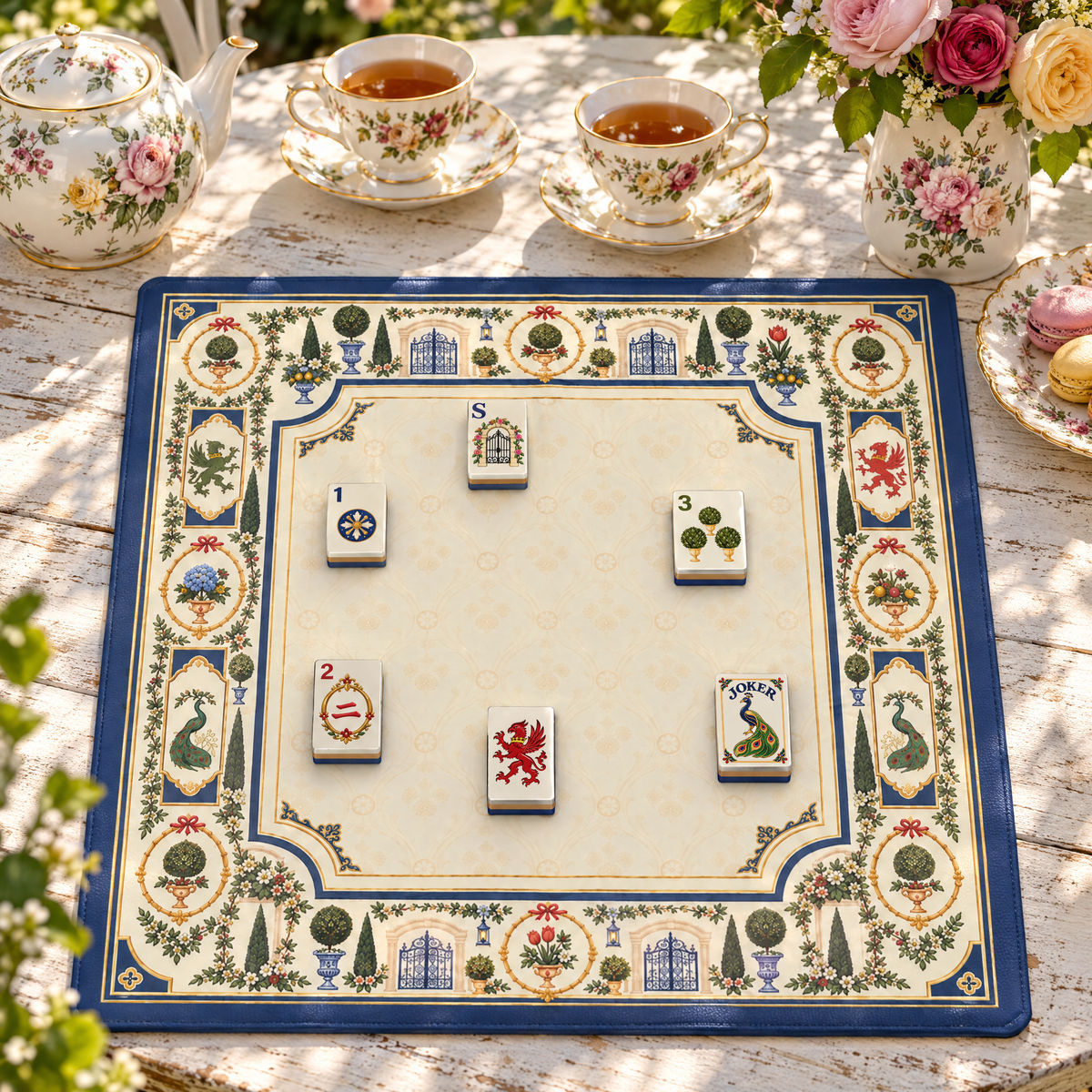
A white mahjong mat is a woven or printed playing surface, typically 27–30 inches square, that sits flat on your table during American mahjong games. White mats maximize tile contrast (especially important with darker sets), reduce glare compared to bare wood, and protect your furniture from tile wear and moisture. Mahstead offers white mats in both engraved designs and solid finishes — choose solid white for clean aesthetics or custom engravings for personality. Most quality mats last 3–5 years of weekly play before fraying edges, though careful storage (rolled, not folded) extends life. Price varies by material and design; see current price on the product page. Avoid thin vinyl mats that stain easily; look for woven or embossed finishes. A white mat works best with lighter tile colors; if your set has dark bamboo backs, consider a cream or beige mat instead.
Why does a white mat matter more than you think?
Most of us don't play on bare tables anymore — tiles slide, sound echoes, and your dining surface gets scratched. A white mat does three specific jobs: it creates a neutral backdrop (white tiles on white background are easier to sort at a glance than on dark wood), it absorbs tile noise so neighbors don't hear every click during your Thursday night game, and it signals to visitors that this is a proper setup, not a casual experiment. White also hides dust and pet hair better than cream or beige, though it shows water rings if someone sets a drink directly on it. The mat itself rarely wears out; instead, the edges fray or fold if crammed into storage. Roll your mat, store it in a travel bag, and it stays flat for years.
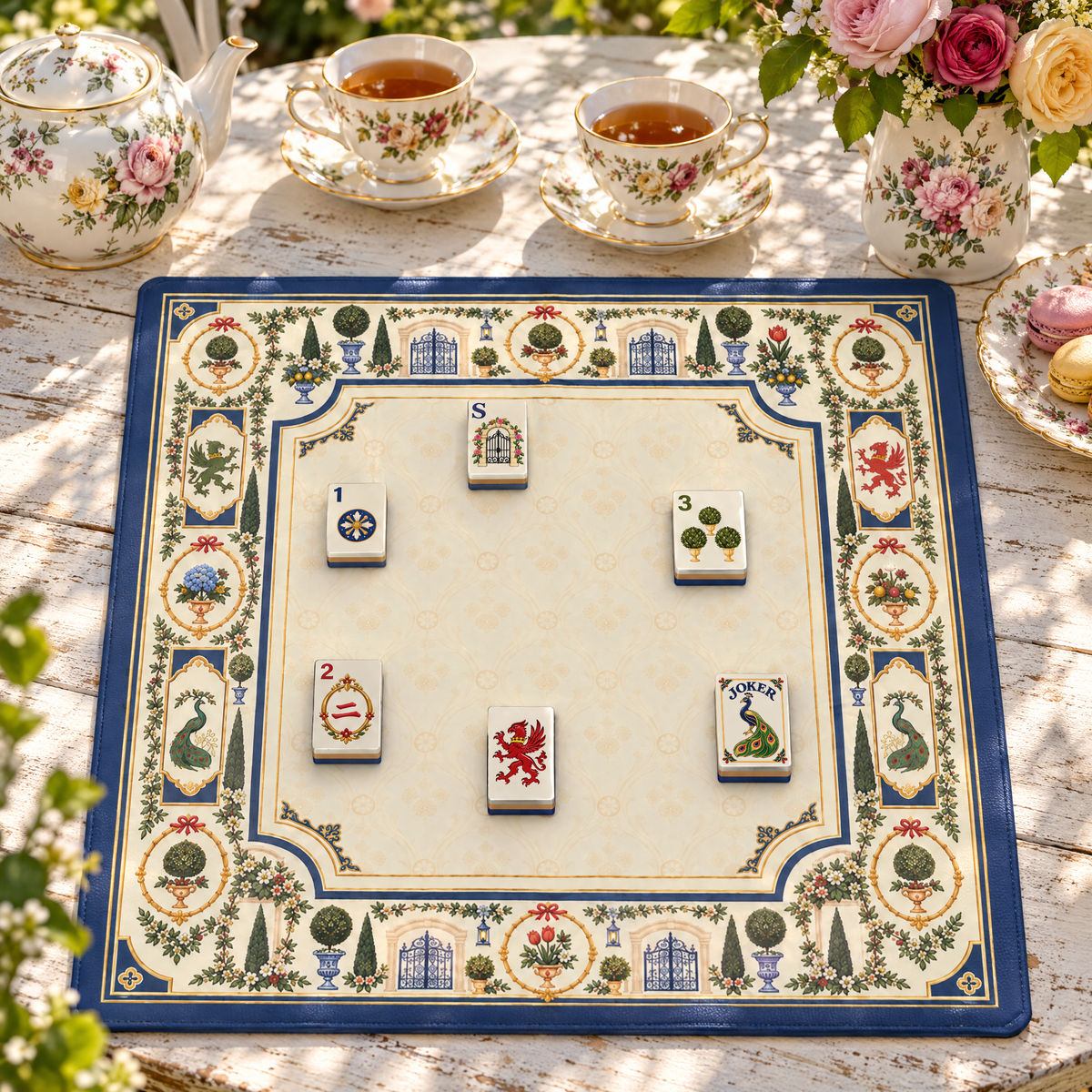
What's the difference between woven, embossed, and printed white mats?
Woven mats (polyester or cotton blend) are the workhorses: they grip tiles so they don't slide mid-hand, they absorb sound, and they last through hundreds of games. Embossed mats have a raised texture that mimics woven feel but cost less to produce; they're durable but less textured underneath. Printed mats are thin vinyl with designs silkscreened on top — visually fun, but slippery for tiles and prone to staining if you spill. We see woven mats in our best-selling collection paired with acrylic tile sets; they're the safe choice for weekly play. Embossed white mats work well if you're hosting casually and don't need professional texture. Printed mats suit occasional players or gifts, but if you're playing four nights a week, a woven mat will serve you better.
🀄 Shop best-selling mahjong sets →
Which white mat should you choose based on your game style?
The answer depends on how often you play and whether you host. Use this quick framework:
Game Frequency | Mat Type | Best For | Why |
Weekly (2+ nights) | Woven, solid white | Serious players | Tile grip, durability, low noise |
Casual (1–2 times/month) | Embossed white | Social hosts | Durable enough, easier care |
Occasional/gift | Printed white | Beginners, gifts | Affordable, fun designs |
Tournament-style | Woven, custom engraved | Clubs, leagues | Professional look, branding |
If you're playing four times a week, don't cheap out on a printed mat — tiles will skid and you'll replace it in a year. If you host once a month with rotating players, an embossed mat is perfectly adequate. We've had customers pair custom-engraved American mahjong sets with matching engraved white mats; that's the premium move for a club or regular group. Solid white is classic; engraved designs add personality without sacrificing function.
Should you pair your white mat with specific racks or accessories?
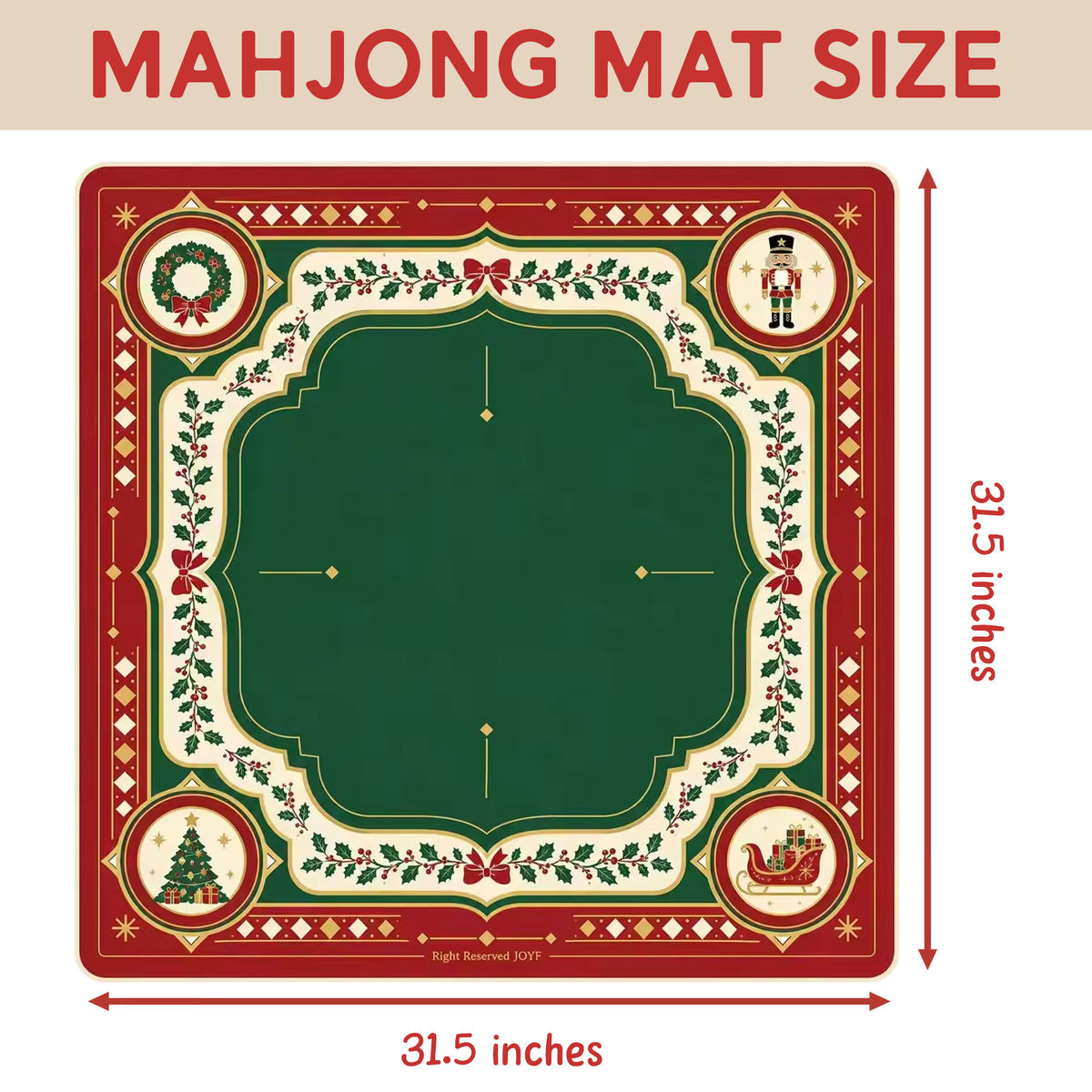
Absolutely. A white mat's visual impact is strongest when surrounded by matching gear. Pair it with racks with pushers (which sit on top of the mat) and you've created a complete play zone. Tiles on the mat in hand, used tiles on the side, and your pushers ready — it's clean. If you're storing the mat and set together, invest in a bag or case that fits both mat and set flat; rolling the mat separately prevents kinks. We've noticed players who buy a mat also buy racks — they're thinking about the whole table, not just the mat. A white mat + white or light-toned racks creates visual unity; dark racks (bamboo or wood) pop against a white background.
✨ Find your Mahstead set — free US shipping →
What to check before you buy a white mat
Before ordering, ask yourself five questions:
Tile color: Do your tiles have light or dark backs? Light acrylic sets (pastels, pale yellows) pair beautifully with white mats. Darker resin or jade sets may look muddy on white; cream or beige is safer.
Table size: Is your play table 48+ inches square? A 27–30 inch mat leaves room for tile racks and discards. Smaller tables need smaller mats or no mat.
Storage space: Can you roll and store the mat flat or in a bag? Folding damages the surface long-term.
Slip risk: If your table is polished wood or glass, does the mat's backing grip it? Woven mats usually have rubber backing; check the product description.
Design intention: Do you want a blank, professional white or a custom engraving with titles or images? Engraved mats cost more but make a statement at your table.
The most common mistake we see: buying a thin printed white mat for a weekly game, then replacing it within a year because tiles slide and edges fray. Invest in a woven white mat if you play regularly; it's cheaper long-term.
🎁 See our most-loved mahjong sets & accessories →
Browse all mahjong mats — solid white, engraved, and specialty finishes — with free US shipping. Roll, store, and play for years.
FAQ
Can I wash a white mahjong mat?
Woven mats can be gently spot-cleaned with mild soap and water; let air-dry fully. Embossed and printed mats should be wiped with a damp cloth only, never soaked.
Will a white mat show stains easily?
Yes — water rings, spills, and dirt are visible. This is why woven mats are popular; they hide daily dust better than smooth vinyl. Avoid eating directly on the mat.
What's the ideal mat size for a standard American mahjong game?
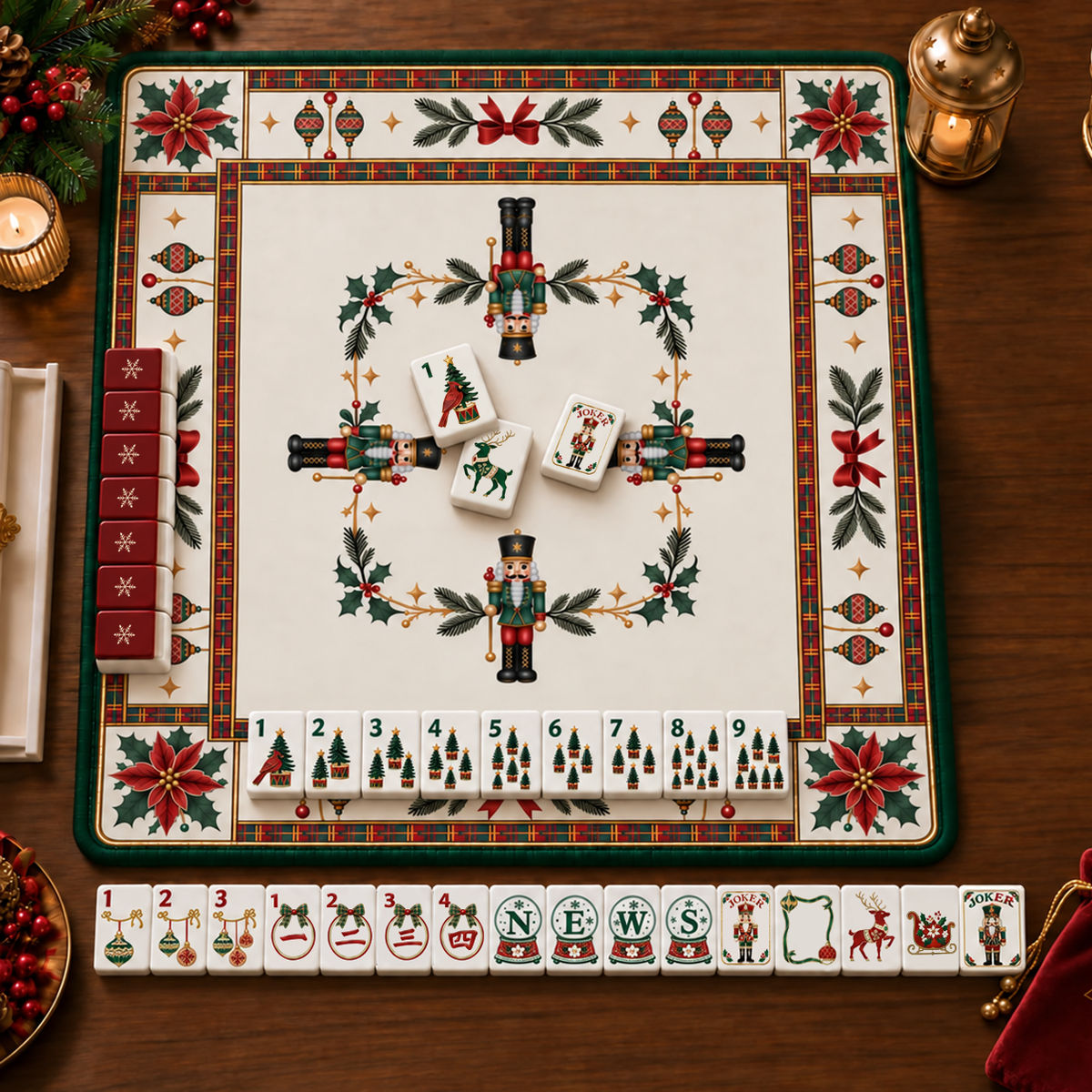
A 27–30 inch square mat fits one four-player game comfortably, leaving room for tile racks and discards without overlapping the mat edge.
Do I need a white mat, or can I use a white tablecloth instead?
A mat is designed for grip and sound absorption; a tablecloth slides and doesn't protect your table from tile scratches. A mat is the better choice for regular play.
Can I use a white mat with any tile set color?
Mostly yes, but light-colored tiles (pale jade, acrylic pastels) show up best on white. Very dark tile sets can look washed out; consider cream or beige mats for contrast.
How long do Mahstead white mats last?
With proper care (rolled storage, no folding), woven white mats last 3–5 years of weekly play before edges fray noticeably.


View More
View More
View More
