
What Set Do You Need for American Mahjong
Last updated: Nov 23, 2026
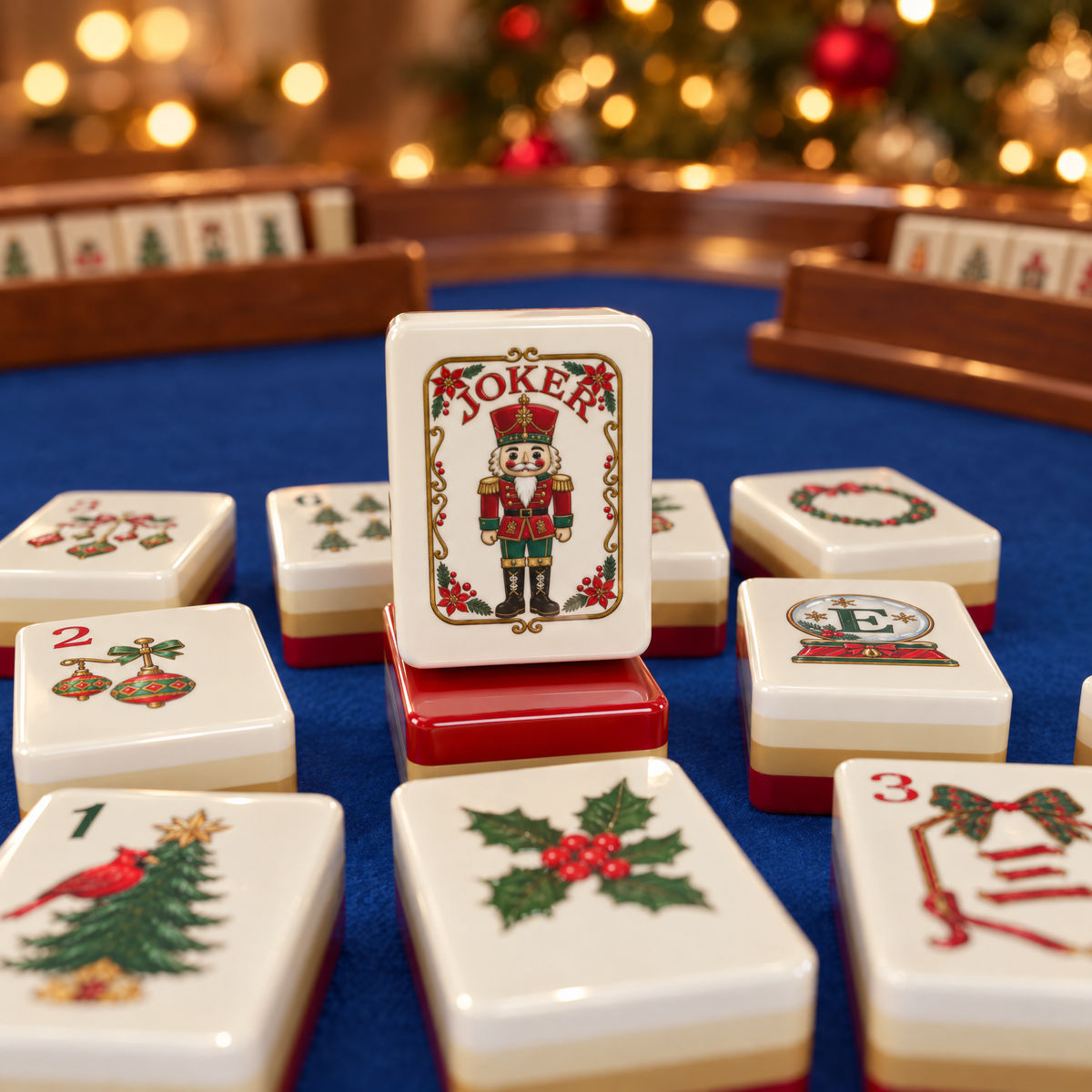
Every American mahjong set contains exactly 152 tiles (three suits of 1–9 with four copies each, 16 winds, 12 dragons, and 8 flowers) plus 8 jokers, which are mandatory for play. The real differences lie in material—acrylic, bone-and-bamboo, plastic—and build quality. Beginners and casual players often start with lightweight acrylic sets, which are portable and affordable; serious hosts and tournament players invest in heavier bone/bamboo or premium acrylic with engraved tiles for legibility and durability. Mahstead designs all 160-tile sets (152 playing tiles plus spares) in acrylic with free US shipping, letting you choose engraved designs, solid colors, or themed collections. Before ordering, check tile thickness, rack quality, case material, and whether you want racks with pushers included—these details determine how long your set lasts and how easy it is to manage hands at the table. 🀄 Shop best-selling mahjong sets →
What's Actually in the Box?
A complete American mahjong set contains 152 tiles (never more for active play), 8 jokers, wind and dragon indicators, and usually racks. All tiles must be identical: same thickness, same back texture, same weight per suit. If you buy a 160-tile set, the extra tiles are spares—never shuffled into the game itself. Understanding this matters because it prevents confusion on game night and helps you spot quality issues before they become mid-game frustrations. A well-packed set arrives with tiles sorted by suit in compartments, jokers clearly separated, and racks or storage organizers protected in foam or felt.
✨ Find your Mahstead set — free US shipping →

Material Types: Acrylic, Bone, or Plastic—Which Is Right for You?
Material | Best for | Durability | Feel | Portability |
Acrylic | Casual play, weekly hosts, value seekers | 5–10 years regular use | Smooth, bright, modern | High; lightweight, compact |
Bone & bamboo | Tournament players, collectors, heirloom games | 15+ years; improves with age | Warm, premium, traditional | Low; heavy, fragile |
Plastic | Beginners, kids, travel-only | 2–5 years; prone to cracking | Thin, sharp edges, hollow feel | Very high; ultra-light |
Acrylic sits in the middle: durable enough for weekly game nights, light enough to carry weekly to a friend's house, and resistant to humidity and scratches. Bone-and-bamboo sets are prized but expensive and require careful storage; plastic sets work for a handful of casual games but tiles wear and warp. At Mahstead, we focus on acrylic because the cost-to-durability ratio works for real players—you get a set that lasts years without the fragility of bone or the hollow feel of cheap plastic. If you're hosting weekly games or playing twice monthly, acrylic is the practical sweet spot.
Engraved vs. Blank Tiles: Why the Font Matters
Engraved tiles show the number, suit symbol (Bam, Crak, Dot), and wind/dragon names directly on the tile surface, so you can read your hand without squinting or holding tiles at odd angles. Blank tiles rely entirely on color and embossing—fine for sighted players in bright light, risky if anyone has vision challenges or your game room is dim. Engravings also slow down tile wear; you can read a tile after five years of play, whereas printed numbers fade. Our best-selling mahjong sets include engraved options with titles (e.g., custom names or witty phrases), which add personality without sacrificing legibility. For a beginner, any readable tile works; for a host playing weekly with the same crew, engraved tiles are an investment that keeps your game smooth and inclusive.
Do You Need Racks, Pushers, and a Mat? (Yes, Actually)
Once you own a set, racks with pushers become your best friend. A rack holds 13 or 14 tiles upright so everyone can see at a glance what they have, and pushers let you manage new draws without fumbling. A mat protects your table from tile scratches and defines the play zone. Neither is strictly required—you can stack tiles on a towel—but both transform a casual game into something that feels intentional and lasts longer. If you're buying a set as a gift or to start hosting, check whether racks and pushers come included; if not, adding them is the next step. A mat is optional but recommended if your table is wood or antique. Mahstead sets ship with clear info on what's included; read the product page details carefully to avoid surprises.
🎁 See our most-loved mahjong sets & accessories →

Beginner, Weekly Host, or Tournament Player—Which Set Speaks to You?
Beginner (learning 1–2 times per month): Buy a standard acrylic set with racks and jokers included, blank or lightly engraved tiles. You don't need premium engravings yet; focus on learning how to play American mahjong first. A basic set is forgiving, portable if you visit different friends' houses, and inexpensive enough that mistakes feel low-stakes. Budget-conscious? Plastic sets work for 3–6 games before you decide if you're hooked.
Weekly Host (same four players, dedicated night): Invest in engraved acrylic tiles with quality racks and pushers—you're building infrastructure for repeated use. Engravings matter because your players will play the same set 50+ times per year, and clarity prevents arguments and speeds up play. A felt-lined case or dedicated storage bag keeps everything together and protects against dust. Mahstead's custom-title sets let you name your game (e.g., "The Thursday League" or an inside joke), which adds joy to hosting and makes your set unmistakable if other players have sets too.
Tournament or Serious Collector: Bone-and-bamboo sets are your domain—expect to invest significantly and accept that they're not portable. If you play once or twice a year in formal settings, a premium acrylic set with professional-grade engravings is the practical alternative; it weighs less, costs less, and performs identically to bone once you're playing by the National Mah Jongg League card.
What to Check Before You Order
Tile clarity: Can you read every number and suit symbol clearly? Zoom in on product photos or ask the seller for closeups.
Rack quality: Racks should hold 13 tiles upright without wobbling, and pushers should slide smoothly. Cheap racks frustrate fast.
Case or storage: Does it come with a box, bag, or carrying case? Loose tiles rattling in a shipping box are a red flag.
Completeness: Verify the seller confirms 152 playing tiles + 8 jokers, plus any extras (wind indicators, scorecards, mat).
Shipping protection: Tiles can chip or crack in transit if poorly packed. Mahstead ships free US-wide and packs tiles in segmented foam to avoid damage.
Return policy: If tiles arrive damaged, can you return them? A no-questions-return window gives you peace of mind.
✨ Find your Mahstead set — free US shipping →
The Mahstead Difference: Why We Design Sets the Way We Do
We host weekly American mahjong games ourselves, so we know what breaks, what frustrates, and what lasts. Mahstead sets are all acrylic and 160 tiles (152 active + spares), individually engraved for durability, and shipped with free US delivery. We offer themed collections—Christmas sets for gift-givers, custom-title sets for hosts, minimalist designs for traditionalists—because no two tables are the same. Most importantly, we pack every set in foam compartments so tiles arrive crisp, not chipped. If you're ordering a set for the first time, start with our best-selling collection; if you want personality, explore our new arrivals or custom titles.
One More Angle: The Hidden Cost of a Bad Set
A cheap plastic set might seem attractive at first, but consider the real cost of a mid-game tile break, faded numbers requiring constant clarification, or racks that collapse. You'll spend money replacing it within a year, and more importantly, you'll teach yourself bad habits (squinting, confusion, frustration) that follow you to better tables. A solid acrylic set—even mid-range—costs little more than two or three cheap replacements and trains your hand and eye for the real game. This is why we focus on acrylic: it's the Goldilocks material for American mahjong. Not so expensive you fear using it, not so cheap it betrays you mid-game.
✨ Find your Mahstead set — free US shipping →

FAQ
Can I use a 144-tile Chinese set for American mahjong?
No. American mahjong requires exactly 152 tiles in the deck (plus 8 jokers). Chinese sets have fewer tiles and lack American-specific winds, dragons, and flowers. You also cannot legally play tournament-style American mahjong without the current National Mah Jongg League card, which pairs only with the 152-tile format. Start with a real American set.
What does "160-tile set" actually mean if American mahjong uses 152?
A 160-tile set contains 152 playing tiles (the legal active deck) plus 8 spare tiles—usually extra jokers or blank tiles for replacement if one cracks. The 152 are always shuffled and used; the 8 extras never enter the game. This protects you if a tile breaks mid-season.
Do racks and pushers come with every set?
No. Some sets include them; others don't. Always read the product description or contact the seller before buying. Mahstead lists this clearly on each set's product page. If racks aren't included, they're sold separately and are worth the investment.
How long does a good acrylic set last?
With weekly play and reasonable care—no extreme heat, no direct sunlight for months—a quality acrylic set lasts 5–10 years. Engravings don't fade, and tiles resist chipping better than plastic or bone. Racks may need replacement sooner if heavily used, but tiles themselves are nearly indestructible.
I'm buying a set as a gift for someone who's never played. What should I include?
Include the set, racks with pushers, a mat (optional but nice), and direct them to our beginner guide and how-to-play primer. If they have a sense of humor, a custom-title set is memorable. A note saying "Tuesday nights?" invites them into the game world.
What's the difference between a mat and a table cover?
A mat is a felt-backed playing surface that defines the tile zone and protects your table from scratches; it's semi-portable and ideal for any table. A cover is usually thicker, waterproof, and stays on permanently. For casual weekly games, a mat is enough. For a dedicated mahjong table, a cover makes sense.
Can I mix tiles from two different sets at one table?
Technically yes, but don't. Tiles will feel different, look different, and confuse players mid-game. If one set breaks mid-season, replace the whole set rather than patching it. Consistency keeps the game smooth.


View More
View More
View More
