
Mahjong Lessons in Chicago: Where to Learn & How to Start
Last updated: Nov 23, 2026
Chicago's mahjong scene centers on community centers, libraries, synagogues, and country clubs on the North Shore and downtown—search local meetup boards and community calendars for "mahjong lessons" and "mahjong club." Most in-person classes run 4–8 weeks, meeting once weekly for 2–3 hours, teaching the National Mah Jongg League variant (American mahjong: 152 tiles, no sequences, hands from the yearly card). Cost varies by venue; many community centers charge per class or session. Private tutors and game groups offer flexible scheduling. To start learning now, grab a quality 160-tile set with a mat and rack.
Where do Chicago mahjong lessons typically meet?
Community centers, public libraries, and cultural institutions host the most accessible lessons. Synagogues on the North Shore and country clubs in the suburbs often run seasonal classes. Search your neighborhood recreation department's website for "mahjong" or check Meetup.com for game groups that welcome beginners. Many Chicago players form rotating game circles—once you learn basics, joining a weekly group is faster than formal lessons.

What's the difference between learning alone vs. taking a class?
A class teaches you tile names, hand patterns, and etiquette in structured sessions; a mentor teaches the same faster but needs one-on-one time. Self-teaching with a guide book and how to play American mahjong takes 6–10 hours spread over weeks, but you work at your pace. Most of us started with one lesson to grasp the Charleston and hand-reading, then practiced weekly games. Classes cost time; self-study costs patience. For fastest learning, pair a single private lesson with daily 30-minute practice on the National Mah Jongg League card.
🀄 Shop best-selling mahjong sets →
How long does it take to play competently?
Beginners grasp basic rules in 2–4 hours and can play a full game in 4–6 hours. Competence—reading hands without hesitation, managing the Charleston, scoring correctly—takes 8–12 weeks of weekly play. Mastery of strategy and hand-spotting takes years. Most of us reached "can host a game without rules questions" in 6–8 weeks. Do not expect to win immediately; focus on not breaking rules and recognizing a few hand types each week. The National Mah Jongg League card is your textbook for life.
What do I need to start learning mahjong in Chicago?
You need a 160-tile American mahjong set (not Chinese or Hong Kong variants), a mat (to protect your table and keep tiles clean), racks with pushers (to hold and display your hand), and the current year's National Mah Jongg League card. A dice set speeds setup. Many Chicago teachers lend sets to students, so ask before buying. If you plan to host weekly games, invest in your own; mahjong mats vary in size (standard fits a 36"–42" round table) and thickness, and racks with pushers have two styles: simple or locking. Start with essentials; add a nice carrying case later.
What You Need | Why | Where to Get It | Use Case |
160-tile set | Standard for American mahjong, includes 8 jokers | Every game | |
Mat (bamboo or neoprene) | Protects table, keeps tiles in place, speeds play | Mahstead or local game shops | Weekly hosting |
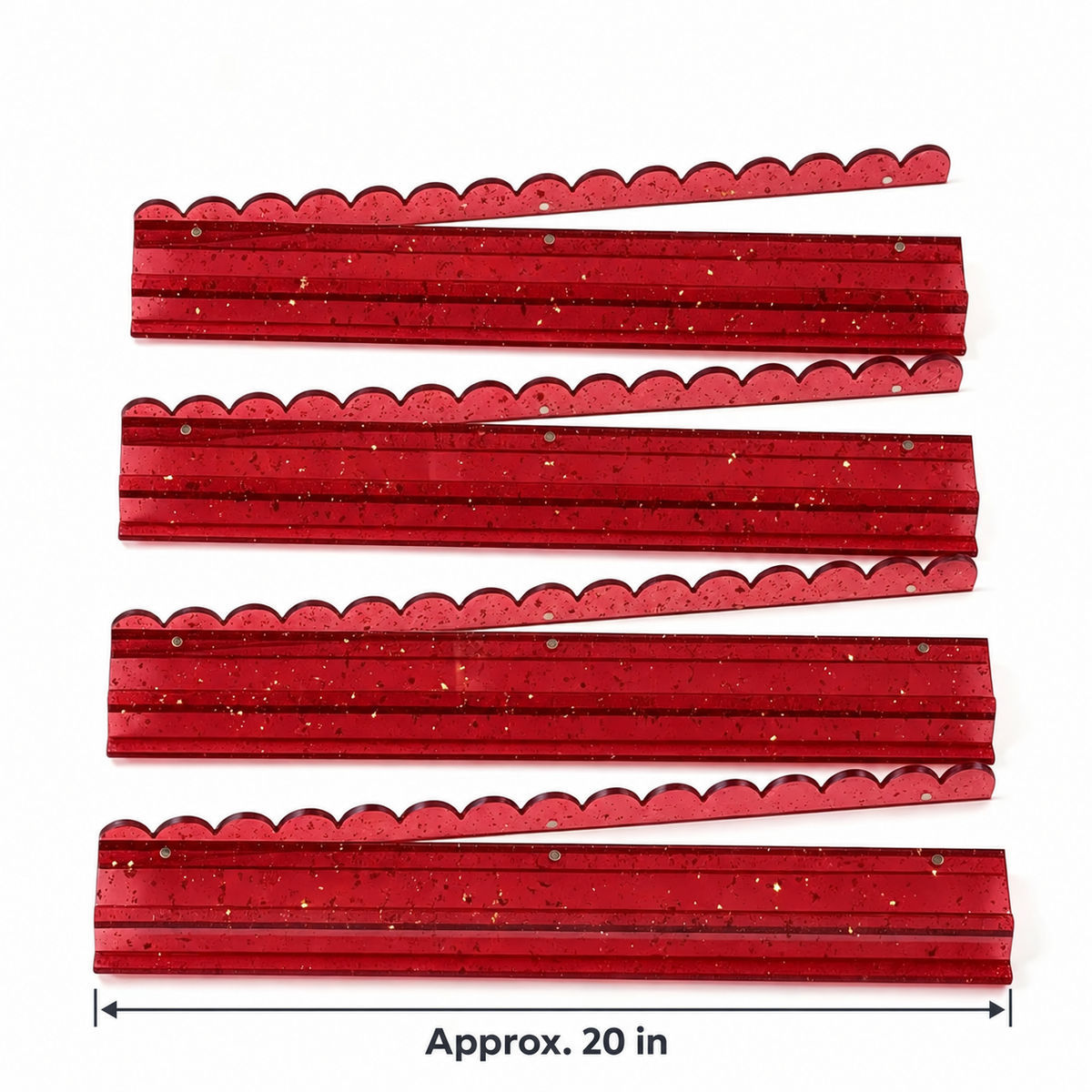
Racks with pushers (4 sets) | Holds and displays your hand, reduces table clutter | Mahstead racks collection | Comfortable play |
League card (current year) | Only valid source for hands; rules and hand types | National Mah Jongg League (order online) | Hand-reading |
Dice (2 or 3) | Determines wall break and player order | Mahstead or included in sets | Each game setup |
What should Chicago beginners avoid in their first month?
Do not confuse American mahjong with Chinese mahjong (different tiles, sequences allowed, no yearly card). Do not memorize hand patterns; instead, learn to read the card and spot patterns by shape. Do not assume jokers are wild in every position—they are not used in pairs or single tiles. Do not worry about scoring in week one; play correctly first, score later. Do not buy a 144-tile or 166-tile set if learning American mahjong (both are wrong variants or have wrong tile counts). Do not skip the Charleston ritual—it is mandatory and shapes the game. Ask your teacher or game host to demo these mistakes early so you avoid frustration.

How do Chicago mahjong groups typically organize?
Most groups meet weekly at homes, community centers, or coffee shops with a reserved table. Games last 1.5–3 hours; four players rotate as the "dealer" or "East wind" each round. Players keep a running score or play for points only (no money in public venues). A group usually has a schedule (Tuesday evenings, Saturday mornings) and a host or coordinator who brings the set and mat. New members are often invited by existing players or found through meetup boards. Some groups charge a small fee for the host's time or to buy new sets; ask before joining.
🎁 See our most-loved mahjong sets & accessories →
Where can I find the National Mah Jongg League card in Chicago?
Order it online from the National Mah Jongg League website (published each spring for that year's play). Many Chicago teachers provide a copy during lessons. Some game shops or libraries stock it. You can play without it in casual games, but ranked clubs and tournaments require the current card. Print a copy or laminate one so it lasts a full season. Your teacher will tell you which hands are "standard" (easy, common) and which are "special" or "restricted" (harder, worth more points).
What makes learning mahjong different from card games?
Mahjong has 152 physical tiles you sort, pass, and arrange—the ritual and tactile play teach the game's logic faster than reading rules. The Charleston (tile-passing round before each game) forces you to think strategically about discards before play even starts. There are no bluffs; all tiles are face-up once melded. Hands come from a specific printed card each year, not infinite combinations—this makes learning finite and faster. Most of us learned mahjong more intuitively through play than through study, because the game's structure makes mistakes obvious immediately.
✨ Find your Mahstead set — free US shipping →
What to check before you buy a mahjong set for Chicago play
Tile count: Make sure it is 160 tiles (152 for play, 8 jokers). American mahjong requires exactly 152 tiles in each game.
Tile size and material: Acrylic tiles (light, durable, easy to clean) are standard; bamboo sets are heavier and beautiful but need care.
Mat fit: Measure your table before buying a mat—a standard mat fits 36"–42" round tables; folding mats work on smaller surfaces.
Racks and pushers included: Check if your set comes with all four player racks; if not, buy them separately.
Carrying case: If you plan to travel within Chicago for games or lessons, a padded bag keeps tiles safe and neat.
Card included: Most sets do not come with the League card—order it separately or print the pattern reference.
What you'll need to host weekly games
An American mahjong set from our best-selling collection, a mat sized to your table, four racks with pushers, and this year's National Mah Jongg League card. Dice and a score sheet help. If you move sets between venues, a travel bag or case keeps everything organized and protects acrylic tiles from cracks. Many Chicago hosts rotate hosting duties to spread setup work—a quality set lasts years if stored dry and out of direct sunlight.

FAQ
Can I learn mahjong from YouTube or a book without taking a Chicago lesson?
Yes. Watch a tutorial covering American mahjong (not Chinese variants), read how to play American mahjong, and play weekly with others. Self-taught players often miss etiquette rules and the Charleston rhythm—ask an experienced player to walk you through your first game live.
What is the Charleston and why do I need to learn it?
The Charleston is a mandatory tile-passing ritual before each game. Each player passes tiles to the right, then left, then across; you pass 3 tiles, then 1 tile. It balances luck and strategy. Learn it by doing it once with a guide; it takes 3–5 minutes per game.
Is American mahjong the only version Chicago teaches?
Mostly yes. Chicago community centers and clubs teach American mahjong (152-tile, League card, no sequences). Chinese and Hong Kong variants exist but are rarer in Chicago; ask your teacher which version they teach before enrolling.
Do I need to own a mahjong set to take lessons?
No. Most Chicago classes and game groups provide sets for learners. Once you commit to weekly play, buy your own—it is faster and ensures your set is with you for games at home or friends' houses.
How much does a decent beginner mahjong set cost?
See current prices on our product pages. Budget for a set, mat, racks, and dice. Many Chicago hosts lend mats and racks until you are ready to buy; ask first to avoid duplicate purchases.
Should I learn on a full set or a travel set?
Learn on a full set with a proper mat and racks. Travel sets (smaller tiles, lighter) come later, once you know the game. Full-size tiles and racks teach hand management and tile-reading better than cramped travel gear.


View More
View More
View More
