
Jade Mahjong Tiles: Weight, Feel & How to Choose
Last updated: Nov 23, 2026
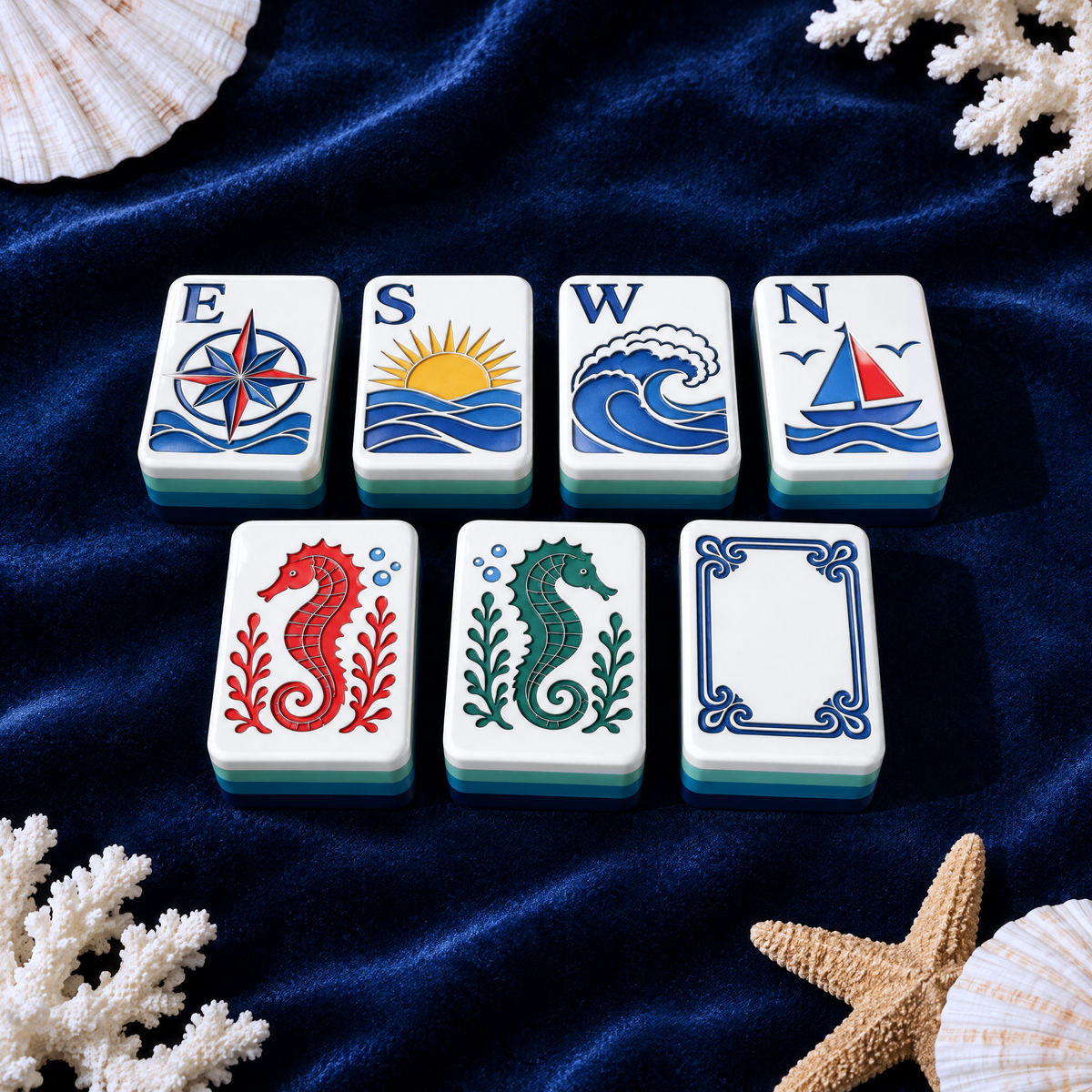
Jade tiles weigh roughly 50–70% more per tile than acrylic because jade is denser; a full American mahjong set of jade runs 5–8 pounds compared to 2–3 pounds for acrylic. The extra heft slows tile shuffling, deepens the click when tiles connect, and feels more substantial in hand—many longtime players prefer this feedback during the Charleston and play. Jade tiles also develop a warm patina over years of use. Trade-off: jade is breakable if dropped, scratches show, and tiles stack slightly differently in racks. Most American sets sold today are acrylic because they're durable and affordable; jade remains a collector's choice. Explore our best-selling mahjong sets to see both materials side by side.
Jade mahjong tiles are heavier and smoother than acrylic because jade is denser; a full American mahjong set of jade runs 5–8 pounds compared to 2–3 pounds for acrylic. The extra heft slows tile shuffling, deepens the click when tiles connect, and feels more substantial in hand—many longtime players prefer this feedback during the Charleston and play. Jade tiles also develop a warm patina over years of use. Trade-off: jade is breakable if dropped, scratches show, and tiles stack slightly differently in racks. Most American sets sold today are acrylic because they're durable and affordable; jade remains a collector's choice.
Why is jade heavier than acrylic?
Jade's crystalline structure packs atoms far more tightly than acrylic polymer. Per material density data, jade weighs 2.9–3.3 g/cm³ while acrylic sits at 1.2–1.3 g/cm³. A single acrylic tile weighs under 5 grams; identical jade tiles weigh 8–12 grams. This density difference is permanent—it's not a finish or coating but the material itself. All tile dimensions stay the same, so jade sets occupy no more table space but feel substantially heavier when shuffling or stacking in racks.

How does tile weight change gameplay feel?
Heavier tiles slow your shuffle during the Charleston, forcing deliberate hand movements and giving opponents time to study your strategy. The deeper acoustics—jade produces a lower, more resonant click—become rhythmic feedback that many players find meditative. In racks, jade tiles settle with a solid thunk rather than a light tap, which some read as confidence; others find it easier to hear when someone draws a tile wrongly.
Conversely, lighter acrylic tiles let you shuffle faster, suit players with weaker hands or arthritis, and make travel easier. Speed isn't better or worse—it's a preference that changes mid-game feel. Our weekly groups include players who rotate between jade at home and acrylic in travel sets; both are legitimate.
What are the durability and maintenance trade-offs?
Jade tiles chip or crack if dropped on hard floors; acrylic tiles bounce. Jade scratches visibly under fingernails or careless stacking; acrylic resists surface marks. Jade develops character—a glossy patina from decades of hand oils—but requires gentle storage in fabric-lined cases to prevent chipping corners.
Acrylic sets withstand garage storage, airport baggage, and casual handling. They're also easier to clean: a damp cloth works fine. Jade should never go in a dishwasher or extreme heat; it can crack if temperature swings too fast.
If you travel weekly or play in different homes, acrylic is practical. If you own one set for your living room and play it once a week with the same four players, jade's feel may justify the care.
Weight and feel comparison table
Factor | Jade | Acrylic |
Weight per tile | 8–12 g | Under 5 g |
Full set weight | 5–8 lbs | 2–3 lbs |
Shuffle feel | Deliberate, substantial | Fast, light |
Sound | Low, resonant click | Higher, brighter tap |
Breakage risk | High if dropped | Low |
Visible scratches | Easily show | Resistant |
Patina over time | Develops warmth | No change |
Travel friendliness | Not ideal | Excellent |
Rack feel | Solid, stable | Precise stacking |
Lifespan | 20+ years if cared for | 10–15 years typical |

How do you choose between jade and acrylic?
Ask yourself three questions. First: Where do I play? One home table = jade is safe. Multiple venues = acrylic travels better. Second: How often? Weekly commitment warrants the weight's meditative feedback; casual players don't need it. Third: Who's at the table? Players with arthritis or hand tremors may find jade's heft tiring; acrylic suits them better.
We've also noticed that players who learned on jade (often older players or those taught abroad) rarely switch—muscle memory for shuffle speed is real. If you grew up with acrylic, you won't miss jade's weight.
🀄 Shop best-selling mahjong sets →
One practical test: borrow a jade set from a friend for one evening. If the slower shuffle and resonant click feel right, explore jade options. If you keep reaching for your acrylic set, trust that instinct—there's no wrong choice.
What to check before you buy jade
Tile thickness: Jade tiles should be uniform, typically 3/8 inch. Uneven thickness creates wobbles in racks and shuffling drag.
Edge finish: Edges should be smooth, not sharp. Run a finger across the edge; sharp corners suggest poor finishing and will catch on felt or your skin.
Grain and color consistency: Jade varies naturally, but tiles within one set should match reasonably. Widely different greens or whites within the set signal mixed-quality materials.
Weight distribution: Lift tiles from different sets (if comparing). A set should feel uniformly heavy, not with some tiles obviously lighter.
Engraving depth: If hand-engraved, check that symbols are clear and consistent. Shallow engraving wears fast and looks cheap after one season.
Backing finish: The tile back (usually undecorated) should be smooth. A rough back sticks to felt mats and slows play.
🎁 See our most-loved mahjong sets & accessories →
For engraved American mahjong sets, jade with custom designs (initials, family crests) deepens the weight's luxury feel. Acrylic engraving works equally well but won't develop the warm patina. If you're gifting a set, jade signals heirloom intent; acrylic signals a game you'll actually play without stress.
Real-world example: a weekly game's switch
Our Wednesday group played acrylic for five years, then one member inherited her grandmother's jade set. We played with jade that night. Shuffle took 40 seconds instead of 25—nobody minded; the rhythm felt intentional. The click was deeper. By week four, three players had bought jade sets; two stayed with acrylic. The table now has mixed materials, which creates a subtle acoustic mix we actually enjoy. Nobody regrets either choice.
The honest verdict
Jade feels better only if you value meditative weight and deep acoustic feedback. It's not objectively superior—it's an aesthetic and tactile preference, like preferring a fountain pen to a ballpoint. Acrylic is the practical choice for most players; jade is the artist's choice. Your hands and budget decide. Visit our mahjong tiles collection to feel both materials, if possible, before committing.
✨ Find your Mahstead set — free US shipping →

FAQ
Do jade tiles last longer than acrylic?
Jade lasts 20+ years with gentle care; acrylic typically 10–15 years. Jade doesn't wear out—it breaks from drops or mishandling. Acrylic fades slightly and can develop scratches. Durability depends on how you store and handle them, not material alone.
Will jade tiles slip in my racks differently?
Yes. Jade's weight and smooth surface mean tiles settle lower and can shift if racks aren't perfectly level. Acrylic tiles sit higher and grip felt rack surfaces more firmly. If you own jade, invest in quality mahjong racks with pushers with deep slots.
Can I mix jade and acrylic tiles in one game?
Technically yes, but don't. The weight difference throws off shuffling rhythm and can make one player's hand feel sluggish. It's also confusing when drawing from the wall if densities differ visibly.
Are carved or inlaid jade tiles worth the extra cost?
Carvings add beauty but wear unevenly under shuffling. Inlaid designs (stone or bone embedded in jade) can pop out after years of use. Simple engraved symbols stay intact longest.
How should I store jade tiles to prevent chipping?
Use a mahjong bag or case lined with fabric, never hard plastic. Wrap sets individually in cloth if storing multiple jade sets together. Keep away from extreme heat or cold.


View More
View More
View More
