
Mahjong for Retirees: Why Now and How to Start
Last updated: Nov 23, 2026
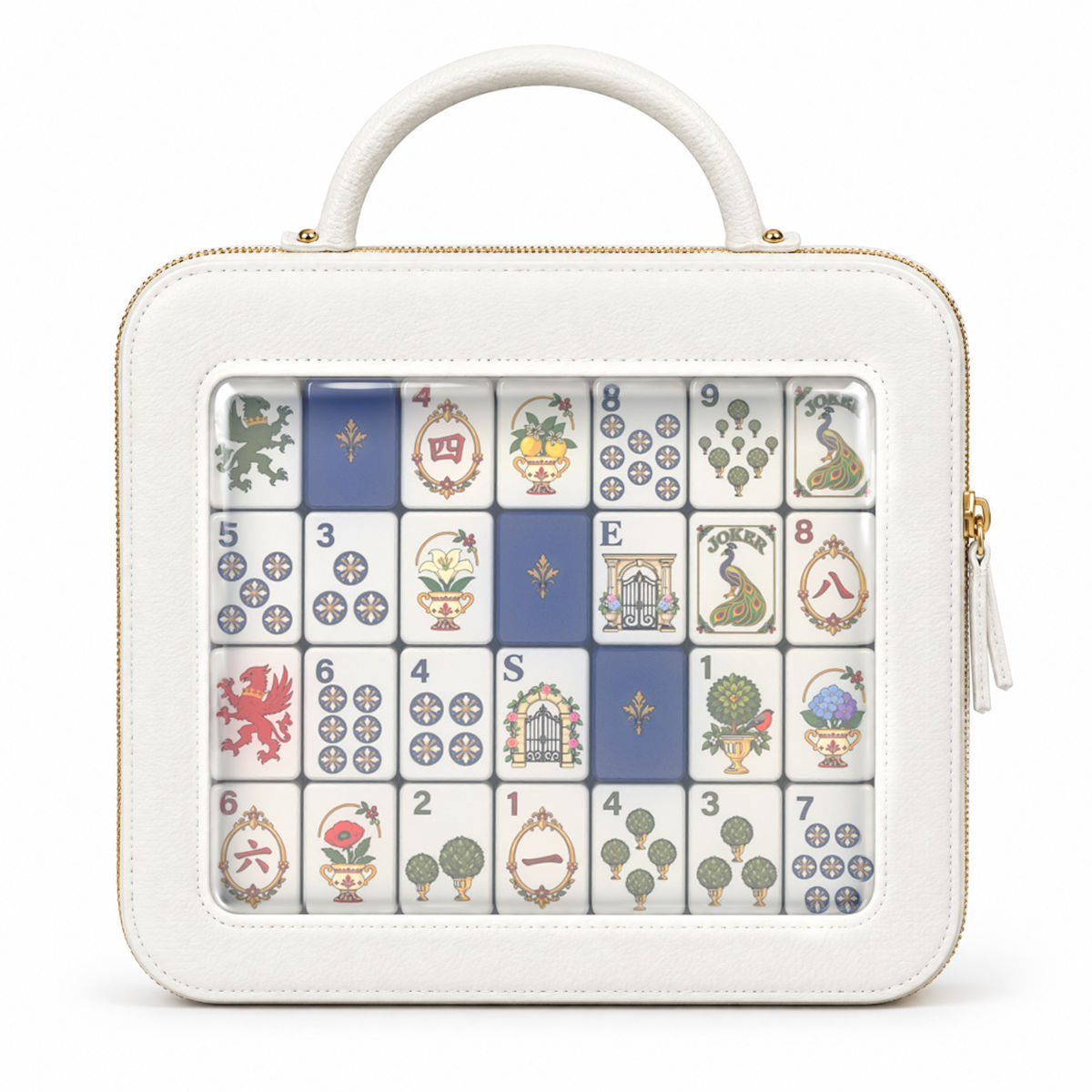
Mahjong is a tile-based strategy game played by four people, each drawing and discarding tiles to build hands matched against a printed league card—one complete game runs 45–90 minutes depending on speed and group skill. American mahjong uses 152 playing tiles (Bams, Craks, Dots, Winds, Dragons, Flowers) plus 8 jokers; you learn the rules in one or two sessions, then spend years refining your read of the card and your opponents' intentions. Retirees gravitate toward mahjong because it demands sustained attention, calculation, and memory while maintaining a social rhythm—the Charleston (pre-game tile exchange), the wall building, the call for exposure, and the scoring all create a structure that fills an afternoon with purpose. No prior experience is required. You'll need a best-selling mahjong set, a mat, and four steady hands around a table. The barrier to entry is low; mastery is lifelong.
Why do retirees thrive at mahjong?
Mahjong hits a sweet spot for active retirement: it requires genuine concentration (you cannot play while scrolling), sharpens memory (recognizing patterns on the card, recalling which tiles are out), and builds social bonds that persist week after week. Unlike bridge, which demands a four-person table every time, mahjong also accommodates drop-in players and can be taught during the game itself. The pace suits older hands—tiles are large, tiles sit for seconds before you discard, and no one rushes. Players report improved focus, reduced isolation, and the satisfaction of mastery that never ends: even seasoned players learn new card combinations or strategic positioning each season when the league card refreshes.

What does a typical retiree game look like?
A full four-player game unfolds in predictable acts. Players arrive 10–15 minutes early to socialize, build the wall together, and execute the Charleston—a choreographed three-phase exchange in which each player passes tiles right, then left, then across, designed to randomize the hand and prevent anyone from stacking the game. Once play begins, players draw a tile each turn and discard one, building combinations (called "sets") that match patterns on the current year's National Mah Jongg League card. When a player completes a legal hand and calls "Mahjong," scoring is calculated and that round ends; most groups play eight rounds per session to rotate the dealer position. A typical afternoon (two to four games) takes three to four hours. Hands move fast once everyone knows the card, and the rhythm becomes meditative—draw, discard, watch, listen for calls.
How do physical limitations factor in?
Large tiles and high-contrast printed cards ease strain on aging eyes. Mahjong racks with pushers support tiles at an angle, reduce hand fatigue, and make it easier to organize your thirteen tiles without dropping them—a practical win for anyone with arthritis or tremor. A padded mahjong mat cushions your wrists during long play and marks the four player positions clearly so no one loses track of whose turn it is. Some groups play sitting in recliners with lap tables; others prefer a dedicated gaming table. The point: you can adapt the setup to your body. We see players in their 80s and 90s competing eagerly; the game scales to meet you.
What does someone actually need to buy?
Here's the practical checklist:
A 160-tile American mahjong set (includes 152 playing tiles plus spares): this is the only buy that matters. Tiles should be acrylic or bone with clear printing; avoid cheap plastic sets that fade fast.
A mat (optional but strongly recommended): protects the table, marks player positions, and contains tile noise so neighbors don't hear the click-click-click all afternoon.
A rack with pushers (optional): transformative if you have hand pain or if you're new—organizing tiles clearly speeds up your learning.
A scorepad and pen: most groups score by hand; free printable scoresheets exist online.
Many retirees start with just a set and a mat, then add a rack after their first few games. The entry cost is modest; the long-term cost per hour of entertainment is excellent.
What You Need | Best For | Why It Matters |
160-tile set | All new players | Standard size, durable, full game supply |
Padded mat | Wrist comfort, table protection | Reduces fatigue over 3+ hours, contains tile noise |
Racks with pushers | Hand pain, organization | Eliminates fumbling, speeds learning, supports arthritis |
Scorepad + pen | Record keeping | Tracks wins, builds friendly competition |
Travel bag | Hosting away from home | Protects tiles, mats, and racks; fits one complete setup |
🀄 Shop best-selling mahjong sets →

Where do retirees find games?
Most communities offer mahjong through community centers, libraries, synagogues, country clubs, or informal neighborhood groups that meet weekly in homes. Search your local Parks & Recreation department website for "mahjong" or call directly; many offer drop-in sessions or beginner classes in spring. Senior centers often run mahjong leagues; some charge a small fee per session to cover venue costs. Online platforms (Meetup, Facebook groups focused on your city) list local game times. The National Mah Jongg League website has a directory of clubs by state—not comprehensive, but a starting point. If no group exists near you, four retired friends can launch one: pick a time, one person supplies a set and mat, and you're in business. We know groups that began with a single set and grew to a waiting list within a year.
How long before you actually play a real game?
Most people sit down at a table Friday and play for real on Sunday—a single 90-minute session with a patient teacher and you've absorbed the structure. You'll make mistakes the first few weeks (discarding tiles that hurt you, misreading the card, forgetting what jokers can do), but those errors are low-stakes within a friendly group. The steep learning curve is optical: recognizing patterns on the current league card takes weeks of play, but the mechanics—draw, discard, organize your hand, listen for calls—click fast. Retirees often report that they felt competent by game two and began noticing subtle strategy by week three. The advantage retirees hold over younger players: patience. You're not trying to rush to the next thing; you'll sit with a tricky hand and think through it carefully.
What does a beginner's first purchase look like?
A group forming for the first time might buy one best-selling mahjong set together, split the cost, and use it for the first month until someone volunteers to host permanently. The person hosting usually owns the set and mat; visiting players bring snacks and drinks. If you're buying for yourself as a gift or a serious starter, invest in a set that will last: acrylic tiles with crisp numbering, a good-weight case, and a mat you actually want to unfold every week. Engraved sets (personalized or with a phrase that means something to your group) become heirlooms—groups that've been meeting for years often retire one special set to a shelf and buy a new one when the tiles wear or the league card changes significantly. One group we know commissioned a custom set with the founding year and their players' names; it's now 12 years old and still played with weekly.
🎁 See our most-loved mahjong sets & accessories →
What to check before you buy
Tile size and clarity: tiles should be at least 1 inch square and printed clearly (not embossed or faint). Hold them in your hand first if possible.
Case or bag quality: you'll transport the set often; ensure it's sturdy and organized so tiles don't rattle loose.
Included accessories: confirm the set comes with a scorepad or at least instructions; free shipping across the US means no surprise fees on delivery.
Beginners' guide or access to rules: some sets include a card or link to rules; others don't. Have a plan to learn—YouTube tutorials, a patient friend, or our how to play American mahjong guide all work equally well.
A retiree buying for the first time often benefits from a mat and rack added later, once you know you'll play regularly. Don't over-buy on your first purchase; start with a set, play ten times, then decide if you want the upgrade gear.
✨ Find your Mahstead set — free US shipping →

FAQ
Is mahjong hard to learn for someone over 70?
No. The rules are learned in one session; mental sharpness, not youth, is the asset. Most retirees play confidently by their third game and enjoy it for decades.
Can you play mahjong with hand arthritis or tremor?
Yes. Racks with pushers support tiles, reduce fumbling, and eliminate the need for a steady hand. Padded mats also ease wrist strain during long sessions. Adapt the setup to your body.
How much does it cost to start?
A quality 160-tile set and mat cover the essentials; see current prices on the product pages for exact costs. Groups often share a single set initially, spreading the investment across four players.
What if I live somewhere with no local mahjong group?
You can start one with three friends. Community centers, synagogues, and libraries often host groups; check their websites or call. Online directories (Meetup, Facebook) also list regional games and clubs.
Do I need to understand Chinese to play American mahjong?
No. American mahjong uses English-printed tiles and a seasonal card in English. The terms (pung, kong, quint) are learned as you play; no cultural knowledge is required.
How often do experienced players get together?
Most social groups meet weekly, playing one to three complete games per session. Some groups meet twice weekly or monthly; it depends on your schedule and friend group.
Can you play mahjong if you've never seen it before?
Absolutely. Thousands start as complete beginners. Arrive 15 minutes early, watch one hand, ask questions, then play. One experienced player at the table can carry everyone else through the first few games.
How long does one game take?
One complete game (eight rounds) typically takes 45–90 minutes depending on table speed and player experience. Beginners take longer; experienced players move faster.


View More
View More
View More
