
What Is Pung in Mahjong? American Rules Explained
Last updated: Nov 23, 2026
In American mahjong, a pung is exactly three identical tiles—same suit and number, like three 5 Dots or three East Winds. You expose it face-up on the table in front of you, and it counts as one of the four "sets" required to win. Unlike Chinese mahjong, American rules forbid chows (sequences like 1-2-3); only pungs, kongs (four identical), quints (five), and sextets (six) may be exposed. A pung scores points based on the current year's National Mah Jongg League card. You form pungs by drawing tiles from the wall, calling discards from opponents, or using jokers as wildcards. Jokers cannot fill the single tile or pair in your hand—they work only in exposed sets. When building your weekly game setup, understanding pungs versus kongs versus quints shapes your strategy from the start.
A pung is three identical tiles you expose on the table during American mahjong play. It's one of four ways to build a winning hand.
What exactly is a pung, and how does it differ from a kong?
A pung holds three identical tiles: three 1 Bams, three Dragons, three North Winds. A kong holds four of the same tile. Both are "sets"—combinations on the table that count toward your winning hand. A pung stays frozen at three tiles unless you add a fourth (converting it to a kong) by drawing or calling. You cannot have a pung and then a separate single: the fourth tile must be discarded or used elsewhere. Kong scoring rewards the extra tile; pung scoring stays fixed. In American mahjong, a winning hand always contains four sets and one pair. Pungs are the most common set type.

Can I call a pung from a discard, and what happens then?
Yes. When an opponent discards a tile you need for a pung—for example, you hold two 7 Craks and they throw a 7 Crak—you call "pung," take the discard, and expose the three tiles face-up in front of you. The game pauses for that one moment; you must complete the call before the next player draws. If you call pung, you cannot play that turn—the next player (often the one to your right) draws and discards next. Calling interrupts the draw order and is a powerful move because it locks in a set instantly instead of waiting to draw. Some players overuse this; others hold back, reading the discard stream first. Strategic calling—knowing when to wait and when to expose—separates steady players from beginners.
How do jokers work inside a pung?
Jokers are wildcards that substitute for any tile in an exposed set: pung, kong, quint, or sextet. If you hold two 3 Dots and draw a joker, you can expose a pung of three 3 Dots with one tile being the joker acting as the third 3 Dot. Jokers make pungs faster and more flexible. However, American rules strictly forbid jokers in your "concealed" tiles: the single tile or pair at the end of your hand. If your winning hand requires a single Green Dragon and you try to use a joker for it, you lose—that play is illegal. Jokers can also be set aside unused if your hand doesn't need them. Many players build their first pung with a joker, then switch to natural (non-joker) sets for pairs and final combos, preserving jokers for harder-to-draw tiles like Honors.
What's the difference between calling pung and picking a pung closed?
Calling pung means you take an opponent's discard and expose it immediately. Picking a pung closed means you draw the completing tile yourself from the wall and keep it hidden—you do not expose it yet. A concealed pung can be a meld inside your hand that you reveal only when you win. American mahjong rules are strict: once you expose a pung, it becomes a "meld" and cannot be hidden again. Some hands on the card reward "concealed" sets (often with higher point values) precisely because they're harder to achieve—you must draw all three tiles yourself without calling. The distinction affects scoring and strategy: closed pungs grant more points but require luck; called pungs lock in safety but cost flexibility.

How do I know which pungs to prioritize on my card?
The National Mah Jongg League card, issued each spring, shows winning hands for that year. Each hand lists four sets and one pair. Your card tells you exactly which pungs (and kongs, quints, sextets, or pairs) qualify as legal plays. For example, one hand might show pung of 1 Bams, pung of East Winds, quint of Red Dragons, and pair of 5 Dots. Your task is to build that exact combination. Never invent a pung outside the card—learn to read your card so you spot valid hands early. Many new players pick up three identical tiles and assume they can use them; the card is the law. Strategy involves tracking which hands are still "alive" (possible for you) and which pungs appear in multiple hands, signaling safety over novelty.
Set Type | Tiles | Exposed? | Jokers OK? | Scoring |
Pung | 3 identical | Yes | Yes | Fixed per card |
Kong | 4 identical | Yes | Yes | Higher pung value |
Quint | 5 identical | Yes | Yes | Rare, high reward |
Pair | 2 identical | No (hidden) | No | Final combo, no score |
Real-world table mistakes and how to avoid them
Mistake 1: Calling pung with a joker in your single or pair. You cannot expose a joker in place of your unpaired tile. Solution: reserve jokers for sets only; build your single and pair from natural tiles.
Mistake 2: Not calling a pung you need because you're afraid to "use up" a set. Calling is strategic, not wasteful. Each pung locks one closer to four sets. If your card shows pung of 4 Bams and you hold two 4 Bams, call when the third appears—delaying often means losing the tile to another player or to the wall.
Mistake 3: Forgetting the card is the only rule. A pretty pung of three Flowers might feel good, but if it's not on your card, it doesn't win. Verify every hand before exposing.
Mistake 4: Assuming a pung in one hand works the same way in another. Scoring and legality vary by hand and by year. Last year's pung of North Winds might not be valid this year. Check the current card always.
Common Pung | Why it matters | How to spot it |
Honor Pung (Wind/Dragon) | Quick to form, often in simpler hands | Watch opponents' discards for patterns |
Numbered Pung (1–9, any suit) | Flexible; appears in many hands | Build toward two of a kind early |
Mixed-suit Pair (not a pung) | Illegal if called; easy to confuse | Pair must match exactly suit and number |
What to check before you buy a set for regular play:
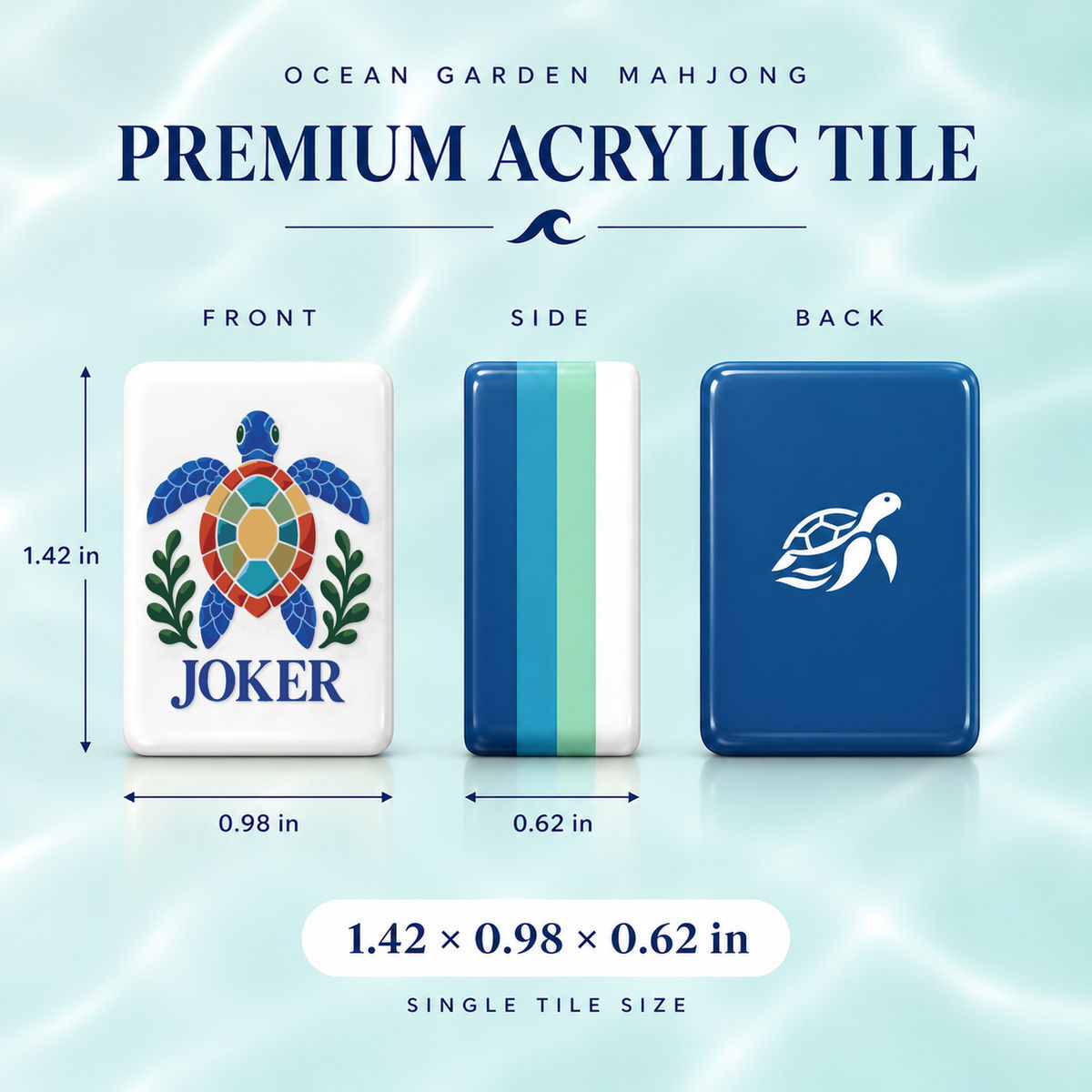
When you're ready to set up your best-selling mahjong sets for your weekly game, confirm the set contains 152 playing tiles (three suits, 1–9; winds; dragons; flowers) plus 8 jokers. American sets are always 160 tiles total, giving you spares. Buy your current-year National Mah Jongg League card from the league directly—no set replaces it. Pair your tiles with a quality mat to protect them during play and store cards safely between games. If you call pung frequently, you'll be exposing and stacking tiles; a mat keeps them organized and visible to all players.
🀄 Shop best-selling mahjong sets →
Strategic pung calling: when and why
Calling a pung signals confidence but also broadcasts your hand direction to opponents. Experienced players watch calling patterns: if you call a pung of 3 Dots, they know you're building dot-heavy hands and may discard similarly to block you or advance their own dot hands. Call early if the pung is common (appears in many hands on the card); hold off if it's rare and you're unsure. A "safe" discard for you might be a dangerous gift to a player chasing that same pung. Position matters too: if you're the player being played to, calling gives the next player a fresh draw and slightly reduces pressure. If you're behind in the play order, calling sometimes accelerates you toward a win. Read the table, not just your tiles.
🎁 See our most-loved mahjong sets & accessories →
Comparing pungs across American, Chinese, and Hong Kong mahjong
American mahjong bans chows (1-2-3 runs) entirely, so pungs are the backbone of every hand; you cannot substitute a run for a pung. Chinese and Hong Kong mahjong allow chows and treat them equally with pungs. In Hong Kong play, you can call a chow from a discard; in American, you cannot. This changes everything: American players build pungs methodically from the wall and discards; Chinese players have the option to mix runs with sets, offering more flexibility and faster wins. American also uses the League card as law, while Chinese play follows tile-by-tile combinations. If you've played Chinese mahjong and switch to American, expect to unlearn run-building and think in "sets only" mode. The good news: mastering American pungs teaches you rigid structure; switching to Chinese later feels like learning to improvise. Pungs are your foundation regardless.
✨ Find your Mahstead set — free US shipping →

FAQ
Can I call a pung if I already have four sets and just need a pair?
No. Once you have four sets, calling any more tile would give you five sets—illegal. At that point, you can only draw from the wall, hoping for your pair.
If I call a pung with a joker, can I later swap the joker for a natural tile?
No. Once a joker is placed in an exposed pung, it stays locked there. You cannot remove it to use elsewhere. Plan joker placement carefully.
Does a pung always have to stay at three tiles, or can I add a fourth to make it a kong?
You can add a fourth tile to convert a pung to a kong by drawing or calling. When you do, announce "kong" and score the kong value instead. Kongs are worth more.
What if two players call pung on the same discard?
The player closest to the discarder in turn order (usually the next player clockwise) gets the discard. The second player cannot claim it; they must wait for the next discard.
Are all pungs worth the same points?
No. Pung scoring depends on tile type (Honors score higher) and the specific hand on your card. The League card lists each hand's point value; you look it up when you win.


View More
View More
View More
