
Best Mahjong Solitaire App: Real Player Guide
Last updated: Nov 23, 2026
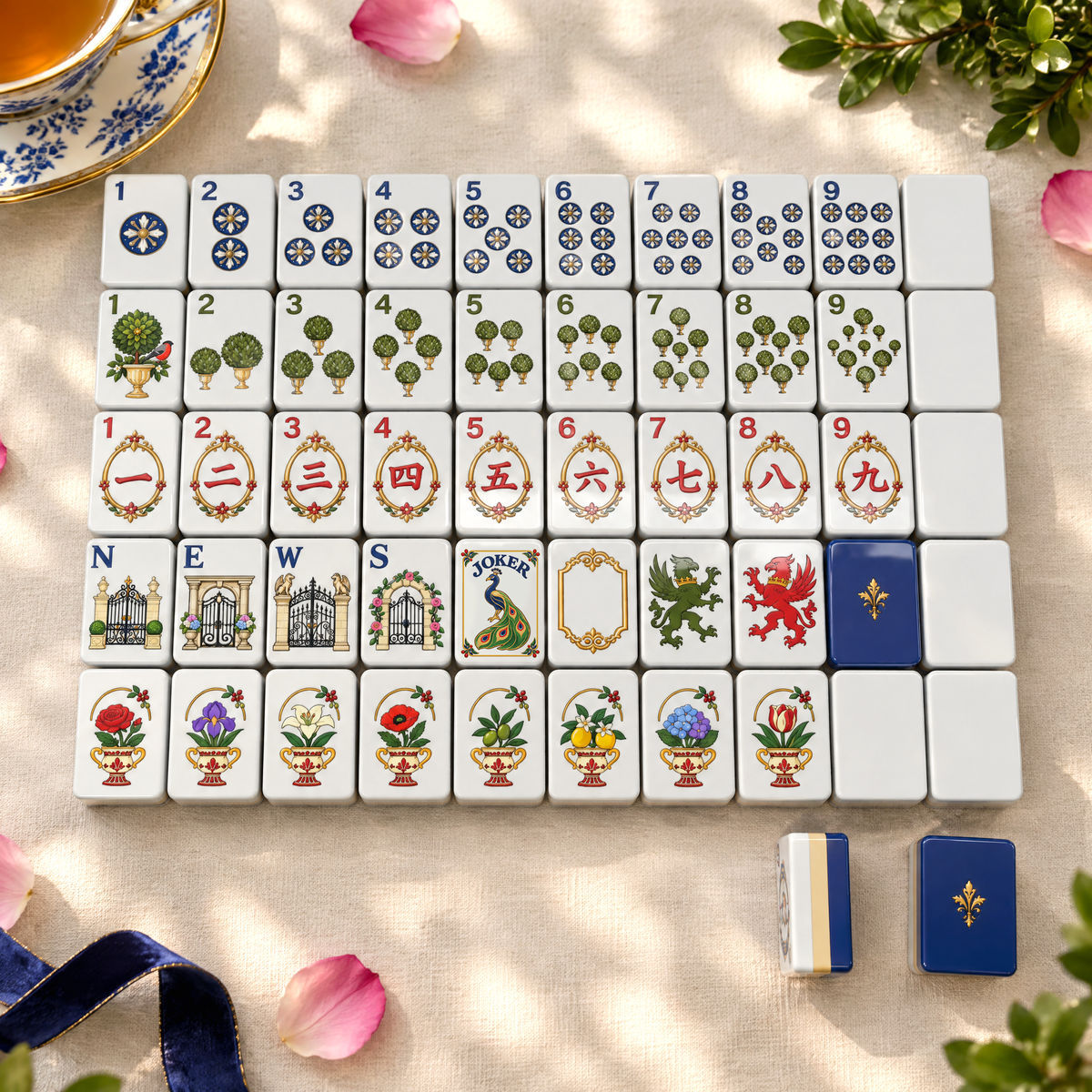
Mahjong solitaire apps are digital versions of the classic tile-matching puzzle, where you remove pairs of identical unblocked tiles from a layout until the board clears. The best ones for players include Mahjong Solitaire Gold, Microsoft Mahjong, and Mahjong Ways—all free or low-cost with optional purchases. Play times range from 3 to 15 minutes per level. They boost tile recognition and pattern spotting, skills that transfer to American mahjong, but they teach nothing about hand composition, the National Mah Jongg League card, or four-player strategy. Serious players use apps for warm-up between table sessions or for casual play while traveling, not as a substitute for learning the real game. The best physical setup—a quality mahjong set from our best-selling collection—remains essential for serious play.
Mahjong solitaire is not the same game four of us play with the Charleston, the card, and scoring. Solitaire apps are single-player tile-removal puzzles; American mahjong is a competitive hand-building game with strict rules and annual card variations. But for building tile fluency and killing time on a commute, certain apps work well. Here's what to actually look for and what digital play can and cannot teach you.
How do solitaire apps differ from the real game?
Mahjong solitaire removes pairs of identical tiles from a shuffled board until you win or run out of moves. There's no hand composition, no jokers, no Craks or Bams or Dots strategy, and no turn structure. American mahjong requires reading the card each year, memorizing hand patterns, using jokers tactically, and managing the pass. Solitaire trains your eye to recognize tile sets and spot chains; the real game trains you to recognize legal hands and negotiate the game state with three opponents.

Which apps actually teach tile recognition?
Start with free titles first: Microsoft Mahjong (clean interface, timer, many layouts), Mahjong Solitaire Gold (colorful, offline play, progression system), and Mahjong Ways (landscape mode, good graphics). Paid options add fewer ads and cosmetics, not deeper learning. Choose based on whether you want relaxation (soft music, no timer) or speed practice (timer challenges). The core skill—spotting which tiles are free to remove—works equally in any version. Play 10 minutes daily for two weeks and you'll notice faster pattern recognition when you pick up your first American mahjong set. None of these teach hand reading or scoring, but they do build confidence handling tile names and numbers.
What can digital play teach you about American mahjong?
Solitaire apps build two specific skills. First, tile naming becomes automatic: you'll stop saying "the number five thing" and say "5 Dot" without thinking. Second, you learn which tiles exist (1–9 in three suits, four of each, plus honors and flowers), so the first time someone says "draw a Crak," you know which color they mean. Apps teach nothing about legal hands, the annual card, joker placement rules, or the four-player dynamic. They're a supplement, not a path to the real game. To truly prepare, you need hands-on learning: read how American mahjong works, study the yearly card with a local group, and play at a table with experienced players. Apps are a confidence-builder, not a shortcut.

Should you play solitaire before or after table games?
Most of us play an app round before heading to game night—it's a 10-minute warm-up that primes your tile recognition and gets your hands moving. After you've played table mahjong for a few sessions, you might use an app on slower weeks to maintain muscle memory. The reverse works too: new players often try solitaire apps first to get comfortable with tile sets before joining a live game. There's no wrong order, but avoid thinking the app replaces table play. Solitaire is to American mahjong what a shooting drill is to a basketball game—useful prep, not the sport itself.
What's the honest trade-off: app vs. table?
Aspect | Mahjong Solitaire App | Live American Mahjong |
Tile familiarity | ✓✓✓ Builds fast | ✓✓ Natural over time |
Hand patterns | ✗ None | ✓✓✓ Core skill |
Scoring | ✗ None | ✓✓✓ Complex system |
Social play | ✗ Solo | ✓✓✓ Four players |
Card reading | ✗ None | ✓✓✓ Essential |
Joker strategy | ✗ None | ✓✓✓ Tactical |
Cost | Free–low | Tile set, mats, hosting |
Time per session | 3–15 min | 60–90 min |
Best for | Commute, warm-up | Real skill, friendship |
Apps excel at convenience and low stakes; the table excels at depth and real strategy.
🀄 Shop best-selling mahjong sets →
How to use app time to prep for your first live game
If you're new to mahjong, play a solitaire app for 10 days before your first table session. Aim for 5–10 rounds daily, focusing on speed rather than perfection; when you can clear a board in under 10 minutes, you know tile names well. Before game night, watch a video on the Charleston and review how jokers work so you understand the core rules. At the table, tell players you're new and ask for patience during the first hand. Most groups rotate who calls the card and help beginners; you'll learn faster by playing than by app practice alone. The app got your hands and eyes ready; the table teaches the actual game.
What to check before you buy (or download)
Is it truly solitaire? Some apps labeled "mahjong" are actually different games (spinner modes, tournament play). Look for "classic," "solitaire," or "pair-removal" in the description. Does it have offline play? Connectivity issues kill a commute game. Pick one that works without internet. What's the ad load? Free apps show ads; if they interrupt every level, pay for the ad-free version once rather than suffer. Does tile size scale? If you have vision challenges, test the app on a friend's phone first or read reviews for accessibility. Can you quit mid-level? A good solitaire app saves your position; avoid ones that penalize quitting. Are the tiles named? The best apps label suits so you learn real names; skip generic numbered tiles.
🎁 See our most-loved mahjong sets & accessories →
When you're ready to move from app to table, a quality engraved American mahjong set makes your first live game feel real and sets you apart at the hosting table. Apps are fun and free, but they're a lobby; the actual game happens when four of you sit down with a physical set, a good mat, and the current year's card. Start with solitaire if it appeals to you, but commit to learning the real thing.
✨ Find your Mahstead set — free US shipping →

FAQ
Can I learn American mahjong rules from a solitaire app?
No. Solitaire apps teach tile recognition only. American mahjong rules—hand patterns, the card, jokers, scoring, four-player strategy—require live play or dedicated study guides. Use the app to warm up your eye; learn the game from a table group or instructional resource.
Which free mahjong solitaire app is best for beginners?
Microsoft Mahjong is the most beginner-friendly: clean design, multiple layouts, offline play, no pay-to-win traps. Mahjong Solitaire Gold is second. Both are free; try each and pick the interface that feels best to you.
How long does it take to get good at solitaire mahjong?
You'll clear boards consistently within two weeks of daily 10-minute play. Real skill—spotting hard-to-reach pairs and planning ahead—takes months. Most casual players play for relaxation rather than mastery.
Do solitaire apps teach me anything about real American mahjong hand-building?
No. Solitaire is a tile-removal puzzle; American mahjong is hand composition from 14 tiles on the card. Solitaire teaches tile names and visual pattern spotting, which help at the table, but not strategy or scoring.
Should I play solitaire before or after learning real mahjong?
Either works. New players often play an app first to build confidence with tiles, then join a live game to learn rules. Experienced players use apps between sessions as a warm-up. There's no single right path.
Can I substitute mahjong app play for joining a game group?
No. Apps are a supplement. Real mahjong involves negotiation, the Charleston, live scoring, the yearly card, and four unique players. You'll learn almost nothing about actual strategy from an app and miss the social joy that keeps most of us playing.


View More
View More
View More
