
What Is Card Colors in American Mahjong
Last updated: Nov 23, 2026
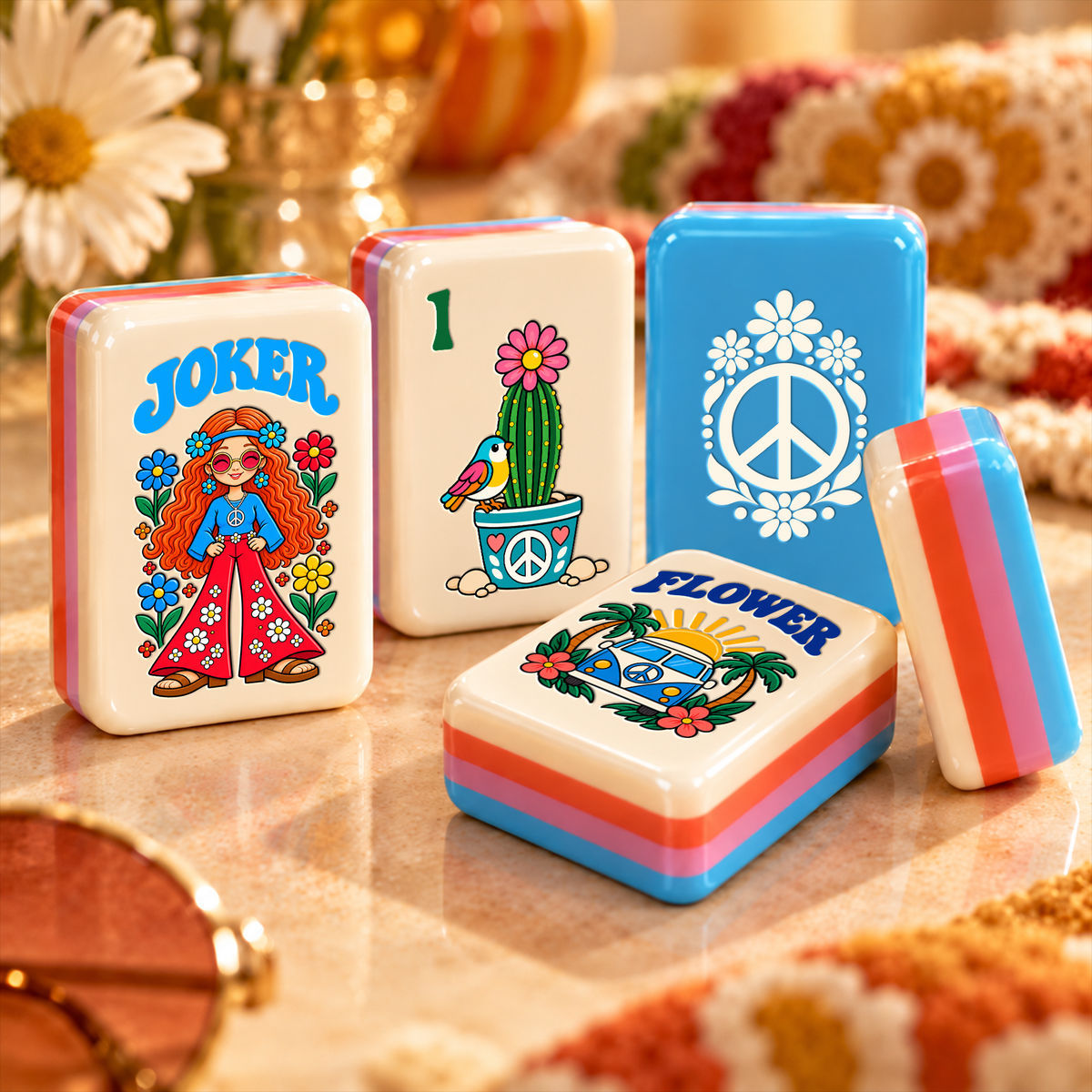
The "card colors" in American mahjong refer to the background color blocks printed on the National Mah Jongg League card—each color group represents one hand pattern you can play that season. The card organizes hands into sections by suit and type (Pung, Kong, Quint, Sextet, Pair). Each section has dozens of patterns; colors distinguish them visually so you can scan quickly during play. The card is reissued every spring, and you must use only that year's card. The colors themselves (usually tan, green, blue, pink) have no strategic meaning—they're purely a reading aid. Mahstead players keep a card holder or mat with a built-in card slot to keep it visible and protected.
How does the card layout organize those color blocks?
The NMJL card is divided into main sections: Pung, Kong, Quint, Sextet, and Pair (the permitted exposed melds in American mahjong). Within each section, hands are grouped by suit and number range. Each distinct hand pattern gets its own horizontal row and a colored background—tan, green, blue, or pink. The color repeats within a section to help your eye separate one hand from the next at a glance. Beginners often scan by color first, then read the tile symbols in that block to confirm they have the right pattern.

What does each color really mean on the NMJL card?
The colors are arbitrary; the NMJL assigns them purely for visual clarity. One year tan might mark Pung hands in the 1–3 Bam section; another year the same section might use green. The color has no gameplay rule or ranking value. What matters is that you learn to read the color blocks in the current card, spot your tiles within a colored pattern, and call your hand before the next player draws. The color itself is invisible to strategy—only the tile symbols inside the block matter.
Why do players sometimes miss their hand on colored-block cards?
Fatigue and pattern-matching speed cause most misses. You hold 14 tiles, the discard pile is growing, and you have seconds to scan. Many players develop a habit: they look first at their hand, identify suits and pairs, then search the card by section and color. If tiles are similar in value or you're holding multiple near-complete patterns, the eye can skip over the right color block by habit. The tile arrangement on the card also differs from your rack order, so a hand you see in your tiles may take extra seconds to locate in a color block. Experienced players learn to read the card methodically and pre-scan before their turn; beginners benefit from a mahjong mat with a card slot so the card stays in view and at hand height.
How do you remember color blocks if you play multiple variants?
American mahjong uses colored blocks on the NMJL card. Hong Kong, Chinese, and Riichi variants have different scoring and hand systems entirely—no NMJL card and no colors. If you play both American and another variant, keep each game's rules separate in your mind: American = card with colors, hand must match the card exactly, no other hands allowed. Other variants = memorized hand rankings, different tile counts, different melds. The color block system is unique to American mahjong, so it won't confuse you in other games once you compartmentalize them.
What's the fastest way to spot your hand by color and tile?
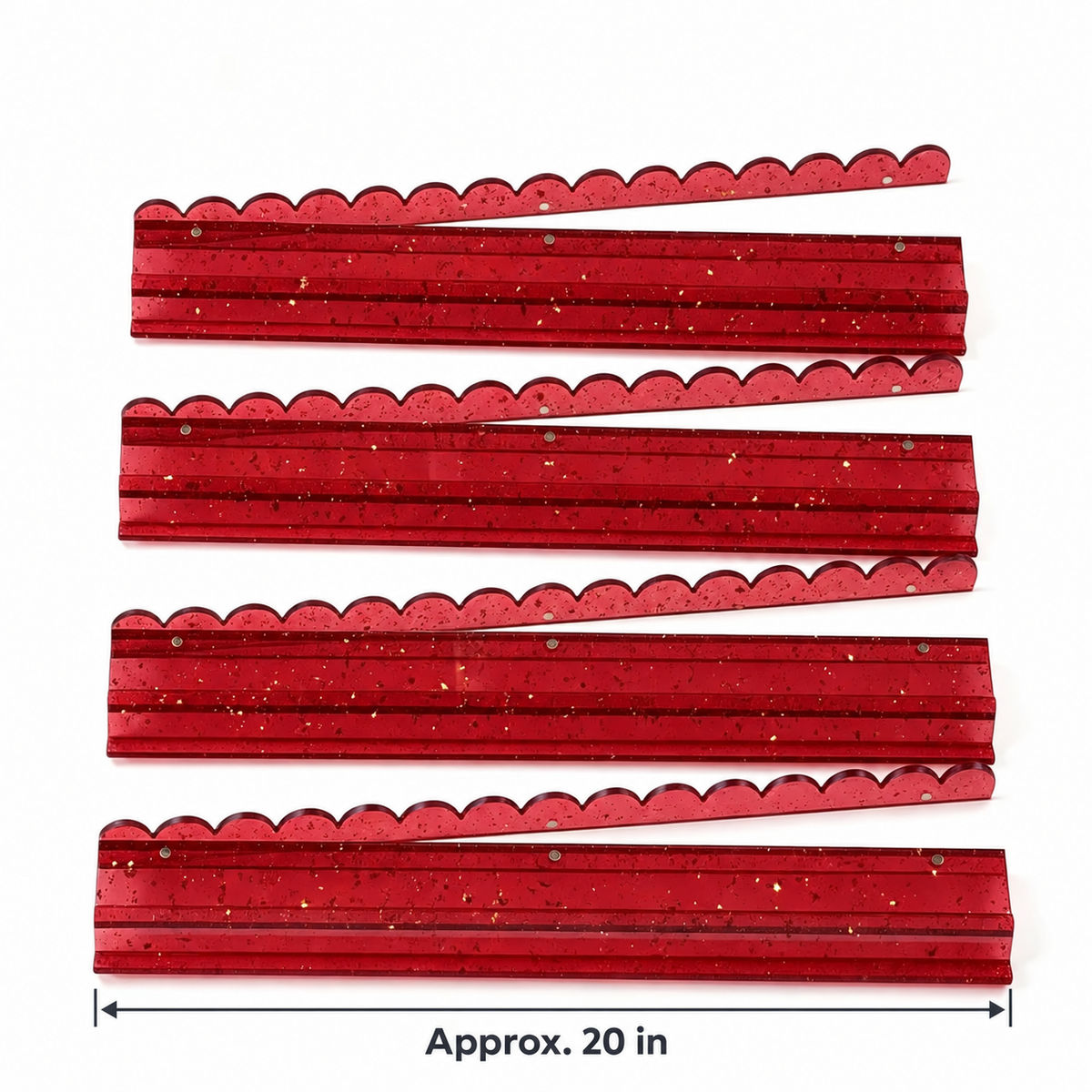
Start by identifying the type of hand you hold (Pung, Kong, Quint, Sextet, or Pair), then the primary suit and range. Scan the card to that section and look at color blocks in that area. Once you've narrowed to two or three colored rows, read the tile symbols inside each block and match your hand tiles. Never search the entire card for a random color. Experienced players scan in roughly five seconds by building this mental pathway. Keep a mahjong mat designed for quick card reference—a dedicated slot holds the card at your eye level and prevents fumbling when you're under time pressure.
What You'll Check Before Calling | Why It Matters | Red Flag |
Color block section matches your hand type (Pung/Kong/etc.) | Ensures you're looking in the right part of the card | Calling from wrong section and losing the hand |
Tiles in colored block exactly match your rack | Even one tile off invalidates the hand | Joker mistaken for regular tile, or similar numbers confused |
You have exactly the right count (usually 14 tiles) | American mahjong requires precise tile count | One extra or missing tile voids the hand |
Current year's NMJL card is in play | Rules and valid hands change every spring | Playing an old card's pattern on new card—invalid |
🀄 Shop best-selling mahjong sets →
How do color blocks differ if you play with custom or themed sets?
The colored blocks on the NMJL card are not a property of the tiles themselves—they're printed only on the official card. Your tiles have no color coding. Whether you play with our best-selling standard sets or engraved custom mahjong sets with titles, the tiles look the same and follow the same rules. The card is what carries the colors. So custom designs don't change how you read the card; they only change how your tiles look. A vintage bamboo set, an acrylic Mahstead set, and a themed Christmas set all use the same NMJL card with identical color blocks.
🎁 See our most-loved mahjong sets & accessories →
What to check before you buy a set and start reading cards
1. Confirm the current year's NMJL card is in your game. Every spring the card changes. Playing with last year's card is cheating—hands and points shift. Check with your host or group before joining a game.
2. Get a dedicated card holder or mat with a card slot. A loose card curls, fades, and gets lost mid-game. A mahjong mat with a built-in card slot keeps it flat and visible the entire time.
3. Practice matching tiles to colored blocks before your first game. Grab a tile, find its color block on the card, and read the surrounding pattern. Do this five times with a friend. You'll recognize the rhythm fast.
4. Don't rely on color memory alone. Memorizing that "tan is Pung" works until the card changes or you play a new variant. Always read the symbols inside the colored block—color is the shortcut, not the rule.
✨ Find your Mahstead set — free US shipping →

FAQ
Can I use an old mahjong card with new color blocks if I know the hands?
No. You must use the current year's NMJL card. Hands and point values change every spring. Using an old card is invalid, even if the colored blocks look familiar.
Do the tile colors (red Craks, green Bams, white Dots) have anything to do with card colors?
No. Tile suit colors are fixed (red, green, white). Card color blocks are arbitrary visual aids printed that season. They're separate systems.
If I'm colorblind, can I still read the colored blocks?
Yes. The symbols inside each colored block are the actual rule—color is only a visual aid. Focus on tile symbols and section headings (Pung, Kong, etc.). You can also ask the host to read a block aloud if you need clarification.
Why does my card look different than my friend's card?
If both cards are from the same year and you're looking at the same section, the difference might be old print runs versus new printings. But if one is from 2025 and one from 2026, they're completely different cards with different hands. Always check the year.
Do online or app-based mahjong games use the same colored blocks?
American mahjong apps and digital versions show the NMJL card on-screen in the same format—colored blocks and all. The colors function the same way: a visual shortcut to the right section. Play rules remain identical.
Should I memorize the colors or just learn to read the symbols?
Learn to read the symbols first; color is a bonus. Once you know a few games, you'll start recognizing color patterns naturally. Don't force memorization—it comes with play.


View More
View More
View More
