
How to Clean a Mahjong Tote: Fabric, Stains & Care
Last updated: Nov 23, 2026
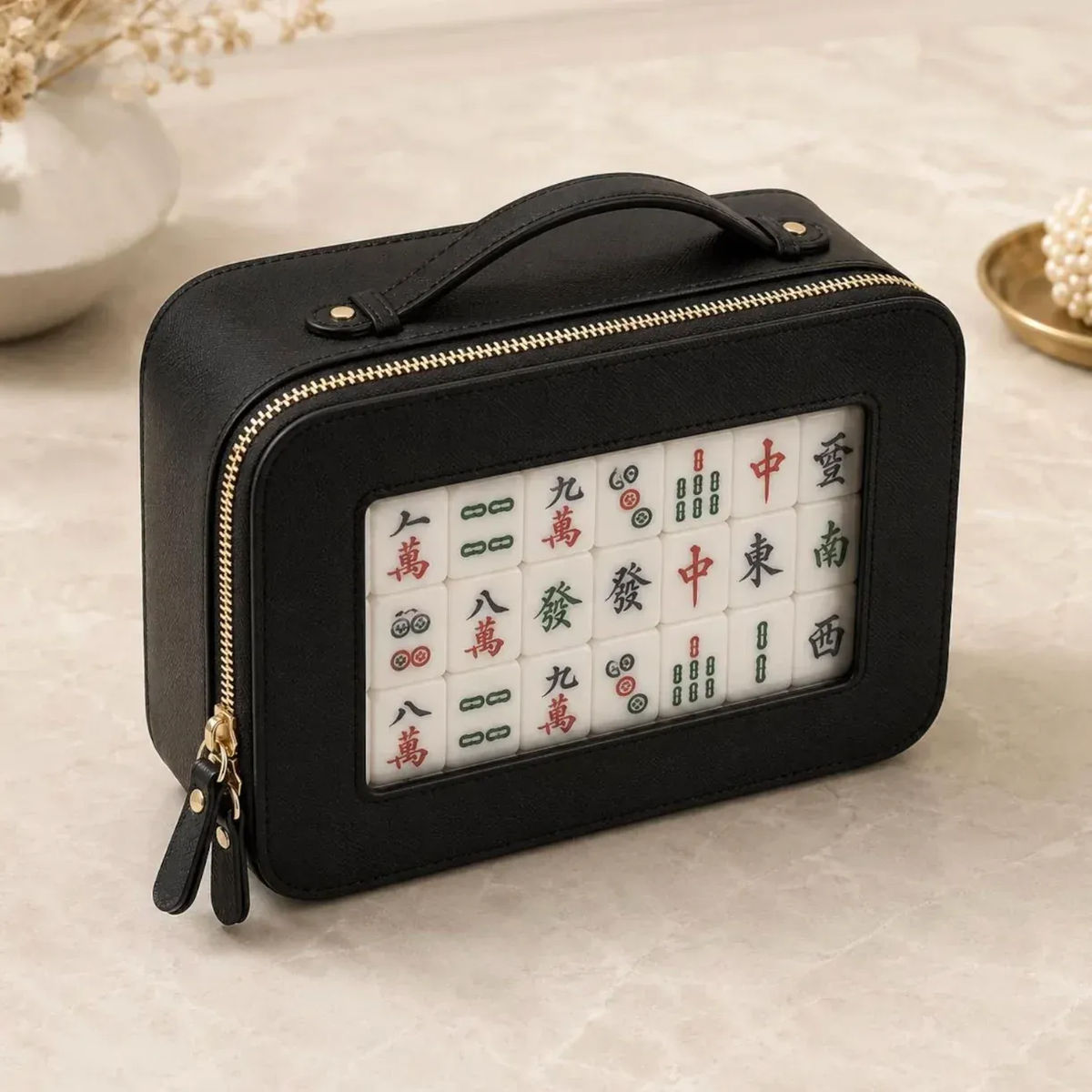
Most mahjong totes use durable canvas, nylon, or polyester blends. Spot-clean fresh stains with a damp cloth and mild soap; let dry fully before storing tiles inside. For deep cleaning, wipe exterior and pockets with a soft brush, then air-dry at least 24 hours away from direct heat or sunlight. Check your bag's care tag first—some embroidered or engraved designs require gentler handling. Avoid machine washing, bleach, and dryers, which fade fabric, damage stitching, and degrade protective waterproof coatings. For stubborn stains, try a mix of equal parts white vinegar and water. Never close a damp bag; trapped moisture breeds mold and warps your tile case inside. We rotate our totes seasonally and store them flat in a cool, dry closet between games, which extends life by years.
What's inside a mahjong tote that gets dirty?
Your tote holds 160 tiles, racks with pushers, a mat, dice, and the card—all loose or in soft cases. Tiles shed residue from hands and snacks; felt mats trap dust and spill liquid; wooden racks absorb coffee rings; dice accumulate lint. Exterior pockets collect receipts, snack crumbs, and dirt from car floors. The seams and zippers are the first spots to harbor grime and mold if moisture sits. Weekly games mean your bag cycles between heated homes, damp basements, and humid car trunks—thermal shifts invite condensation inside pockets.
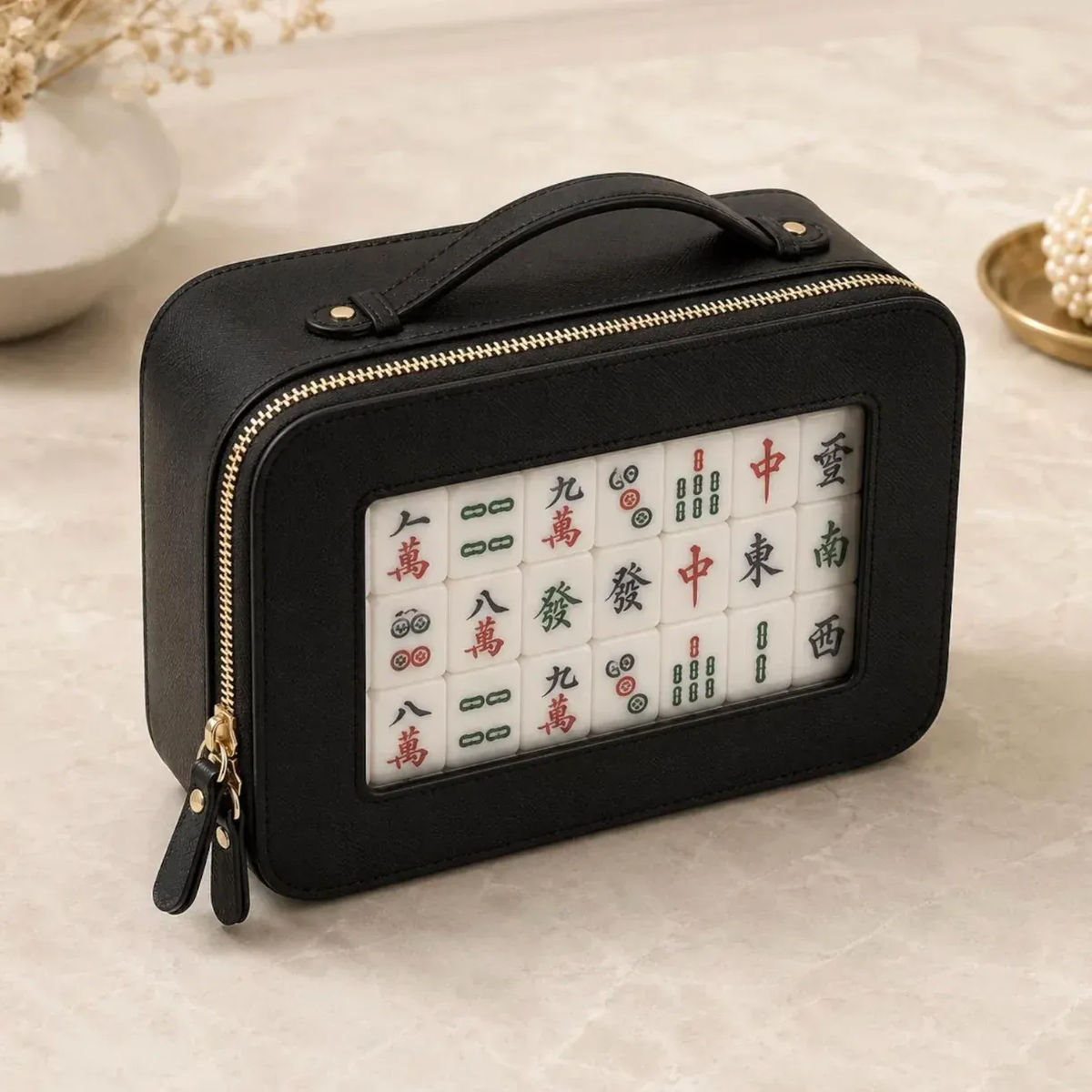
How do I remove common stains without damaging the fabric?
Fresh stains (within a few hours): Blot immediately with a dry cloth; never rub. For coffee, juice, or wine, apply a cloth dampened with cool water and a drop of dish soap. Work from the outside edge toward the center to avoid spreading. Dab repeatedly until the stain lifts, then rinse with a clean damp cloth and dry with a towel.
Set-in stains (older than a day): Mix one part white vinegar with one part water. Dab the stain, let sit 5 minutes, then blot. For grease or pen marks, use a soft eraser or rubbing alcohol on a cloth—test on an inconspicuous corner first.
Ink or permanent marker: Rubbing alcohol on a cotton ball; dab and blot. Do not let it soak, as it can weaken synthetic fibers.
Never use bleach, acetone, or hydrogen peroxide on colored canvas or embroidered designs. Heat sets stains, so air-dry only.
🀄 Shop best-selling mahjong sets →
What's the safest way to wash the exterior and pockets?
Start with a dry vacuum or soft brush to remove loose crumbs and dust from seams and pockets. Flip the tote inside-out if possible to dislodge debris. Use a lint roller on fabric to catch pet hair and dust.
For the exterior: Wipe with a cloth barely dampened in lukewarm water and a tiny amount of mild soap (wool wash or baby shampoo work well). Use circular motions and rinse with a fresh damp cloth. Pay attention to handles and corners where grime collects.
For pockets: Reach deep with a cloth-wrapped finger or a small soft brush. Many totes hold lint, tile dust, and forgotten snack wrappers. Wipe each pocket, dry with a dry cloth, and leave open to air-dry.
For zippers and metal fittings: Wipe with a dry cloth; water can cause rust or oxidation. If a zipper sticks, rub a graphite pencil along the teeth—never use oil or WD-40, which attracts dirt.
Allow 24–48 hours of air-dry time before closing or storing tiles inside. Leave the tote open, upright, in a room with low humidity and no direct sunlight.
How do I prevent mold and odors in my mahjong bag?
Moisture is your enemy. Never store a damp tote or close it with wet tile bottoms inside. After a humid game night, leave your tote open for 12 hours before packing. If you notice musty smells, wipe the interior with a cloth dampened in a vinegar-water solution (equal parts) and let air-dry completely.
Store your tote flat or upright (not crumpled) in a cool, dry closet, away from direct sunlight and radiators. A fabric sachet of dried lavender or activated charcoal placed inside absorbs odors and moisture—no chemical sprays needed.
Rotate totes if you own more than one. Giving a bag a rest between seasons prevents odor buildup and extends elastic and stitching life. We keep spare totes in a plastic storage bin with a desiccant packet during off-season months.
If mold or mildew develops inside seams or corners, wipe with a cloth soaked in equal parts white vinegar and water, dry thoroughly, and leave open in sunlight for several hours. Sunlight kills mold spores. If the smell persists, the bag has absorbed moisture deep into the material—consider replacing it.

Comparison: fabric types and their care needs
Fabric Type | Durability | Stain Risk | Cleaning Method | Drying Time |
Canvas | High | Medium | Damp cloth, brush, air-dry | 24–36 hrs |
Nylon | Medium–High | Low (water-resistant) | Soft brush, barely damp cloth | 12–18 hrs |
Polyester blend | High | Low | Damp cloth, avoid vinegar on prints | 12–24 hrs |
Embroidered/engraved canvas | High | Medium | Gentle brush, spot-clean only | 24–48 hrs |
Canvas totes absorb spills easily but offer character and durability; nylon resists water but can pill; embroidered designs require patient, gentle care. Check the tag or product page of your travel bag collection to identify your fabric before cleaning.
What should I never do when cleaning a mahjong tote?
Machine wash or tumble dry: Heat and agitation damage stitching, fade dyes, and warp plastic zippers. We've seen bags split at seams after one wash cycle.
Use bleach, detergent, or harsh chemicals: These degrade fabric fibers and cause yellowing or discoloration, especially on light-colored canvas.
Submerge the entire bag: Water trapped inside pockets, seams, and under the bottom causes mold and rust on metal hardware.
Iron or apply direct heat: Heat sets stains and can melt nylon or plastic components.
Store while damp: Mold develops within 48 hours in closed, humid conditions. Always air-dry fully first.
Mix cleaning solutions without testing first: Vinegar and baking soda can leave white residue; always spot-test on a hidden area.
What to check before you buy
When shopping for a new tote or replacing an old one, look for:
Reinforced handles and seams: Check stitching density and corner reinforcement—weak points fail under repeated weight of a full tile set.
Interior lining: A fabric or plastic lining protects against spills seeping to the outside; smooth linings resist staining better than canvas-only bags.
Zipper quality: Metal zippers outlast plastic; test smooth operation before buying.
Water-resistant coating (optional): Some totes have a light water-repellent treatment; useful if you transport bags through rain or humid environments.
Pocket configuration: Deep, lined pockets keep small items (dice, score pads, card) from rolling into corners where they're hard to retrieve and clean.
🎁 See our most-loved mahjong sets & accessories →
Browse our mahjong bags and cases collection for durable options designed to hold a full 160-tile set with racks, mat, and accessories—each built with the weekly player in mind. Tote styles range from simple canvas to padded nylon, and all are designed to pack flat and travel safely.
Pro care calendar: a seasonal checklist
Monthly (after 4 games):
Vacuum exterior pockets.
Wipe handles with a dry cloth.
Check zipper for smooth operation.
Quarterly:
Deep-clean exterior with a soft brush and barely damp cloth.
Spot-treat any visible stains.
Air-dry fully before storing tiles inside.
Annually (before season change):
Empty completely and shake out interior.
Wipe all pockets and seams.
Leave open to air for 24 hours.
Store flat in a cool, dry place with a moisture-absorbing sachet.
If damaged:
Small tears: sew closed or use a fabric adhesive patch on the inside.
Broken zipper: professional repair or replacement is often cheaper than a new tote.
Persistent mold despite vinegar cleaning: retire the bag and replace it.
✨ Find your Mahstead set — free US shipping →

FAQ
Can I wash my mahjong tote in the dishwasher or washing machine?
No. Machine washing damages stitching, fades fabric, and can warp zippers and plastic parts. Always hand-clean with a damp cloth and air-dry. Heat and agitation will shorten your tote's life significantly.
My tote smells musty even after airing. What's the cause?
Trapped moisture deep in the fabric or mold growing in seams. Wipe interior and seams with equal parts white vinegar and water, then leave open in sunlight for several hours. If the smell persists, the bag has absorbed mold spores and should be replaced.
How long does a mahjong tote typically last with regular care?
Five to seven years of weekly use if cleaned monthly, stored dry, and rotated seasonally. Totes that sit damp or are stored in humid closets degrade faster. Quality canvas and reinforced stitching add years of life.
Is it safe to store wet tiles in my tote to save drying time?
No. Trapped moisture breeds mold inside the bag and on tile bottoms, potentially ruining your set. Always air-dry tiles and the tote's interior separately for at least 24 hours before packing tiles away.
What's the difference between a canvas tote and a padded nylon travel case?
Canvas totes are lighter, fold flat, and are easier to carry but absorb spills and require more frequent cleaning. Padded nylon cases protect tiles from impact and resist water but are heavier and bulkier. Choose canvas for weekly local games; nylon for travel or transport in car trunks.


View More
View More
View More
