
What Is Blind Pass in American Mahjong?
Last updated: Nov 23, 2026
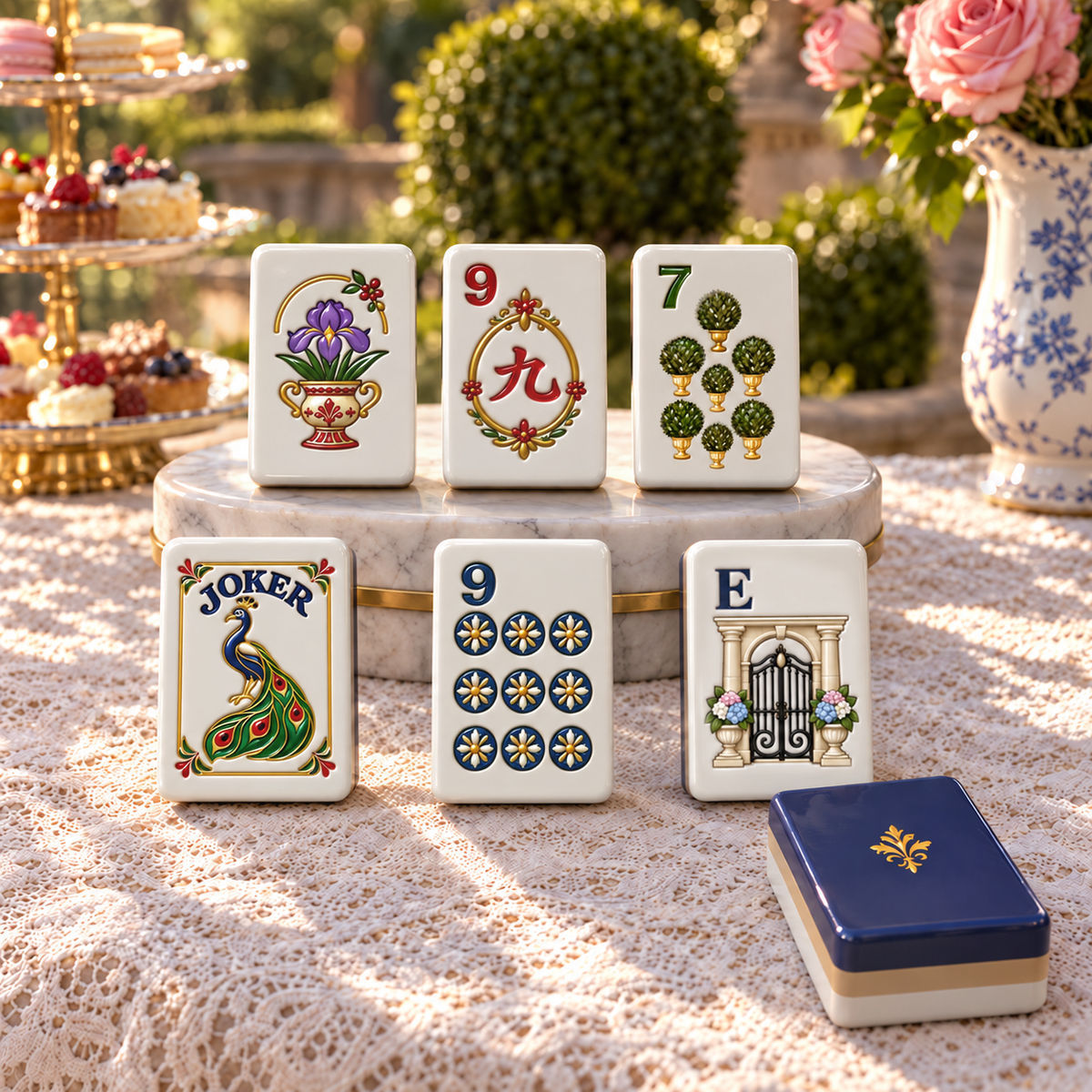
Blind pass is a voluntary move during the Charleston (the tile-passing ritual before American mahjong play begins) where a player passes one or more tiles face-down—without looking at them first—to the player to their right. It happens only in the second or third pass phase of the Charleston. A player sliding tiles across the table still exchanges them for tiles returned, but neither side knows what they're getting. Blind pass is a calculated gamble: you might dump a dangerous tile or complete a strong hand unexpectedly. It's never mandatory. Most casual tables use it; some competitive groups restrict or ban it. The move adds psychology and uncertainty—and teaches you the oldest lesson in mahjong: sometimes you win by not knowing.
Blind pass is a voluntary, high-risk tile exchange during the Charleston (the tile-passing ritual before American mahjong play begins) where a player passes one or more tiles face-down—without looking at them first—to the player to their right. It happens only in the second or third pass phase of the Charleston. A player sliding tiles across the table still exchanges them for tiles returned, but neither side knows what they're getting. Blind pass is a calculated gamble: you might dump a dangerous tile or complete a strong hand unexpectedly. It's never mandatory. Most casual tables use it; some competitive groups restrict or ban it. The move adds psychology and uncertainty—and teaches you the oldest lesson in mahjong: sometimes you win by not knowing.
When does blind pass actually happen in the Charleston?
Blind pass occurs only during the second or third pass of the three-pass Charleston sequence. In the first pass, all tiles move face-up; in passes two and three, you may choose to pass face-down. You announce blind pass before sliding tiles; the receiving player doesn't peek until it arrives. The move must follow house rules—some tables allow it only on the second pass, others permit it in both later passes. Check with your group before the game starts.

Why would anyone deliberately pass tiles they can't see?
You blind pass to unload a tile that feels dangerous (a singleton Soap, an orphan Dragon) without telegraphing weakness to watching players, or to create unpredictable chaos that might benefit you. Experienced players sometimes blind pass to mask strategy—if you always pass face-up, opponents learn your patterns. A blind pass also keeps opponents guessing: they see the tile count but not what you're holding, so they can't read your hand strength. The psychological edge matters as much as the tile itself.
What's the difference between blind pass and a regular face-up pass?
A face-up pass shows all three tiles before they move; everyone sees what you're discarding and can mentally track hand-building strategy. A blind pass hides what you're passing and forces the receiving player to gamble: they might get a tile that destroys their hand or completes it. Face-up passes are safer and strategic; blind passes are aggressive and risky. Most hands win or lose based on face-up passes; blind passes create the memorable chaos stories told after the game.
What's the most common mistake people make with blind pass?
Blind passing too many tiles at once early in the Charleston, before you've seen enough of your hand to judge what's expendable. New players panic after the first pass and toss three tiles blind hoping for salvation—then miss the safety they needed. The second mistake: blind passing the same tile you just received face-up, signaling to the table that you're desperate or confused. Hold onto received tiles for a moment; let your eyes settle. The third mistake: blind passing when your hand is already strong, inviting the universe to hand you a tile that breaks it. Blind pass works best when you're uncertain and want to reset, not when you're ahead.
How do you read a blind pass you've just received?
Once the blind pass reaches you, open it privately and study it against your current hand. Does it plug a gap or create a new problem? Some players instantly regret it; others find an unexpected pair. The key: don't react visibly until you've sorted tiles on your rack. Learn how to read the mahjong card so you know which hands are possible before the opening roll; that knowledge makes every pass—blind or face-up—a smarter choice.
🀄 Shop best-selling mahjong sets →

Does every American mahjong table allow blind pass?
No. The National Mah Jongg League rules do not mention blind pass—it exists in the gray zone of house rules. Most casual, friendly home games permit it as a fun psychological tool. Some competitive or league play restricts it or requires unanimous table consent before the game begins. Before you sit down, ask: "Do we use blind pass today?" If players hesitate or disagree, play without it. A house rule enforced at game-start beats confusion mid-Charleston.
Common blind pass house rules across tables:
Rule | Where common | Timing allowed | Table level |
Blind pass not allowed | Competitive leagues, formal clubs | Never | Strict |
Blind pass only second pass | Casual home games | Pass 2 only | Relaxed |
Blind pass second and third | Most friendly tables | Passes 2 & 3 | Friendly |
Unlimited blind passes all rounds | Very casual, beginner tables | Passes 1, 2, 3 | Experimental |
What happens if someone blind-passes a joker or a blank tile (spare)?
If a joker arrives in your blind pass, congratulations—you've won the lottery. Jokers are rare mid-Charleston and instantly upgrade most hands. Blank tiles (the spare tiles that come with a set but aren't part of standard play) should never appear in the Charleston; they stay in the box. If a blank accidentally reaches you, set it aside and call a pause to re-sort. If a joker comes blind, you've either gotten lucky or someone at your table made a counting error during the draw. Accept it and move forward.
🎁 See our most-loved mahjong sets & accessories →
How does blind pass differ in other mahjong variants?
Blind pass is unique to American mahjong and its Charleston ritual. Chinese, Hong Kong, and Riichi mahjong use no Charleston and no passes at all—the hand is built entirely from the draw and discard pile during active play. Taiwanese mahjong has a simpler pass system with no blind option. The Charleston and blind pass are distinctly American—invented as a way to randomize the starting hand and add negotiation and psychology. If you play multiple variants, the Charleston is what makes American mahjong feel like a game of controlled chaos.
Learn more about how to play American mahjong to understand where blind pass fits into the bigger picture of the game.
What to check before you buy a mahjong set for your first game:
Before you host or join a game, make sure your set has enough jokers and is properly organized. A standard American best-selling mahjong set contains 152 playing tiles plus spare jokers and/or blanks, all clearly marked. When you sort tiles for the Charleston—including any blind passes—you need to trust that your tiles are accurate, your counts match, and your rack keeps everything visible. A well-made acrylic set with clear tile faces and a matching mat makes blind pass calls and hand-reading faster and less contentious. If tiles are hard to read or mixed up, blind pass becomes even riskier because mistakes multiply. Invest in a set you can trust, and blind pass becomes a fun tool instead of a source of friction.
✨ Find your Mahstead set — free US shipping →

FAQ
Is blind pass cheating?
No. Blind pass is a consensual house rule that adds chance and psychology to the Charleston. It's legal in any game where the table agrees to use it before play starts. It's not mentioned in official League rules because League play typically forbids it—but casual play is free to adopt it.
Can I blind-pass to the left instead of to the right?
No. In the American Charleston, all passes move in one direction per round. The first pass goes right, the second goes left, the third goes right again. Blind pass follows the same directional rule—you cannot choose your own direction.
What if I blind-pass a tile and then immediately regret it?
Too late. Once the tiles leave your hand, the pass is complete. This is why blind pass teaches patience: count to three, breathe, then pass. Regret is part of the gamble.
Do blind passes count toward the total tile exchange, or are they extra?
Blind passes count. If you pass three tiles (two face-up, one blind), you receive three tiles in return. The math stays balanced; no extra exchanges.
Is blind pass more common in certain regions or age groups?
Blind pass is more popular in casual, younger-leaning home games and less common in formal club or league play. Players who learned from competitive players often skip it; those taught by family often embrace it. No strict geographic pattern—it depends on local house rules and teaching tradition.


View More
View More
View More
