
What Is 13579 Hands in American Mahjong?
Last updated: Nov 23, 2026
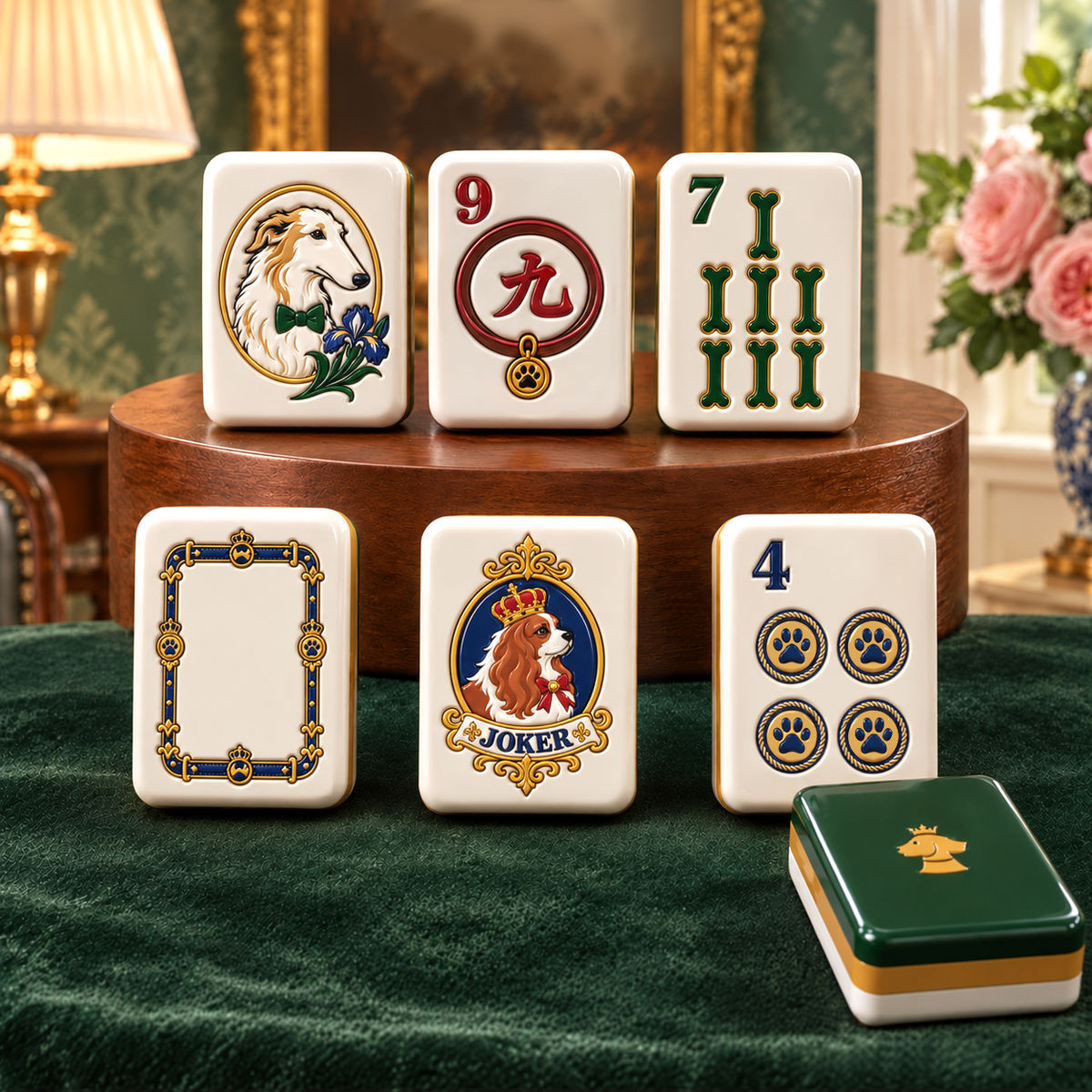
13579 hands in American mahjong are combinations using only the odd-numbered tiles: 1, 3, 5, 7, and 9 from one or more suits. They appear on the National Mah Jongg League card each year, usually in their own dedicated section. A 13579 hand might call for three 1 Bams, two 3 Dots, and five 7 Craks, for example—the exact mix depends on that year's card. These hands require no sequences (chows), only exposed sets: pungs (3 identical), kongs (4), quints (5), or sextets (6). They're popular among newer players because the pattern is memorable and hands load quickly. You'll find them scattered across the card's various sections; learning to read the mahjong card helps you spot them fast. Winning requires the exact hand listed plus a pair—draw the last tile, win immediately, no other moves allowed.
What tiles do 13579 hands actually use?
13579 hands draw exclusively from the odd-numbered rank within each suit: 1 Bam, 1 Crak, 1 Dot, 3 Bam, 3 Crak, 3 Dot, all the way through 9 Bam, 9 Crak, 9 Dot. A single hand may mix all three suits or stay within one. You never combine odd numbers in sequence (like 1-3-5 as a run)—American mahjong has no chows. Instead, you group identical ranks into pungs, kongs, quints, or sextets: three 5 Dots, four 7 Bams, six 1 Craks. The pair can be any two identical tiles, including another odd-number set.

Why are 13579 hands easier for beginners?
The name itself anchors the pattern in memory—say "13579" once and you know exactly which tiles fit. Contrast this with hands requiring specific suit colors, honor tiles (winds and dragons), or flower combos: those demand mental lookups mid-game. 13579 hands are visual shortcuts. Newer players recognize the numbered ranks immediately and don't confuse them with honors. Hands typically complete faster because odd numbers are plentiful and distributed evenly across the 152-tile deck. Beginners report fewer "almost there" moments where they're waiting on elusive even tiles. The psychological win matters: spotting a 13579 hand on your rack early builds confidence to study harder hands later.
Where do 13579 hands appear on the yearly card?
The National Mah Jongg League card divides hands into sections by pattern and difficulty. 13579 hands occupy specific rows, usually marked clearly so you can scan quickly during play. The exact row numbers shift each spring when the new card arrives, so don't memorize positions—instead, get comfortable flipping to the section labeled by that year's naming scheme. Most cards group similar hands (all odd, all even, all honors) together for fast reference. Learning to read the mahjong card teaches you the layout so you don't waste time hunting mid-game. Experienced players know their card's structure so well they can point to a 13579 section in under two seconds.
How do you actually build a 13579 hand?
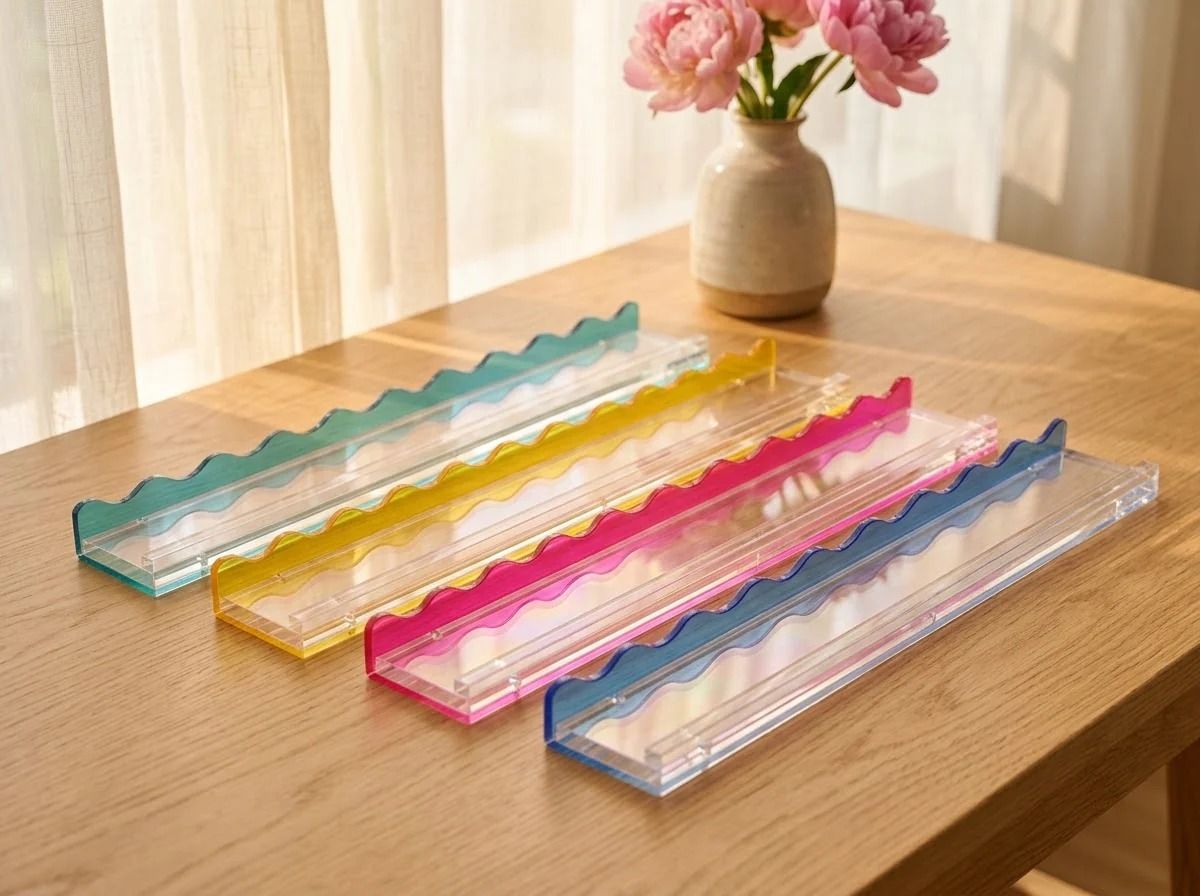
Start by choosing a target hand from the current year's card. Write down every tile requirement: how many of each rank, which suits, what pair is allowed. Draw tiles during play, keeping odd numbers visible on your rack or in your hand. Use mahjong racks with pushers to organize tiles vertically so you spot duplicates and gaps instantly. Expose sets (show three or more matching tiles face-up) as you complete them—this signals progress and locks in your commitment to that hand. Watch the discard pile: if someone throws a tile you need, call it immediately (if your hand allows). Once you have the complete hand plus a pair, wait for your turn. When another player discards a tile you can use to complete your pair, declare "mahjong" and win. If you draw the winning tile instead, "self-draw" for a larger score.
🀄 Shop best-selling mahjong sets →

Common mistakes that cost games
Mistake 1: Confusing the pair. Beginners often expose all their tiles, forgetting they still need a hidden pair. You cannot win without exactly one concealed pair at the end—even if every other tile matches perfectly. Re-read your hand before committing.
Mistake 2: Mixing odd and even. A 13579 hand uses only odd numbers (1, 3, 5, 7, 9). If your card shows a 1-3-5 or 2-4-6, those are different hands entirely, not 13579 variants. Check the card number every time—they look similar under pressure.
Mistake 3: Forgetting joker limits. Jokers can fill missing tiles in your exposed sets, but never in your hidden pair. Use them strategically in pungs or quints, but hoard them for truly stuck positions.
Mistake 4: Calling too early. Don't expose a pung unless you're confident the hand is reachable. Once exposed, you're locked in; other players see your tiles and adjust their play. Wait until you have at least two complete exposed sets before signaling your direction.
Mistake 5: Slow card reading. Keep your card at arm's length and use one finger to track rows. If a hand takes more than 10 seconds to verify, you'll slow the table. Practice speed at home—use a mahjong mat to simulate real play.
Scenario | Odd/Even Status | Example Tiles | Can Win? |
1 Bam + 3 Dot + 5 Crak + 7 Bam + 9 Dot + pair | 13579 hand | 1B, 3D, 5C, 7B, 9D, 1B | ✓ Yes |
1 Bam + 2 Dot + 5 Crak + 7 Bam + 9 Dot + pair | Mixed odd/even | 1B, 2D, 5C, 7B, 9D, 1B | ✗ No |
Three 1 Craks + three 5 Dots + three 9 Bams + pair | All odd, all pungs | 1C×3, 5D×3, 9B×3, 1C | ✓ Yes |
Three 1 Craks + three 5 Dots + one joker + pair | Missing a set | Incomplete | ✗ No |
🎁 See our most-loved mahjong sets & accessories →
What to check before you buy
1. Do you have the current year's card? Every spring the League issues a new card. Old cards won't match this year's hands. Check the card's date before playing.
2. Is your set complete? You need exactly 152 tiles (all three suits numbered 1–9, four copies each) plus 8 jokers. Missing tiles cost you wins. Count them before your first game.
3. Are your tiles readable under table light? If numbers or suit symbols are tiny, you'll fumble during play. Our best-selling acrylic sets use large, engraved markings visible from three feet away.
4. Do you have a mat and organized racks? Loose tiles on a bare table breed mistakes. A mat keeps tiles from sliding; racks with pushers let you organize odd numbers instantly.
5. Is your group aligned on house rules? Some tables play 13579 hands as worth bonus points; others don't. Agree before play starts.
✨ Find your Mahstead set — free US shipping →
Practice exercises to master 13579 hands
Exercise 1: Card scanning (5 minutes). Grab your current-year card and count how many 13579 hands appear. For each, write the tiles aloud. Speed matters—aim to list tiles in under 10 seconds per hand by week two.
Exercise 2: Rack building (10 minutes). Deal 13 random tiles onto a mat. Identify which 13579 hand (if any) comes closest to completion. Note the gaps. Repeat five times.
Exercise 3: Table simulation. Play a practice round with friends where everyone aims for 13579 hands only. No other hand types allowed. This removes decision paralysis and builds fluency fast.
Exercise 4: Discard reading. Before your next real game, spend the first three rounds just discarding while others play. Watch which tiles hit the wall, which stick. Patterns emerge—odd numbers linger longer than even—and you'll predict draws.
Next steps: Join a regular game
The best way to master 13579 hands is to play weekly with the same group. Consistency beats theory. Return to our full guide on how to play American mahjong to review hand scoring, the Charleston, and game flow. Once you've played five games, 13579 hands become reflex—you'll spot them without thinking.
FAQ
Can a 13579 hand include wind or dragon tiles?
No. 13579 hands use only the numbered suits (Bams, Craks, Dots) in odd ranks. Winds and dragons belong to separate hands on the card.
What if I have four 1 Bams but need three?
Expose all four (a kong). The extra tile is still part of your hand and counts toward the total—kongs are legal in 13579 hands.
Do I have to use all odd tiles from one suit?
No. A 13579 hand can mix: three 1 Bams, two 5 Dots, one 9 Crak, etc. The "13579" label means odd numbers only, not one suit only.
How many 13579 hands are on the yearly card?
The League publishes a new card each spring; the exact count changes year to year, but typically 10–20 13579 hands appear across various sections.
Can jokers replace tiles in a 13579 pair?
No. Jokers work only in your exposed sets (pungs, kongs, quints, sextets). Your hidden pair must be two identical real tiles—no jokers allowed there.


View More
View More
View More
