
Tea Party Mahjong Invitations: Wording Ideas & Hosting Tips
Last updated: Nov 23, 2026
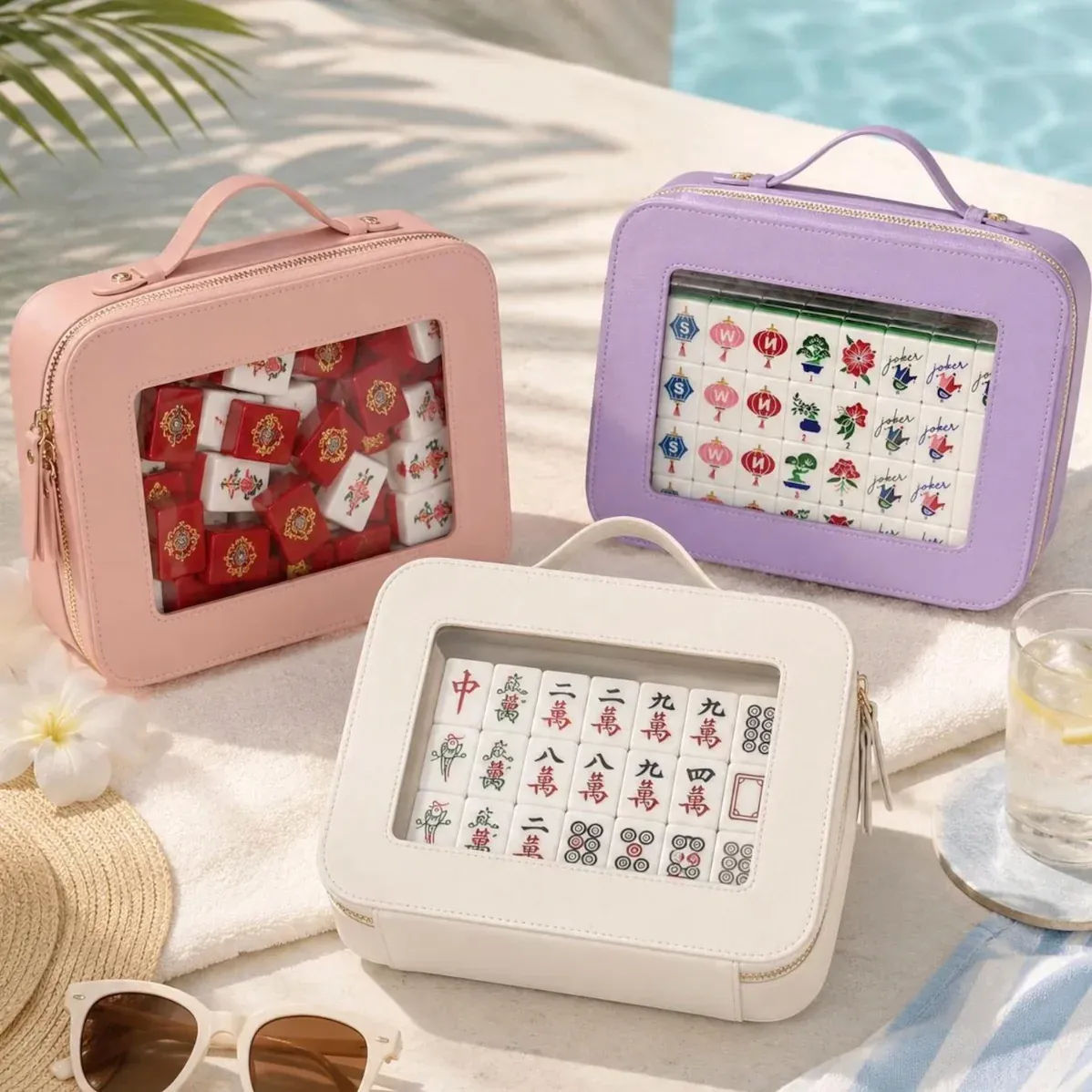
A tea party mahjong invitation balances humor, clarity, and hospitality. Say when (date, time, how long—usually 2–3 hours), where, what to bring (nothing, or a snack/drink if you like), dress code (casual or "comfortable loungewear"), and the vibe (beginner-friendly, experienced players, mixed). Skip "formal RSVP by" unless your guest list is tight; "let me know if you're in" works fine. Include a phone number or text option. Add a light joke ("Tiles not included" or "Expect trash talk and tea") to signal this is for fun. Mention if you're providing materials or if players should bring a rack, or note you've got everything covered. New players should know if you'll teach the rules or if they should watch a quick video first. A digital invite works great; a printed card feels more special and keeps guests from forgetting. Mahstead best-selling mahjong sets include everything you need to host without asking guests to contribute gear. 🀄 Shop best-selling mahjong sets →
What should a mahjong party invitation actually say?
Your invite needs five core pieces: date, time, duration, location, and what's expected of guests. Most mahjong tea parties run 2–3 hours, so say "2:00–5:00 p.m." rather than vague afternoon plans. Include your address or a recognizable spot (your home, a community center, a friend's game room). Specify whether drinks and snacks are provided, or if guests should bring something small. If you're teaching beginners, say so—it changes the energy. Keep it warm, not formal; mahjong is about friendship and laughs, not stiff etiquette.

How do you make the wording feel fun and inviting?
Add a personality touch that tells guests this is casual. Phrases like "Bring your best tiles-reading face," "Warning: severe tile addiction may develop," or "No mahjong experience? Perfect—we love teaching" signal low pressure and humor. If your group is experienced, "Serious players only" or "Bring your A-game and a sense of humor" works. Avoid corporate language like "event" or "gathering"—say "game night," "tea and tiles," or "our monthly mahjong crew." A line like "All skill levels welcome—we've got racks, tiles, and snacks" removes barriers for nervous newcomers. The tone you set in the invitation is the tone of the party, so lean into warmth.
Should you include instructions for beginners?
Yes—but keep it brief in the invite itself. If half your guests are new, say "Beginners welcome; we'll teach you the basics." Point them to a resource: "Watch this 10-minute intro beforehand if you'd like" (link a beginner guide). Never assume everyone knows the Charleston, how jokers work, or why you can't make a sequence with just any three numbers. Offering a quick prep video or email note separate from the invite keeps the invitation itself light and friendly, not overwhelming. First-time players who arrive slightly educated contribute faster and have more fun.
What's the best format: digital, printed, or text?
Digital invites (email, group text, Facebook event) are fastest and easiest to update. Printed cards feel more intentional and personal—especially if you're inviting people you see less often. Text is best for recurring weekly games or last-minute gatherings. For a one-off tea party, email with a fun subject line ("You're invited: tiles, tea & trash talk!") hits the sweet spot of thoughtful without overdone. If you send a printed card, include a phone number or email for RSVPs—not everyone checks mail regularly. Mix formats for close friends: a text heads-up, then a pretty card in the mail. The format telegraphs effort; mahjong players notice and show up.
How far in advance should you send the invite?
Send invitations 2–3 weeks ahead for a special event, one week for a regular monthly game. Four weeks gives people time to plan travel or arrange childcare if needed; two weeks is the sweet spot for casual tea parties. For recurring weekly games, a group text or recurring calendar invite works—no need to re-invite every time. Last-minute invites (24–48 hours) work for close friends but can feel rushed. Include a clear RSVP deadline: "Let me know by Thursday" is kinder than "RSVP by Tuesday" because people read emails at different times. Always include the host's phone number—some guests will call or text with questions or changes.
Invite Format | Best For | Lead Time | RSVP Method |
Mixed skill levels, clear details | 2–3 weeks | Reply-all or calendar link | |
Text/Group chat | Regular players, same group | 1 week | Quick text back |
Printed card | Special occasion, first-time guests | 3–4 weeks | Phone or email |
Social media event | Larger or mixed circles | 2–3 weeks | Event RSVP button |
Calendar invite | Recurring weekly game | Ongoing | Calendar acceptance |

What gear do you need to host without asking guests to contribute?
If you're inviting people, you've signaled you have the goods—tiles, rack, mat, and snacks. A best-selling mahjong set comes with 160 tiles, a mesh bag, and usually jokers. You'll need a mat (keeps tiles quiet, defines the space, looks intentional), four racks with pushers so players can hold and organize tiles easily, and a flat, level table. Racks are the unsung MVP—beginners love them because tiles don't tumble, and players look more pro. If you're hosting regularly, consider a travel bag or case so setup is five minutes, not thirty. Have the current-year National Mah Jongg League card (the hand reference sheet) visible on the table. Provide water, tea, and a snack; this removes friction and signals generosity. Your invite can confidently say "We've got everything—just bring yourself."
🎁 See our most-loved mahjong sets & accessories →
What mistakes do hosts make with mahjong invitations?
Vague timing: "Afternoon sometime" leaves guests confused. Say "1:00 p.m. to 4:00 p.m." Missing the teaching promise: If you're new to hosting, say "We'll walk through the rules—no experience needed." Too formal a tone: Mahjong is social; don't sound like a corporate event planner. Assuming equipment: Beginners don't know what a "rack" is or why they need one. Just say "I've got everything set up." No address or directions: Always include a street address and a landmark (near the park, next to the library) so guests with GPS still feel confident. Unclear RSVP deadline: "Let me know" can drag on for weeks. Say "RSVP by Wednesday, please." Forgetting the phone number: Someone will have a conflict or be running late; give them a way to reach you fast. Not mentioning snacks or drinks: Guests wonder if they should bring something or if it's provided. Clarity saves awkwardness.
How do you word an invite for a recurring weekly or monthly game?
For a standing game, your first invite is the detailed version; future reminders can be short. Example: "Our mahjong crew meets Thursdays, 7–10 p.m., at my place. New players always welcome. Let me know if you're in." After the first one, a weekly text or calendar reminder is fine—no need to re-explain the location or gear. For a monthly game that rotates hosts, the invite should include whose place it's at and confirm they're prepared (or ask them to confirm in the group chat). Long-term groups often create a shared calendar or group text to reduce back-and-forth. Your invite evolves from "formal introduction" to "friendly reminder," but the core info stays the same: date, time, location, and confirmation that everything's handled.
Before you send your invitation, check these details.
Date and time are locked in. Check your calendar twice; a wrong date derails everything.
Location and directions are clear. Include the street address and a short landmark or neighbor reference.
You've confirmed you have enough racks and tiles. Count: four racks, one mat, 160 tiles, one card. All there?
Food and drink plan is set. "Tea and snacks provided" or "Bring your favorite drink" removes confusion.
RSVP deadline is specific. "Let me know by Thursday" beats "eventually."
Your phone number or email is included. Guests need a way to ask questions or tell you they're running late.
The tone matches your group's vibe. Fun and warm for casual friends, clear and friendly for mixed circles, competitive for experienced players.
You've mentioned the skill level welcome. "Beginners and experienced players welcome" or "Best for intermediate+ players" sets expectations.
✨ Find your Mahstead set — free US shipping →

FAQ
What's the difference between a mahjong "tea party" invite and a regular game invite?
A tea party invite emphasizes relaxation, snacks, and social time over serious play. It signals "low pressure, high fun," while a "game night" invite might feel more competitive. Both work; the word choice sets the tone. Tea parties often attract new players or casual players; competitive games draw experienced folks.
Can I send a mahjong invite via text, or does it need to be formal?
Text is perfect for regular players or friends. For a one-time event or first-time guests, email feels more intentional and gives you room to explain rules or gear. Printed cards are lovely for special occasions but take time. Pick what fits your crowd—mahjong players value warm and clear over fancy.
How do I word an invite if some guests have never played mahjong?
Say "Beginners welcome—we'll teach you everything you need to know." Offer to send a short 10-minute beginner video beforehand if they'd like. Mention you have all the gear so they don't worry about what to bring. This signals confidence and removes anxiety from new players.
Should I mention the National Mah Jongg League card in my invite?
Not unless your guests already know what it is. Just say "We use the official hand guide, which is on the table—don't worry, we'll show you how to read it." Beginners don't need to know the card's history; they need to know it's there and you'll help them use it.
What if my tea party is mahjong + another activity, like lunch or crafts?
Lead with the main event: "Lunch and mahjong" or "Mahjong and jewelry-making." Then break down the schedule: "12:00 p.m. lunch, 1:00–3:30 p.m. mahjong, 3:30 p.m. crafts." This helps guests plan what to wear and how much time to block. Make sure mahjong isn't rushed—three rounds takes 90 minutes at a casual pace.
How do I invite someone who said they don't know how to play mahjong?
Say "You don't need to know anything—we'll teach you from scratch. It's easier than it looks, and the main point is hanging out together." Mention one fun detail ("We have snacks and laugh a lot" or "Expect to trash-talk") to make it feel like friendship, not work. The right words turn hesitation into curiosity.


View More
View More
View More
