
Mahjong Open Play in Fort Worth: Where to Play & How to Start
Last updated: Nov 23, 2026
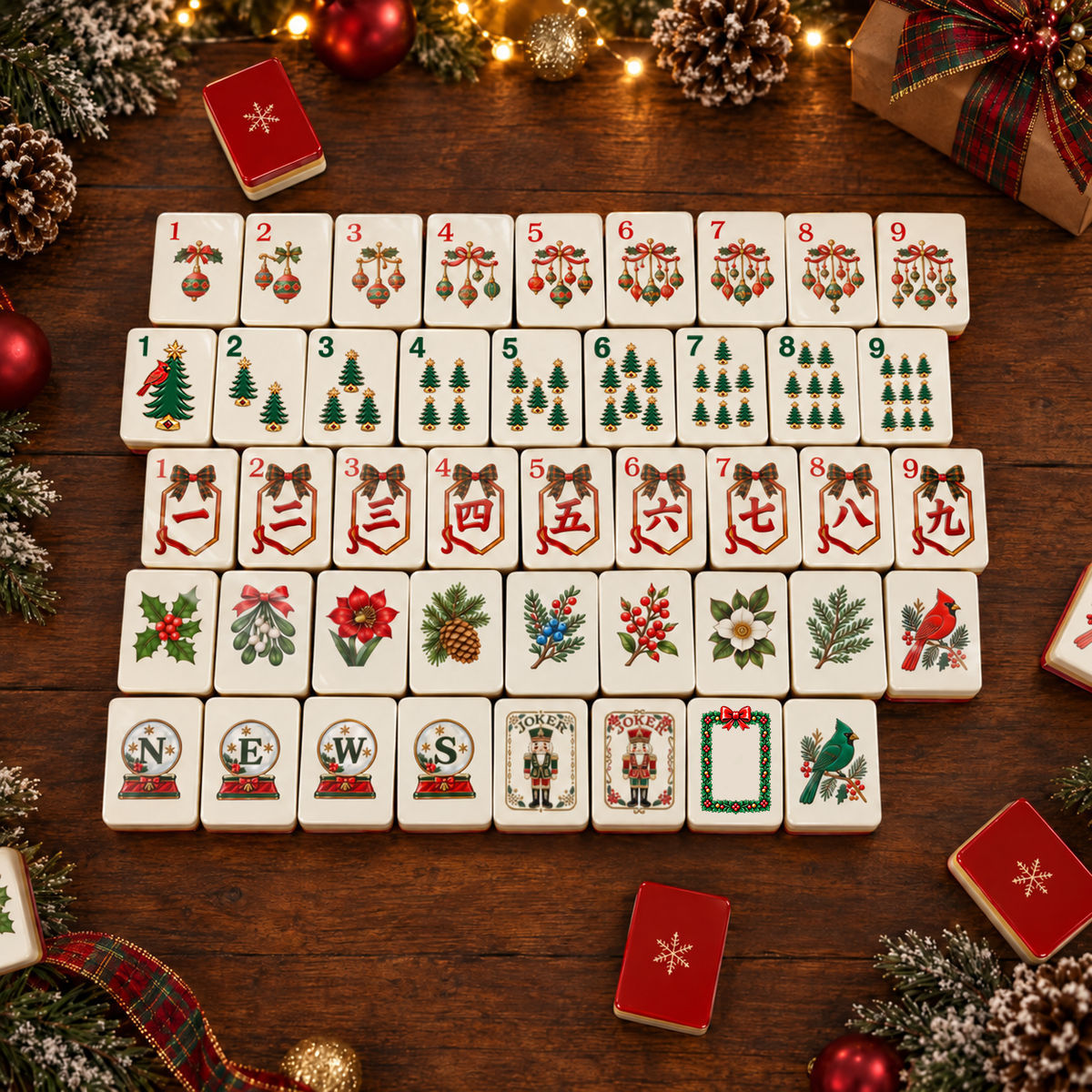
Open mahjong play in Fort Worth happens most reliably in community centers, public libraries, and established social clubs across the city. Look for games on weekday afternoons and weekend mornings at venues like recreation departments in West Fort Worth and Northeast locations—call ahead or check community bulletin boards for schedules. Most open games follow American mahjong rules (the only variant played competitively in North Texas) and expect players to supply or share a 160-tile set with working rack system. A typical session lasts two to four hours; newcomers should arrive 15 minutes early, bring the current National Mah Jongg League card if you have one, and plan to pay a small fee per seat or buy-in depending on the venue. Avoid showing up without prior contact, assuming you'll borrow tiles (bring your own or arrange lending in advance), or playing hands not on the current year's card.
Where do Fort Worth mahjong games actually happen?
Fort Worth hosts open play in three main venue types. Community centers run regular Wednesday and Saturday afternoon sessions in multiple neighborhoods; your best starting point is phoning the Parks and Recreation Department to request their mahjong schedule by district. Public library branches—particularly larger locations in Central and Southwest Fort Worth—often host drop-in or registered weekly groups; librarians can connect you to organizers. Social clubs, country clubs, and religious organizations (synagogues, churches with active social programs) also sponsor private or semi-public games; word-of-mouth and local Meetup boards reveal these fastest. Unlike Dallas's stronger established club scene, Fort Worth's games are more informal and scattered, so confirming the game exists and remains active on your chosen day prevents wasted trips.

What should you bring to your first Fort Worth open game?
Arrive with three essentials. First, the current year's National Mah Jongg League card—if you don't own one, ask the organizer whether they supply extras or source it from a retailer. Second, a functional 160-tile American mahjong set and mahjong racks with pushers if you own them; most groups share tables but expect to rotate equipment, so bringing your own prevents delays. Third, cash for the session fee or buy-in (amounts vary by venue—ask when you call). Don't arrive empty-handed assuming you'll borrow everything; that strains hosts and makes you unwelcome. Wear comfortable clothes and avoid strong perfume. If you've never played before, email or call the organizer and say so—they'll seat you with patient players and explain how the Charleston works and tile exposure rules before the first hand begins.
🎁 See our most-loved mahjong sets & accessories →
How do you read the mahjong card in a live game?
The card is your rule book for that season—it shows every legal hand you may declare to win. Each hand is organized by section: numbered runs (1–9 of a suit), honor hands (winds and dragons), Like Hands (patterns using identical tile types), and Quint/Sextet variations. When you're close to winning, cross-reference your tiles against the card layout column by column. Most players scan in pairs first (top of each line), then look for the pung/kong section that matches. Online guides like how to read the mahjong card show layout step-by-step, and having a personal laminated card at the table speeds your lookup without interrupting play. Fort Worth games are casual enough to allow 10–15 seconds for card checking; don't rush and misread. If your hand isn't on the card, you cannot win—that's the rule. Ask another player to verify your reading before declaring; they want you to learn right.
What are the most common beginner mistakes in open play?
Mistake | Why it hurts you | How to avoid it |
Exposing a chow (1–2–3 sequence) | American rules ban chows; you're called dead | Only expose pungs (3), kongs (4), quints, sextets |
Using a joker in a pair or single | Jokers pair nothing; you're called dead | Jokers fill only gaps in exposed melds |
Playing a hand not on the current card | You cannot win; you're called out | Check the card before declaring; ask a neighbor |
Discarding without thinking about other hands | You throw a tile an opponent needs | Watch what others discard; think two turns ahead |
Claiming tiles out of rotation | Breaks the game flow; loses you respect | Call tiles only on your turn; listen for "pass" |
The cardinal Fort Worth beginner error is overthinking. Relax, ask questions between hands, and play three or four rounds before worrying about strategy. Veterans enjoy teaching—say "I'm learning" and they'll slow down and explain. The second mistake is showing up unprepared. Call ahead, confirm the game happens that day, and bring your card and your own set if possible.
✨ Find your Mahstead set — free US shipping →

How does scoring work once you win?
American mahjong hands are always worth double the base points; no hand is worth less than another hand. Once you declare "Mahjong!" the other three players each pay you an agreed amount—typically one point per tile in your hand (13 tiles plus the winning tile = 14 tiles × base unit). Some groups use tiered scoring: Self-drawn wins (kong replacement tile) pay double from each player; Robbing a Kong or winning on a discard pays single. Before the first session, ask how your group scores—it's social play, not a tournament, so variants are common. Fort Worth groups tend toward simpler methods (flat 1-point-per-tile) to keep the game flowing and friendly. Once everyone agrees, write it on paper so no one argues at the end of the session. More detail lives in American mahjong scoring, but for open play, focus on learning tile-calling and hand recognition first; scoring comes naturally once you play.
What's the etiquette unspoken rule that matters most?
Fast, respectful tile-calling keeps the game moving and fun. When you call a discarded tile, say the suit and number clearly ("5 Dots," not "five"), place it loudly on the table, and announce your meld type ("pung" or "kong"). If you don't call, say "pass" so the next player knows. Wait your turn—don't reach across the table or grab tiles out of order. Never comment on another player's hand or strategy; let them play. If someone wins, congratulate them genuinely and settle payment without delay. Fort Worth players are typically warm and patient with newcomers; returning that respect by paying attention, speaking up, and not delaying the game earns you invitations back. The opposite—sitting silent, taking forever to discard, or sulking after losses—gets you dropped from the list.
When should you invest in your own quality set?
Once you've attended three or four open sessions and confirmed you enjoy the game, owning a durable set transforms the experience. A personal best-selling mahjong set means you're never waiting to borrow, you know your tiles intimately, and hosts respect your commitment. Sets designed for open play should have:
Clear, legible engraved or printed suits (never paint that chips easily)
Acrylic or resin tiles that survive repeated shuffles and don't crack
Organized racks and pushers so scoring and hand displays happen fast
A durable carrying bag if you'll transport it weekly
Avoid paper-thin bamboo or bone sets for open play—they look nice in museums but crumble under real use. Mahstead 160-tile acrylic sets come ready to play with racks included; many Fort Worth players own one and keep it at the venue or car for convenience. You don't need an expensive set; you need a reliable one. Spend once, use for years.
🀄 Shop best-selling mahjong sets →
What to check before you book your first session
Before confirming your attendance:
Call or email the venue at least 48 hours ahead to confirm the game is running that week (holidays, holidays, and organizer vacations cancel sessions).
Ask the current player count. Games need exactly four players. If three are booked and you're fourth, you're in. If five show up, one sits out that round.
Confirm the entry fee or buy-in amount so you arrive with correct cash.
Request the skill level. Some groups are strict tournament-play; others are completely beginner-friendly. Find the match for you.
Ask what happens if you've never played. A good organizer will seat you with patient players and explain the Charleston and meld rules upfront.
Bring a pencil and paper for tracking scores and notes if you want to review hands after.

FAQ
Can I play American mahjong if I've never played before?
Yes. Fort Worth open games regularly accept complete beginners, especially if you call ahead and say so. Arrive 15 minutes early, bring the current card, and ask the organizer to pair you with a patient table. You'll learn by playing; three sessions in, the rules stick.
Do I need to own a mahjong set to play open games?
No, but bring one if you can. Most venues share tables and sets, but arriving with your own prevents wait times and shows respect to the host. If borrowing, arrange it by phone when you confirm your spot.
What's the difference between American mahjong and Chinese mahjong if I see both in Fort Worth?
American mahjong plays only hands from the current year's card (no improvisation), uses eight jokers, bans sequences (chows), and requires exactly four players. Chinese mahjong allows any hand, fewer jokers, accepts sequences, and plays with two, three, or four. Fort Worth open play uses American rules exclusively. Learn more about American mahjong basics.
How long does a mahjong session last?
Typically two to four hours. Most groups play four to eight hands per session (30–40 minutes per hand for casual play). You can leave after one hand, but staying for the whole session is more social and less rude to the organizer.
What do I do if I don't recognize a hand on the card?
Stop before discarding, pull out the card, and match your tiles to the line. Ask a neighbor, "Is this legal?" if you're unsure. No one wins by accident; verify every declaration. It takes 10 seconds and prevents costly mistakes.
Is there a beginner group or class in Fort Worth specifically?
Ask the Parks and Recreation Department about beginner-level sessions; some community centers label games by skill tier. Libraries may also host organized learn-to-play series in spring and fall. Call your local branch to inquire.
What's the cost to play open mahjong in Fort Worth?
Venue fees vary. Community centers often charge per session (modest rates, ask when you call). Some groups run cash pools where winners take a share after scoring. Budget $5–15 per session for beginners; organized clubs may differ.


View More
View More
View More
