
St. Patrick's Day Mahjong Party Ideas: Host a Lucky Game Night
Last updated: Nov 23, 2026
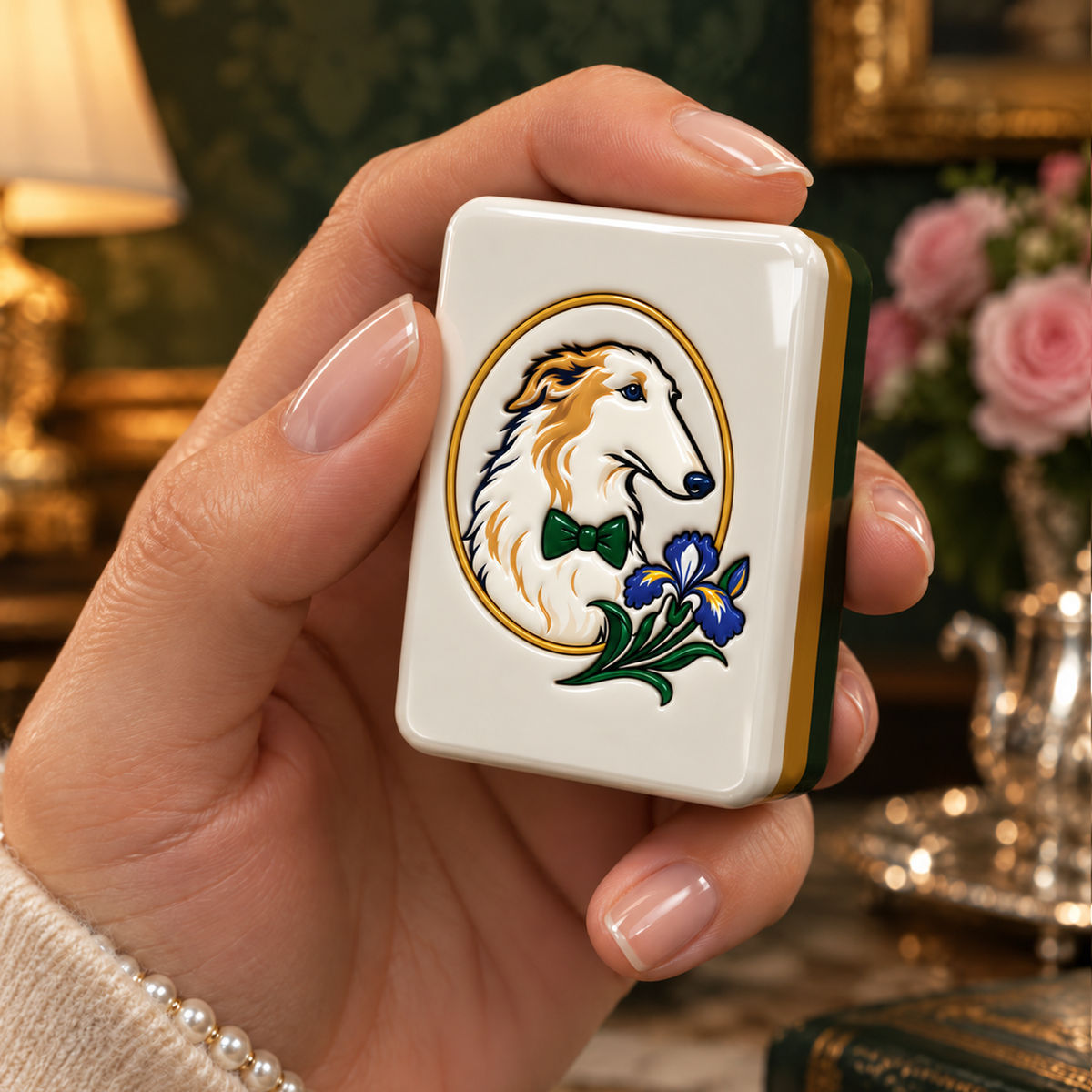
A St. Patrick's Day mahjong party pairs festive Irish decor with a standard American game: four players, 152 tiles, jokers, and the current year's National Mah Jongg League card. Host at a dining table or dedicated mahjong mat; allow two to four hours for three games plus snacks. You'll need a 160-tile acrylic set (which plays with exactly 152 tiles plus spares), a mat or table cover, four racks with pushers, and a scorepad. The theme comes from green-colored tile sets, luck-themed engravings, lucky dice, and Irish refreshments. No special mahjong rules change—American mahjong is American mahjong—but weaving in shamrocks, four-leaf clovers and gold coin chocolate props makes the night feel celebratory without slowing play. Budget 30–60 minutes per game, depending on player experience. 🀄 Shop best-selling mahjong sets →
What makes a St. Patrick's Day mahjong night different from a regular game?
St. Patrick's Day mahjong is still standard American mahjong—same 152 tiles, same card, same scoring. The difference is purely the festive wrapper: players wear green, the table is dressed with clover decor, and you may offer Irish soda bread, Bailey's coffee, or whiskey-infused snacks. We've hosted March games where the only real change is serving Guinness instead of water, and the tiles get played exactly as they always do. The "luck" angle resonates because both Irish tradition and mahjong culture celebrate fortune and strategy. If you want to lean into theme without confusing new players, stick with decoration and food; save rule changes for after everyone knows how to play.

How do you set up a table that looks festive but keeps the game flowing?
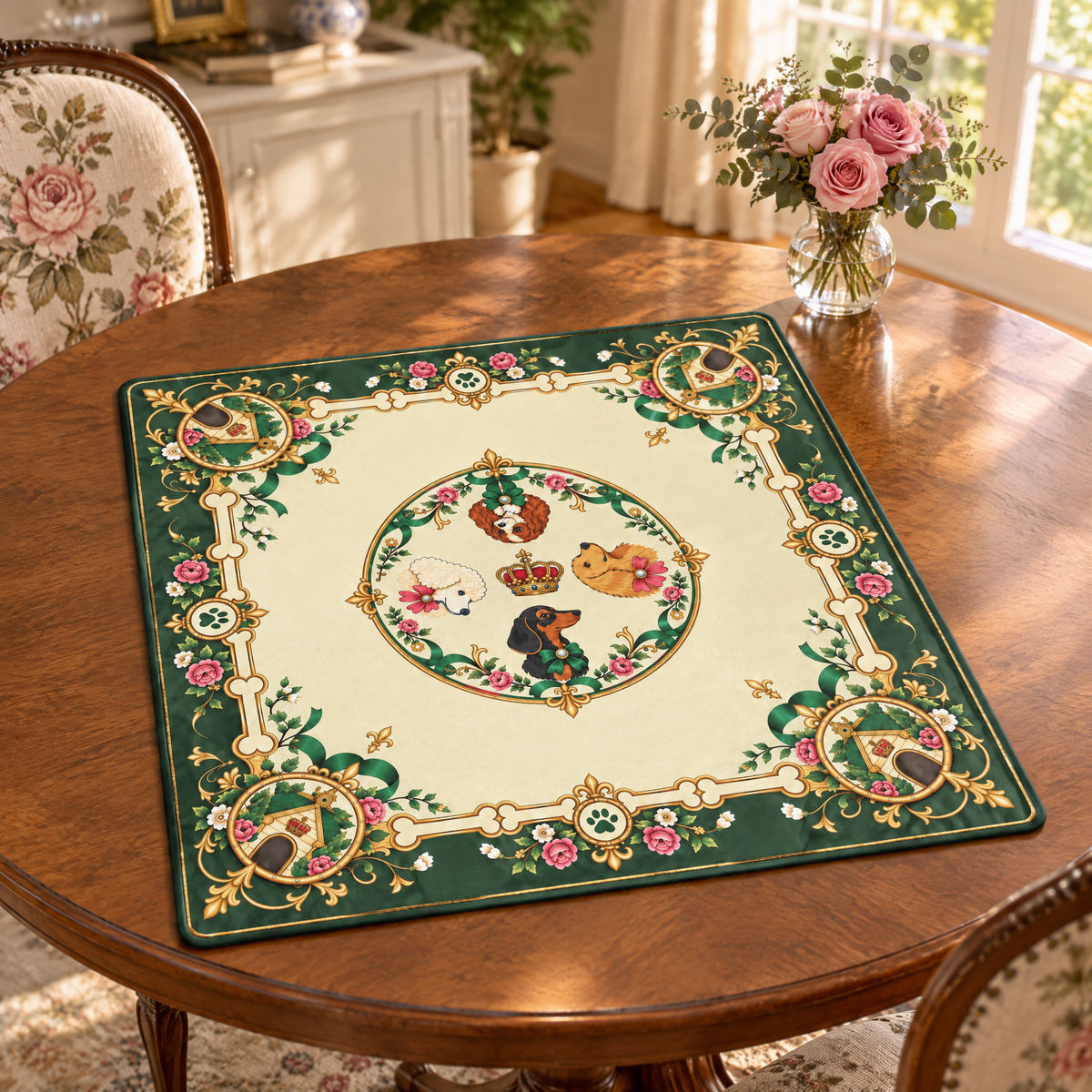
A dedicated mahjong mat is your foundation: it keeps tiles visible, organized and prevents the shuffling chaos that eats 15 minutes per game. Lay it flat on a dining or card table, then layer festive touches: gold coin chocolates in a bowl at the center, a green tablecloth beneath, and a vase with fresh or craft clover nearby—nothing that crowds the play zone. Assign each player a rack with pusher to hold their 13 tiles upright; acrylic racks are durable and easy to clean if spills happen. Place the tile wall (the shuffled deck) to the right of the East player's rack, and keep the scorepad, lucky dice, and current year's National Mah Jongg League card visible to all. String small battery-lit fairy lights or hang paper shamrocks from the corners; they add ambiance without requiring rewiring. The result: a table that looks intentional and Instagram-ready but plays smoothly.
Should you gift themed mahjong sets, or just decorations?
For guests of varying experience, gift one complete best-selling set that the host uses weekly; that's the spine of your party and shows you're serious. For returning players, engraved sets with Irish or luck-themed artwork make memorable keepsakes—personalization turns a game set into a heirloom. For first-timers, skip gifting the set (they'll need to learn first) and instead give a travel bag or case with Mahstead branding, or a set of lucky dice engraved with shamrocks. Here's the key distinction:
Gift | Audience | Why it works | When to give |
Complete acrylic set | Frequent players, host | Plays 152 tiles, lasts years, ready to use | Before or after the party |
Engraved set (luck/Irish theme) | Players 6+ games/year | Personal, collectible, ties to the memory | At the party's end as a souvenir |
Lucky dice (themed) | All skill levels | Small, keepsake, used every game | In a party favor bag |
Travel bag or case | Casual or new players | Functional, encourages them to host next | If they express interest in playing more |
The worst move is gifting a beginner a set before they've played—they'll ask how many tiles go where, and if the answer is "go home and count," they'll probably set it aside.
🎁 See our most-loved mahjong sets & accessories →
What's the timeline for hosting a St. Patrick's Day mahjong party?
Three weeks before: Reserve your date, confirm four players (no more, no fewer). Send a note inviting them and asking if anyone is a beginner; if yes, send a link to how to play American mahjong so they arrive with baseline knowledge.
Two weeks before: Order your tiles and mats if you don't have them yet. Best-selling sets ship free across the US; confirm you have a current-year card (League cards are issued each spring; older cards are no longer valid).
One week before: Gather decorations—green napkins, gold coin chocolate, potted clover or craft shamrocks. Print or laminate a scorepad and find dice. Set reminders for snack prep.
Three days before: Shuffle tiles once to loosen them (tiles fresh from packaging can feel sticky). Inspect your mat for any tears or stains that might slow play.
Day of: Lay the mat, set out racks, place the card where all four can see it, and have snacks and drinks prepared off the table. Greet players 15 minutes early so they settle before the East player throws dice to determine seating order and starting position.
During play: Allow 45–50 minutes per game. Between games, rotate the winds (East moves to South, South to West, West to North, North to East) so everyone plays four different positions across three games. This takes about 10 minutes and is worth the setup time—it levels the scoring.
What common hosting mistakes ruin a St. Patrick's Day mahjong party?
Starting with an incomplete set: A 160-tile acrylic set plays with exactly 152 tiles plus spares; if yours is missing jokers or cracked tiles, the game stops mid-play. Count before guests arrive.
Not having four racks: Players will hold 13 tiles in their hands, and bare hands tilt, spill and hide tiles from others. Racks take two minutes to deploy and prevent arguments.
Forgetting the current-year card: American mahjong is bound to the National Mah Jongg League card issued that spring. Last year's card is invalid. Verify you have the 2026 card before inviting players.
Serving alcohol at the table: A glass of Bailey's is festive; a full cocktail next to the tiles is a disaster. Keep drinks on a side table and require a hand-wash between turns.
Not explaining the Charleston first: The Charleston is the pre-game tile exchange ritual; players unfamiliar with it may feel confused or cheated. Spend three minutes explaining: each player passes 14 tiles to the left, then 14 back, then 14 right. If anyone is new, walk them through it step-by-step before East throws dice.
Underestimating setup time: A proper table takes 15 minutes to set. Plan for 30 if you're new to hosting.
What to check before you buy
Tile count: Mahstead 160-tile sets include 152 playing tiles plus spares (extra jokers/blanks). All Mahstead sets play the standard American 152-tile game—never use the spares during play.
Acrylic durability: Look for sets with clean engravings (no rough edges that catch racks) and smooth tile backs (so they shuffle easily on mats).
Mat size: A standard mat fits a 36–42-inch table and seats four comfortably. Measure your table before ordering.
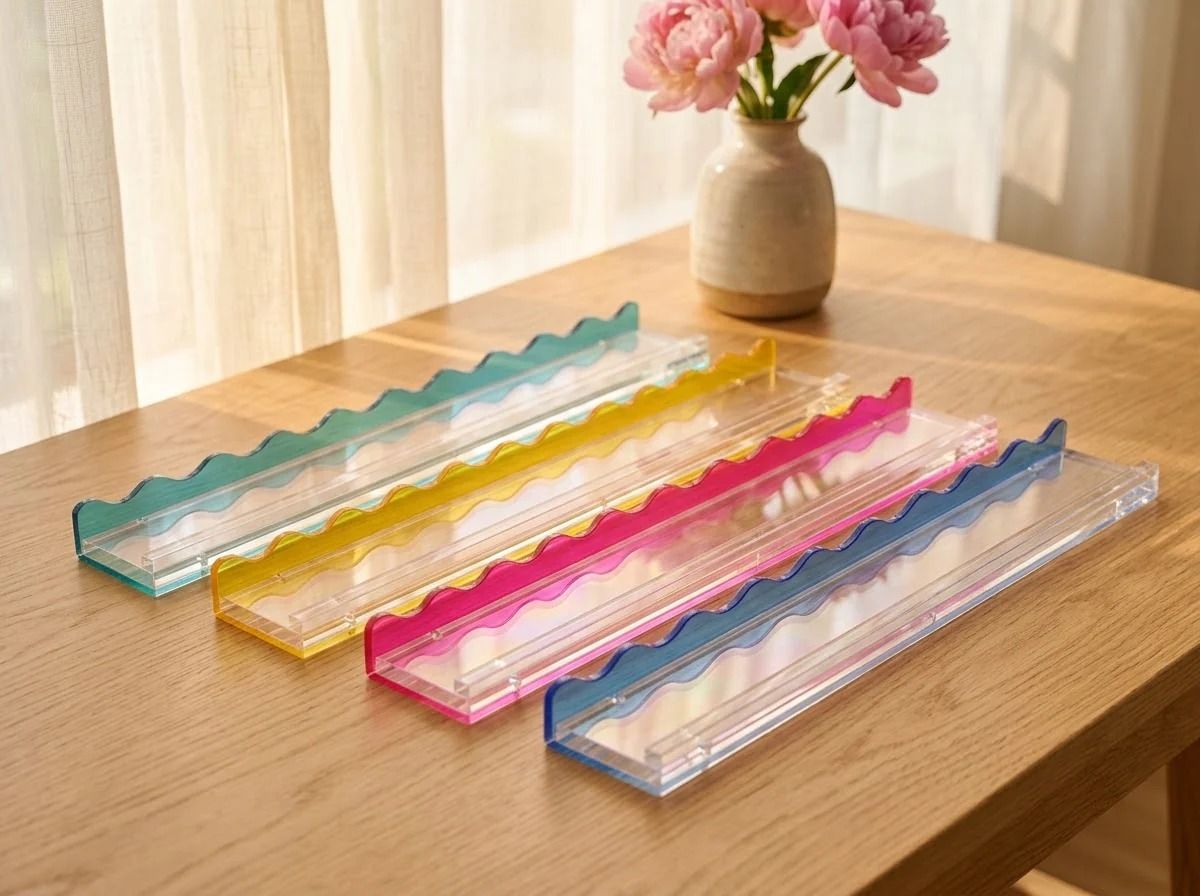
Racks: Acrylic racks are lightweight and durable; ensure you have four. Pushers should slide smoothly.
Card validity: You must use the 2026 National Mah Jongg League card for any hand to be legal. Older cards void the game.
✨ Find your Mahstead set — free US shipping →
FAQ
Can we play mahjong with fewer than four players?
Yes, but American mahjong rules change for 2 or 3 players. The tile distribution and card hands shift. See 2 and 3 player mahjong rules for full details. For a St. Patrick's Day party, four is traditional and easiest for new players.
Do I need a special mat or table for a party?
No. A standard dining table works fine, but a mahjong mat keeps tiles organized, speeds cleanup, and looks professional. Mats cost far less than a dedicated mahjong table and ship free.
What's the difference between a 152-tile and a 160-tile set?
All Mahstead sets are 160 tiles: 152 play tiles plus spare jokers and/or blanks. You only use 152 tiles in a game; spares sit out. A 160-tile set is standard and plays any American mahjong game.
How many jokers are in an American mahjong set?
American mahjong always plays with exactly 8 jokers out of 152 tiles. A 160-tile set may contain more jokers as spares, but you never add them to play.
Can beginners play on St. Patrick's Day, or should I only invite experienced players?
Beginners are welcome if they arrive 30 minutes early or study mahjong for beginners beforehand. The Charleston and hand-reading take practice, but one full game teaches most rules. Plan extra time if the table is mixed-skill.
What should I do if a player wins early or loses big?
Keep three games going—winners and losers even out by the third. Rotate the winds so everyone sits in different positions (East, South, West, North). Scoring is cumulative across all three games, which feels fairer and keeps the party relaxed.


View More
View More
View More
