
Spring Mahjong Party Ideas: Host Games, Food & Setup Tips
Last updated: Nov 23, 2026
A spring mahjong party works best with four players, one current-year National Mah Jongg League card per table, and a 2–3 hour window. Host outdoors or indoors with a dedicated play surface (mat recommended), snacks that won't oil tiles, and a clear start time. Plan one table per four players, stagger arrivals to allow a 15-minute Charleston tile-exchange before game one, and rotate players between tables if hosting 8+ guests. Assign a scorekeeper or use a scoring app. Most important: confirm in advance that all players have the same card edition—mismatched cards derail hands mid-game. Best-selling sets and mats ship free across the US, so you can prep weeks ahead. 🀄 Shop best-selling mahjong sets →
How should I arrange the room and seating?
Seat four players at a square or round table with equal sightlines. Each player needs 2 feet of personal space for their rack, the tile wall, and discard area. Orient the table away from direct sun (glare on tiles stings eyes during long games). If you're hosting indoors, ensure good overhead light; if outdoors, use a pop-up canopy in spring to manage dappled shade. Test your setup 30 minutes before guests arrive—nothing kills momentum like moving furniture mid-shuffle.
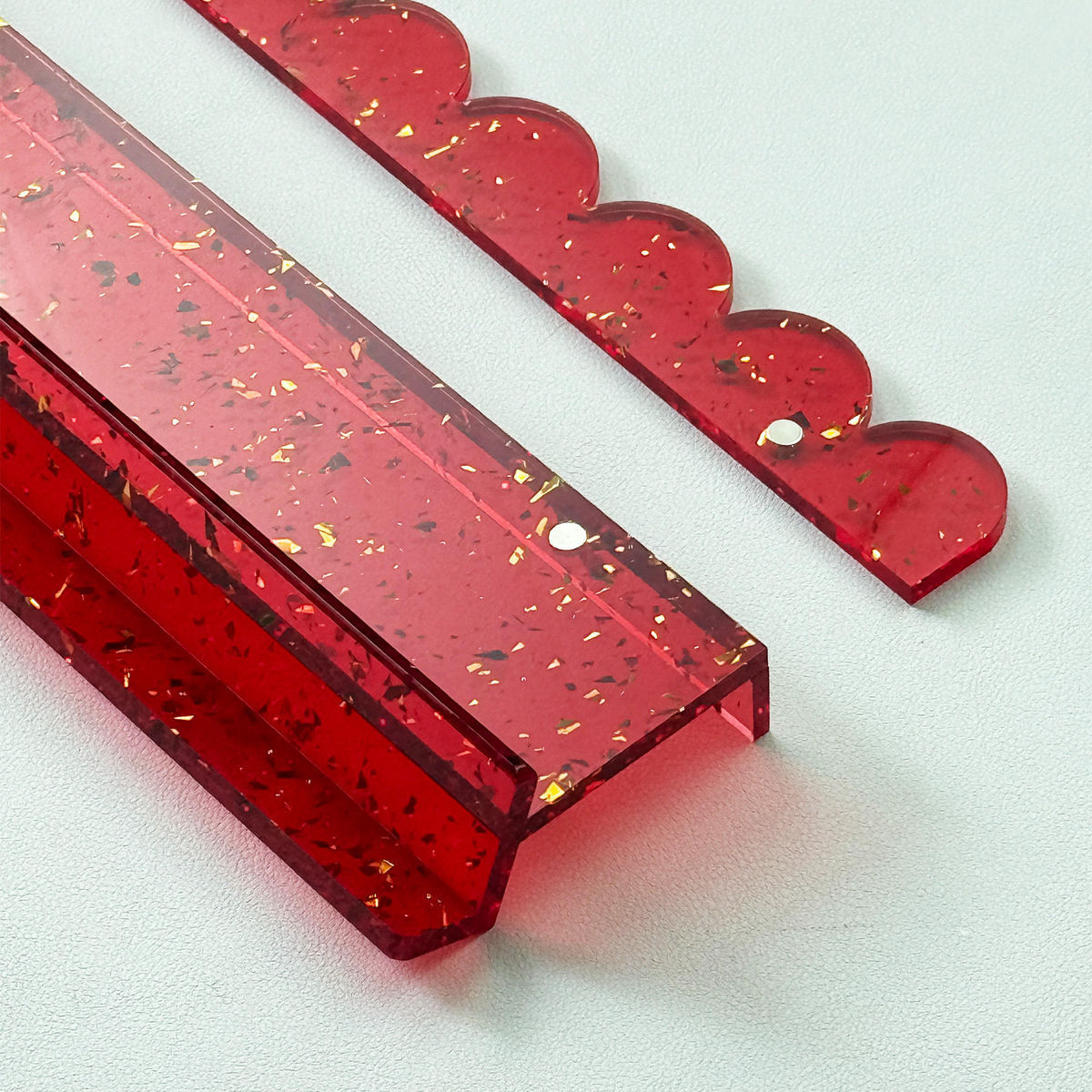
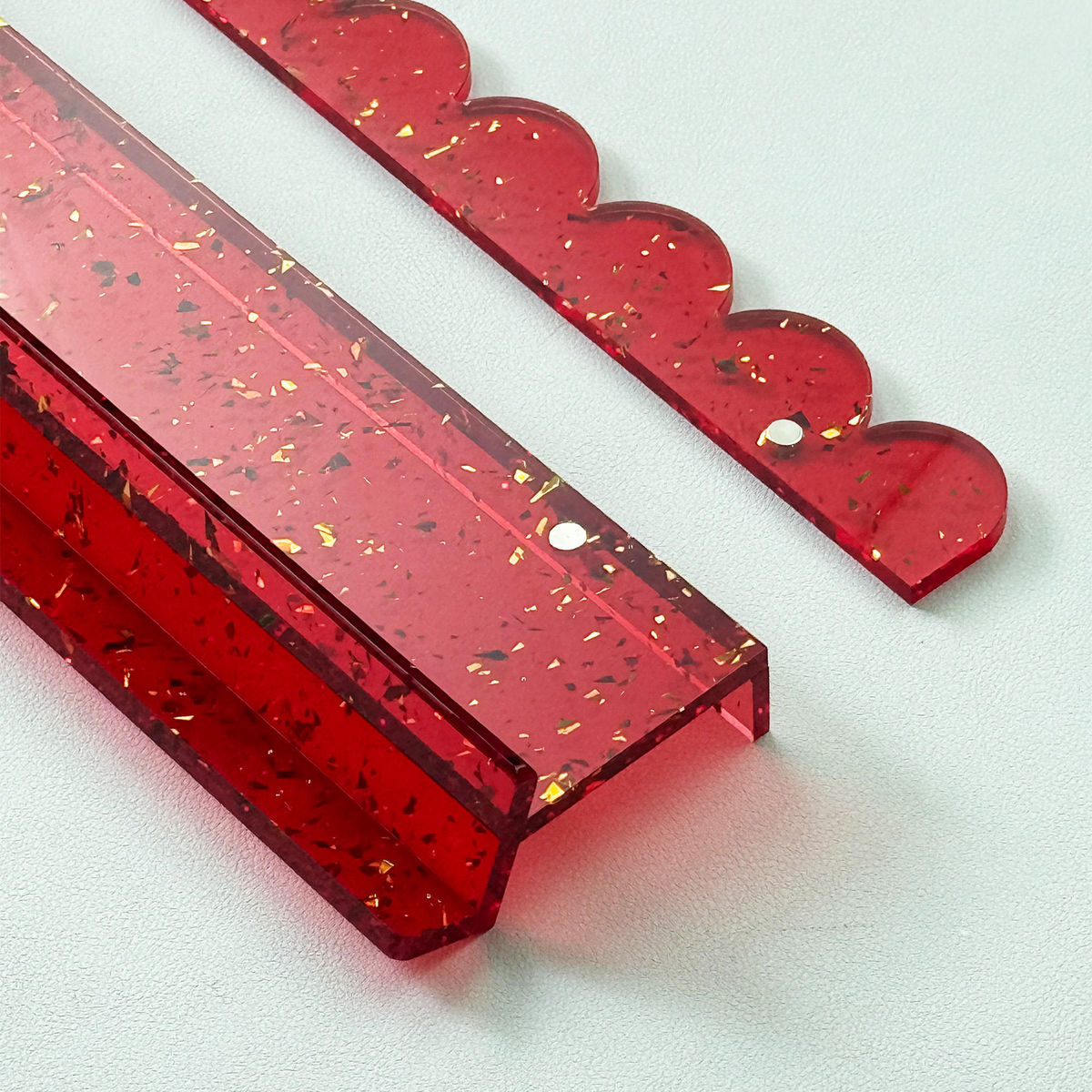
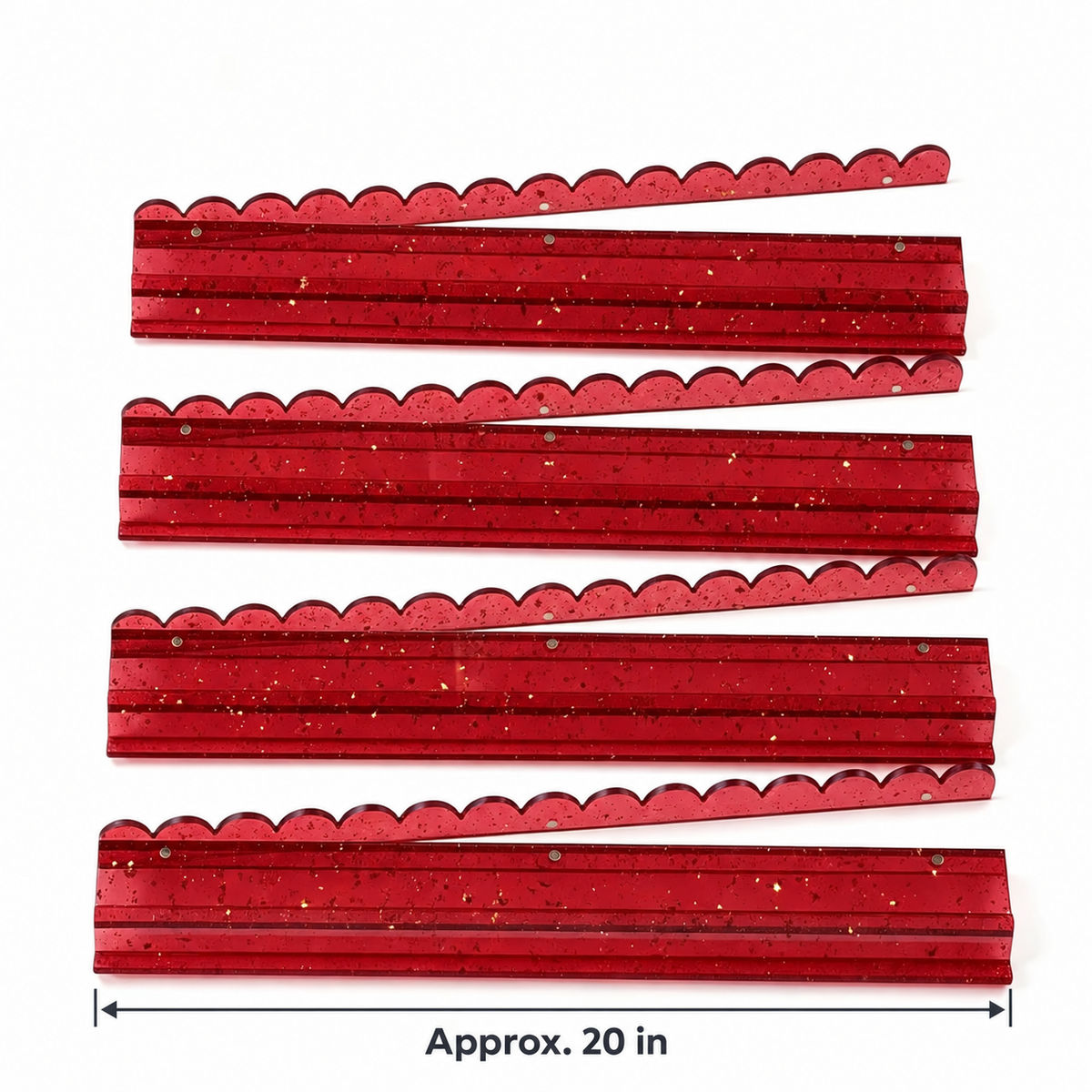
A sturdy mahjong mat defines the playing zone, contains tile noise, and protects your table. Mats also signal to guests: "This is serious play space." Pair a mat with racks that have pushers so tiles stay organized; pushers let players manage their hand without fumbling, which keeps the pace steady and reduces nervous habit drops.
What food and drinks pair well with mahjong?
Serve light, finger-friendly foods that won't leave grease or crumbs on tiles. Avoid messy sauces, chocolate, or sticky candies. Spring favorites: fresh fruit platters (berries, melon, grapes—easy to grab one-handed), cheese and crackers, nuts, spring rolls (if guests can clean hands after), soft pretzels, and hummus with vegetable sticks. Tea, coffee, and sparkling water work better than wine or cocktails; alcohol loosens hand discipline and slows decision-making.
Set a small side table 3–4 feet from the play surface for refreshments—far enough that no one accidentally knocks a glass onto the board. Use coasters and clearly label any cups as personal. Many veteran players bring their own water bottle. Spring weather invites outdoor play, which means bugs; serve drinks in covered cups if you're playing under a canopy.
How do I run simultaneous games if I have 8+ guests?
Two tables, two games running in parallel, one scorekeeper per table. Decide before people arrive: Will you rotate players after two rounds (typical for casual spring gatherings), or keep the same line-up for three hours? Rotation keeps energy high and prevents table dominance; fixed seating lets stronger players cluster and enjoy tighter competition.
Confirm that both tables use the same edition of the current year's National Mah Jongg League card—this is non-negotiable. If one table has an older card, hands won't match. Assign one guest as the "card keeper" for each table; this person holds the card, calls out sections, and settles disputes.
For eight players: use a 90-minute rotation. Players A, B, C, D at Table 1 play two rounds (approx. 45 min). Players E, F, G, H at Table 2 do the same. At the 45-minute bell, swap one or two players to Table 2, deal a fresh game, and go again. This format keeps everyone playing, prevents boredom, and creates a relaxed tournament vibe without formal scoring rules.
What are simple house rules that speed up spring casual play?
No "checking" mid-round: Discard face-up (don't hide your tile); once it hits the discard pile, it's done. Speeds play by 30%. Automatic redeal on no-hands: If no one wins after 16 rounds of dealing (rare but it happens), shuffle and start over—don't hunt for a theoretical win. Two-minute limit on decision: If you're mulling a discard for two minutes, pick one and move. Spring gatherings aren't nationals; keep it breezy.
Joker rule clarification: Write it on a card and tape it to the mat: "No joker in a single tile or a pair. Jokers allowed in pungs, kongs, quints, sextets only." This prevents the most common beginners' mistake and saves arguments.
Scorekeeper writes vertically: One column per player. First hand winner gets one tally. Simplest spring rule: no complex scoring—just count wins. You can tally payouts (if any) at the end based on total wins or assign nominal points (e.g., 1 pt per win). Many spring groups don't gamble at all; the fun is in the play and the company.
Comparison: Common spring party formats
Format | Players per table | Duration | Best for | Prep complexity |
Two-round casual | 4 | 1.5 hrs | First-timers, mixed skill | Low |
Rotation (8+ guests) | 4 per table × 2 tables | 2–3 hrs | Even energy, social mix | Medium |
Three-round fixed table | 4 | 2.5–3 hrs | Experienced players, light stakes | Low |
Tournament style | 4 per round × multiple rounds | 3–4 hrs | Competitive spring gathering | High |

How do I welcome new or rusty players?
Brief skill levels in advance when you invite. If 50% of guests are beginners, dedicate the first 30 minutes to a calm walk-through: explain the Charleston (the pre-game tile-swap ritual), show how to read the card, and deal one practice hand with no scoring. Play it out so everyone sees a hand completed start-to-finish.
For rusty players coming back after a winter break: send a link to how to play American mahjong or the Charleston explained two weeks before; no pressure, just a gentle refresh. Many people remember the mechanics but forget edge cases (how jokers behave, what counts as a valid hand).
Hands-on tip: Print a small cheat sheet (one 4×6 card per player) with basic rules: "1 pung = 3 identical tiles. No chows. Joker never alone or in pair. Read the card for current hands." Slip one under each player's rack. Guests feel safer asking about a card than speaking up mid-game.
🎁 See our most-loved mahjong sets & accessories →
What equipment makes a spring party feel polished?
A beautiful acrylic mahjong set signals you've invested in the experience. Acrylic tiles are durable, easy to clean (crucial if hosting outdoors and someone spills tea), and come in colors that catch spring light. Pair them with a mat, racks with pushers, and a quality bag—these three components elevate hosting from "let me dig out old tiles from a closet" to "we have a proper table."
Engraved or personalized sets work beautifully as thank-you gifts to regulars or as a fun host souvenir. Spring is the season people think about starting new traditions; a custom set with your initials or a year/joke engraved can anchor that memory.
For travel between homes or outdoor venues, a reliable mahjong bag or case ensures tiles and accessories stay organized and protected. If you're hosting at a park, beach, or friend's cottage, the bag makes setup and breakdown 10 minutes instead of 30.
What to check before you buy
Tile size: Standard American mahjong tiles are roughly 1¼ inches. Check the product specs before ordering; if you're hosting mixed age groups or anyone with vision issues, larger tiles (available in some specialty sets) can be gentler.
Mat material: Look for a mat with raised edges or a shallow recessed valley so tiles don't roll off during shuffling. Felt-lined mats are quieter (spring outdoor parties can have ambient noise).
Rack ergonomics: Some racks have pushers that slide smoothly; test the reviews or ask friends. Sticky pushers frustrate players and slow the game.
Bag capacity: A standard 160-tile set + mat + racks + cards takes up space. Ensure your bag fits everything; loose pieces in a tote bag create chaos mid-transport.
✨ Find your Mahstead set — free US shipping →
FAQ
How many mahjong sets do I need for a spring party with 12 guests?
Two sets minimum (one per four-player table). Buy three if you want a spare for tile loss or breakage, or to keep a demo set for teaching. Each set includes all 152 playing tiles plus spares.
Can I host outdoors in spring if it's windy?
Yes, if you use a low-profile mat and a pop-up canopy. Tiles are heavy enough to stay put, but wind can scatter discard piles—keep the play area sheltered. Avoid playing directly under trees; spring sap and bird droppings are tile hazards.
Should I charge guests to play, or keep it free?
Spring casual gatherings usually don't involve money. If you want friendly stakes, one common model: $5 buy-in, winner takes the pot, loser gets their $5 back—zero net cost, just a fun incentive. Always agree before dealing.
How do I refresh a tired guest during a long party?
After two consecutive rounds (approx. 90 minutes), take a 10-minute break. Suggest a walk, snack refill, or stretch. Mahjong is mentally taxing; a breather prevents frustration and keeps the last game fun.
What's the best time to host a spring mahjong party?
Saturday afternoons (1–4 p.m.) work well for casual groups; spring weeknight groups often play 7–10 p.m. mid-week. Check guest schedules before picking a date. Spring weather is unpredictable—have an indoor backup if you're planning outdoors.
Do I need to provide the National Mah Jongg League card, or should guests bring their own?
Provide it as the host. Confirm the edition when you buy your set; the card updates every spring (usually March). All players must use the same card edition for hands to match. Print or have on hand one copy per table.


View More
View More
View More
