
Mahjong Clubs in The Woodlands: Find Games & Join
Last updated: Nov 23, 2026
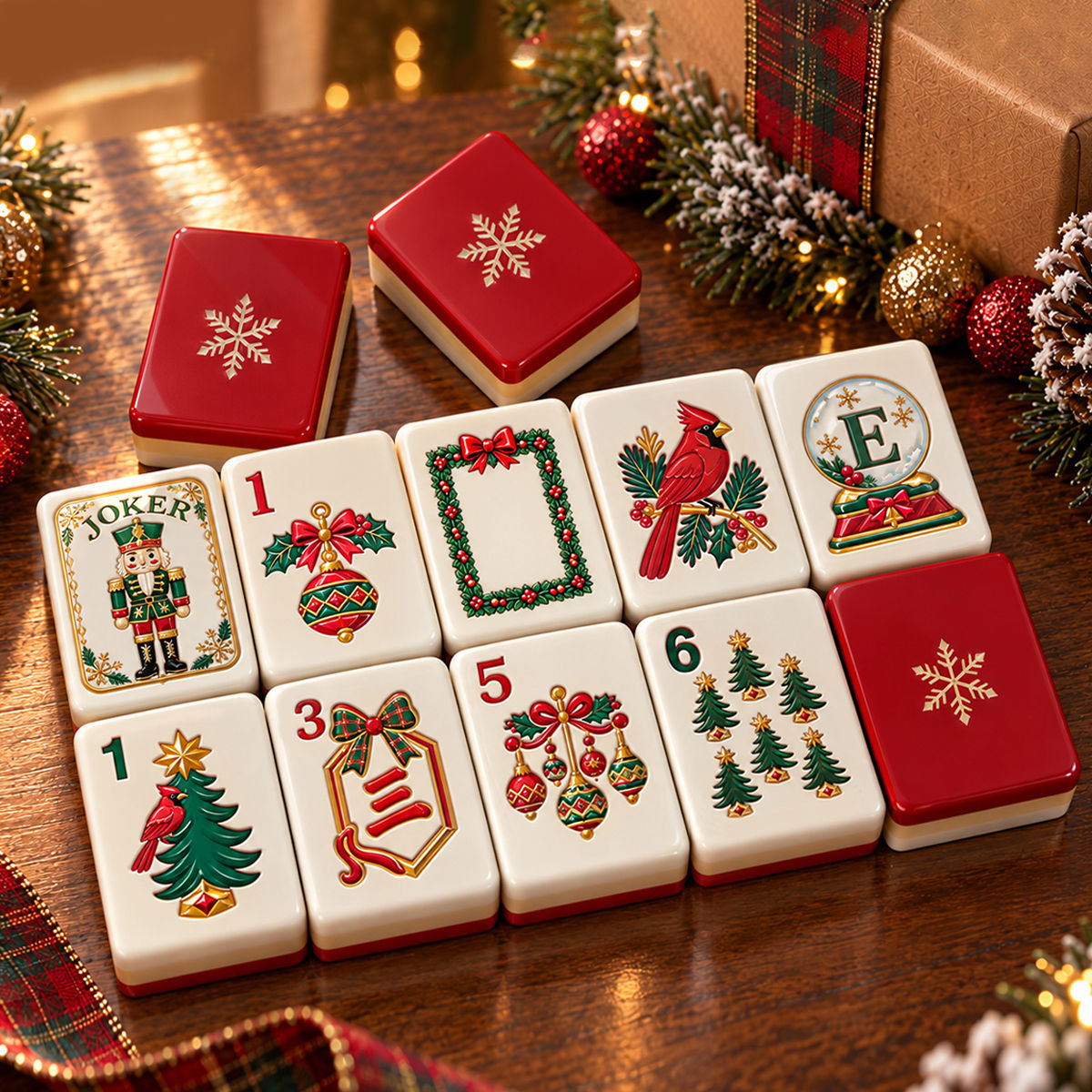
The Woodlands, a planned community north of Houston, has a growing mahjong scene centered around community centers, synagogues, country clubs, and private hosting groups. Most active games meet weekly or biweekly; check your local community center (The Woodlands Community Center and nearby facilities often post schedules), synagogues like those in Spring and The Woodlands area, and Meetup or Facebook community boards for casual play. American mahjong is the standard variant in the region—using a 160-tile set with 152 tiles in play plus spares. New players typically spend 2–4 weeks learning rules before joining, though patient groups welcome beginners. You'll need best-selling American mahjong sets (which include all tiles and jokers), a mat, racks with pushers, and the current National Mah Jongg League card. Start by calling ahead or messaging club coordinators—most provide tiles if you ask, but bringing your own signals serious interest and ensures consistent game quality.
The Woodlands boasts an active mahjong community, though clubs aren't as visible as bowling leagues or bridge groups. Finding them requires a mix of traditional networking and modern search. We've helped players across the region locate games, set up home tables, and host their first tournaments—here's what actually works.
Where do most Woodlands mahjong players meet?
Community centers and recreation departments host the majority of organized play. Check The Woodlands Community Center activity schedules, nearby Spring community facilities, and Magnolia park departments—they often run drop-in games or host club coordinators who advertise time slots. Synagogues and Jewish community centers frequently sponsor weekly games; call ahead to confirm open play dates. Country clubs in the area sometimes host members-only mahjong nights. Finally, Facebook groups and Meetup boards ("Woodlands Mahjong," "Houston Mahjong Players," "Spring TX Games") connect home-based groups; many are real, established, and welcoming to new members—message organizers directly to confirm meeting times.

How do you know if a club is beginner-friendly?
Ask three questions before showing up: Do they allow new players? Do they use the National Mah Jongg League card (the official American mahjong ruleset)? Will they teach or provide a quick rules orientation? Beginner-friendly clubs answer yes to all three, run games at a relaxed pace, and don't penalize early mistakes. Some groups play for stakes (penny pools); confirm upfront whether money changes hands and if you're comfortable with that. Visit once as an observer if offered—watch a round to see if the pace and social tone fit you.
What equipment do you need to join a Woodlands mahjong group?
Most groups provide tiles if you don't have your own, but owning a set signals commitment and ensures you know your tiles. You'll need a 160-tile American mahjong set with all suits, winds, dragons, flowers, and jokers. A personal mat makes play more comfortable at unfamiliar tables. Racks with pushers protect your hand and speed up gameplay—many experienced players consider them non-negotiable. A travel bag or case keeps your set safe during commutes to the club. You'll also need the current-year National Mah Jongg League card (issued every spring); clubs have copies, but buying your own means you can study hands offline. Jokers are critical—learn how jokers work so you understand tile substitution before your first game.
🀄 Shop best-selling mahjong sets →
How long does it take to learn before joining a club game?
Most players spend 2–4 weeks learning how to play American mahjong, studying the official card, and playing casual practice hands. The core rules are learnable in one afternoon—tile composition, the Charleston (tile-passing ritual), exposed melds, and calling Mahjong. The hard part is speed and hand recognition, which come with repetition. Practice reading the card and recognizing patterns in the 2–3 weeks before your first club game. Most groups run a short teach-in for absolute beginners; be honest about your experience level when you call. If a club seems impatient with new players, find another—this game thrives on a welcoming table.

What's the difference between American mahjong and other variants played in Houston and East Texas?
American mahjong (also called Western or U.S. mahjong) uses 152 tiles in play, no sequences (chows)—only groups of identical tiles or joker-substituted sets—and hands come only from the annual National Mah Jongg League card. Chinese, Hong Kong, Riichi, and Taiwanese variants use different tile counts, allow sequences, and don't require an official card. The Woodlands and greater Houston lean heavily toward American mahjong because of the strong Jewish community tradition and clear, standardized rules; however, some clubs run mixed games. Always confirm which variant before joining—the tiles, scoring, and strategies differ significantly. If you're new, start with American; it has the steepest learning curve but the clearest structure.
Comparison: Finding Your First Game
Factor | Community Center | Synagogue/JCC | Country Club | Home Group |
Cost to Join | Usually free or drop-in fee | Free or nominal membership | Requires membership | Usually free |
Beginner Welcome | High | Very high | Medium | Variable |
Game Pace | Casual to moderate | Casual | Moderate to fast | Varies |
Consistency | Fixed schedule | Fixed schedule | Fixed schedule | May change |
How to Find | Call recreation dept. | Phone/website | Member referral | Facebook/Meetup |
🎁 See our most-loved mahjong sets & accessories →
How do you prepare your tiles and mat before your first club visit?
Bring your set clean and complete—count all 152 tiles plus spare jokers before you go. Inspect tiles for chips or cracks; clubs may decline damaged sets. If using a new set, break it in at home for one or two practice games so you're comfortable shuffling and organizing your hand. Lay out your mat (if you have one) to confirm it fits the table space; club tables vary in size, and a mat that's too large creates awkward hand angles. Store your racks with pushers vertically in a travel bag or case so they don't rattle or bend during transport. Bring the current National Mah Jongg League card in a protective sleeve. Arriving 10 minutes early lets you set up unhurried and chat with other players—first impressions matter, and punctuality signals respect for the group.
What to check before you buy your first Mahstead set for club play
Tile quality & weight: Acrylic tiles should feel substantial, not hollow or flimsy. Run your thumb across the face—smoother finish reduces wear on fingers during long games. Print clarity: Symbols should be crisp; faded or uneven lettering makes fast card-matching harder. Joker count: Mahstead 160-tile sets include enough spares for practice; confirm you have 8 jokers in the primary set before taking it to a club. Travel readiness: If you'll commute weekly, opt for a set with a fitted case or bag; loose tiles in a box rattle and risk chipping. Engraving: If hosting games later, engraved titles add personality and help prevent mix-ups at multi-set tables. Inspect any engraved tiles under good light to ensure lettering won't fade after months of play.
✨ Find your Mahstead set — free US shipping →
Getting Started: A Checklist
[ ] Call or message 2–3 clubs to confirm beginner status and meeting times
[ ] Study how to play American mahjong online or in person for 1–2 hours
[ ] Buy or borrow a 160-tile American mahjong set and get the current National Mah Jongg League card
[ ] Play 3–5 casual games at home with friends or online to build tile familiarity
[ ] Invest in a mat and racks with pushers if committing long-term
[ ] Pack your set in a travel bag and arrive early on game day
[ ] Ask questions during play; experienced players expect and welcome them

FAQ
Do Woodlands clubs charge money to play?
Most community center and synagogue groups run free or low-cost drop-in games. Home groups vary; some play for small stakes (typically cents per hand). Call ahead to confirm cost and betting style before attending.
Can I watch a game before joining?
Many clubs allow observers. Call the coordinator and ask if you can sit in and watch one round before committing to play. This reveals pace, friendliness, and house rules.
What's the current National Mah Jongg League card, and where do I buy it?
The League issues a new card every spring; it lists all 2026 valid hands. You can download it free from the National Mah Jongg League website or buy printed copies at clubs, game shops, or online retailers. Clubs provide copies, but owning one lets you study at home.
How many jokers does a standard American mahjong set have?
A 160-tile set contains 8 jokers in the primary playing set (152 tiles) plus spares. Jokers are essential—you'll use them almost every hand to substitute for missing tiles. Never play without confirming your set has all 8.
If I'm nervous about my first game, what should I say?
Say, "This is my first time—please be patient with me." Experienced players respect honesty and will slow the pace during your turn. Ask clarifying questions about hand reading and scoring; most groups reward engaged learners and penalize only stubborn errors.
What if I can't find an organized club near me?
Start a home game with 3–5 friends using online tutorials and a beginner-friendly mat. Once you're confident, recruit friends to join and eventually attend public clubs. Many current club members started exactly this way—home games build community and confidence faster than solo study.


View More
View More
View More
