
Sichuan Bloody Mahjong Winning Hands: Rules & Strategy Guide
Last updated: Nov 23, 2026
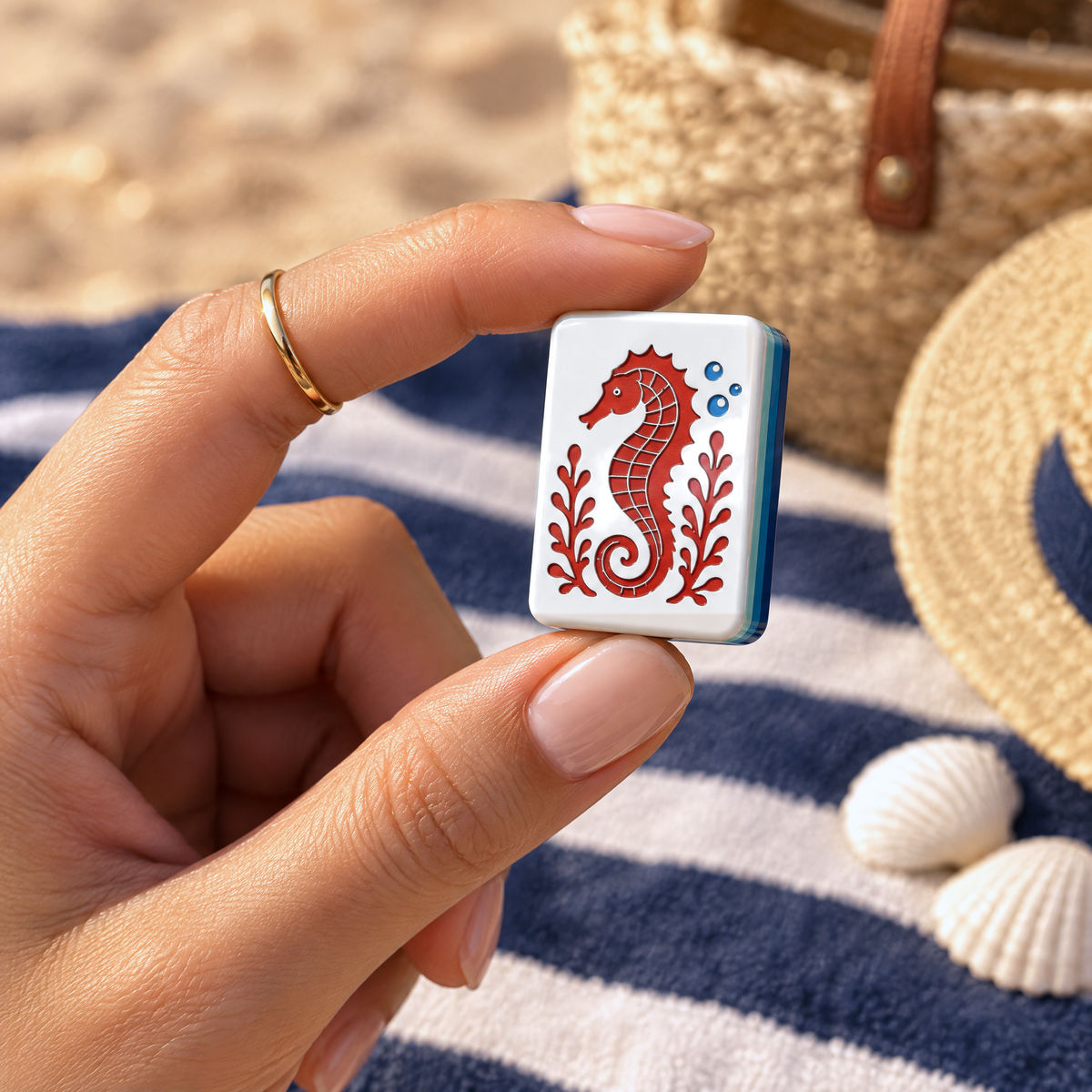
Sichuan Bloody Mahjong is a Chinese regional variant played with 152 tiles (same count as American mahjong) but uses completely different hand requirements and scoring. A winning hand in Sichuan must consist of melds—typically four groups of three tiles plus one pair—where each group is a pung (three identical tiles), kong (four identical), or in some rule sets, a chow (three consecutive tiles in one suit). Unlike American mahjong, which ties hands to a specific National Mah Jongg League card, Sichuan hands are more flexible and emphasize special scoring patterns like all pungs, all simples, or terminal sequences. Jokers are not used or used very differently depending on house rules. The game is scored by point value attached to hand patterns and winning conditions (self-draw vs. discard). Beginners often mistake it for American play; the key difference is that Sichuan requires you to memorize hand types, not look them up on a card each round.
What are the core winning hand types in Sichuan Bloody Mahjong?
In Sichuan, a valid winning hand always totals 14 tiles: four melds of three tiles each, plus one pair (2 tiles). The four melds can be any combination of pungs (three identical), kongs (four identical—counts as one meld), or chows (three consecutive, one suit only). The pair must be two identical wind or dragon tiles, or two identical numbered tiles. Hands are categorized by rarity and scoring value: standard hands (all simple numbered tiles, no terminals), flush hands (one suit only), honor hands (mostly winds and dragons), limit hands (the highest-scoring, such as all terminals or all honors). Each category carries a base point value, then multipliers apply for conditions like being self-drawn or when all four players are involved. Unlike American mahjong, which uses a yearly card, Sichuan is played entirely from memory—you internalize the hand hierarchy before sitting down.
🀄 Shop best-selling mahjong sets →

How does the pung, kong, and chow rule differ from American mahjong?
American mahjong forbids chows entirely—you can only expose pungs (3), kongs (4), quints (5), and sextets (6) of identical tiles. In Sichuan, the chow (three consecutive numbered tiles, one suit only) is a legal and common meld. A chow might be 3–4–5 of Bams or 7–8–9 of Dots, for example. Pungs remain three identical tiles; kongs are four identical. Crucially, a chow cannot be "called" (claimed from another player's discard) in most Sichuan rule sets—you must pick it from the live wall yourself or play it only from your own hand. This restriction preserves the pace and hidden-information nature of the game. Pungs and kongs can often be called, which adds strategy: you must decide whether calling someone's discard is worth signaling your hand progress to the table. The pair in a Sichuan winning hand must always be identical, never part of a meld. Jokers, if used at all, serve as wild tiles filling specific roles—never as standalone pairs, consistent with American rules but applied differently.
What's the scoring logic behind Sichuan winning hands?
Sichuan scoring is hierarchical: higher rarity = higher base points. A standard hand (simple tiles, no honors) might be worth 2 points. An all-pung hand (no chows) is worth 3 or 4 points. A flush (one suit only) is worth 4–6. An all-terminal hand (1s and 9s only) might be worth 8 points. A limit hand—such as "thirteen wonders" (one of each terminal, honor, and a pair of any honor) or "all terminals"—is often valued at maximum points (sometimes called "limit" or "mangan"). Winners are paid by each of the three losing players based on who won and how: self-draw pays more than winning off a discard. If the loser is the player who was discarded to, that player pays double. In some versions, if a player draws their winning tile from the live wall, all three others pay; if they win off a discard, only the discarder pays. This complexity is why understanding your local house rules is critical—Sichuan has many regional variants, and even neighboring provinces use different scoring tables.
Hand Type | Melds | Key Tiles | Base Points | Win Type Effect | Notes |
Standard | Any mix | 2–8 only | 1–2 | Self ×1.5 to 2 | Most common |
All Pung | Pungs + pair | Any | 3–4 | Self pays more | No chows |
Flush | Any | One suit | 4–6 | Discard ×1.5 | All tiles same suit |
All Terminal | Pungs, kongs | 1s & 9s | 6–8 | Discard doubles | Rare, high value |
Limit (13 wonders) | One each honor | 1,9,E,S,W,N,Rd,Gr,Wh + pair | Max (often 8) | Self pays all | Rarest; auto-win |

How do house rules reshape Sichuan winning hands?
Sichuan Bloody Mahjong is regional; most groups in Sichuan province follow one agreed ruleset, but players in Shanghai, Chongqing, or other areas use different point tables, meld rules, and special hand names. Some houses forbid chows entirely, making all-pung hands the only legal winning combination. Others allow "heavenly hand" (a specific combination of honors that auto-wins on the opening draw) or "dealer retains seat" (if the dealer wins, they roll again and keep paying out of a shared pool). Special melds like the "eye" (pair that must be a specific tile) or "pair locks" (the pair cannot be any honor) vary widely. Before you play a round, clarify: Are chows allowed and callable? Do winds and dragons count toward flush eligibility, or only numbered suits? Can you win off someone else's discard, or only self-drawn? Is there a payment cap? What happens if nobody wins in 16 draws? These details shift strategy entirely—a hand you'd pursue in one house is dead in another. Ask your host or refer to their written rules (many serious Sichuan groups maintain a card or sheet, though none are standardized like the American League card).
What mistakes do Western players make learning Sichuan hands?
Western players, especially those fluent in American mahjong, commonly assume the 152-tile set plays the same way. The biggest error: trying to use the American league card to score. Sichuan has no card; hands are memorized pattern types. Second mistake: misunderstanding the chow. Because American mahjong has no chows, newcomers either ignore them entirely or miscall them (e.g., claiming a chow counts as a pung). A chow must be three consecutive tiles, one suit, often non-callable. Third error: mixing up pung and pair. A pung is three of the same tile (a meld); a pair is two. Your winning hand ends with exactly one pair; three of a kind counts as a pung meld, not a pair. Fourth mistake: assuming jokers work like American rules. In Sichuan, jokers may not be used at all, or they may be "blanks" that substitute for a single specific tile in a meld, never forming a pair themselves. Finally, many Western players forget that the hand hierarchy is regional—asking "is this hand worth 4 points?" without knowing the local ruleset is unanswerable. Before your first game, watch one complete round silent, paying attention to how melds are called, discarded, and scored. This 30-minute investment pays dividends.
🎁 See our most-loved mahjong sets & accessories →
What equipment do you need to play Sichuan mahjong correctly?
A standard Sichuan game uses 152 tiles: 108 numbered tiles (Bams, Craks, Dots; 1–9 each, four copies per number), 16 winds (N, E, S, W, four of each), 12 dragons (three types, four of each), and 8 flowers. This is the same tile count as American mahjong, so a 152-tile American mahjong set works perfectly—just ignore the jokers or set them aside. You'll also want a stable mat with marked draw areas so tiles don't scatter when you fan your hand. Racks with pushers are helpful if you're learning to organize melds visually, though Sichuan is often played without them (tiles stay in hand or stacked on the table in front of you). A quiet table, good lighting, and a score sheet (pen and paper) are essential because Sichuan scoring is complex and disputes arise quickly if no one wrote down points. Some groups use a durable travel case to keep tiles together across sessions, especially if you're rotating houses. The single most important tool is a written ruleset agreed upon before play begins—tape it to the table if necessary.
✨ Find your Mahstead set — free US shipping →
What to check before you buy or join a Sichuan game
Verify the ruleset. Ask the host in writing: Are chows allowed and callable? What are the base point values for each hand type? Are there limit hands, and if so, what are they? Is there a payment cap?
Confirm tile count. Standard is 152. If the group uses 144 or 166, your set may not match their play.
Test a demo round. Before money or points are on the line, play one hand against experienced players. Watch for melds being called and scored.
Clarify winning conditions. Can you win off any discard, or only self-drawn? If self-drawn, does every player pay or only the discarder?
Get the house score sheet. Many serious groups keep a printed card with their hand hierarchy and point values. Ask for a copy before joining.

FAQ
Can I use an American mahjong set to play Sichuan?
Yes. Both use 152 tiles: 108 numbered (Bams, Craks, Dots), 16 winds, 12 dragons, 8 flowers. Set the jokers aside; they're not part of Sichuan play in most houses. The tiles are identical between the two games.
Is "Bloody Mahjong" a specific variant, or just a nickname?
"Bloody" is slang referring to high stakes or aggressive play in some Chinese regions. It's not an official ruleset name—it describes the stakes or tempo, not a unique hand structure. The actual variant is Sichuan mahjong or another regional style.
How many points do I need to win a game of Sichuan mahjong?
Winning is immediate: the first player to complete a valid 14-tile hand wins that round and is paid by the other three players based on the hand's points and local scoring multipliers. There is no cumulative "game score." Rounds continue until players agree to stop.
Can I call a chow in Sichuan mahjong?
It depends on your house rules. In most Sichuan groups, chows (three consecutive, one suit) cannot be called—you must draw them from the live wall or play them from your hand. Pungs and kongs are often callable. Always confirm before play begins.
How do I learn the hand hierarchy if there's no card like American mahjong?
Ask the host for a written ruleset or score sheet listing hand types and point values. Many serious groups print these. If none is available, watch 3–5 completed rounds in silence, noting which hands are declared and how they're scored. Memorization comes through repetition; expect 15–20 rounds to feel confident.
Is "Sichuan Bloody Mahjong" the same as Hong Kong mahjong?
No. Hong Kong mahjong (also called Cantonese mahjong) uses the same 152 tiles but has different hand patterns, scoring, and special melds. Sichuan is distinct. Always clarify which variant your group plays, as rules vary significantly.


View More
View More
View More
