
Retro Mahjong Tiles: Styles, How to Choose, What to Know
Last updated: Nov 23, 2026
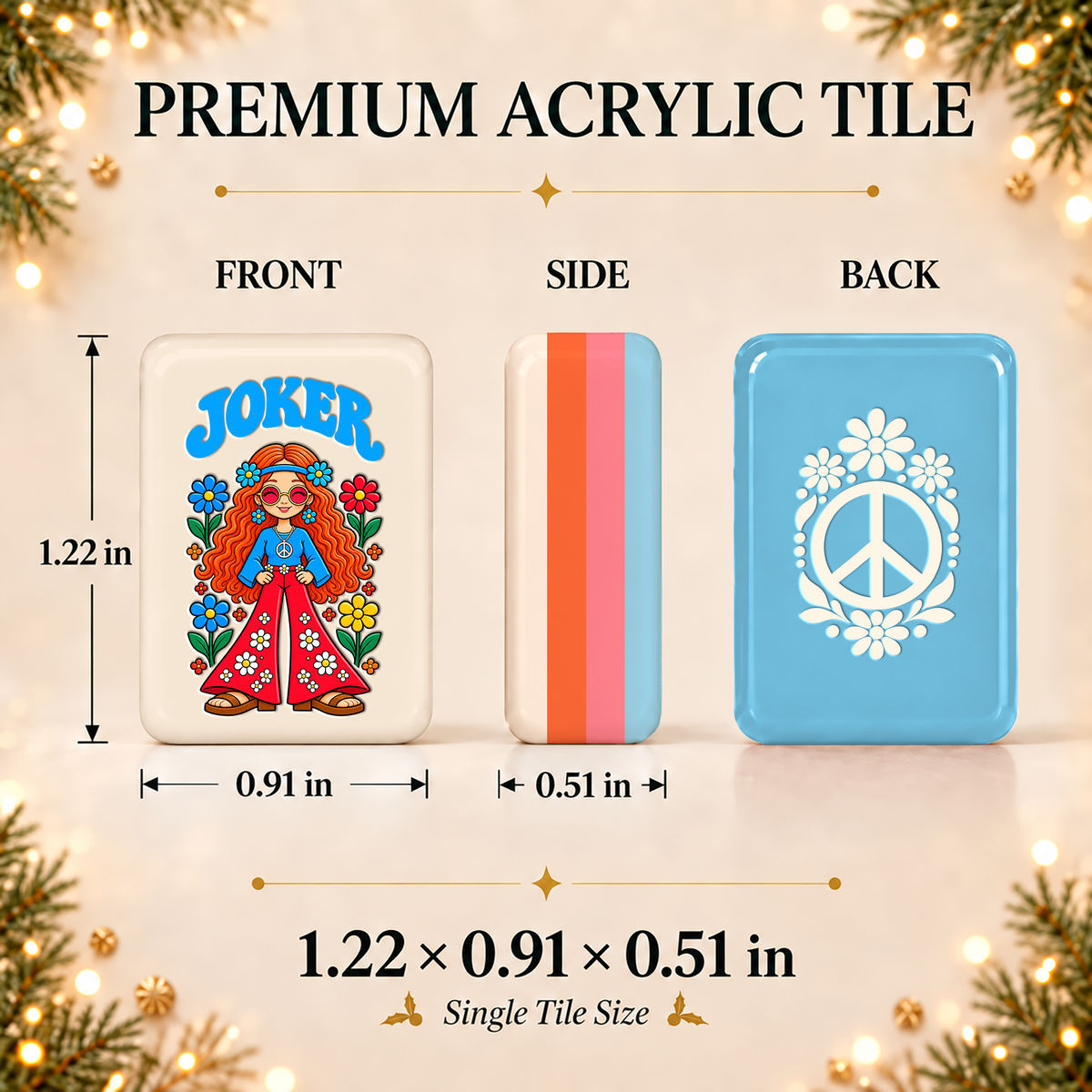
Retro mahjong tiles are acrylic or resin sets designed to evoke the look and feel of vintage bone-and-bamboo tiles, with warm colorways, textured finishes, and traditional iconography. They're produced in Taiwan and China by specialty manufacturers and sold worldwide, including through our curated engraved American mahjong sets. A full 152-tile American mahjong set (plus spares) typically ships within 5–10 business days. Retro sets cost more than bright modern acrylic because of custom molds and hand-finishing; the aesthetic appeals to players who want nostalgia without fragile bone originals. Avoid sets with incomplete tile counts, misaligned engravings, or thin plastic—check the product description for material thickness and tile weight. Mahstead's 160-tile sets include all standard American tiles and spares, with free US shipping.
Retro mahjong tiles capture classic aesthetics—bone and bamboo tones, hand-painted details, art-deco patterns—while using modern materials for durability and consistency. They're produced in Taiwan and China by specialty manufacturers and sold worldwide, including through our curated engraved American mahjong sets. A full 152-tile American mahjong set (plus spares) typically ships within 5–10 business days. Retro sets cost more than bright modern acrylic because of custom molds and hand-finishing; the aesthetic appeals to players who want nostalgia without fragile bone originals. Avoid sets with incomplete tile counts, misaligned engravings, or thin plastic—check the product description for material thickness and tile weight. Mahstead's 160-tile sets include all standard American tiles and spares, with free US shipping.
What exactly makes tiles "retro"?
Retro mahjong tiles aren't one style—they're a family of designs that echo the 1920s–1960s aesthetic. Common markers include warm earth tones (cream, tan, moss, rust), simplified or hand-painted suit symbols, sans-serif fonts, and matte or lightly textured surfaces. Some sets mimic the grain and weight of traditional bone and bamboo; others use pastel art-deco palettes or sepia-tone imagery. The key difference from modern "neon" or "contemporary" sets is restraint: retro designs avoid bright pinks, electric blues, and glossy finishes. A true retro tile feels substantial in your hand and reads clearly under table light without glare.

Who should buy retro-style tiles, and why?
Retro tiles appeal to three groups. First, longtime players who grew up with bone-and-bamboo sets and miss the matte, warm feel—modern acrylic bright colors feel harsh after years of soft neutrals. Second, collectors and design-conscious hosts who view a mahjong set as décor as well as a game; retro sets photograph beautifully and signal taste. Third, new players taught by older mentors who want to honor tradition without the fragility and cost of authentic vintage bone. If your group plays weekly and values consistency—the same tiles week to week, no warping or chipping—retro acrylic is practical nostalgia. If you want tournament-legal tiles that look premium on an antique side table, this is the lane.
Retro vs. modern vs. bone: a decision table
Aspect | Retro Acrylic | Modern Bright Acrylic | Authentic Bone & Bamboo |
Aesthetic | Warm, matte, vintage | Neon, glossy, playful | Creamy, hand-carved, irreplaceable |
Durability | Excellent; resists chips | Excellent; highly durable | Fragile; yellows and cracks |
Weight | Medium; feels solid | Light; snappy | Heavy; luxurious |
Cost | Mid-range | Budget-friendly | High or very high |
Consistency | Uniform across sets | Uniform across sets | Varies by age and maker |
Best for | Nostalgia + reliability | Casual, fun, travel | Collectors, heirlooms |
Shipping risk | Low | Low | High (breakage likely) |
Our best-selling mahjong sets include several retro-inspired designs that balance vintage appeal with modern playability.
🀄 Shop best-selling mahjong sets →
Where do retro tiles come from, and what quality signals matter?
Most retro acrylic tiles are manufactured in Taiwan or China by facilities that hold molds for classic designs or create new ones in the vintage style. Quality hinges on three factors: tile thickness (thicker tiles resist warping and last longer through thousands of draws), engraving depth and clarity (shallow engravings blur after months of play), and color consistency (poor batches show fading or uneven dye). When you receive a set, inspect five random tiles from each suit and the honors—the face should be smooth and consistent, the back slightly textured (for grip during play), and the edges beveled or finished, not sharp. If tiles rattle when shaken in a sealed bag, the set likely has air bubbles or molds that don't fit snugly. Check the box or seller description for material (100% acrylic, reinforced resin) and weight per tile; lightweight tiles under 3–4 grams often indicate corner-cutting.

Do retro tiles work for serious players, or just for display?
Serious American mahjong players can absolutely use retro tiles in weekly games and tournaments. The National Mah Jongg League card doesn't mandate tile style—only that tiles are standard American count (152 playing tiles plus spares), clearly marked, and visible to all players. Retro sets meet those rules. However, tournament hosts sometimes prefer bright modern acrylic because they photograph better under fluorescent lights and are less likely to cause eye strain during long sessions. If you host a game in dim lighting or favor a relaxed, nostalgic vibe, retro tiles shine. If your group includes players with vision challenges or plays in a brightly lit space, ask whether the matte finish feels hard to read—a few players report minor difficulty with sepia or very pale retro tones. Our team has played hundreds of games with retro sets; the only real drawback is psychological: newer players sometimes slow down initially, admiring the tiles instead of drawing fast.
Retro tiles + accessories: building a cohesive setup
The beauty of choosing retro tiles is that they pair elegantly with natural-fiber mats, wood racks, and canvas bags—creating a unified vintage aesthetic. If you love the retro aesthetic, don't stop at tiles. A natural-fiber mahjong mat in cream or sage echoes the tile tones and looks great in photos. Wooden mahjong racks with pushers (as opposed to plastic) feel consistent with the vintage mood. A linen or canvas travel bag or case in neutral tone protects your set and completes the picture. These choices aren't mandatory—you can play with retro tiles on a plastic mat and bright-colored rack—but the cohesion makes the set feel intentional and transforms your table into a conversation starter.
🎁 See our most-loved mahjong sets & accessories →
What to check before you buy retro tiles
Use this checklist to avoid common regrets:
Tile count & completeness: Confirm the set has 160 tiles (152 playing + 8 spares). Count Bams, Craks, Dots, winds, dragons, flowers, and jokers per the description.
Color samples: Ask the seller for photos of all four tile backs (they should match) and a close-up of a painted suit symbol. Retro designs vary; verify it matches your taste.
Material & thickness: Look for "acrylic" or "resin," not "PVC" or "plastic." Tiles should weigh 3–5 grams; ask if unclear.
Engraving quality: Examine product photos under different lighting to see if engravings are sharp and consistent.
Shipping & returns: Confirm free US shipping and a 30-day return window (standard for Mahstead). Retro sets are often custom-ordered; check if returns are accepted.
Mold compatibility: If you already own a mahjong mat or racks, verify the retro tile size matches your current gear (most are standard, but confirm).
Game legality: If you plan to play in organized leagues, ask the organizer if the specific retro design is recognized as tournament-legal (almost all are, but ask).
✨ Find your Mahstead set — free US shipping →

FAQ
Are retro mahjong tiles suitable for playing in a tournament?
Yes, if the set is 152 tiles with all standard American suits, honors, and jokers. Most retro designs are tournament-legal; confirm with your league organizer if tiles are high-contrast and clearly marked. Matte finishes don't disqualify a set.
Why do retro tiles cost more than bright acrylic sets?
Retro sets use custom or heritage molds, hand-painted or silk-screened details, and matte finishing—labor-intensive steps that bright acrylic mass-production skips. The cost reflects the artisanal process and smaller manufacturing runs.
Will retro tiles fade or yellow over time?
Acrylic retro tiles are UV-stabilized and resist fading far better than authentic vintage bone. Under normal home lighting and storage, they hold color for decades. Sunlight exposure and extreme heat can fade any acrylic; store sets in a cool, dry place.
Do I need a special mat or rack for retro tiles?
No. Retro tiles are standard American size and work with any mahjong mat, rack, or case designed for 152-tile sets. However, natural-fiber mats and wood racks complement the retro aesthetic beautifully.
How do I know if a retro set is genuinely vintage or a modern reproduction?
Authentic vintage bone tiles have hand-carved irregularities, natural yellowing, and no perfectly uniform color. Modern retro reproductions are machine-consistent and dyed uniformly. If the seller claims "authentic vintage" but the tiles look flawless and uniform, they're likely modern retro acrylic. Both are fine for play; just clarify what you're buying.
Can I play with retro tiles if I don't know the American mahjong rules yet?
Absolutely. Tile style doesn't affect how to play. We recommend reading how to play American mahjong before your first game, whether your tiles are retro or modern. The rules are the same.


View More
View More
View More
