
Recycled Mahjong Tiles: Weight, Feel & Real Durability
Last updated: Nov 23, 2026
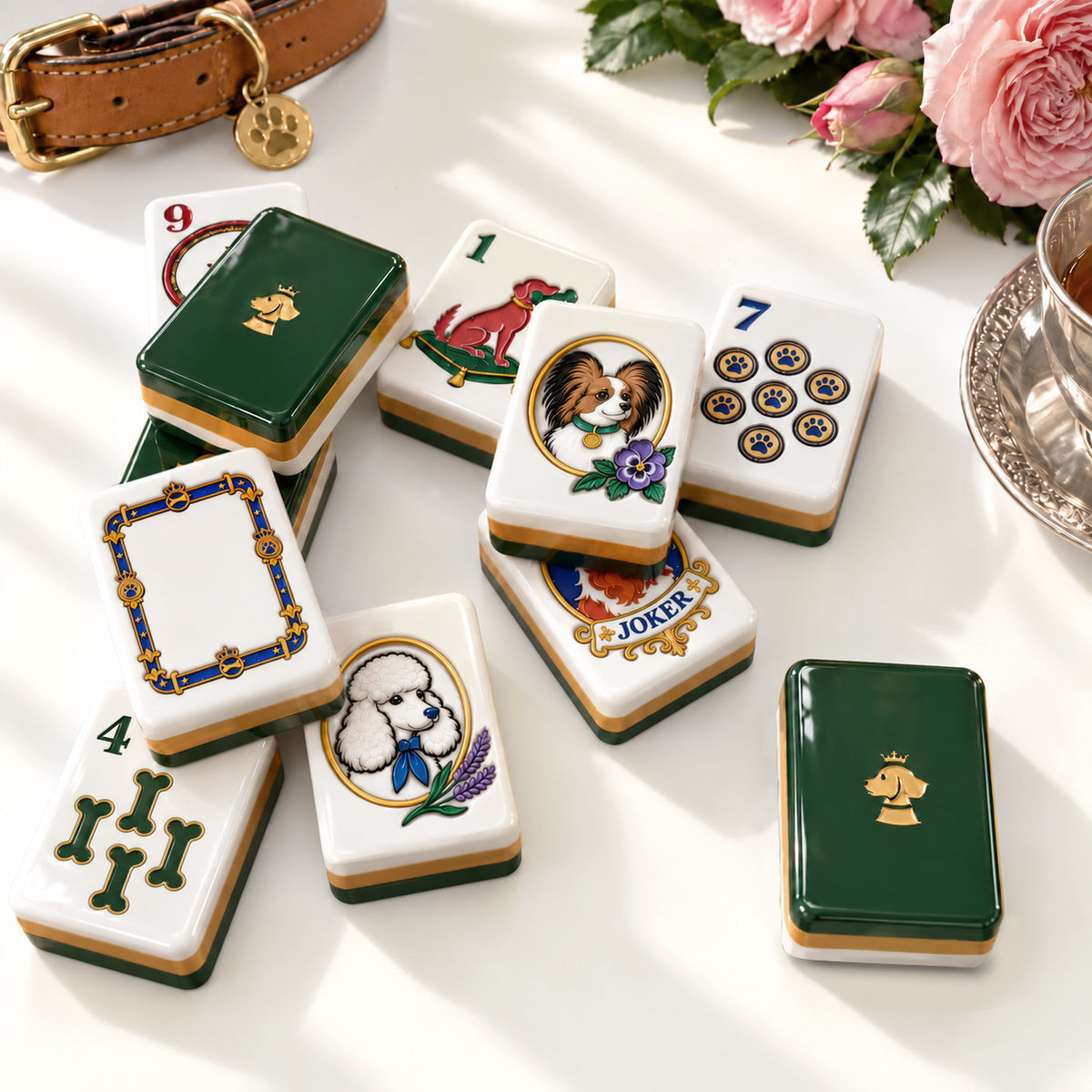
Recycled acrylic mahjong tiles typically weigh 10–15% less than new acrylic and feel slightly smoother, with less grip friction on traditional bamboo racks. They're made from post-consumer or post-industrial acrylic waste melted and recast into standard 1-inch tiles. Recycled material is fully playable for American mahjong—which requires 152 tiles plus 8 jokers per game—and lasts 5+ years under weekly play if the engravings stay sharp. The main trade-off: recycled tiles may show microscopic cloudiness or uneven coloring compared to virgin acrylic, though the difference is invisible during normal games. Mahstead's best-selling acrylic sets are cast from virgin acrylic for maximum clarity and weight.
What Does Recycled Acrylic Feel Like in Hand?
Recycled tiles have a silkier, less textured grip than virgin acrylic. The surface feels almost polished because scrap melting removes microscopic pitting. You'll notice less "stick" when pushing tiles across a rack or mat, especially on bamboo. Some players find this pleasant (faster tile movement, easier sorting); others prefer the slight traction of new acrylic for precision play. The difference vanishes if you use mahjong racks with pushers—the pusher does the gripping work, not your hand.

How Much Do Recycled Tiles Weigh?
A standard 1-inch acrylic tile from virgin material weighs approximately 2.8–3.2 grams. Recycled acrylic tiles average 2.4–2.8 grams, a 10–15% reduction. Over a full 152-tile set, this adds up: a virgin set weighs roughly 425–485 grams total; recycled runs 360–430 grams. The lighter weight is noticeable when carrying a full set but barely affects play dynamics—shuffling takes a hair less effort, and stacking feels slightly less solid. If you travel frequently or have arthritis concerns, lighter tiles can be a genuine advantage, though weight difference alone shouldn't drive your choice.
Does Recycled Material Last as Long?
Recycled acrylic tiles are chemically identical to virgin acrylic once recast, so longevity depends entirely on engraving depth and surface hardness. A well-made recycled set with deep engravings lasts 5–7 years of weekly play before characters fade noticeably. Virgin acrylic typically lasts 7–10 years under the same schedule because the resin is more uniform, allowing for sharper initial detail. The real durability killer is shallow engraving, not the acrylic source. Store your set in a travel bag or case away from heat and direct sunlight to prevent warping, which affects both recycled and virgin tiles equally.
🀄 Shop best-selling mahjong sets →
Recycled vs. Virgin: Clarity and Color
Virgin acrylic is optically crystal-clear and holds vibrant dyes uniformly. Recycled acrylic often contains tiny impurities—air bubbles, discoloration streaks, or a faint cloudy tint—that catch light during close inspection but are invisible across a table during active play. Color consistency is the biggest visible difference: recycled batches may show shade variation from tile to tile, whereas virgin sets are uniformly saturated. For casual weekly games, this is cosmetic. For tournament play or players who prefer visual uniformity, virgin material is worth prioritizing. Our engraved mahjong sets use virgin acrylic specifically for this reason.

How to Tell if Tiles Are Recycled Before Buying
Ask the seller directly—reputable makers disclose material source upfront. Recycled tiles often cost 15–25% less than virgin equivalents because post-consumer scrap is cheaper than virgin resin pellets. If the price seems unusually low, material sourcing is worth questioning. Inspect photos closely: if tiles look uniformly clear and bright, suspect virgin acrylic. If photos show any cloudiness, slight color drift, or the seller mentions "eco-friendly" or "sustainable" material, recycled is likely. Request a sample tile if possible—the smoother feel and lower weight are immediately apparent in hand. Avoid sellers who call recycled tiles "premium" or claim they play better; they don't. They're a legitimate, sustainable option with minor trade-offs.
What to Check Before You Buy
Consideration | Virgin Acrylic | Recycled Acrylic | Decision Point |
Weight | 425–485 g per set | 360–430 g per set | Pick recycled if travel or arthritis is a factor |
Play feel | Slightly grippy on racks | Smoother, faster sliding | Matter of preference; doesn't affect scoring |
Clarity | Crystal clear | Possible slight cloudiness | Matters for display; invisible during play |
Color uniformity | Bright, consistent dyes | May show shade variation | Pick virgin for tournament or photo-heavy use |
Engraving sharpness | Sharper, lasts longer | Depends on depth; 5–7 years typical | Ask seller for engraving depth specs |
Cost basis | Higher | 15–25% lower (typical) | Budget-conscious? Recycled works fine. |
Longevity | 7–10 years, weekly play | 5–7 years, weekly play | Virgin if you play intensively |
Both materials meet American mahjong standards: 152 tiles in three suits (Bams, Craks, Dots), 16 winds, 12 dragons, 8 flowers, 8 jokers. Recycled doesn't affect rules, scoring, or how the Charleston works. The choice is comfort, aesthetics, and budget.
Recycled Tiles and Table Setup
On a traditional wooden mahjong table with bamboo racks, recycled tiles slide more easily than virgin acrylic—some find this a quality-of-life improvement, others dislike the reduced control. On a mahjong mat, the difference is nearly imperceptible. Recycled tiles won't scratch a mat differently than virgin ones; acrylic durability is acrylic durability. If you use racks, test both materials if possible before committing. If you use a mat and pushers, material source barely matters.
✨ Find your Mahstead set — free US shipping →
A final honest note: we design sets in virgin acrylic because we're confident in the long-term clarity and weight consistency our players expect. If you're drawn to recycled for environmental reasons, that's legitimate—the material is fully functional—but understand the visual and tactile trade-offs. Ask sellers directly about sourcing, request photos under bright light, and prioritize engraving depth over material type if you play more than once a week. The best set is one that stays sharp and feels good in your hands for years.
🎁 See our most-loved mahjong sets & accessories →

FAQ
Will recycled tiles make my game weaker or slower?
No. Recycled acrylic tiles are chemically identical to virgin acrylic in gameplay. Weight and feel differ slightly, but they do not affect American mahjong scoring, hand validity, or pace. How jokers work and tile recognition remain unchanged.
Are recycled tiles safe to touch and handle?
Yes. Recycled acrylic is fully inert after casting and poses no health risk. It's commonly used in food storage, eyeglass lenses, and children's toys. The resin meets US safety standards whether virgin or recycled.
How do I know if my current tiles are recycled or virgin?
Hold them to bright light. Virgin tiles are crystal clear; recycled often show faint cloudiness or tiny air bubbles. Virgin tiles feel slightly tackier; recycled feel smoother. Ask the seller or check the receipt if available.
Can I mix recycled and virgin tiles in the same game?
Technically yes, but it's poor practice. Weight imbalance during shuffling is subtle but noticeable. For fair play, use one material per set. If one tile breaks, replace it with an identical batch if possible.
Do recycled tiles ever yellow or discolor over time?
Rarely, and not because they're recycled. Both virgin and recycled acrylic can yellow if exposed to direct sunlight or heat for years. Store sets indoors, away from windows. A travel bag or case provides best protection.
Why does the weight matter if I don't notice it during play?
Most players don't. Weight becomes relevant for travel (lighter sets are easier to carry), hand fatigue (lighter tiles reduce wrist strain over 3+ hours), and shuffling ease. For casual weekly games at home, weight is purely cosmetic.


View More
View More
View More
