
Pusher in Mahjong: Examples, Rules & Why You Need One
Last updated: Nov 23, 2026
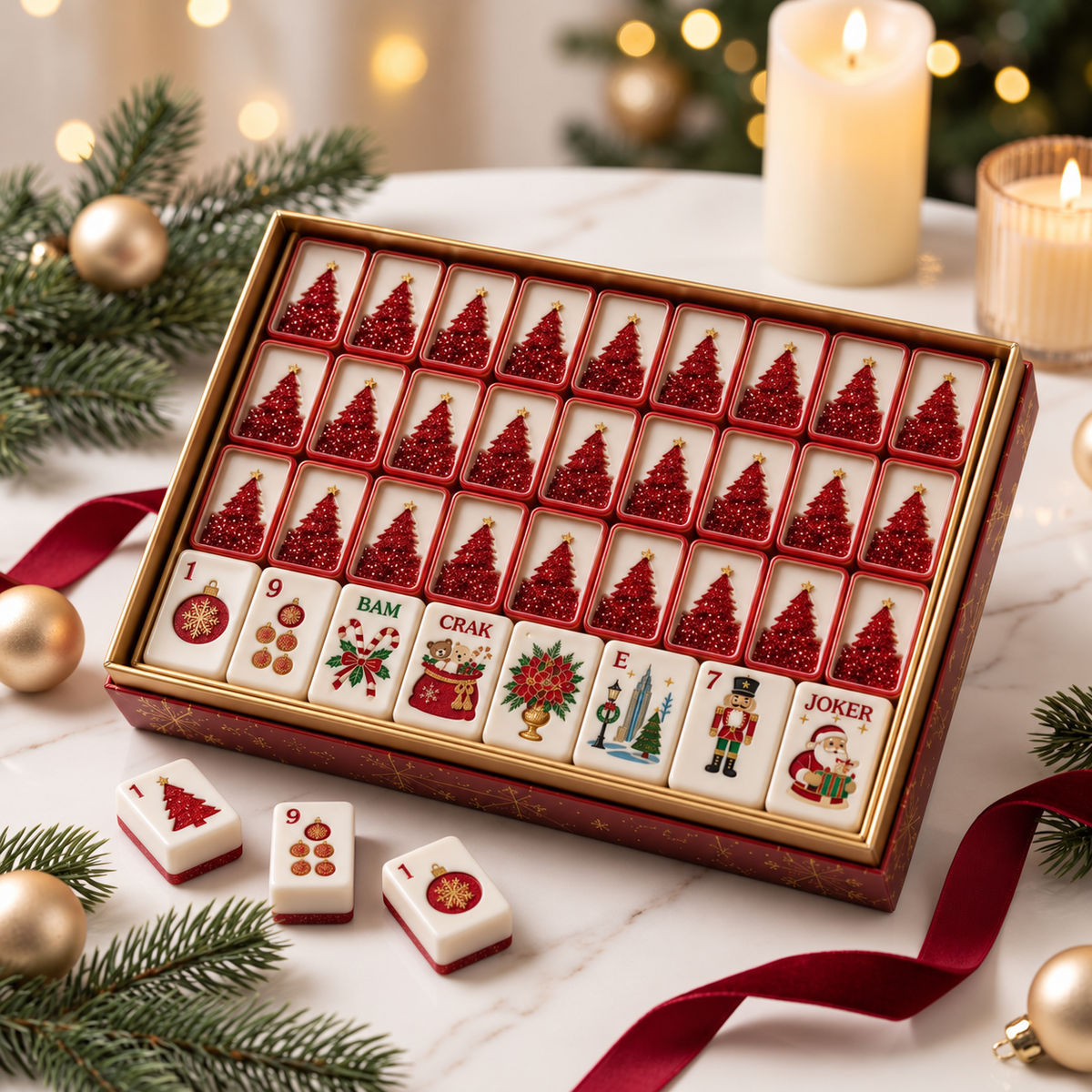
A pusher (also called a shove or slide) is a flat wooden, plastic or acrylic tool, usually 3–5 inches long, that sits in your mahjong rack alongside your tiles. You use it to nudge tiles forward as you discard them, keeping your hand neat and preventing accidental shows. The pusher moves the tile you want to throw into the discard area without lifting it—reducing fumbles, misdeals and argument. It's included in most best-selling mahjong sets, either as one per player or bundled with racks. Pushers aren't required by official American mahjong rules, but every weekly game we've hosted uses them because they slow the game just enough to catch mistakes before they matter.
A pusher is the flat tool that slides alongside your rack to help you manage tiles smoothly during American mahjong. You use it to nudge tiles forward as you discard them, keeping your hand neat and preventing accidental shows. The pusher moves the tile you want to throw into the discard area without lifting it—reducing fumbles, misdeals and argument. It's included in most best-selling mahjong sets, either as one per player or bundled with racks. Pushers aren't required by official American mahjong rules, but every weekly game we've hosted uses them because they slow the game just enough to catch mistakes before they matter.
What does a pusher actually do during play?
A pusher keeps tiles in your rack upright and organized while you're deciding which tile to discard. Once you choose, you use the pusher to slide that tile forward out of your hand into the discard pile (or the center of the table, depending on your group's custom). This prevents the common rookie mistake of lifting a tile and showing neighbors prematurely, and it stops tiles from toppling or sliding accidentally. The pusher also gives you a second to change your mind—if the tile is merely pushed forward but hasn't left your hand, you can pull it back. We've seen countless misdeals prevented because someone caught a premature discard slide before it landed.

How is a pusher different from a rack?
The pusher and rack are two separate tools that work together. A mahjong rack is the angled holder (often 12–15 inches long) that sits in front of you and displays your tiles in a neat line. A pusher is the small flat tool (usually 3–5 inches, about the width of two tiles) that slides in the groove beside or within the rack to nudge individual tiles. Many racks with pushers come as a pair—the rack holds your tiles, and the pusher slides along with them. Some players use just a rack and their fingers; others prefer a dedicated pusher for cleaner, quieter play. Tables that take the game seriously almost always pair a rack with a pusher.
Why do some players push tiles and others don't?
Casual players often skip the pusher and simply pull tiles from their hand or rack with their fingers, discarding by hand. Serious weekly players and tournament-level games use pushers because they enforce a tiny pause—enough time for the table to catch if someone's about to misdiscard or accidentally expose a tile. The pusher also reduces the sound of aggressive tile movement (some players slam discards down, which can startle or intimidate). Pushers also appeal to players who want to keep their tiles pristine; fingers can soil tiles over years of weekly play. If you're hosting or joining a group that values precision and respect for equipment, a pusher becomes almost invisible—the mark of a well-oiled game.
What materials and sizes are best for pushers?
Pushers come in three main materials, each with trade-offs:
Material | Durability | Feel | Best For | Notes |
Wood | Medium; can splinter after years | Warm, natural | Traditional players | Works well in racks; lighter weight |
Plastic | High; rarely cracks | Smooth, quiet slide | Budget games | Fast movement; can feel impersonal |
Acrylic | Very high; crystal-clear or opaque | Smooth, satisfying glide | Decorative sets | Matches modern tile aesthetics; premium feel |
Length ranges from 3 to 5 inches—a 3-inch pusher works for compact racks, while 5 inches suits larger displays. We prefer pushers paired with matching racks because they're designed to fit the groove together. Sets with engraved pushers (often personalized with family names, initials, or humorous sayings) make ideal gifts and add personality without changing function. Mahstead's racks with pushers include options in acrylic that match your tile aesthetic and stay smooth after hundreds of games.
🀄 Shop best-selling mahjong sets →

Common mistakes people make with pushers and how to avoid them
Mistake 1: Using the pusher to flick tiles across the table. The pusher is not a lever—it should slide smoothly, not catapult. Flicking will eventually snap the pusher and annoy your table. Solution: gentle, controlled slides only.
Mistake 2: Forgetting the pusher in the rack and then losing it. After a game, the pusher gets left behind or lost. Solution: keep pushers in a dedicated bag or case. Mahstead's mahjong bags and cases often include a pocket for pushers and small accessories.
Mistake 3: Mixing pushers between sets or leaving them out of the set entirely. New players don't realize pushers are supposed to be part of the gear. Solution: confirm your set includes a pusher (or one per player) before your first game, and label them if you have multiples.
Mistake 4: Using a warped or cracked pusher. A bent pusher catches on rack grooves and slows play. Solution: inspect pushers before each game. Acrylic and quality wood pushers resist warping longer than cheap plastic.
Mistake 5: Pushing tiles when it's not your turn. Some players nervously shove their rack tiles while waiting. Solution: only push when you're actively discarding; otherwise, rest your hand.
How pushers fit into the broader American mahjong workflow
When you sit down to play American mahjong, the pusher comes into action after the Charleston and the initial tile draw. You'll receive 13 tiles in your rack; the pusher sits ready beside them. Each turn, you draw one tile, examine your hand, decide on a discard, and use the pusher to slide that tile forward into the center discard pile. The pusher keeps that moment quiet and deliberate. Newer players often fumble the discard phase—tiles spill, neighboring hands get flashed, arguments start. A pusher forces intention. It's a small tool with an outsized effect on table culture. Over hundreds of games, the pusher is the difference between a tense scramble and a smooth, respectful rhythm.
🎁 See our most-loved mahjong sets & accessories →
What to check before you buy pushers
Are pushers included in the set? Not all mass-market sets include them. Confirm the product description lists pushers (or racks with pushers) before checkout.
Do they match your tile size? Oversized pusher for standard tiles, or vice versa, will catch or slide too loosely. Measure your tiles (usually around 1 inch square for American mahjong).
Material preference? Acrylic is easiest to keep clean and looks modern; wood feels traditional; plastic is budget-friendly.
Quantity? You need one pusher per player (four total) or one dedicated per rack if you use racks sequentially.
Fit in your storage? If you travel, confirm pushers fit inside your bag or case. Mahstead's bags and cases are designed with accessory compartments.
Can you easily replace one? Pushers do wear out or break. Check whether your set vendor (like Mahstead) sells spare pushers.
How to actually use a pusher step-by-step
Place the pusher in the groove next to your rack tiles, or rest it on the table beside your hand.
Choose your discard tile and leave it in your hand or rack until you're certain.
Position the pusher behind that tile (on the side closer to you).
Gently slide the pusher and tile together forward, away from your hand.
Stop when the tile reaches the edge of your hand or the designated discard zone (usually the center of the table in American mahjong).
Release the pusher and let the tile rest. It's now officially discarded and visible to all.
Retrieve the pusher and reset it for your next turn.
The entire motion should feel controlled and unhurried—never aggressive. Watch experienced players at your local community center or club to calibrate your speed.
✨ Find your Mahstead set — free US shipping →

FAQ
Can you play American mahjong without a pusher?
Yes—pushers are not mandatory by official rules. But every serious game uses them because they prevent accidental shows, misdeals, and give the table time to catch errors. If you're learning alone, a pusher isn't critical; with a group, it's strongly recommended.
Do I need one pusher per player or one per set?
Most sets include one pusher per player (four total). If your set has only one, you can rotate it or purchase a spare. Groups often keep a shared pusher at the center, but personal pushers (paired with individual racks) are cleaner during fast play.
What's the best material for a pusher if I play every week?
Acrylic or quality wood both last well under regular use. Acrylic resists warping and staining better; wood feels traditional and is quieter. Cheap plastic can bend after a season. Your choice depends on aesthetics and how much you value a premium feel.
Can I use a pusher from one set with tiles or racks from another?
Yes, as long as the pusher length and the rack groove are compatible. Pushers are generally universal, but a very short pusher in a wide rack groove may feel loose. Test fit before assuming they work together.
What do I do if my pusher breaks or warps?
Check whether your set vendor sells spare pushers—many do. Mahstead offers pushers and racks with pushers separately. If a pusher cracks beyond repair, replace it rather than play without one; a broken pusher can scratch your tiles.
Are pushers used in Chinese, Hong Kong, or other mahjong variants?
Pushers are primarily an American mahjong convention, tied to the use of racks and the formal tile-management style. Chinese and Hong Kong mahjong players typically use their hands to manage tiles and do not use pushers as a standard tool.


View More
View More
View More
