
Pool Mahjong Party Cocktails: Host Like a Pro
Last updated: Nov 23, 2026
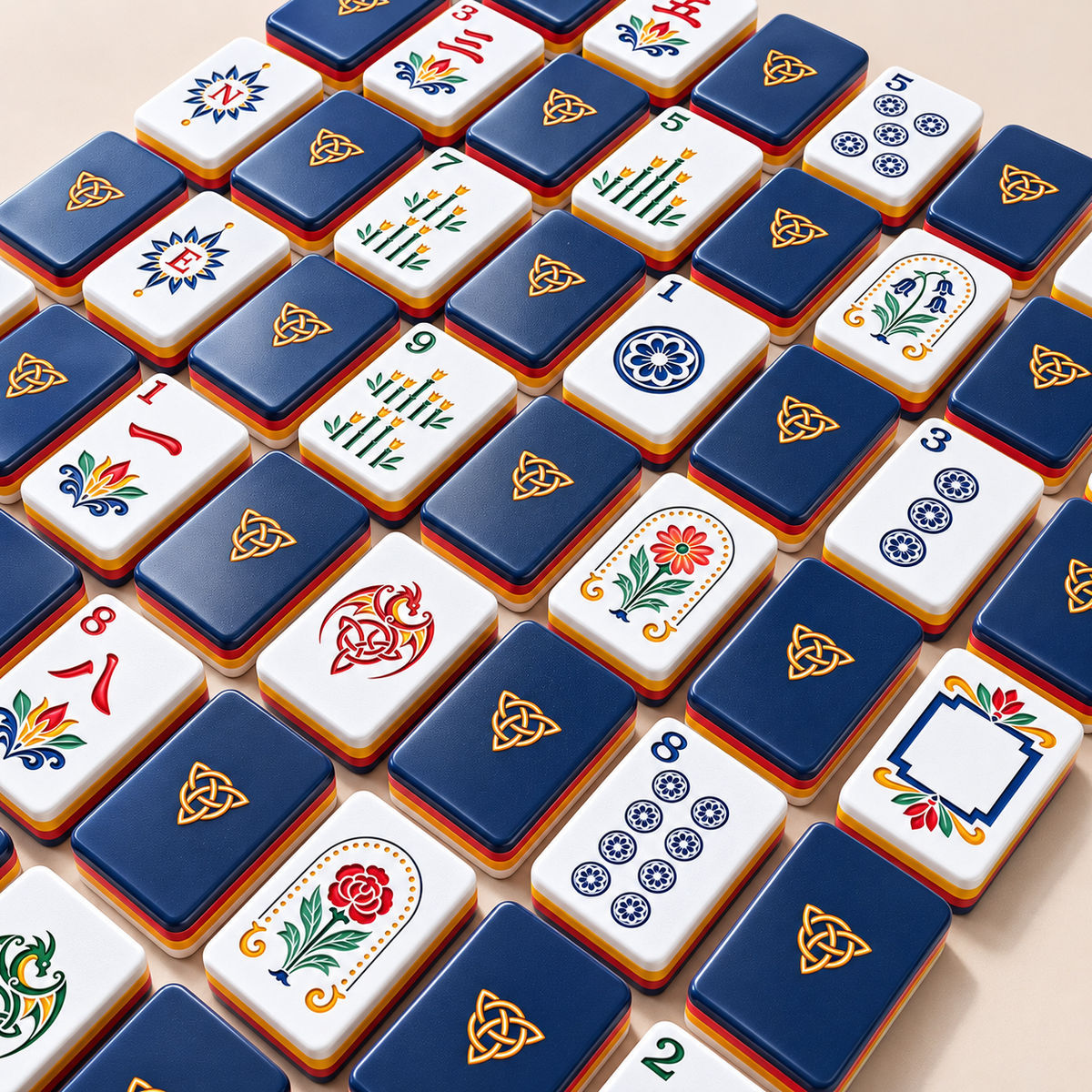
A pool mahjong party combines American mahjong's turn-based rhythm—no rushing—with the leisure of outdoor entertaining. You need an acrylic set (acrylic tiles don't absorb moisture and won't warp; bone-bamboo absorbs water), a sturdy mat for the concrete or grass, a protective bag for transit, and drink holders or side tables so players keep cocktails away from tiles. Four players per table, one standard 160-tile set per table. Plan 60–90 minutes per hand; most groups play 2–4 hands an evening. Mahstead's acrylic sets arrive ready to play, fit easily in a travel bag, and ship free across the US; pair them with our mats (marked with player positions) and keep spares in a case so a dropped tile or splash doesn't halt the game.
🀄 Shop best-selling mahjong sets →
Why acrylic tiles beat bone for poolside play?
Bone and bamboo tiles wick water—bamboo splinters when wet, bone warps and delaminates. Acrylic is hydrophobic: moisture rolls off, tiles stay true, and no mildew. If a tile lands poolside or someone spills a drink nearby, acrylic survives; bone doesn't. For a pool party, acrylic is non-negotiable. A standard 160-tile acrylic set contains all tiles you need for a full four-player game plus spares, so one splash doesn't derail your night.

How do you set up a stable outdoor mahjong table?
Wind and uneven ground shift tiles mid-hand. Outdoor tables need three layers: a sturdy, level surface (concrete patio, picnic table, or portable folding table at least 30×30 inches), a protective mat with raised rails (our mats include position markers and joker racks), and non-slip feet or weights so the mat doesn't slide. Set the mat before dealing. If you're on grass, use a flat board underneath the table to anchor it. Keep the table in shade—direct sun fades tile colors and makes acrylic warm to the touch, which can feel odd. Test stability before tiles go down: a wobbly table means re-dealt hands and frustrated players.
What's the real strategy for drinks near the tiles?
Mahjong is about tile management—hands hover, reach, and tap constantly. A single cocktail poolside creates risk: someone knocks the glass reaching for a Bam, or condensation pools under a pung before you pick it up. Use side tables 2–3 feet from the main table, one per player, or drink holders that clip to chair arms (available at party supply stores). If using poolside umbrella tables, position them at player 1's right or left, not adjacent to tile zones. Paper coasters under glasses, no straws in mixed drinks (straws tip easy); beer and water in bottles or cans go lower-risk. A good rule: never set a drink down while tiles are being drawn. Enforce it.
Should you use a mat with a cover, or bare table?
Setup | Best for | Why | Trade-off |
Mat + cover | Outdoor, mixed skill levels | Tiles visible, spill-resistant, neat racks | Covers wear in sun |
Bare table | Indoors, advanced players | Tiles feel premium, easier to move | Every spill risks damage |
Mat only | Poolside, casual groups | Lightweight, folds easily, grips acrylic | No splash barrier |
For a pool party, a mat without a cover works best—it's lightweight for transit, won't trap poolside humidity, and the raised rails keep tiles from sliding off if someone jostles the table. Pair it with a travel bag so wet tiles or condensation from the pool area doesn't migrate to your car. Our mats fold compactly and ship free across the US; they dry fast if splashed.

What gear prevents lost or damaged tiles at a pool party?
A single lost tile kills the hand—you can't draw a replacement on the fly. Keep all 160 tiles accounted for before and after play. Use a dedicated case or bag for transport; verify the full count when you arrive (52 seconds: dump tiles, count by suit and wind). If a tile goes missing, stop the hand and check the pool deck, under chairs, and the grass—a small white or green tile vanishes fast. Store spares (extra jokers and blanks that come in a 160-tile set) in a separate labeled pouch so you know what you're replacing. Never substitute a blank or mismatched tile mid-hand—it breaks the deal and cascades into scoring disputes. If someone drops a tile into the pool or it's stepped on and cracks, pull a spare joker from your pouch, mark it with a permanent marker if needed, and explain to the players before the next hand starts. Transparency avoids arguments.
🎁 See our most-loved mahjong sets & accessories →
How many tables fit in a typical backyard?
A standard mahjong table occupies a 36×36-inch footprint; add 1 foot on each side for chairs, and you need a 5×5-foot zone per table. A 20×15-foot patio comfortably fits two tables; a 25×25-foot space holds four, though three is more social (easier to rotate players, refill drinks, and move between tables). Position tables at least 6 feet apart—tiles from one table shouldn't roll into another, and players need sightlines without glare. If you're mixing skill levels, put beginners and advanced players on separate tables so games flow at their own pace. Our best-selling collections include multi-set bundles for hosts running two or more tables; one set per four players is the standard.
When should you call a hand if tiles or rules get messy?
Mahjong is unforgiving: once tiles are dealt and the Charleston ends (the pre-game tile exchange), you play the hand as dealt. If someone spills a drink on the tiles before the first draw, stop immediately, dry the tiles with a towel, and re-deal. If a tile goes missing mid-hand or gets wet, announce it before the next hand: "Player 3 lost the 7 Crak. We're using a spare joker, marked with a black dot." All players agree before you continue. If an argument arises about what tile was played or how many jokers are left, reference the National Mah Jongg League card (the hand reference guide—issued every spring—that governs legal hands) and the rules for your group (house rules about wild tiles, re-dealing, scoring). A good move: have a quick mahjong rulebook on hand (printed or on a phone) to settle disputes fast. The goal is fun; a 30-second ruling beats a 30-minute argument.
✨ Find your Mahstead set — free US shipping →
What to check before you buy
Tile material: Acrylic only. Bone warps near water; bamboo splinters. Verify the product listing.
Set count: A standard game uses 152 tiles + 8 jokers. Mahstead sets include 160 tiles total (152 playing + spares). One set = four players, one hand.
Bag or case: If you're transporting between homes or storing outdoors, a protective bag prevents moisture and dust. Travel bags are not decorative—they're functional.
Mat: For poolside, lightweight and foldable beats rigid. Check dimensions; most fit a 30–36-inch table.
Replacement tiles: Ask if spares are included. Mahstead's 160-tile sets do; not all do.
Shipping: Confirm free US shipping applies to your order.
FAQ
Can I play mahjong in direct sunlight by the pool?
Yes, acrylic tiles handle UV exposure—they won't fade as fast as bone—but players' eyes strain reading tiles in glare. Use an umbrella, shade structure, or position the table so the sun hits behind players, not the tile face. Sunglasses help.
What happens if a tile gets wet but isn't submerged?
Acrylic dries instantly; wipe it with a towel and keep playing. Bone and bamboo absorb water, swell, and may not fit back into racks or the case. This is why acrylic is pool-proof.
Do I need a different set of tiles for outdoor vs. indoor play?
No. One acrylic set works everywhere—kitchen table, outdoor patio, beach, pool deck. Bone and bamboo are indoor-only. Acrylic is your all-terrain option.
How do I keep track of whose tiles are whose if we're playing two tables?
Use seat position markers (printed or written on the mat) and one set per table. If players rotate between tables, assign each set a number and players move, not tiles. Our mats include position guides to avoid confusion.
If someone loses a tile at the pool party, can I just play without it?
No. A missing tile voids the hand—you cannot deal a valid mahjong without all 152 tiles in play. Use a spare from your 160-tile set, mark it if needed, and restart the hand. Always verify the full count before the next game begins.
Is it safe to leave mahjong tiles outside overnight?
Acrylic can handle humidity and temperature swings, but bring them inside if rain is forecast (water under the set causes mildew in the case). Store them indoors in a cool, dry place. A protective bag or case keeps them dust-free and easy to grab for the next party.


View More
View More
View More
