
How to Tell If Mahjong Tiles Are Recycled: A Player's Guide
Last updated: Nov 23, 2026
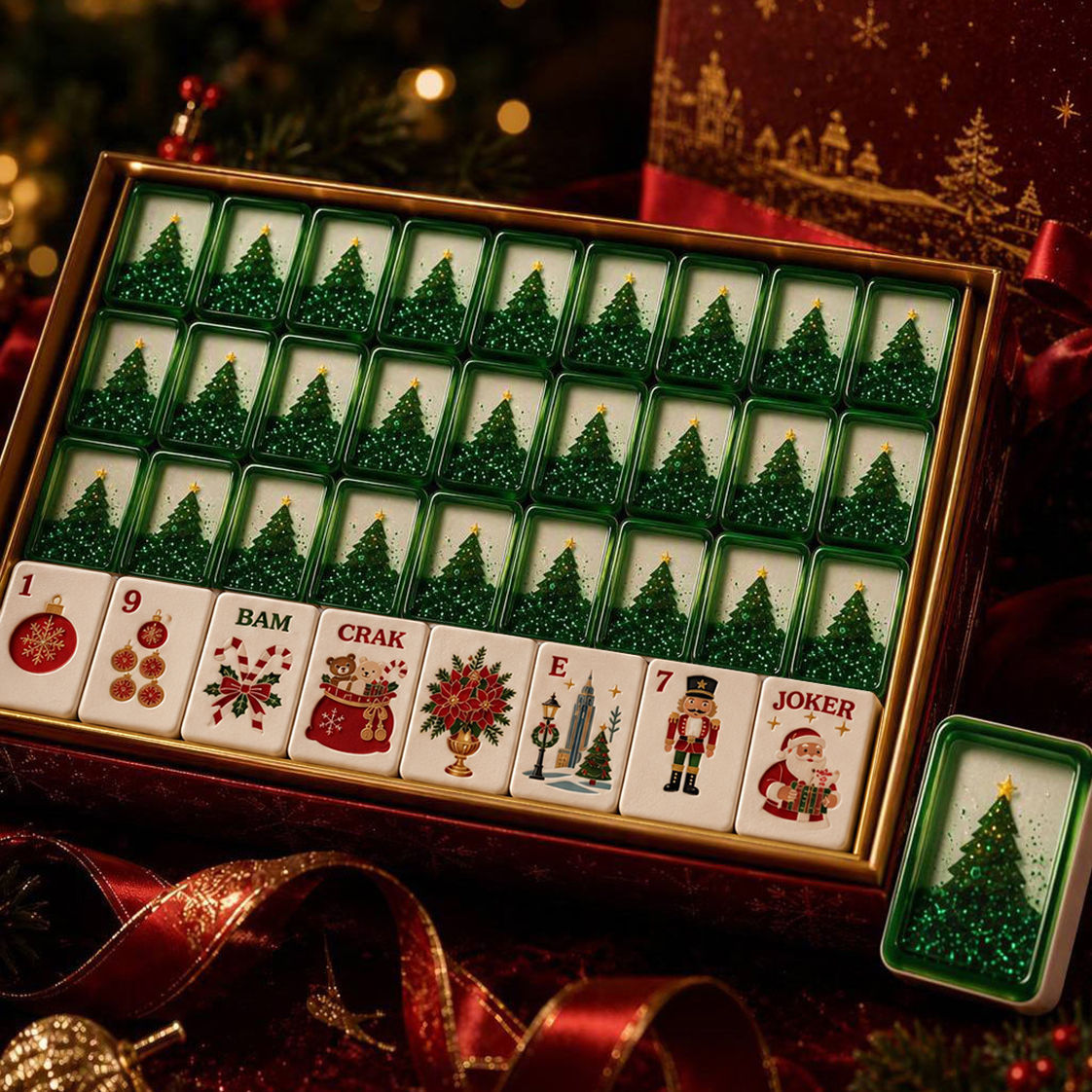
Recycled mahjong tiles typically show visible signs: lighter weight, dulled engravings, slight discoloration in whites or greens, or a softer plastic feel compared to virgin acrylic. You can inspect them by running your thumbnail across the engraved surface—crisp, raised lines indicate new tiles; smooth or worn grooves suggest recycling or heavy prior use. Check the back side too; new tiles have uniform gloss, while recycled ones may show micro-scratches or uneven sheen. The jokers and blank tiles often reveal the most wear since they're handled most. When buying a set, ask the seller directly about material sourcing; reputable makers like Mahstead use new acrylic and clearly state it. Recycled tiles aren't inherently bad—many players prefer the softer action—but they're cheaper for a reason and won't last as long in competitive play or high-volume hosting.
What does recycled mean in mahjong tiles?
"Recycled" tiles are made from ground-up plastic scraps or previously molded acrylic that's re-melted and re-cast. This process saves material cost but can introduce air bubbles, inconsistent dye distribution, and surface imperfections. The engraved numbers and suits often come out less crisp because the plastic itself is weaker. A new acrylic tile is molded from virgin resin, producing uniform density and a harder finish that holds engravings sharp for years.

How do you spot recycled tiles by feel and appearance?
Pick up a tile and press your thumbnail firmly against an engraved number or suit symbol. On new tiles, you'll feel a raised ridge with clean edges; on recycled tiles, the groove feels smoother or slightly rounded at the edges, as if the detail has worn down or the mold degraded. Check color uniformity under bright light—recycled whites often have a faint gray or yellowish cast; new whites are bright and consistent. Hold a white tile up to a window; recycled tiles may show tiny specks or cloudiness from air bubbles trapped during re-casting. Compare the gloss on the back: new tiles shine evenly; recycled tiles sometimes look dull in patches or show fine scratches.
What do the jokers and blanks reveal?
Jokers and blanks are handled more frequently than numbered tiles because players sort them out of hand repeatedly. In a recycled set, these tiles degrade faster and often show the most visible wear: micro-scratches on the face, dulled engravings, or uneven coloring where the plastic has been compressed unevenly. If you inspect a set sample and the jokers look worn but the number tiles look fresh, that's a red flag—it suggests the set has seen heavy use or is a mixed batch of old and new tiles. High-quality new mahjong tiles from our best-selling collection use uniform virgin acrylic throughout all 160 tiles, so jokers and blanks age at the same rate as numbered tiles.

Why does weight matter when assessing recycled tiles?
Virgin acrylic is denser and heavier than recycled acrylic because air bubbles reduce mass and increase buoyancy. Hold two tiles—one from a suspected recycled set and one new—in each palm with your eyes closed; the heavier one is almost always new. This density also affects how tiles feel in shuffle and play: lighter recycled tiles can feel "floaty" and are slower to settle on a mat, which frustrates players accustomed to the satisfying snap of quality tiles. Weight is one of the quickest non-destructive tests you can perform at purchase time.
🀄 Shop best-selling mahjong sets →
When does "recycled" actually matter for your game?
If you host weekly games and replace tiles annually, recycled tiles break down visibly after 12–18 months. The engravings blur, whites yellow, and jokers crack. If you play casually once a month, recycled tiles may last 3+ years. For league play or teaching, new tiles are non-negotiable—legibility and durability affect scoring accuracy and player trust. Consider also whether you travel frequently; recycled tiles are lighter (slightly less wear on bags) but less durable in humid climates, where they can warp. The "best" choice depends on your use case: high-volume hosts and competitive players gain real value from new engraved American mahjong sets; casual players can save money with recycled tiles and replace them sooner.
Inspection Checklist: Before You Buy
Run thumbnail across an engraved suit or number. Feel crisp ridge (new) or smooth groove (recycled)?
Hold the tile to bright light. Look for air bubbles, cloudiness, or color patches.
Compare gloss on the back. Uniform shine (new) or patchy/scratched (recycled)?
Test weight. New tiles feel heavier for their size than recycled.
Check jokers and blanks first. They show wear earliest; if they look pristine, the set is likely new.
Ask the seller directly. Reputable vendors will confirm whether tiles are virgin or recycled acrylic.
Inspect edge finish. New tiles have clean, uniform edges; recycled tiles may have slight flash or roughness where mold seams aren't well-finished.
Recycled vs. New Tiles: Quick Comparison
Feature | Recycled Tiles | New (Virgin Acrylic) Tiles |
Engraving sharpness | Smooth or rounded grooves; blurs after 6 months | Crisp, raised lines; holds for 2+ years |
Weight & density | Lighter; feels "floaty" in play | Heavier; satisfying snap and settle |
Color consistency | Whites may yellow; greens fade unevenly | Uniform from day one |
Air bubbles visible | Common under light; weakens structure | Rare; solid throughout |
Cost basis | Lower material cost; shorter lifespan | Higher upfront; lasts 2–3× longer |
Best for | Casual, low-frequency play; budget-conscious | Weekly games, competitive play, teaching |
Gloss on back | Patchy or dull in places | Uniform shine, no scratches |
🎁 See our most-loved mahjong sets & accessories →
Why buy new tiles instead of recycled?
New tiles aren't a luxury—they're an investment in consistent, fair play. Recycled tiles wear unevenly; a faded green dragon can be misread as white, leading to scoring errors or mis-calls. In American mahjong, where the hand card changes every spring and you rely on precise tile recognition under game pressure, clarity matters. Hosting weekly games means your tiles are shuffled, stacked, and handled hundreds of times a season. After two seasons, recycled tiles often show visible degradation; new tiles stay crisp. Psychologically, newer tiles also boost player confidence: there's no dispute about whether a tile is really a 5 Dot or a 6 Dot. If you plan to keep your set longer than two years or play more than twice a month, new tiles pay for themselves in longevity and game quality.
✨ Find your Mahstead set — free US shipping →

FAQ
Can recycled tiles be as durable as new ones?
In theory, yes—if the recycling process is done carefully with good quality control. In practice, recycled acrylic is harder to control for consistency, so air pockets and weak spots are more common. Most recycled tiles will show visible wear within 18–24 months of weekly play.
Do recycled tiles feel different in hand?
Yes. They're usually lighter and softer, which some players prefer for comfort but which also means engravings wear down faster and tiles can feel sluggish when shuffling or stacking. New tiles are heavier and snap into place more crisply.
How can I tell if a set is mixed (some old, some new)?
Compare 10 random tiles from different areas of the set. If some feel much heavier or have sharper engravings than others, the set is mixed or poorly maintained. A uniform new set feels consistent across all 160 tiles.
Is it okay to buy used tiles instead of recycled?
Used tiles are individual tiles from broken sets or old inventory—they're authentic original acrylic but show real wear. Recycled tiles are ground up and re-made. Used tiles can be bargains if you're okay with cosmetic wear; recycled tiles are risky because you don't know the full history of the material.
What climate damage should I watch for in recycled tiles?
Recycled tiles are more prone to warping in humid environments and can become sticky or brittle in extreme heat. New virgin acrylic is more stable across temperature and humidity ranges. If you live in a hot or humid area, new tiles are worth the premium.
Does the seller's reputation matter when buying recycled tiles?
Absolutely. A transparent seller will disclose the material source and offer return options if the tiles feel or look wrong. Sellers who hide or refuse to say whether tiles are recycled are a red flag—they may be mixing batches or misrepresenting age.


View More
View More
View More
