
Ivory Mahjong Tiles: Real Looks, Durability & How to Choose
Last updated: Nov 23, 2026
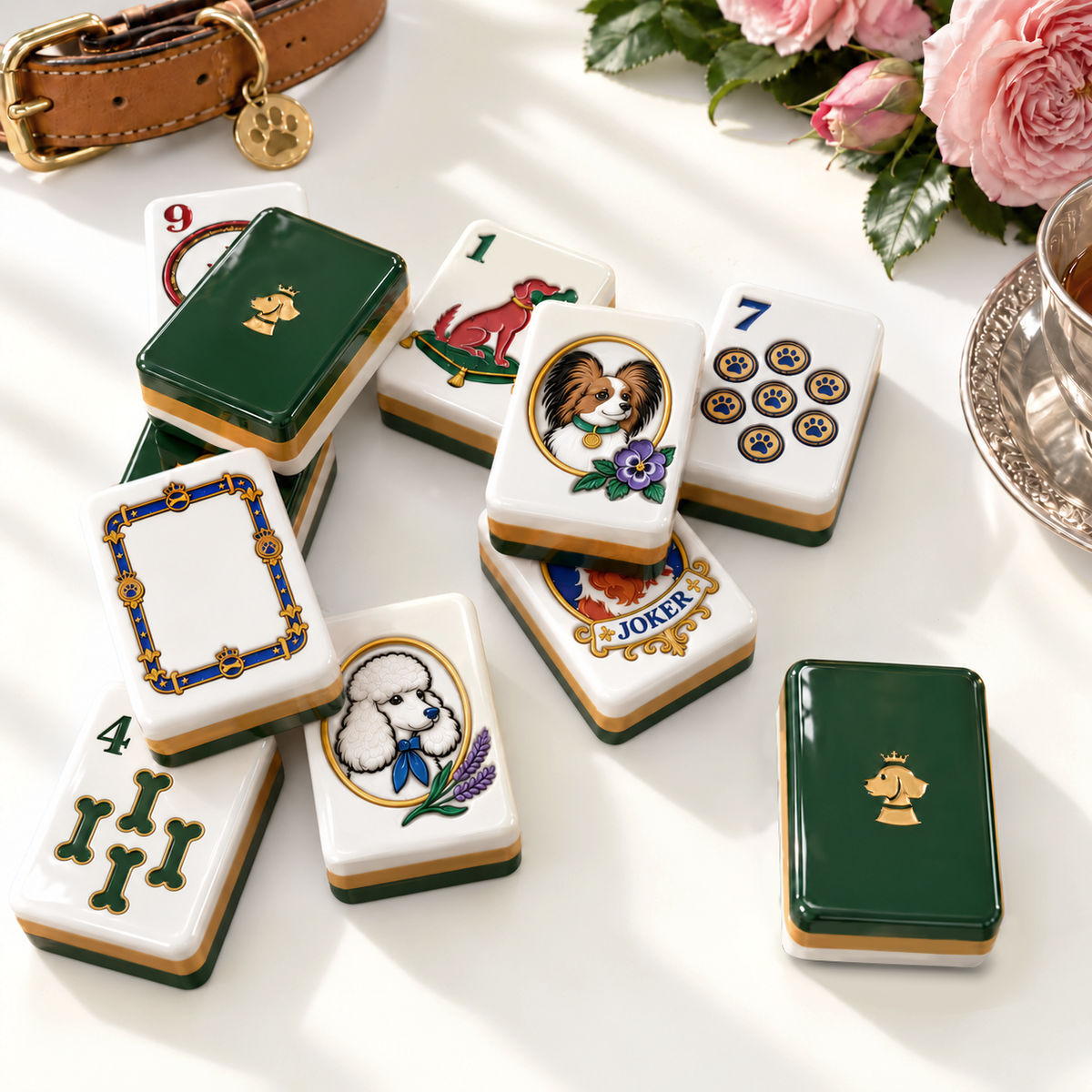
Ivory mahjong tiles refer to cream, bone, or pale plastic finishes that mimic classic carved bone or bakelite tiles from decades past. They come in two main forms: sets where all 152 playing tiles plus spares are ivory-colored (monochrome), or mixed sets with ivory tiles alongside colored suits for contrast. Durability depends on material—acrylic holds up best under weekly play, while resin or composite can dull or crack—and weight (heavier tiles stay put during the Charleston and shuffling). Most ivory sets sold today are acrylic or polished resin, range in price based on engraving and finish quality, and ship ready to play. Before ordering, confirm tile thickness (standard is 0.3 inches), weight per tile, and whether the maker tests tumbling or table wear. Mahstead's best-selling mahjong sets include options with ivory finishes and full US shipping.
Ivory mahjong tiles offer classic appeal at the table, but choosing the right set means understanding finish durability, weight distribution, and whether the design matches your actual play style. Not all "ivory" tiles are created equal—some dull after a season of shuffling, others hold their sheen for years. We've hosted weekly games for decades and learned what separates a set that stays crisp from one that fades or chips. Here's what to check before you buy.
What exactly is an "ivory" finish?
Ivory is shorthand for cream, bone, or pale beige tile colors meant to evoke traditional carved bone or early bakelite sets from the 1940s–1980s. Most modern ivory tiles are acrylic, polished resin, or composite, not bone. Acrylic ivory tiles tend to stay bright and resist yellowing; resin can look warmer but may dull with heavy shuffling. The finish can be matte (low gloss), satin (soft shine), or glossy. Satin and glossy resist fingerprints better and maintain clarity longer during play.

Why does tile weight matter for ivory sets?
Heavier tiles—typically 5–6 grams per tile—stay planted on the mat during the Charleston shuffle and don't scatter when drawn. Lighter tiles (under 4 grams) migrate across felt during passing and make it harder to count your hand cleanly. Ivory tiles, especially if hollow or thin-walled acrylic, can feel insubstantial in hand, leading to fumbled shuffles and annoying table pauses. Solid acrylic ivory sets feel premium, don't slide unexpectedly, and last longer because the thicker material resists edge chips. If a vendor doesn't list tile weight, ask before purchasing—it's the single best predictor of game-table happiness.
Monochrome ivory vs. ivory with colored suits—which plays better?
Tile Design | Who it's for | Play advantage | Trade-off --- | --- | --- | --- All-ivory (monochrome) | Purists, collectors, design lovers | Classic look; cohesive aesthetic | Suit identification relies on tiny engravings; slower hand reading under poor light Ivory + color (mixed) | Competitive players, newer groups | Fast visual scanning; reduced errors | Less traditional appearance; busier table feel
Monochrome ivory sets look stunning on Instagram and evoke antique mahjong, but during real play, tile identification takes longer because you're reading fine engravings instead of glancing at color. Mixed sets—ivory background with colored suit inlays or printing—speed up hand reading, especially for new players or under dim lighting. If your group plays casually once a month, monochrome works fine. If you play weekly or teach beginners, colored elements pay for themselves in fewer mistakes and faster gameplay.
What finishes hold up best over a year of weekly play?
Acrylic with a satin or gloss finish outperforms matte resin or soft composite. Here's why: satin and gloss surfaces shed fingerprints and dust more easily, so you wipe them clean without buildup. Matte finishes trap oils and dust, creating a dull patina that feels gritty after six months. Glossy acrylic can be slippery—some players dislike the rattle—so satin is the sweet middle ground. Polished resin ivory can look beautiful new but softens under repeated friction, developing micro-scratches that catch light unevenly. If durability is your priority, choose acrylic with engraved or UV-printed characters over dyed or stenciled designs—engraving won't fade or chip. Explore our engraved American mahjong sets to compare finish options.
How do ivory sets compare to colored or mixed-finish alternatives?
Set Type | Visual Pop | Durability | Learning Curve | Best For |
Full ivory | Medium | High (if acrylic) | Slower (reading fine marks) | Experienced groups, collectors |
Ivory + primary colors | High | Medium–high | Fast (color coding) | Weekly games, mixed skill levels |
Multicolor (bright) | Very high | Medium | Fastest | Beginners, teaching, casual play |
Translucent or textured ivory | High | Varies widely | Slower (texture vs. color) | Specialty/gift sets, occasional play |
Ivory sets sit between traditional and modern. They feel nostalgic without sacrificing playability if you choose acrylic. Colored sets train the eye faster and reduce errors, but purists argue they sacrifice the game's classic dignity. Translucent or heavily textured ivory is trendy for gifts but less durable and harder to read quickly during fast shuffles. For a weekly game that values both beauty and speed, ivory with a contrasting colored accent (e.g., green dragons on ivory) is the practical sweet spot.
🀄 Shop best-selling mahjong sets →

What to check before you buy an ivory mahjong set
Tile material: Ask if it's acrylic, resin, or composite. Acrylic is most durable.
Weight per tile: Should be 5–6 grams. Anything under 4 grams will frustrate you during shuffling.
Finish type: Satin or gloss holds up better than matte.
Character durability: Confirm tiles are engraved, not printed or stenciled. Engravings won't fade.
Joker count: A standard set has 8 jokers mixed in with 152 playing tiles. Confirm the vendor ships the right count.
Complete set components: Should include rack pushers, a mat or reference, and typically a traveling case. Check what's bundled.
Return policy: Reputable makers allow returns within 14–30 days if tiles arrive damaged or don't match photos.
How to avoid ivory sets that disappoint
The most common complaint we hear: "My new ivory set looks dull after three months." This happens when tiles are thin-walled acrylic (feels hollow), have a matte finish (traps dust), or are printed rather than engraved (ink rubs off with handling). Avoid sets priced suspiciously low—they often use light composite material and cheap stencil printing. Check customer photos if available; if the vendor only shows studio shots, ask for real-table photos. A reputable maker will show gameplay, not just beauty shots. Find your Mahstead set with engraved tiles and transparent pricing.
Ivory tiles as gifts—what to know
Ivory sets make beautiful gifts for mahjong lovers because they feel premium and look good on a shelf. However, if the recipient plays weekly, function matters as much as looks. Ask if they prefer speed (colored suits) or tradition (monochrome ivory). For a gift, pair the set with a quality mat or a travel case to show thoughtfulness. Explore mahjong bags and cases to round out your gift. If you're unsure of their preference, a mixed set with ivory tiles and colored accents (Bams, Craks, Dots in distinct hues) covers both aesthetics and playability.
✨ Find your Mahstead set — free US shipping →
Do custom-engraved ivory tiles cost more?
Yes, engraving—whether initials, family names, or decorative motifs—adds labor and tooling cost. Engraved ivory tiles typically cost more than plain ivory, but the engraving also increases durability by etching the character into the acrylic rather than printing it on the surface. From a resale and longevity view, engraved is worth the difference. From a pure-play view, engraving doesn't affect game performance—it's purely aesthetic. Choose engraving if the set will be a keepsake or showpiece; skip it if you're buying primarily to play.
🎁 See our most-loved mahjong sets & accessories →

FAQ
Are ivory tiles harder to read than colored tiles during play?
Yes, slightly. Ivory relies on engraved or printed suit marks (Bam, Crak, Dot), while colored tiles encode the suit in color alone. Under dim light or for new players, ivory takes 0.5–1 second longer per draw. Experienced players adapt quickly; beginners benefit from color.
Will an ivory acrylic set yellow or discolor over time?
Good-quality acrylic ivory resists yellowing for years if kept away from direct sunlight and cigarette smoke. Poor acrylic or resin can dull or yellow within 6–12 months of regular use. Choose acrylic with a UV-stable formulation if longevity matters.
Can I mix ivory tiles from one set with colored tiles from another?
Technically yes, but the tiles must match in size, weight, and finish (thickness variation causes shuffling problems). Mixing sets from different makers often fails because tile dimensions differ slightly—your rake or pusher won't track smoothly.
What's the standard tile size for ivory sets?
American mahjong tiles are typically 1.25 × 0.75 × 0.3 inches. Confirm the vendor lists dimensions; tiles that are 1.3 inches or 1.15 inches won't fit standard racks or mats.
Is ivory a good choice for a beginner mahjong group?
Ivory looks great and feels traditional, but for teaching, colored suits speed up learning. Recommend a mixed set (ivory background with green, red, or blue suits) or pure color for the first season, then upgrade to ivory once players read the card fluently.
Do ivory tiles need special cleaning or storage?
Wipe with a soft, dry cloth after play to remove dust and oils. Store in a cool, dry place away from direct sun. Avoid harsh cleaners or soaking—a damp cloth is enough. Store in your case or bag to prevent dust accumulation.


View More
View More
View More
