
Plastic Mahjong Tiles Weight and Feel: What Players Need
Last updated: Nov 23, 2026
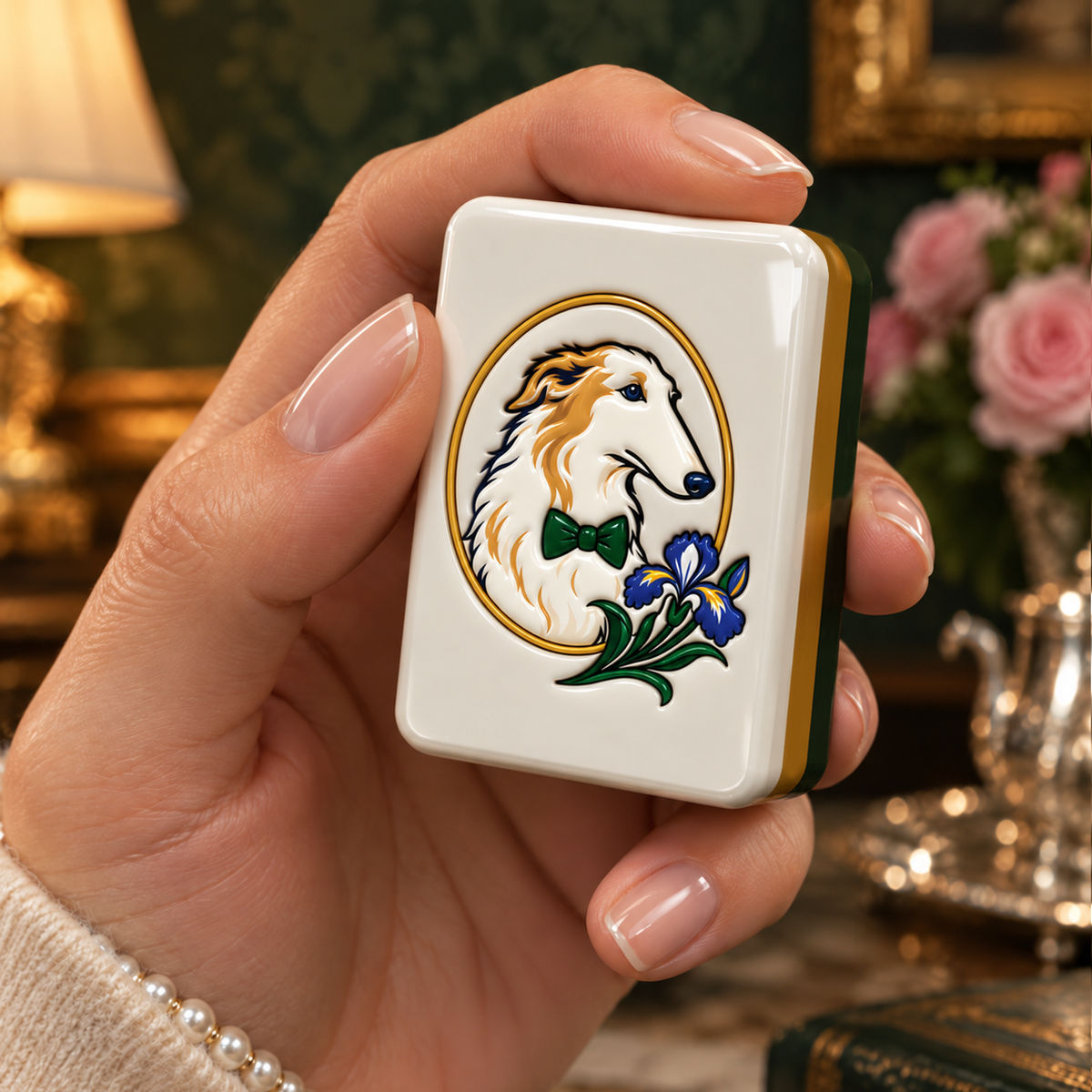
American mahjong tiles are made from acrylic or bamboo-composite plastic; acrylic tends to be heavier and more durable, while bamboo-look plastic is lighter and warmer to touch. Standard American sets contain 152 playing tiles plus 8 jokers, typically weighing between 1.5 and 3 pounds total depending on material and thickness. Heavier tiles (acrylic, thicker) offer better shuffle resistance, slower tile-draw momentum, and longer play life; lighter tiles (bamboo composite, thinner) are easier to stack, pack, and manipulate during the Charleston. We recommend acrylic sets for serious players and weekly hosts; bamboo-composite for travel or casual play. At Mahstead, our engraved acrylic sets are precision-cut for consistent feel and weight per tile, letting you focus on strategy rather than tile behavior. The real cost difference between materials isn't price—it's how tiles feel after 50 hands, whether they'll crack after a decade, and whether your racks can comfortably hold a full hand.
Plastic mahjong tiles are made from acrylic or bamboo-composite plastic; acrylic tends to be heavier and more durable, while bamboo-look plastic is lighter and warmer to touch. Standard American sets contain 152 playing tiles plus 8 jokers, typically weighing between 1.5 and 3 pounds total depending on material and thickness. Heavier tiles (acrylic, thicker) offer better shuffle resistance, slower tile-draw momentum, and longer play life; lighter tiles (bamboo composite, thinner) are easier to stack, pack, and manipulate during the Charleston. We recommend acrylic sets for serious players and weekly hosts; bamboo-composite for travel or casual play. At Mahstead, our engraved acrylic sets are precision-cut for consistent feel and weight per tile, letting you focus on strategy rather than tile behavior. The real cost difference between materials isn't price—it's how tiles feel after 50 hands, whether they'll crack after a decade, and whether your racks can comfortably hold a full hand.
How do I know if tiles are too light or too heavy?
Light tiles are thin, easy to flip, and stack quietly; they'll slip during rapid shuffles or humid play. Heavy tiles feel solid when drawn, resist accidental knocks mid-game, and stay where you place them. Test by drawing one tile: if your finger slides off easily, it's light. Pick up a full hand (14 tiles): if your wrist tires after 30 seconds, they're heavy. We prefer a middle ground—substantial enough to feel intentional, light enough to handle for a full evening without strain.

What's the difference between acrylic and bamboo-composite plastic tiles?
Acrylic tiles are cast resin, molded under pressure, and typically 3–5mm thick; they're denser, more translucent, and chip-resistant. Bamboo-composite tiles are surface-printed wood-fiber or plastic blends, usually 2–3mm thick; they feel warmer, look more traditional, and absorb humidity. Acrylic tiles last 10+ years with weekly play; bamboo-composite tiles may warp or fade after 3–5 years in humid climates. Acrylic is heavier per tile (roughly 2–3 grams each); bamboo-composite averages 1–2 grams. Choose acrylic if you play year-round; bamboo-composite if you host monthly casual games.
Why does tile weight matter during the Charleston shuffle?
The Charleston is a rapid three-stage tile-passing ritual before hand play begins; light tiles slide easily and move predictably, while heavy tiles require more deliberate hand motion and tire your hand faster. If tiles are too light, players accidentally knock stacks during the shuffle, resetting the draw. If too heavy, the ritual slows down and fatigue builds before the first hand is dealt. Ideal tiles let you push 12–14 tiles sideways in one smooth motion without conscious effort. We've hosted games where light bamboo-composite tiles turned the Charleston into a 5-minute reset fest; switching to acrylic cut the ritual to 90 seconds.
🀄 Shop best-selling mahjong sets →
How does tile weight affect rack comfort and hand visibility?
Racks with pushers are angled stands that hold your hand at eye level; heavier tiles sink deeper into the rack and press harder on your fingers over two hours. Light tiles float higher, reducing finger pressure but sacrificing stability when you lean back or reach for a discard. A 152-tile hand (14 tiles drawn) of heavy acrylic weighs roughly 40 grams; light bamboo-composite roughly 20 grams—a difference your hand registers after the second game. Standard racks accommodate both weights equally, but if you have wrist or hand weakness, lighter tiles prevent cramping. If you play fast or live in humid climates, heavier tiles won't warp or slip between your hand and the rack rail.

What does "tile consistency" mean and why should I care?
Tile consistency means each of the 152 tiles weighs, feels, and sounds identical. Poor consistency creates "fast" and "slow" tiles—some draw smoothly from the wall, others stick or drag. When tiles vary, players unconsciously favor lighter ones, creating bias in the draw wall. We've tested sets where the Red Dragon was noticeably heavier than the White (Soap), skewing draws over a full season. Engraved American mahjong sets from Mahstead are precision-molded in acrylic; each tile is weighted identically, so your only variable is skill, not tile luck. Check consistency by drawing tiles blindfolded; if one feels sticky or oversized, that set may have quality issues.
🎁 See our most-loved mahjong sets & accessories →
Material | Weight per tile | Thickness | Feel | Durability | Best for |
Acrylic (cast resin) | 2–3g | 3–5mm | Smooth, intentional | 10+ years | Weekly hosts, serious play |
Bamboo-composite | 1–2g | 2–3mm | Warm, traditional | 3–5 years | Casual monthly games |
Thin plastic (budget) | <1g | <2mm | Hollow, thin | 1–2 years | One-off gifts |
What should I check before buying a plastic mahjong set?
Weight check: Pick up the set. A full 152-tile set should feel substantive but not strain your palm—roughly 2–3 pounds. If it feels light as air, material is thin.
Surface texture: Run your thumb across a tile face. Smooth means well-molded acrylic; rough or pitted means injection-molded plastic or low-grade resin. Rough surfaces trap moisture and dust.
Edge finish: Feel the tile edges. Sharp edges indicate cheap molding; rounded or beveled edges mean precision manufacturing. Sharp edges wear your hands over 50 games.
Sound test: Draw one tile across a hard table. Acrylic tiles make a crisp "click"; bamboo-composite makes a duller "thump." Heavy tiles should sound authoritative, not hollow.
Wrist test: Hold 14 tiles in your hand for 30 seconds. If your wrist aches before time's up, tiles are too heavy for you. If your fingers slip, tiles are too light.
Humidity response: Ask the seller whether tiles warp in humid conditions. Acrylic resists humidity; bamboo-composite may swell. If you live in a humid climate (coastal, tropical), acrylic is safer.
Storage tolerance: Do tiles fit snugly in a mahjong bag or case after purchase? Oversize tiles won't fit standard bags. Check tile thickness against bag capacity before checkout.
The Real Angle: Weight vs. Skill Perception
We've noticed a quirk in newer players: lighter tiles feel faster, so players assume they're drawing better hands. Heavier tiles feel authoritative, so the same hand seems more deserved. In reality, the 152-tile wall is identical. But psychology changes how players experience a win. If you're hosting beginners, lighter bamboo-composite tiles make the game feel more accessible and forgiving. If you're a serious league player, acrylic tiles create a consistent, professional feel that lets skill shine. Neither is "correct"—it's about the table culture you're building.
✨ Find your Mahstead set — free US shipping →
Our Pick: Where to Start
Our best-selling mahjong sets span both acrylic and bamboo-composite options; each product page shows material, weight specifications, and customer feedback on feel. If you're unsure, start with an acrylic set—they're forgiving, durable, and reward weekly play. Pair it with a mahjong mat to protect your table surface and racks with pushers to reduce hand strain. If you travel or play casually once a month, bamboo-composite tiles in a travel bag or case are ideal.

FAQ
Are heavier mahjong tiles better for shuffling?
Heavier tiles resist sliding during the shuffle but tire your hand faster. Lighter tiles move smoothly but may slip mid-draw. Most players prefer tiles between 2–3 grams each—heavy enough to feel controlled, light enough for two-hour sessions.
Will plastic tiles warp if I leave them in a humid room?
Acrylic tiles resist humidity and won't warp. Bamboo-composite tiles may swell or fade after months of exposure to >70% humidity. Store all sets in a cool, dry place; use a mahjong bag or case with a silica packet in humid climates.
Can I mix tiles from two different sets?
Never. Different sets vary in weight, thickness, and tile size; mixing creates inconsistent draws and frustration. Keep sets separate, even if they look identical.
How do I know if my tiles are wearing out?
Check edges for chips or hairline cracks after 100+ hours of play. Acrylic tiles chip cleanly; bamboo-composite tiles splinter. If tiles are noticeably lighter or feel thin compared to new ones, manufacturing quality may have shifted between production runs.
Should I buy heavier or lighter tiles for beginners?
Lighter tiles (bamboo-composite) are more forgiving for new players; they're less tiring, feel less intimidating, and encourage faster play. After 20 games, upgrade to acrylic if you continue regularly.
Do engraved tiles (with custom text or logos) weigh the same as plain tiles?
Yes. Engraving removes a thin surface layer but doesn't change base tile weight. At Mahstead, our engraved acrylic sets are weighted identically to plain sets.
Can I test tile weight before buying online?
Request the product's weight specification (per tile or per full set) from the seller. Compare to our best-selling collection specs, which list material and dimensions for each design. Weight ≥3 pounds usually means acrylic; <2 pounds usually means bamboo-composite.


View More
View More
View More
