
Pink Mahjong Mat: Best Options for Your Game Night
Last updated: Nov 23, 2026
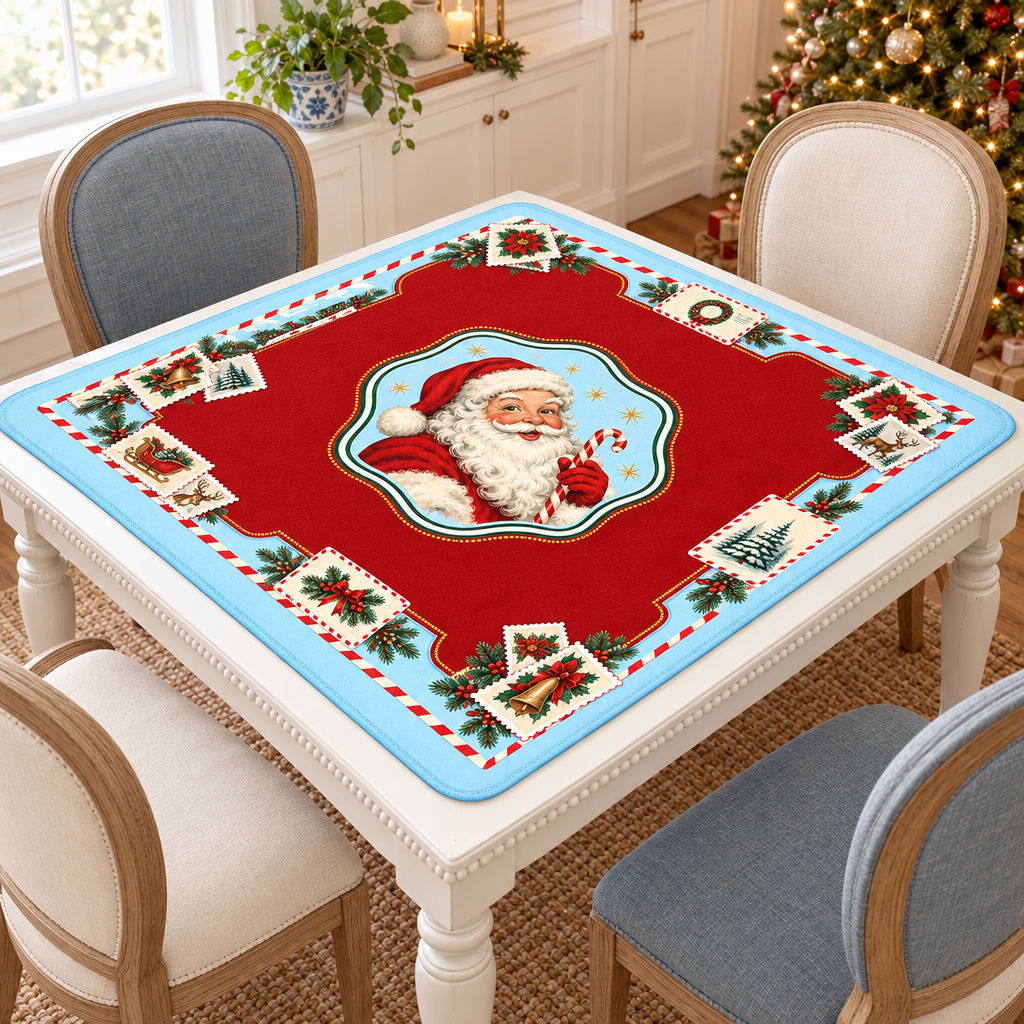
Pink mahjong mats range from soft blush pastels to bold hot pink, with sizes typically 27–36 inches square to fit standard tables. Most are made from neoprene, velvet, or quilted cotton with a non-slip base, keeping tiles visible and preventing accidental slides. Our mahjong mats collection includes solid pink designs and blended palettes that complement wood, modern, or themed décors. A mat costs significantly less than a replacement set but outlasts years of weekly games when you choose quality construction. Check the pile height (too plush hides tile indents; too thin slides easily), measure your table edge-to-edge, and confirm the non-slip backing matches your table finish before ordering—pink dyes can vary in saturation batch to batch.
What Size Pink Mat Do You Actually Need?
Most players think bigger is better—it isn't. A mat that overhangs your table by more than 2–3 inches collects lint, wrinkles at edges, and makes the racks with pushers harder to brace. Measure your playing surface end-to-end and side-to-side; a standard 36-inch mat fits a 48–54-inch round or square table without crowding. If your table is 42 inches, a 30-inch mat leaves 6 inches of bare wood showing—acceptable but less cushion for tile noise. The 27-inch mat works best for compact groups or two-player practice. Confirm your table's actual dimensions before ordering; estimate, not assumption, prevents returns.
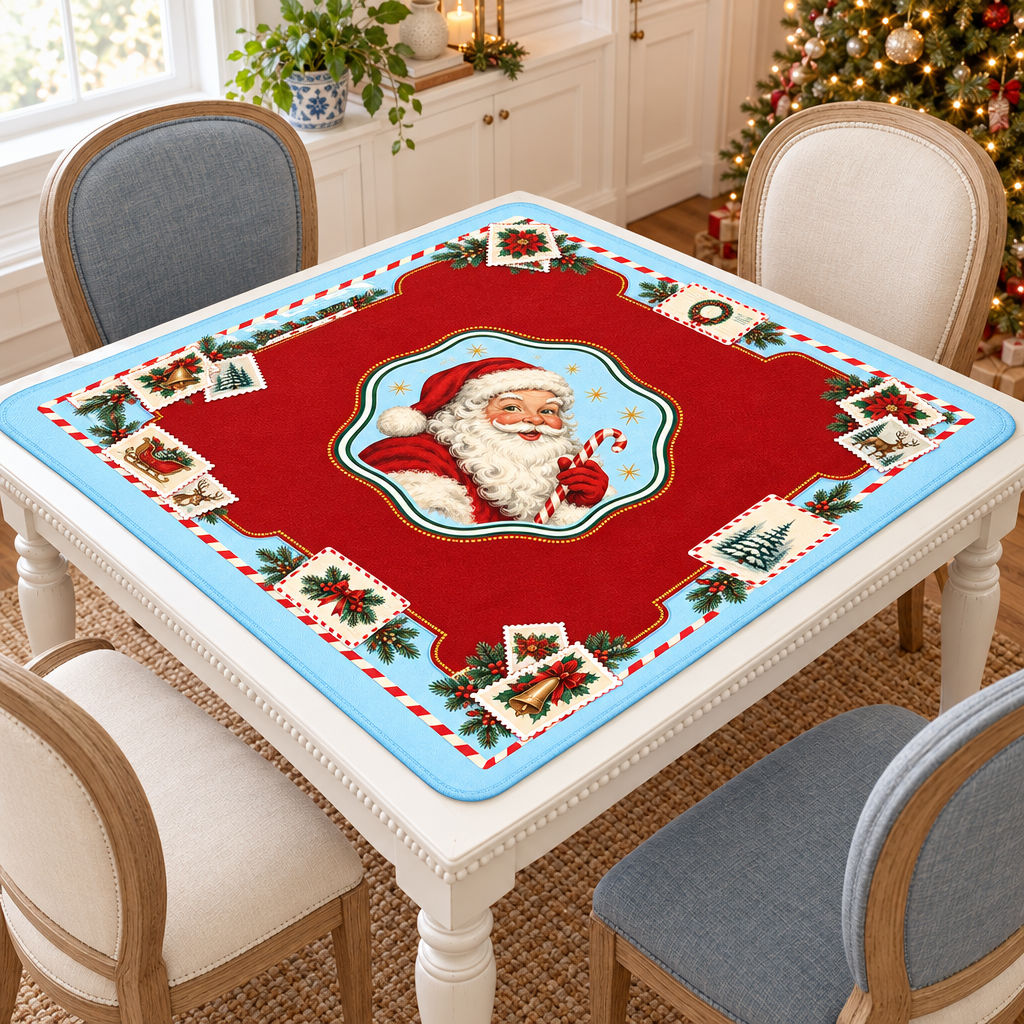
Solid Pink vs. Blended Patterns—Which Works for Your Game?
Solid pink appeals to players who want visual calm and color psychology—pink's muted warmth reduces eye strain during long sessions. A blended design (pink with cream, white, or gold accents) hides dust and small stains better than a true solid, making it practical for weekly hosting. Patterned options let you inject personality without clashing with décor; some groups treat their mat as a table signature. Solid pink requires light spot-cleaning after each game. Patterned mats mask crumbs and chalk marks until you're ready to deep-clean monthly. Choose solid if you host in a pristine space and love minimalism; choose blended if your table sees regular use and you'd rather not fuss between games.
Neoprene vs. Velvet vs. Quilted Cotton: Material Comparison
Material | Best for | Feel | Non-slip | Cleaning | Durability |
Neoprene | Frequent games, travel | Cool, rubbery | Excellent | Wipe-down | Very high; resists stains |
Velvet | Home aesthetics, display | Plush, luxe | Moderate | Brush/vacuum | Medium; shows wear patterns |
Quilted cotton | Comfort, casual groups | Soft, traditional | Good | Machine wash gentle | High; softens with age |
Neoprene is the workhorse: water-resistant, slip-proof, and forgiving on tiles. Velvet feels premium but requires care—it shows brush strokes, pilling, and fading if exposed to direct sunlight. Quilted cotton offers comfort and that classic mahjong-night vibe but needs more frequent maintenance. If you play weekly, neoprene outlasts the others without compromise. If you host monthly social games and want beauty over durability, velvet suits a pink aesthetic. Quilted cotton splits the difference: affordable, washable, and long-lasting for casual groups.
What Color Pink Actually Coordinates With Your Set?
Here's what we see in our weekly games: a pale blush pink disappears under acrylic tiles and looks washed out in fluorescent light. A medium pink (think ballet slipper to rose quartz) balances tiles and table without screaming for attention. Hot pink reads well on video calls if you stream games, but it can overwhelm warm wood tables. If your best-selling mahjong sets feature jade-green acrylic or bamboo racks, a soft-to-medium pink is neutral enough to let the tiles shine. If you have engraved or themed tiles with gold or silver trim, try a pink with a warm undertone rather than cool gray-pink. Hold a tile sample or photo near your mat before deciding; what looks right online often surprises you in person.
🀄 Shop best-selling mahjong sets →
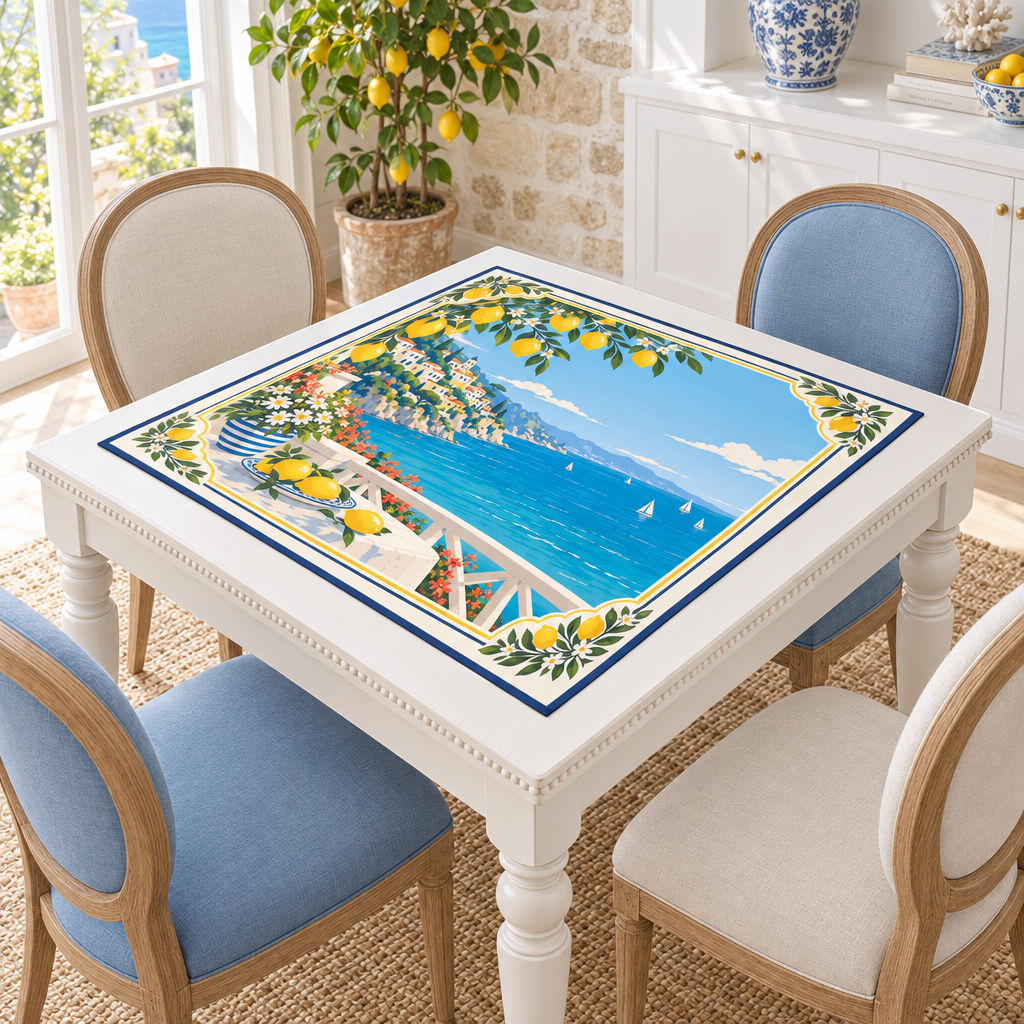
How to Protect Your Pink Mat (And Keep It Looking New)
A pink mat fades and stains if you ignore one simple habit: wipe tiles dry before play. Water from humid hands transfers to the mat's surface, causing mildew on velvet and discoloration on lighter pinks. Neoprene resists this, but cotton and velvet absorb moisture. Keep the mat rolled or flat—never bunched—when stored; creasing permanent-sets within weeks. Rotate it quarterly so wear distributes evenly. If you use mahjong bags and cases for transport, keep the mat separate (rolling inside a case traps moisture). Spot-clean with a barely damp cloth and air-dry flat. For quilted cotton, gentle machine wash on cold every 3–4 months works; neoprene and velvet should be surface-cleaned only. A mat that stays dry and flat can serve the same group for 5–7 years of weekly play.
🎁 See our most-loved mahjong sets & accessories →
Should You Match Your Mat to Your Tiles or Your Table?
Most players match the mat to the tiles first, table second. Here's why: your eyes spend the entire game on tiles resting on the mat. A mat that clashes visually distracts; a mat that harmonizes lets focus land on hand-reading and strategy. If your tiles are classic ivory acrylic, a warm pink works. If tiles have jade or turquoise accents, a cooler blush pink prevents visual tension. Wood tables are forgiving—they work with almost any pink—so prioritize tile complement. One exception: if your table is rare or vintage, you might choose a mat to protect its finish rather than match it, accepting that the visual priority shifts to the mat itself. Discuss this with your group during your first setup; consensus matters more than perfection.
Pink Mat Thickness: What "Plush" Actually Means
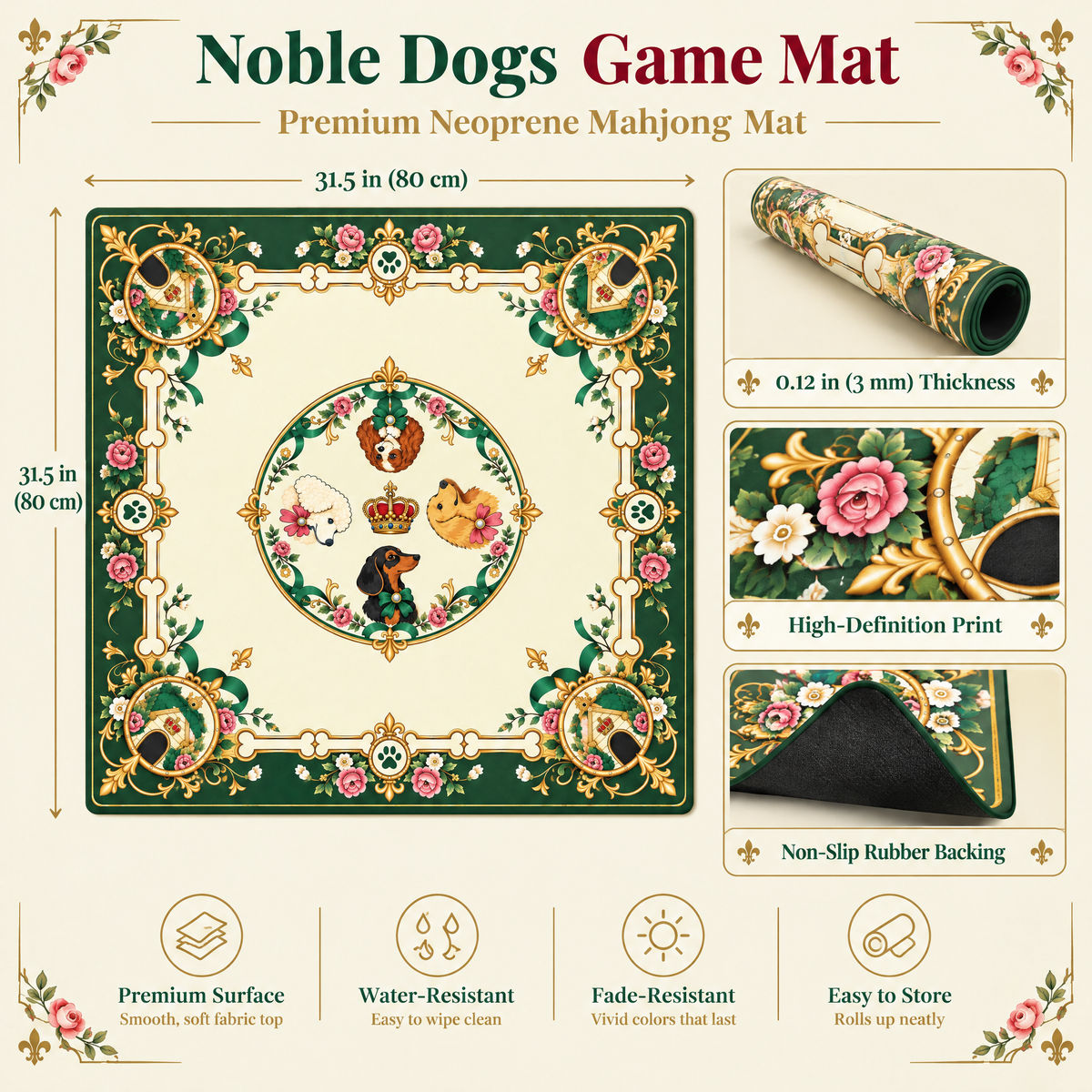
A thick mat (⅜ inch or more) feels luxurious but can hide tile details, making it harder to spot cracks or chip edges during discards. A thin mat (¼ inch) shows tile wear but may slide if your non-slip backing wears. Aim for 5/16 to ⅜ inches: thick enough to dampen tile clack (reducing fatigue during 3–4-hour sessions) but thin enough that your eyes register tile condition. Neoprene at ⅜ inch is firmer than velvet at the same thickness because of its density. If you've never owned a mat, try the mid-range first; you can always upgrade. Our mahjong mats collection lists thickness specs so you know before ordering—no surprises on arrival.
✨ Find your Mahstead set — free US shipping →
Pink Mat Checklist Before You Buy
Measure your table (width, length, or diameter if round) and add 3 inches max for overhang.
Choose material: neoprene for durability, quilted cotton for comfort, velvet for looks.
Confirm color undertone (warm vs. cool) matches your tile palette.
Check thickness (aim for 5/16–⅜ inch).
Verify non-slip backing is compatible with your table finish (rubber on wax, silicone on varnish).
Read care instructions before committing (some materials require dry-clean only).
Confirm return policy in case pink dye saturation differs from photos.
FAQ
Does pink fade in sunlight?
Yes—all dyes fade with UV exposure. Store your mat rolled or folded away from windows, or use it on tables away from direct sun during the day. Neoprene resists fading better than cotton or velvet.
Can I wash a pink mahjong mat in a washing machine?
Only quilted cotton mats can tolerate gentle cold wash; velvet and neoprene should be surface-cleaned with a damp cloth and air-dried flat. Check the care tag on your mat before attempting any wash.
Will a pink mat stain if tiles are wet?
Yes. Wet tiles transfer dye and moisture to the mat. Dry all tiles and player hands before play begins, especially in humid climates or after humid-weather storage.
What's the difference between a mat and a table cover?
A mat (27–36 inches) covers the center playing surface; a table cover (typically larger) drapes the entire table. For mahjong, a mat is standard—it protects tiles without obscuring them. See our mat vs. table cover guide for detailed comparison.
How often do I need to replace a pink mahjong mat?
A well-maintained mat lasts 5–7 years with weekly play. Replace it sooner if the non-slip backing degrades (mat slides), pile matts completely, or stains won't come out. Store flat or rolled, not bunched, and rotate quarterly for even wear.
Do I need a mat if I play on a felt pool table?
Yes. Felt shifts under tile movement and attracts lint from tiles. A mat keeps tiles stable and your game organized. Pink is especially striking on green felt.


View More
View More
View More
