
Malaysian vs. Wright-Patterson Mahjong: Key Rules & Differences
Last updated: Nov 23, 2026
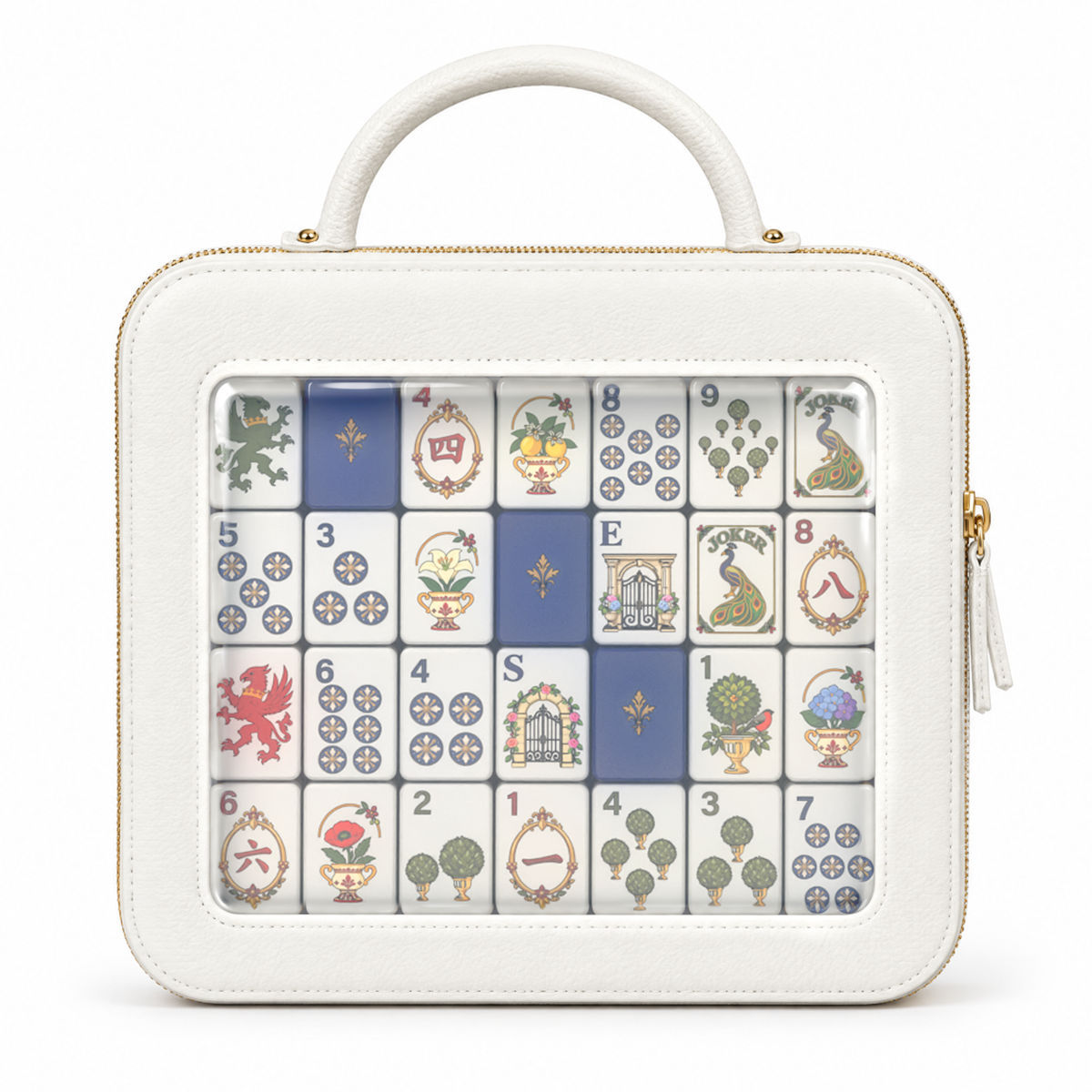
Malaysian mahjong and Wright-Patterson mahjong are two separate regional variants, each with unique hand-building rules and scoring that set them apart from American mahjong—the variant most players in the US encounter. Malaysian mahjong emphasizes specific melds (pungs, kongs, chows) and allows sequences that American mahjong prohibits; it uses a 152-tile set but applies different flower and season tiles to gameplay. Wright-Patterson mahjong is a lesser-known military community variant that adapted standard rules for smaller player pools and faster play. Neither uses the National Mah Jongg League card that American players consult; both require learning their own hand-pattern books. If you host American mahjong games, these variants are off-board—but understanding them helps you explain mahjong's range to curious newcomers.
What makes Malaysian mahjong different from American rules?
Malaysian mahjong allows chows—sequences of consecutive numbers—as exposed melds, something American mahjong strictly forbids. Players can also call and expose chows during play, making hand-building faster and more interactive. American mahjong limits exposed groups to identical pungs (3 tiles), kongs (4), quints (5), and sextets (6); chows must stay hidden in your hand. Malaysian sets use 152 tiles like American sets, but the flower and season tiles function differently in hand composition. Most critically, Malaysian players don't reference a single annual card; they learn region-specific hand lists or use older pattern books. If you've played American mahjong, switching to Malaysian requires unlearning the no-chow rule—it feels like learning a new game.

How does Wright-Patterson mahjong fit into the larger picture?
Wright-Patterson mahjong emerged in the mid-20th century at the U.S. Air Force base near Dayton, Ohio, as a pragmatic adaptation for officers and their families. The variant was designed to work with standard American mahjong equipment but streamlined rules for irregular group sizes—2, 3, or 4 players—rather than the traditional 4-player format. It retained many American rule bones (no chows, pungs and kongs) but simplified hand patterns and scoring to speed up play sessions. Wright-Patterson remains largely regional; few players outside military circles encounter it today. Its historical interest lies in showing how mahjong communities adapt the game to their constraints—much like 2 and 3 player mahjong rules do for smaller groups today.
What's the core difference in how winning hands are built?
In American mahjong, winning hands come exclusively from the current-year National Mah Jongg League card—a single reference document that lists legal patterns. Each hand on the card specifies exact tile combinations, limits on jokers, and required melds. Malaysian mahjong has no centralized card; instead, hands follow classical pattern hierarchies (like "all pungs," "mixed suit runs," "clean honors") that vary by region and era. Wright-Patterson simplified further, often limiting hands to basic melds without the detailed sub-patterns American players master. This means an American player with a current-year card can verify a hand instantly; a Malaysian player relies on memorized patterns or a local book. If you play American mahjong regularly, the loss of a single authority card would feel disorienting—suddenly, disputes over hand validity require consensus or a referee, not a card lookup.
Why don't these variants use American joker rules?
Malaysian mahjong treats jokers (or "wild tiles") more liberally than American rules allow. American mahjong forbids jokers in single-tile melds, in pairs, or across multiple groups—they fill gaps only in already-valid pungs, kongs, quints, and sextets. Malaysian jokers can substitute for missing tiles more fluidly, enabling looser, faster hand completion. Wright-Patterson typically followed American joker discipline but applied it to simpler hand structures, so the constraint mattered less. The philosophical difference: American mahjong treats jokers as rare, powerful substitutes that require strict accounting; Malaysian mahjong treats them as utility tools. This affects strategy; in American games, holding a joker is a calculated decision, whereas in Malaysian play, joker use is more tactical and continuous.

How do you decide which variant to learn or teach?
Decision framework:
Variant | Best for | Learning curve | Equipment needed | Rule reference |
American | US home groups, leagues | Medium (card + melds) | Standard 152-tile set, annual card | Current NMJL card |
Malaysian | International play, chow practice | Medium (patterns, chows allowed) | 152-tile set, region-specific book | Local pattern book |
Wright-Patterson | Military communities, casual 2–4 players | Low (simplified melds) | Standard set | Community guide or elder |
Choose American if you want access to nationwide tournaments, regular game nights at clubs, and a stable rule standard that doesn't change between tables. Choose Malaysian if you're connecting with Asian players or exploring how other cultures developed mahjong strategy—chows introduce a faster, more puzzle-like dynamic. Wright-Patterson appeals mainly to players in or connected to those military communities; it's rarely taught outside them. If you're hosting a weekly game in Dallas or anywhere in the US, American mahjong is the practical standard—players are likeliest to know it, and buying a best-selling set paired with the current NMJL card gets you playing the same game as thousands of other American groups.
🀄 Shop best-selling mahjong sets →
What gear differences matter when switching variants?
All three variants use a 152-tile set as their core playfield (American = 152 tiles + 8 jokers; the standard). Tile size, material, and seat equipment (racks, mats, pushers) don't change meaningfully between variants—they're designed for standard tiles. However, what does change is the reference material: American players need a current-year National Mah Jongg League card at the table; Malaysian players need a hand-pattern book; Wright-Patterson players typically rely on a shared house guide. If you're hosting and want to support multiple variants, keep a best-selling set on hand (universal for all three), but stock variant-specific cards or books separately—don't assume one set's rules apply everywhere. Mahjong racks with pushers and mats work identically across variants; the real difference is the rulebook you bring to the table.
What to check before you buy or teach a variant
Confirm which variant your players already know. If three people know American and one knows Malaysian, American wins—majority rule keeps the evening moving.
Get the current reference card or book before the first session. Don't rely on memory or YouTube tutorials; having the official source at the table prevents arguments and speeds disputes.
Use a standard 152-tile set. Variant-specific equipment (beyond the reference card) doesn't exist; what changes is software (rules), not hardware (tiles).
Play one variant per session. Mixing mid-game confuses everyone; commit to a variant for the full night.
Choose American if you're building a new group. It's the most widely known in the US and the easiest to find lessons, clubs, and cards for.
🎁 See our most-loved mahjong sets & accessories →

FAQ
Can I use the same tiles for American, Malaysian, and Wright-Patterson mahjong?
Yes. All three variants use a standard 152-tile set. What differs is the rulebook, hand patterns, and scoring—not the tiles themselves. Buy one quality set and switch rule systems by changing your reference card or guide.
Is Wright-Patterson mahjong still played outside military communities?
Rarely. It was designed for mid-20th-century Air Force base leisure and hasn't spread widely. Most new players encounter American or Chinese variants. If you're not connected to that community, it's unlikely to come up in home games.
Do Malaysian and American mahjong use the same joker rules?
No. American mahjong severely restricts jokers—no singles, no pairs, limited placement. Malaysian mahjong allows more flexible joker substitution. This makes Malaysian games feel looser and faster, while American games reward careful joker strategy.
Which variant is easiest to teach a beginner?
American mahjong is most teachable in the US because the National Mah Jongg League card is widely available and standardized. You can hand someone the card and say "these are the legal hands this year." Malaysian and Wright-Patterson require learning pattern names or a house rulebook first.
Where can I find a Malaysian or Wright-Patterson mahjong rule guide?
Malaysian guides are available through international mahjong associations, online communities, and regional Asian American centers. Wright-Patterson rules survive mostly in family or military circles—contact veterans' groups or military recreation departments if you're seeking them. American rules are easiest: buy the annual NMJL card from any mahjong supplier.
What happens if I teach American mahjong but use Malaysian-style chows?
You'll break the game. American mahjong explicitly forbids exposed chows and doesn't score them. Allowing them changes hand frequencies, melds, and winning odds—suddenly hands everyone was avoiding become valid. Stick to one ruleset per session to keep the math and strategy consistent. ✨ Find your Mahstead set — free US shipping →


View More
View More
View More
