
What to Look for in Mahjong Racks: A Buyer's Guide
Last updated: Nov 23, 2026
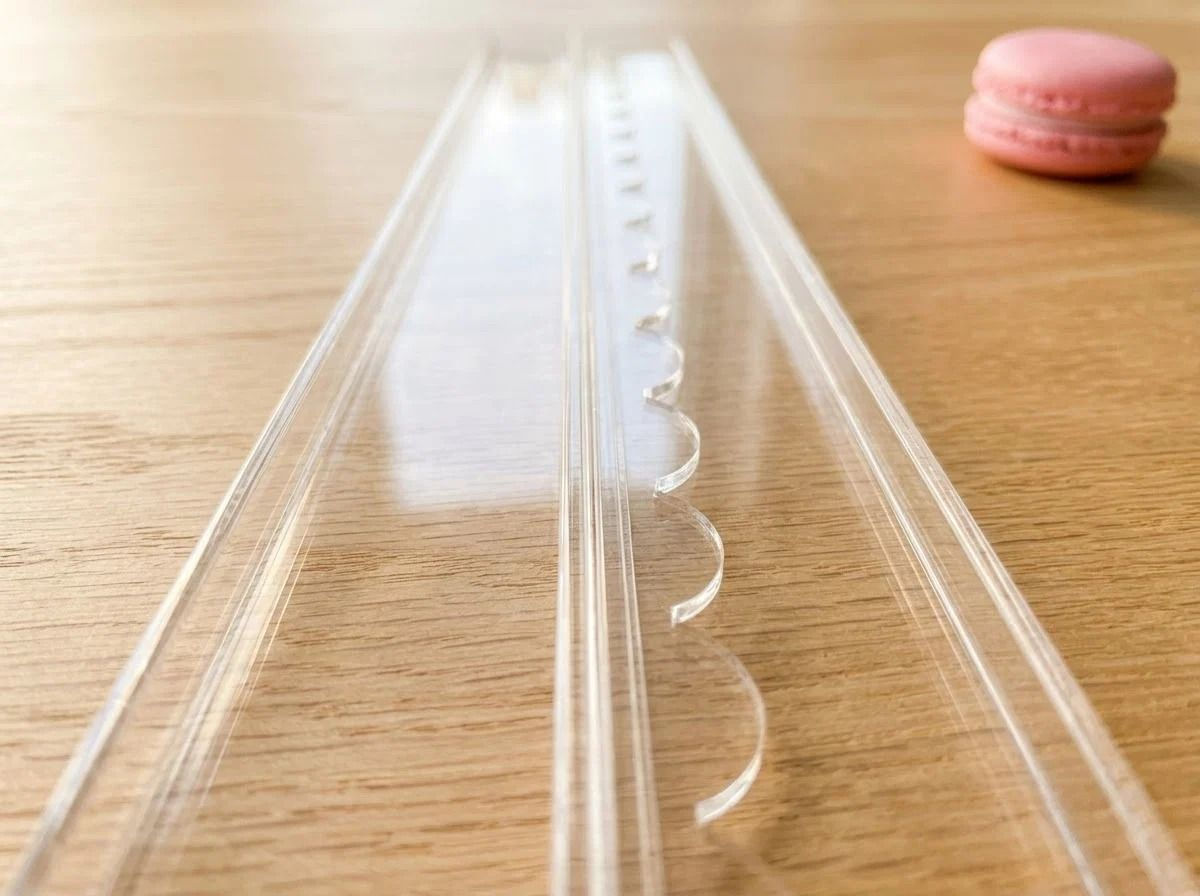
A mahjong rack is a angled holder that displays your tiles face-down during play, keeping them hidden from other players and your hand organized. American mahjong racks come in bamboo, acrylic, or wood, typically 10–12 inches wide, and hold 13–14 tiles per player (the standard hand size). Some racks include pushers—small tools that slide tiles forward as you draw or discard, reducing fumbling and speeding play. Quality matters: cheap racks warp, split bamboo, or leave tiles visible to opponents. Mahstead offers racks designed specifically for American play, with pushers calibrated for standard tile thickness. Cost varies by material and finish; the best-selling mahjong sets often bundle racks for consistency. Most players choose a rack set for all four players to keep the game balanced and comfortable.
Why do some racks have pushers and others don't?
Pushers are small sliding tools that move tiles forward one at a time as you draw or discard. Without pushers, you manually lift tiles, which slows play and can accidentally expose your hand. Pushers save seconds per turn, reduce mistakes, and keep the game flowing—essential for serious players. Casual players often skip them; competitive groups and weekly hosts rarely do. Pushers work best on smooth acrylic or varnished wood; bamboo racks sometimes grip tiles unevenly, making pushers less effective.
How do you choose between bamboo, acrylic, and wood racks?
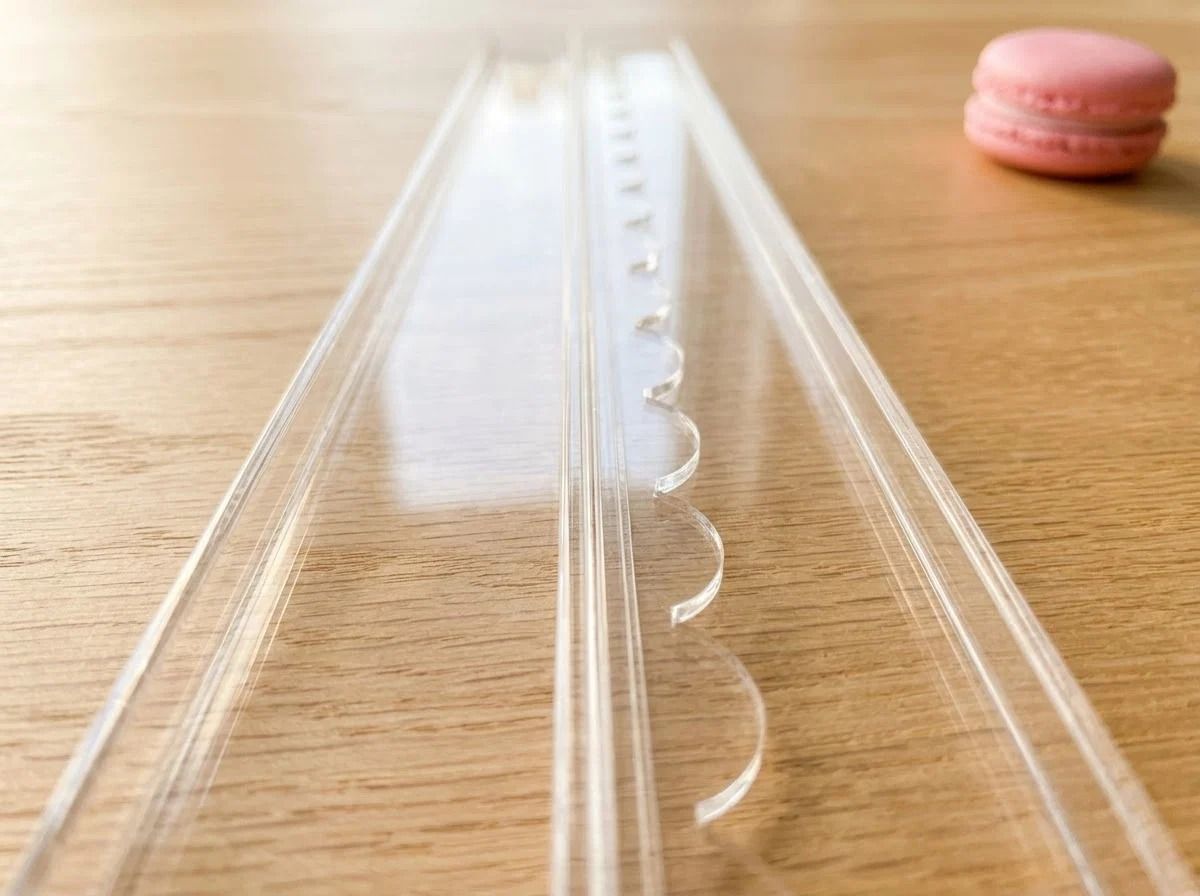
Bamboo: lightweight, affordable, traditional feel, but can split or warp with humidity and age. Best for casual play or travel. Acrylic: durable, non-porous, won't warp, and can be engraved with custom designs or jokes. Lasts 10+ years with normal care. Recommended for weekly games and gifts. Wood: premium look, stable, but heavier and requires occasional oiling to prevent drying. Suits formal or display settings. Choose bamboo if you move your set often or play outdoors; acrylic if you host the same game weekly; wood if you want a showpiece.
What size and angle do you actually need?
Standard racks are 10–12 inches wide and hold 13–14 tiles standing face-down at a 45–60-degree angle. Angle matters: too shallow and tiles show to opponents; too steep and tiles fall forward during the draw. Check the tilt—most quality racks sit stable on a flat table without rocking. Measure your table depth: if your playing surface is narrow (under 24 inches), choose shorter racks (9–10 inches) to keep tiles from overhanging. Taller racks (over 14 inches) suit large hands or players who prefer maximum privacy; they're heavier to transport. Most players find 11–12 inches the sweet spot.
Rack Type | Best For | Durability | Angle Stability | Pusher Fit |
Bamboo | Casual, travel | 3–5 years | Fair (can warp) | Poor–Fair |
Acrylic plain | Weekly games | 10+ years | Excellent | Excellent |
Acrylic engraved | Gifts, clubs | 10+ years | Excellent | Excellent |
Wood varnished | Display, formal | 8–12 years | Good–Excellent | Good |

What common mistakes do new buyers make?
Buying mismatched racks: four different brands or heights throws off the game feel and looks unprofessional. Buy a set of four identical racks. Ignoring tile thickness: racks designed for thinner tiles (1/4 inch or less) won't grip thick acrylic tiles (3/8 inch+) securely; tiles slip or tilt. Check the tile thickness of your set. Choosing flimsy bamboo: ultra-cheap bamboo warps within a season and can crack near the seams. Spend a bit more on racks with reinforced joints. Skipping pushers: if you host weekly games, pushers pay for themselves in saved time and reduced hand-exposure errors. Not testing the angle: if you have a rack already, tilt it at home before buying four more; an angle too shallow means players can glimpse your tiles from across the table.
How do you keep racks in good condition?
Bamboo: keep out of direct sunlight and humid basements; wipe dry after play; store flat in a dry closet. Acrylic: wipe with a soft cloth; avoid harsh cleaners that dull the finish; store in a padded bag to prevent scratches. Wood: dust lightly; every 6–12 months, apply a thin coat of furniture oil to prevent cracking; store indoors. All: never leave racks in a hot car or near a heater; thermal stress warps or discolors them. If you buy mahjong bags and cases, store your racks inside to protect them between games.
🀄 Shop best-selling mahjong sets →
What to check before you buy
Material & finish: confirm the product page lists bamboo, acrylic (plain or engraved), or wood. Engraved acrylic racks from Mahstead can feature custom titles, jokes, or club names—popular for gift sets and regular game groups.
Tilt angle: if possible, view a photo or video showing the rack at rest. Aim for 45–60 degrees; anything flatter risks exposure, anything steeper may spill tiles.
Tile grip: check the product description for compatibility with your tile size. Standard American tiles (3/8 inch thick acrylic or ceramic) fit most quality racks; thin tiles may need narrower-profile racks.
Pusher quality: if the listing mentions pushers, confirm they're included (not sold separately) and made of smooth acrylic or wood, not flimsy plastic that breaks. Pushers should slide freely without snagging.
Quantity & matching: buy four racks at once to ensure they match in color, height, and feel. Mismatched racks make the game feel unbalanced and can frustrate regular players.
Care instructions: look for assembly requirements and materials. Most racks arrive ready to use; check if bamboo or wood requires any finish work before first use.
Shipping & damage: racks ship in foam or padded packaging. Acrylic racks rarely arrive damaged; bamboo is more fragile. If a rack arrives cracked or warped, report it immediately—replacements are typically sent without argument.
✨ Find your mahjong racks with pushers →
Most weekly game hosts invest in a complete set of mahjong racks with pushers once and keep them for years. If you're just starting, borrow a set for two or three games to see if pushers suit your style; many casual groups play fine without them. Paired with a quality mat and a best-selling American mahjong set, a good rack set rounds out a game that runs smoothly and feels intentional, not makeshift.
🎁 See our most-loved mahjong sets & accessories →

FAQ
Can I use acrylic racks with bamboo tiles, or vice versa?
Yes. The rack material doesn't depend on the tile material—what matters is tile thickness (typically 3/8 inch for standard American tiles) and the rack's interior width. Check the product specs; most quality racks fit standard tiles regardless of tile material.
Do pushers come with all racks or do you buy them separately?
Most Mahstead racks that include pushers list them in the product title or description—"racks with pushers." Plain racks without pushers are also available. Always confirm the listing before ordering; pushers are rarely sold separately and adding them after purchase is difficult.
How do I know if a rack's angle is right without seeing it in person?
Look for product photos or videos showing the rack tilted on a flat surface. A safe angle is 45–60 degrees; anything under 40 degrees exposes your hand, anything over 70 degrees risks tiles sliding forward. If unsure, start with acrylic racks from Mahstead—the angle is engineered for standard play.
Can racks be stacked or stored flat without damage?
Bamboo and wood racks should be stored flat or at rest in a cool, dry place—stacking risks warping the wood grain. Acrylic racks can be stacked carefully if padded between each one. For protection, use a padded mahjong travel bag or case between games.
What's the lifespan of a typical rack?
Bamboo racks last 3–5 years with regular use; wood racks 8–12 years; acrylic racks 10+ years. Lifespan depends on storage conditions, humidity, and how often the racks are moved. Acrylic racks from Mahstead, if kept dry and stored indoors, often outlast a decade of weekly play.
Should I buy engraved acrylic racks, or are plain racks just as good?
Plain and engraved acrylic racks perform identically—the engraving is purely cosmetic. Choose engraved racks if you host a permanent weekly game and want to personalize the set, or if you're gifting racks to a club. For casual play, plain racks save cost and serve the same purpose.


View More
View More
View More
