
Open Mahjong Play in Madison: Where & How to Join Games
Last updated: Nov 23, 2026
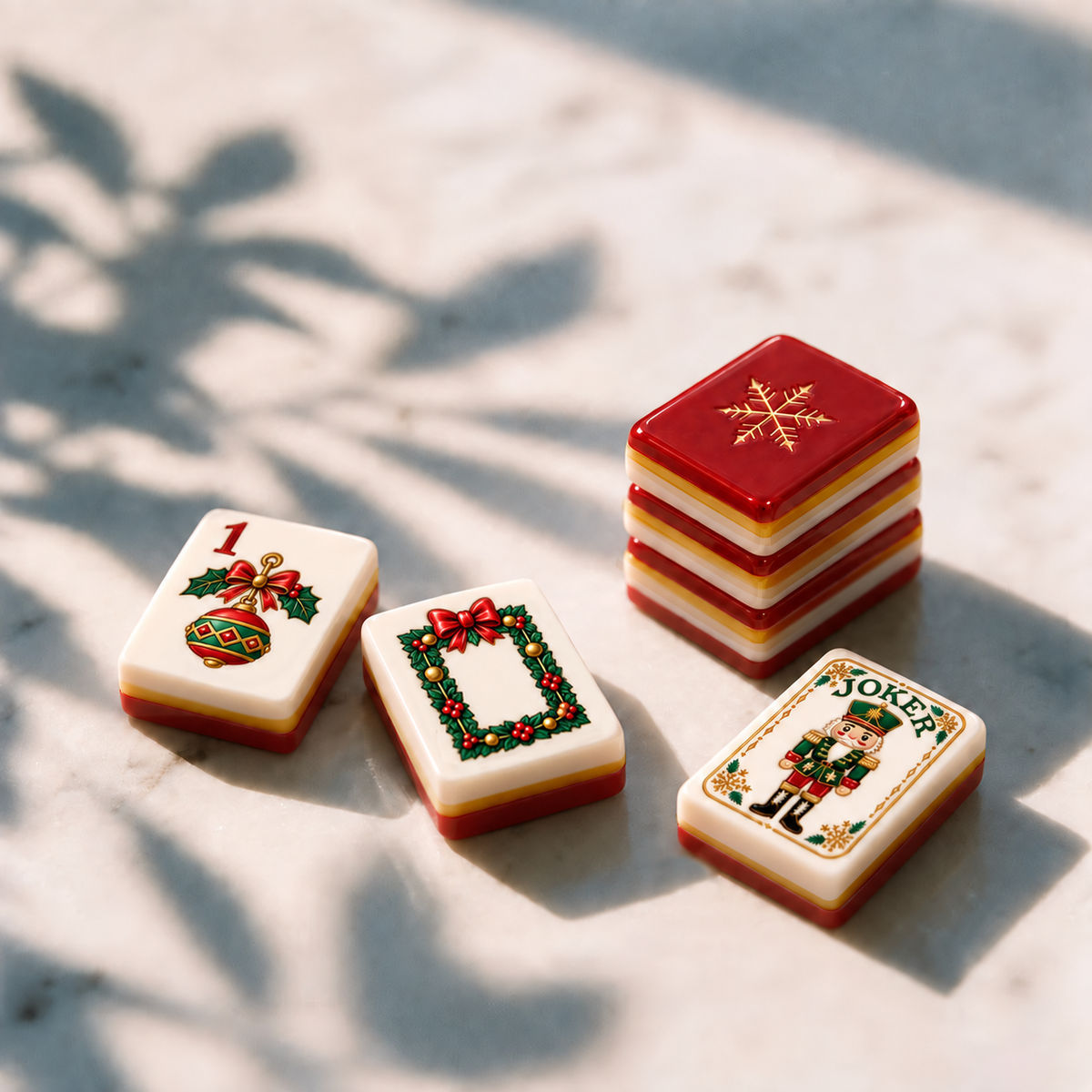
Open mahjong in Madison happens at public libraries (ask the events desk), Dane County Parks & Recreation community centers, local synagogues (many host weekly mahjong nights), and country clubs with game rooms—start by calling ahead or checking bulletin boards. Most open games follow American mahjong rules and meet weekly or biweekly; a typical game lasts 2–4 hours. You'll need a 160-tile American set if you're hosting, though most venues and home groups provide tiles. New players are generally welcome, especially if you understand the basic Charleston tile-passing ritual and can read the current year's National Mah Jongg League card. Costs vary: some groups charge nothing, others ask small session fees per player. Start by visiting local community centers in person or checking online bulletin boards; ask whether the group plays for stakes or recreation-only.
Where do Madison players gather for open mahjong?
Madison's open mahjong scene centers on three venue types: public spaces, member organizations, and home games. Madison Public Library branches often host or post game schedules; the main library and branch locations sometimes have standing game nights—call ahead. Community centers run by Dane County Parks & Recreation advertise game times on their websites and bulletin boards. Synagogues in the Madison area frequently host weekly mahjong, welcoming non-members; ask at Beth Israel or other local congregations. Country clubs and private club game rooms sometimes permit drop-in play or guest participation. Meetup boards (both online and physical) are reliable: check community bulletin boards at coffee shops, bookstores, and gyms. The honest fact: Madison's open-play scene is active but not heavily advertised, so direct outreach (a phone call or email to a venue) beats a search engine.

What rules and format should I expect?
Nearly all open mahjong in Wisconsin follows American mahjong, the 152-tile variant with hands drawn from the annual National Mah Jongg League card. Each game begins with a Charleston—the tile-passing ritual where you exchange tiles with other players before anyone draws. You cannot make chows (sequences); only pungs (three identical tiles), kongs (four), and longer runs of the same tile are valid. Understanding the Charleston explained is essential before sitting down; it looks chaotic but follows strict rules. Games typically play four-handed, though some groups rotate players or run 2–3 player variants. A full game (four rounds, four players) takes 1.5–2.5 hours; most drop-in settings play until the group has time or runs out of interest. Scoring is quick and table-tested; ask another player to show you the card and walk through one sample hand. Expect friendly correction if you misplay—open games are learning spaces.
🀄 Shop best-selling mahjong sets →
How do I prepare if I'm new?
Before joining an open game, study the basics at home—you don't need to be expert, but familiarity makes the first session less overwhelming. Read how to play American mahjong and the beginner's guide to understand hand patterns, winning conditions, and the joker rule (jokers can substitute for any tile in an exposed set, never as a single or pair). Most groups have an extra set and can lend racks and pushers; arrive 15 minutes early and tell the table lead you're new. They'll walk you through one practice hand. Bring a small notepad to jot hand patterns that confuse you. If you're anxious, watch one game before playing—no one minds. The single best investment: getting comfortable reading the current-year mahjong card at home using a printed copy (any player can show you). Once you can spot a pattern on the card and understand how to form it, you're ready.

What gear should you own if you're hosting?
If you want to host open mahjong at your home, you'll need a complete American mahjong set with all 160 tiles (152 playing tiles plus spares), four racks with pushers to keep tiles organized and hidden from other players' view, a mat to define the play area and protect your table, and dice for determining the starting hand and rotations. A quality set lasts decades and is one of the few non-digital games you can pass down or gift. Engraved sets—personalized with a name, date, or family motto—are becoming common as gifts for players who host regularly. If you'll host outdoors or travel between homes, a sturdy carrying bag protects tiles from dust and damage. Our best-selling collection includes complete sets bundled with mats and racks at reasonable all-in prices; mats alone come in felt or vinyl, and your choice depends on whether you prioritize durability (vinyl) or traditional feel (felt). We offer free shipping across the US, so ordering online is often simpler than finding sets locally.
Hosting Need | Item | Why It Matters | Good For |
Tile Protection | Keeps tiles, racks, dice safe during transport | Games at multiple venues | |
Play Organization | Hides tiles from opponents, organizes your hand | Every player | |
Table Surface | Defines the play area, protects furniture | Home & regular venues | |
Personalization | Custom name, date, or phrase on tiles | Serious hosts, gifts |
🎁 See our most-loved mahjong sets & accessories →
What should you check before joining a group?
Before committing to an open game, clarify four things: Playing stakes. Is this purely social, penny-play only, or higher stakes? Some games charge an ante or play for small dollar amounts; others are free. Ask directly—groups vary widely. Skill level. Are you the only beginner, or is the group welcoming to all levels? Drop in on one game first if possible. Venue policy. Can you come every week, or is attendance sporadic? Some groups expect regular commitment; others are pure drop-in. Tile rules. While nearly all Wisconsin mahjong is American (152 tiles, no chows), confirm no one is playing a variant—it's rare but happens. Ask "Do we use the National Mah Jongg League card?" If yes, you're good. Start small. Play one or two sessions before investing in your own set; borrow or use the house tiles first. Most players in Madison are genuinely welcoming and enjoy teaching; the game itself is forgiving of mistakes—you're learning a skill, not auditioning for a team.
✨ Find your Mahstead set — free US shipping →
What to check before you buy your first set
If you're ready to own a set, make these decisions:
Tile material & durability. Acrylic tiles resist scratches and stains; they're easier to clean than bone or bamboo. A 160-tile set from Mahstead includes all tiles you need—no extras to buy later.
Set size. Standard American sets are all the same size; what differs is the case or bag. Measure your table depth to ensure a mat will fit comfortably.
Carrying needs. If you attend games in different locations, a padded bag is worth the investment; it keeps tiles organized and protected.
Aesthetic. Engraved or plain—both play identically. Choose plain if you're new and may gift the set later; choose engraved if you're hosting regularly and want a personal touch.
Bundle vs. components. Buying a complete set (tiles + rack + mat + case) is often cheaper than buying parts separately. Check our best-selling collection for bundled options that work for most homes.

FAQ
Do I need my own mahjong set to play in an open group?
No. Most open games and venues have house sets available for players. You only need a set if you're hosting regularly or prefer your own tiles. Borrowing first is a smart way to confirm you enjoy the game before spending money.
How often do Madison mahjong groups meet?
Most open groups meet weekly or biweekly on a set day (e.g., Tuesday afternoons or Thursday evenings). Some are more casual and schedule month-to-month. Call ahead or check community center flyers to confirm schedules.
What's the fastest way to find a game near me?
Visit the nearest community center or public library and ask in person; check bulletin boards; call local synagogues and country clubs; search online community boards for "mahjong Madison" or "mahjong group." Direct outreach beats passive searching.
Will I be kicked out if I don't know the rules?
Not at all. Open groups expect newcomers. Arrive early, tell the table lead you're new, and ask for a practice hand. Players enjoy teaching and will correct you gently. Watch one game first if you're nervous.
What's the difference between American mahjong and the version my grandmother played?
American mahjong uses 152 tiles and hands from the annual National Mah Jongg League card; there are no sequences (chows), only sets of three or more identical tiles. Chinese and other variants have different tile counts and rules. Ask your group which version they play—nearly all Madison groups use American.
How much does it cost to play in an open game?
Most community center and library groups charge nothing or a small session fee (covering rent or refreshments). Some home games are free; others charge a small ante or play for pennies. Ask before you join. Stakes vary—always confirm upfront.
Can I play if I only know one or two hand patterns?
Yes, absolutely. You'll learn by watching and asking questions. Keep the current-year mahjong card handy and ask other players to point out patterns. Most learning happens in your first three to five sessions of actual play.


View More
View More
View More
