
Green Mahjong Rack Bag: What to Pack & How to Choose
Last updated: Nov 23, 2026
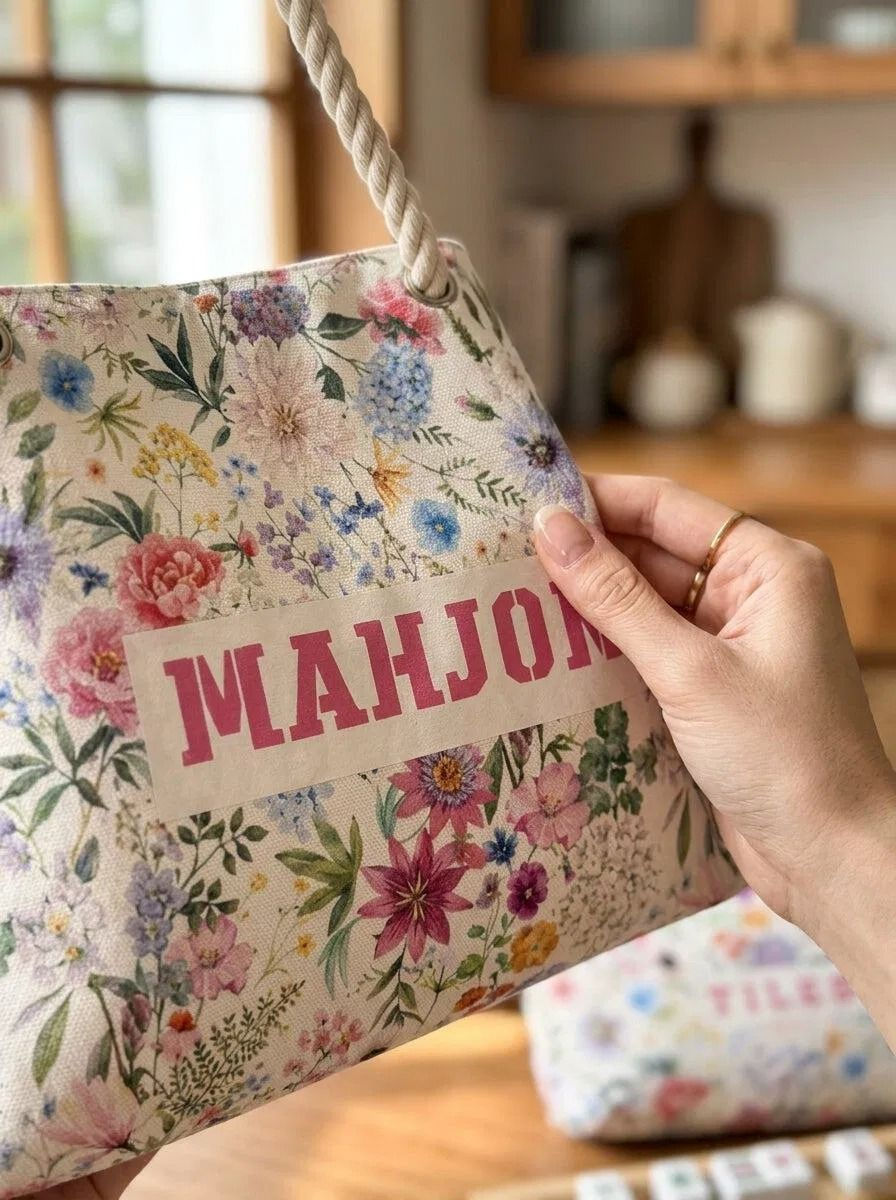
A green mahjong rack bag is a padded or hard case designed to hold a complete American mahjong set—racks with pushers, tiles, and often a mat—during travel to and from game nights. Most come in soft fabric with foam padding or rigid construction; internal compartments keep tiles, racks, and accessories organized. Capacity typically ranges from fitting a single rack with tiles to holding a full setup. The color is often a choice, not a limitation—green works well with many home décors. Before ordering, confirm interior dimensions match your rack size (measure length and width of your tile racks when closed), check for ventilation to prevent moisture buildup in humid climates, and verify zipper quality and strap durability. Mahstead's mahjong bags and cases collection includes designs that pair with standard American sets and coordinate with mats and accessories you may already own. 🀄 Shop mahjong bags & cases →
Why Do Your Racks Need a Dedicated Bag?
Loose racks in a suitcase or tote get damaged by shifting and pressure. Tiles crack if racks tip, pushers snap under weight, and your mat wrinkles or tears. A proper bag isolates your set, keeps pieces grouped for fast setup, and prevents loss of singles or jokers during transitions between venues. Over a season of weekly games, a bag pays for itself in avoided replacement costs and saved setup time.

What Size Bag Should You Actually Buy?
Measure your closed racks end-to-end and side-to-side; most American racks are roughly 8–10 inches long and 2–3 inches tall when stacked. A bag listing internal dimensions of at least 12 × 4 inches will fit two closed racks side by side with room for a thin mat. If you're carrying a rolled mat separately, prioritize vertical depth (at least 5 inches). Check the bag's stated capacity in the product description—"fits one complete set" usually means racks, tiles loose in a tray, and a mat rolled or folded separately. Bags that quote dimensions in inches rather than vague sizing are easier to verify against your own equipment.
Soft Padded Bag vs. Hard Case—What's the Real Difference?
Feature | Soft Padded | Hard Case | Best for |
Weight | Lighter (easier to carry one-handed) | Heavier (needs two hands or a cart) | Weekly neighborhood play |
Protection | Good against minor bumps and pressure | Excellent against drops, crushing | Airport/car travel, shared storage |
Portability | Rolls or folds into a suitcase | Stands upright, doesn't compress | Regular venue travel |
Cost basis | Lower entry | Higher investment | Budget-conscious vs. permanent setup |
Weather seal | Depends on zipper quality; ventilation gaps | Often sealed; risk of condensation | Dry climate vs. humid/rainy regions |
Access | Unzip and contents spill if overpacked | Lid/latch system prevents spillage | Home games vs. tournament-style transport |
A soft bag works for players who drive to the same house weekly and want lightweight, flexible storage. A hard case suits those flying to tournaments, storing sets in a car trunk through seasons, or managing multiple sets in a shared space. Neither is objectively superior—your commute and climate decide.
✨ Browse travel bags with free US shipping →
Does Green Really Matter, or Is That Just Aesthetics?
Green is a common color choice because it's neutral with acrylic tile sets and fabric mats, hides dust and minor stains between games, and coordinates with living rooms and game tables. Other colors (black, navy, burgundy) behave identically functionally. Choose green if it matches your home's style or if the design features (embroidery, logos, compartment layout) appeal to you on a green base. Don't force a green bag if another color offers better padding, zippers, or dimensions for your needs. The bag's job is protection and organization; aesthetics come second.

What to Check Before You Order—A Real Checklist
Interior dimensions vs. your rack size (measure closed racks, add 1 inch for clearance)
Zipper type: YKK or similar brand zippers outlast budget hardware; check product photos
Strap attachment points: reinforced stitching, not rivets alone (rivets tear under load)
Seams: double-stitched or taped along edges and corners
Ventilation: small mesh or perforated panels to prevent condensation in humid climates
Compartment dividers: removable or fixed (know which works for your packing style)
Weight when empty: if over 2 pounds, you're carrying bag weight every game night—factor that in
Warranty or return policy: Mahstead offers free US shipping, so returns are risk-free if dimensions don't match
Photos of interior packed: if available, check whether tiles or a mat actually fit as advertised
Many players skip this step and order based on color alone, then find zippers jam or racks don't fit. A photo of the product packed or a dimension chart in the listing saves a return trip.
Green Mahjong Rack Bags Paired with Your Complete Set
If you're also shopping for best-selling mahjong sets, consider the overall footprint. A standard 160-tile set (American, with racks) fits in most medium bags; if you add a mahjong mat and racks with pushers as separate purchases, confirm total depth. Players who pair a bag with custom engraved American mahjong sets or Christmas mahjong sets often prioritize a rigid case to protect personalized tiles from impact. Check the product descriptions on each collection page for compatibility notes.
Real Mistakes We See—And How to Avoid Them
Overstuffing. Jamming a mat, full tile set, racks, dice, and scorecards into a small bag stretches the zipper and crushes tiles against the interior walls. Pack only the essentials (racks and tiles in a separate dice pouch if needed); carry the mat rolled separately or in a dedicated mat bag if it's oversized.
Storing a damp set in a sealed bag. After rain or humidity, let your set air-dry on a towel for an hour before bagging. Trapped moisture causes mold on fabric and corrosion on acrylic seams. Choose a bag with ventilation or crack it open if stored in a humid basement.
Wrong racks for the bag. Older wooden-frame racks or oversized bamboo racks may not fit interior dimensions listed for standard acrylic racks. Measure your specific racks; if they're non-standard, ask a product page whether the bag accommodates them.
Cheap zippers failing mid-season. A bag under-specified for 40–60 annual game nights will have zipper slider failures or separating teeth by year two. Invest in a bag with commercial-grade hardware if you play weekly.
Forgetting to empty before washing. Some bags are washable; confirm before tossing yours in the machine—you don't want tiles tumbling loose inside. Hand-wash the exterior with a damp cloth and air-dry.
🎁 See mahjong bags & cases with best features →

FAQ
Can I fit a rolled mahjong mat inside a rack bag, or do I need a separate mat bag?
Most rack bags fit a thin rolled mat if it's standard size (roughly 27 × 27 inches rolled to 3 inches diameter). Measure your mat's rolled diameter; bags listing 5+ inches of interior depth usually work. A thick padded mat may require a separate compartment or dedicated mat bag.
What's the difference between a green rack bag and a green table cover or mat bag?
A rack bag holds racks and tiles; a mat bag is sized for a mahjong table mat or mat cover (usually larger, flatter). Don't confuse the two—a mat bag is too big for racks, and a rack bag compresses a mat. Check product photos to confirm intended contents.
Do I need a hard case or will a soft padded bag survive a car trip every week?
A quality soft bag with reinforced straps and good zippers handles weekly car travel for years. Hard cases are warranted for airline travel, rough handling, or storage in a car trunk through hot summers. For neighborhood games, soft is sufficient and lighter to carry.
Is a green bag better for hiding stains than black or navy?
Green hides dust and light dirt slightly better than black because stains don't show as fast. All solid colors need occasional spot-cleaning. Choose green for aesthetics, not stain resistance—the difference is minimal.
What should I do if the zipper sticks on a new bag?
Run a graphite pencil or bar of soap along the closed zipper teeth (not the slider), then gently open and close it 3–4 times. Avoid forcing the slider, which tears teeth. If sticking persists after one week of normal use, contact the seller about a replacement before the return window closes.
Can I pack a complete American mahjong set (tiles, racks, mat, dice, card holder) in one bag?
Not comfortably. A complete set in one bag forces overstuffing and crushes tiles. Carry racks and tiles in the rack bag; roll the mat separately or use a second mat bag. Pack dice and card holders in a small pouch inside the rack bag or in a coat pocket.
Why does Mahstead recommend measuring your own racks before ordering?
Racks vary slightly in depth depending on the acrylic tile design and age. A measurement takes 30 seconds and prevents a bag that doesn't fit, saving a return. We always measure ours before we buy.


View More
View More
View More
