
Charleston Mahjong Rule Explained: The Tile Pass Before Play
Last updated: Nov 23, 2026
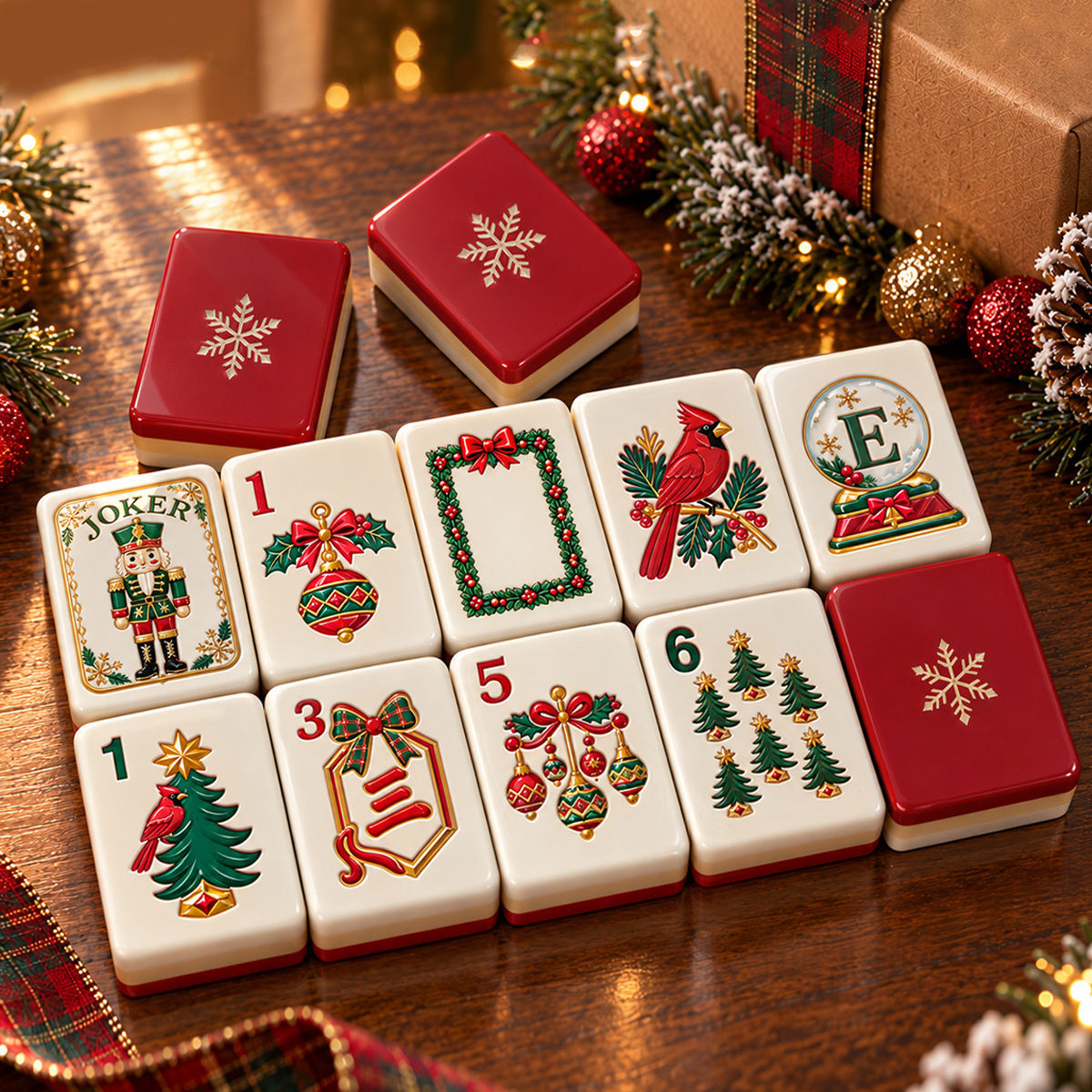
The Charleston is the three-round tile-passing ritual that begins every American mahjong hand after tiles are dealt. In round one, each player passes three tiles to the right; in round two, three tiles pass left; in round three, three tiles pass across the table. A fourth optional pass (two tiles right) may be called by any player. During the Charleston, you never look at received tiles until the pass completes—looking early ends your turn to pass that round. Passed tiles must come from your original hand; you cannot pass tiles you just received. After the Charleston finishes, you pick up your 14th tile from the wall, and play begins. The rule exists to randomize hands fairly and prevent players from stacking the deck before the game starts; skipping or shortcutting it undermines the entire game's integrity.
What exactly happens during each pass round?
The Charleston follows a strict sequence: right pass, left pass, across pass, and optional two-tile right pass. In rounds one and three, you choose which three tiles from your hand to slide face-down to the next player (right, then left, or across). You pass simultaneously with all players—no one waits for anyone else. Once you release tiles, you cannot touch them again. After one player discards a tile to begin the game, you cannot call the optional pass. The ritual takes three to five minutes for four experienced players; new players often need eight to ten minutes the first time.

Why do you keep your eyes off newly received tiles?
Looking at tiles before a pass completes is the single most common Charleston mistake we see. The rule exists because seeing what you received might influence which tiles you pass in the next round—that's an unfair advantage. If you peek and someone notices, you lose your right to make that pass; your tiles stay in front of you and no exchange happens. Some groups treat it as a warning; stricter tables restart the round. We recommend clearly placing received tiles in a small stack away from your hand until the pass finishes, then blending them in only after everyone has received. This habit prevents accidents and confusion.
Can you pass tiles you just received in the previous round?
No. The rule is: passed tiles must come only from your original 13-tile deal. If you receive three tiles from the player on your left in round one, you cannot pass any of those three tiles to the player on your right in round two. You can pass them in round three (the across pass) or the optional round, but not immediately in the next direction. This rule prevents players from "laundering" weak tiles and keeps the randomization honest. Many beginners try to pass along bad tiles they just received, so watch for this at your first few games and gently remind new players.
What if someone passes the wrong number of tiles or passes late?
If a player passes two tiles when three were required, the pass is invalid—that player must draw a tile from the wall to make up the difference before the next round begins. If a player hasn't passed when everyone else has received, the late player's tiles are drawn from their hand randomly (some groups let the fastest player at the table pick three). If someone passes four tiles or more, the excess tiles go back to the wall, and they draw replacements. In all cases, no one restarts the round. The key is: proceed, correct, and move forward without anger. We've never seen a Charleston dispute that wasn't fixed in under two minutes if players stayed calm.

What if all four players want to pass in different directions?
In rounds one and three, direction is fixed—everyone passes the same way. But in the optional fourth pass, if no one calls it within three seconds of the across pass completing, play begins and no more passes happen. If anyone calls "two right" clearly before tiles are picked up, all four players pass two tiles to the right. If direction is unclear or overlapping calls happen, the player sitting to the dealer's left (second seat) decides: play continues with the called pass, or the Charleston ends and the 14th tile is drawn. This rule prevents endless negotiation; once someone calls it and no one objects within seconds, the pass is live.
🀄 Shop best-selling mahjong sets →
How does the Charleston connect to the rest of the hand?
The Charleston ends when all four optional passes are complete (or when "no pass" is called). After that, the player to the dealer's left draws the 14th tile from the wall, and the player who sits to the dealer's right discards first to start play. If the Charleston explained article goes deeper into regional variations, this article focuses on the core rule. Most American players use the four-pass format, though some regions use only three or allow a fifth pass. Once play begins, the Charleston is forgotten—jokers, the NMJL card, and tile-calling rules take over. Understanding the Charleston is part of learning how to play American mahjong as a whole.
What's the fastest way to teach Charleston to a brand-new player?
Sit them to your left and walk through one full Charleston with everyone using the same example hand. Say aloud: "Right pass—pick any three tiles, place them face-down, don't look yet." Once everyone has passed and received, say "Pick them up—everyone okay?" Then "Left pass" and repeat. New players understand the rhythm far faster from watching and doing than from reading rules. At your table, assign a "Charleston lead" (usually the dealer or a veteran) to call each phase loudly. Hand out best-selling mahjong sets early so beginners see the tile colors and suit symbols during setup—it helps them recognize patterns faster.
Scenario | What Happens | Prevention |
Player peeks at received tiles mid-pass | They lose the right to make that pass | Stack received tiles separate from hand |
Someone passes four tiles instead of three | Draw one back from wall | Count aloud before passing: "One, two, three" |
Player passes a tile received in previous round | Varies by table (warning or redo) | Remember: only original 13 can pass |
Optional pass called after tiles picked up | Invalid—play begins immediately | Call "two right" before anyone draws |
New player confused about direction | Assign a "caller" to name each pass | Verbal cue beats silence every time |
🎁 See our most-loved mahjong sets & accessories →
What to check before you deal and start Charleston
Confirm you have exactly 152 tiles in the wall (108 suit tiles, 16 winds, 12 dragons, 8 flowers, and 8 jokers). Count out loud if it's your first time with a new set. Deal 13 tiles to each player in a fixed order (dealer first, then each player clockwise), and set one tile aside for the dead wall if your table uses it. Verify the current year's NMJL card is visible to all players—no one should guess at valid hands. Have a scorepad or phone app ready to track scores after the hand. Check that your mahjong mat is clean and tiles slide smoothly. Assign one person to call the Charleston phases; if no one speaks, confusion spreads fast. If you're hosting and want to speed play, set a smartphone timer for the Charleston (three to four minutes is plenty).
✨ Find your Mahstead set — free US shipping →

FAQ
Can you refuse to participate in the optional two-tile pass?
No—all four players must participate or none do. One player calls "two right" (or no pass is called) and everyone passes together. Once called, you cannot opt out. If you dislike the optional pass, discuss as a group before dealing and decide house rules before the game starts.
What if a tile falls on the floor during Charleston?
The player who dropped it must retrieve it, and no restart happens. If the tile was mid-pass, it counts as received. If it was in the passing stack, return it to the passer and the pass continues. Most tables treat accidental floor drops as part of normal play—move on quickly.
Does the Charleston happen if someone is joining mid-game?
No. The Charleston only happens at the start of a brand-new hand, before the dealer's first tile is drawn from the wall. Mid-game joiners sit out the current hand and enter the next Charleston as a full participant.
What if two players pass in opposite timing and collide?
Tiles were not exchanged—no harm. Return all tiles to their original owners and re-pass that round. This is rare if players pass face-down and simultaneously, but it happens with new players. Assign seats and table position clearly before round one.
Can you change your mind after you've passed tiles in the Charleston?
No. Once tiles leave your hand and move across the table (even one inch), they cannot return. The pass is final. This rule keeps the game moving and prevents endless negotiation.
Is the Charleston rule the same in Chinese and Hong Kong mahjong?
No. Chinese and Hong Kong variants do not use a Charleston at all—tiles are drawn and discarded during play. The Charleston is unique to American mahjong and exists to randomize hands fairly. If you play multiple variants, the Charleston is a key American-only rule to master.


View More
View More
View More
